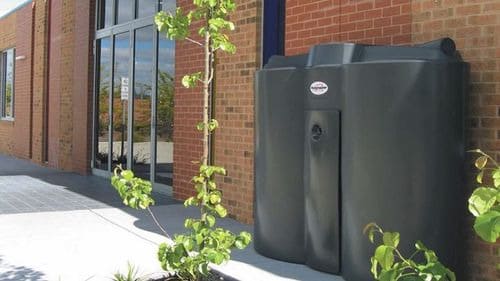
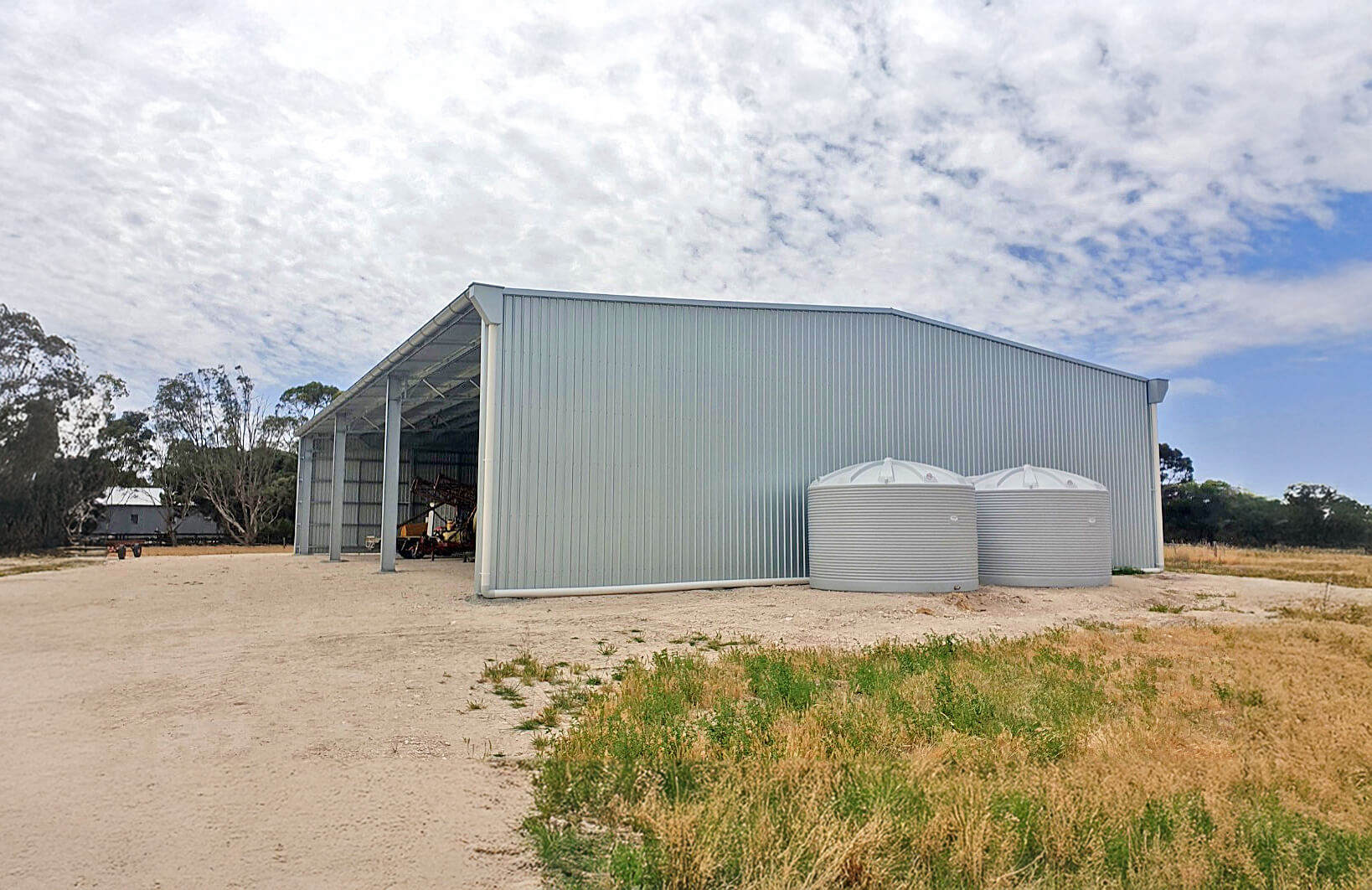
A 15000L water tank is one of the most commonly searched water tank sizes in Australia. It represents a practical middle ground for households and properties looking to store a substantial amount of rainwater without oversizing their system.
While a 15,000L water tank is often searched for by name, it’s important to understand that tank sizing is not about exact numbers, it’s about choosing the most efficient and practical capacity for your property, rainfall conditions, and water usage.
In many cases, 13,600L and 22,500L water tanks offer equal or better performance than a 15000L tank, depending on the situation. This guide explains how a 15,000L tank compares, what alternatives make sense, and how to choose the right size for Australian conditions.
Why Is the 15000L Water Tank So Popular?
The 15000L water tank is popular because it:
-
Sounds like a balanced, mid-range size
-
Suits many family households on paper
-
Fits typical roof catchment assumptions
-
Offers meaningful water storage without going “too large”
For many Australians, 15,000 litres feels like a sensible compromise between space, cost, and water security.
However, in real-world applications, rainfall patterns, roof size, and water usage often mean slightly smaller or larger tanks perform better.
Is a 15000L Water Tank the Right Size for Your Property?
A 15000L water tank is often considered suitable for:
-
Family homes
-
Partial or full rainwater supply
-
Moderate roof catchment areas
-
Urban and semi-rural blocks
That said, the “right” size depends on more than just litres.
Key Factors That Matter More Than Exact Capacity
-
Roof catchment size
-
Average annual rainfall
-
Household water usage
-
Whether rainwater is used for drinking
-
Garden and irrigation demands
-
Fire-fighting or emergency storage needs
In many cases, choosing the closest practical size above or below 15,000L delivers better outcomes.
Understanding Roof Catchment vs Tank Size
Your roof determines how much water you can actually collect.
As a general guide:
-
1mm of rain on 100m² of roof = 100 litres of water
If your roof captures large volumes during heavy rain, a smaller tank can overflow quickly, wasting valuable water.
This is why some households find that:
-
A 13,600L tank fills frequently and suits regular use
-
A 22,500L tank captures more water during heavy rainfall events
Both can outperform a theoretical 15000L tank depending on conditions.
13,600L Water Tank as an Alternative to 15000L
A 13,600L water tank is a highly practical alternative to a 15000L tank, especially for residential properties.
Benefits of a 13,600L Tank
-
Ideal for suburban and semi-rural homes
-
Easier to position on standard blocks
-
Lower overall footprint
-
Efficient for household rainwater use
For many families, a 13,600L tank provides:
-
Reliable water storage
-
Frequent turnover of fresh rainwater
-
Strong balance between size and usability
In areas with regular rainfall, the difference between 13,600L and 15,000L is often negligible in day-to-day use.
22,500L Water Tank: When Bigger Makes Sense
A 22,500L water tank is often chosen by households and properties seeking greater water security.
When a 22,500L Tank Is the Better Choice
-
Rural or semi-rural properties
-
Larger roof catchment areas
-
High water usage households
-
Properties with gardens or livestock
-
Bushfire-prone areas requiring reserves
A larger tank allows you to:
-
Capture more water during heavy rain
-
Reduce overflow losses
-
Store water for longer dry periods
For many Australian properties, upsizing beyond a 15000L water tank delivers greater resilience with minimal additional complexity.
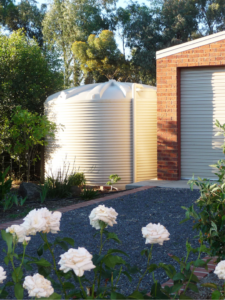
Comparing 15000L, 13,600L, and 22,500L Tanks
| Tank Size | Best Suited For | Key Advantage |
|---|---|---|
| 13,600L | Residential homes | Efficient, compact, practical |
| 15,000L | General reference size | Popular benchmark |
| 22,500L | Rural / high demand | Maximum water security |
Rather than focusing on the exact number, it’s more effective to choose the size that best aligns with your property’s real needs.
Water Usage and Storage Strategy
Household water usage varies significantly depending on:
-
Number of occupants
-
Appliances and fixtures
-
Garden size
-
Seasonal demand
Using rainwater for:
-
Drinking and cooking
-
Bathrooms and laundry
-
Outdoor use
will increase storage requirements. In these cases, a larger tank than 15,000L often makes sense.
Installation Considerations
Tank size also affects installation.
Important considerations include:
-
Available space
-
Access for delivery
-
Base preparation
-
Plumbing layout
A slightly smaller or larger tank can sometimes be easier to install than a theoretical 15000L option, depending on site constraints.
Cost vs Capacity
While cost is always a factor, larger tanks often offer:
-
Better value per litre
-
Similar installation costs
-
Improved long-term water security
This means a 22,500L tank may represent better overall value than a 15000L tank when viewed as long-term infrastructure.
Australian Climate and Rainfall Patterns
Australian rainfall is often:
-
Infrequent but intense
-
Seasonal
-
Highly variable
Larger tanks perform better in these conditions by capturing heavy rainfall events that smaller tanks may overflow.
This makes capacity planning more important than choosing an exact litre figure.
Water Tanks and Fire Preparedness
In bushfire-prone areas, water tanks are often used for:
-
Fire-fighting reserves
-
Asset protection
-
Emergency water access
In these situations, a tank larger than 15000L is often recommended to ensure adequate reserves.
Choosing the Right Tank Manufacturer
Regardless of size, tank quality matters.
A high-quality tank should be:
-
UV-stabilised
-
Structurally strong
-
Made from suitable materials
-
Designed for Australian conditions
At Polymaster, water tanks are engineered to suit Australian climates, rainfall patterns, and long-term water storage needs.
Planning for the Future
When choosing between a 15000L water tank and alternatives, consider future needs such as:
-
Growing households
-
Increased water usage
-
Garden expansion
-
Emergency preparedness
Upsizing slightly now can prevent costly upgrades later.
Final Thoughts
A 15000L water tank is a popular and practical reference point for many Australians, but it is not always the most efficient or effective option.
In many real-world scenarios:
-
A 13,600L tank offers excellent residential performance
-
A 22,500L tank delivers superior water security
Choosing the right size is about understanding your property, rainfall, and water usage — not just matching a number.
By selecting the most appropriate capacity and a quality Australian-made tank, you ensure reliable, long-term water storage that works with Australia’s unique climate and lifestyle.
More Similar News
View all News
What Are the Benefits of a Water Tank?

Out-of-Sight | Out-of-Mind with Underground Water Storage