
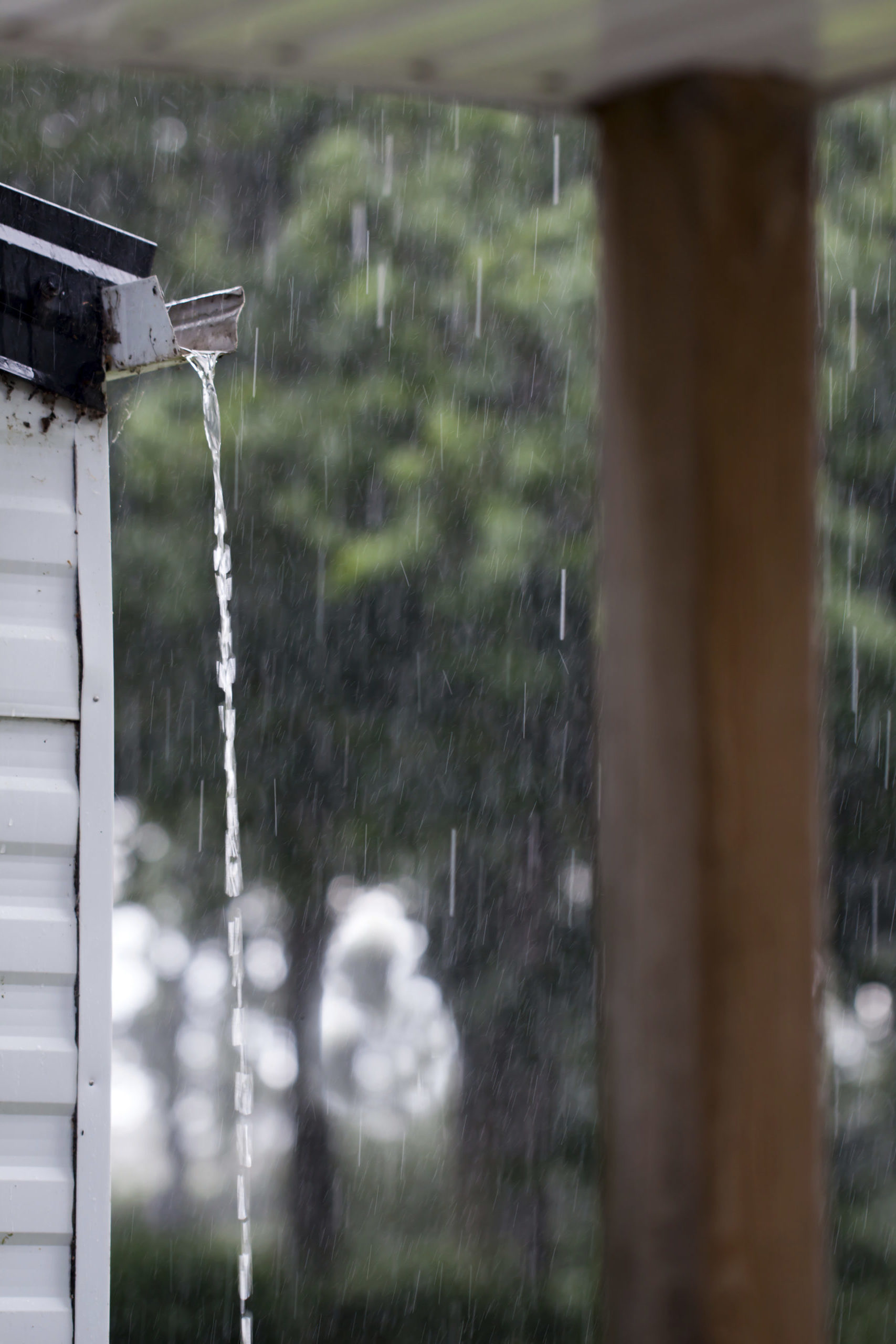
Drinking rainwater has been part of Australian life for generations. From rural farms to suburban homes, rainwater tanks have long provided households with an independent, reliable water source. As water costs rise, droughts become more common, and people seek healthier and more sustainable living options, interest in drinking rainwater continues to grow.
When collected, stored, and maintained correctly, rainwater can be a safe, cost-effective, and environmentally responsible source of drinking water. This guide explores the key benefits of drinking rainwater in Australia, how it compares to mains water, and what’s required to ensure water quality remains high.
Is Rainwater Safe to Drink in Australia?
Yes — rainwater can be safe to drink when the system is properly designed and maintained. In many regional and rural parts of Australia, rainwater is the primary drinking water source for households.
Safety depends on:
-
Clean roof catchment surfaces
-
Proper gutter maintenance
-
Sealed, food-grade water tanks
-
Basic filtration where required
When these elements are in place, rainwater can meet household drinking needs year-round.
Why Australians Choose to Drink Rainwater
Australia’s climate and geography make rainwater harvesting particularly practical. Many households choose rainwater for reasons that go beyond convenience.
Common motivations include:
-
Reducing reliance on mains water
-
Improving taste and water quality
-
Lowering household water costs
-
Supporting sustainable living
-
Achieving water independence
These benefits make rainwater an attractive option for both urban and rural homes.
Key Benefits of Drinking Rainwater
1. Better Taste and Natural Softness
One of the most commonly reported benefits of drinking rainwater is its taste. Rainwater is naturally soft, meaning it contains fewer dissolved minerals than many mains water supplies.
This can result in:
-
Cleaner-tasting drinking water
-
Better-tasting tea and coffee
-
Improved flavour when cooking
Many Australians prefer rainwater over mains water for everyday consumption once they experience the difference.
2. No Added Chemicals
Unlike mains water, rainwater:
-
Contains no added chlorine
-
Contains no fluoride
-
Is free from chemical treatment by-products
For households sensitive to chemicals or concerned about additives, rainwater offers a more natural alternative.
This is particularly appealing for:
-
Families with young children
-
People with skin sensitivities
-
Those seeking a more natural lifestyle
3. Reduced Household Water Costs
Drinking rainwater can significantly reduce reliance on mains water, especially in households where rainwater is used throughout the home.
Cost-saving benefits include:
-
Lower water bills
-
Reduced exposure to water price increases
-
Less reliance on water restrictions
Over time, these savings can help offset the initial cost of installing a rainwater tank system.
4. Water Security and Independence
Australia’s climate is unpredictable, with droughts and water restrictions affecting many regions. Drinking rainwater provides households with greater water security.
Benefits include:
-
Reliable access to water during restrictions
-
Reduced dependence on municipal supply
-
Greater resilience during dry periods
For rural and semi-rural households, rainwater is often essential rather than optional.
5. Environmental Sustainability
Drinking rainwater supports sustainable water management by:
-
Reducing demand on dams and rivers
-
Lowering energy use associated with water treatment and pumping
-
Reducing stormwater runoff
Rainwater harvesting plays an important role in protecting Australia’s natural water resources for future generations.
Rainwater vs Mains Water: A Practical Comparison
Mains Water
-
Treated with chemicals for safety
-
Consistent supply in urban areas
-
Subject to restrictions and pricing increases
Rainwater
-
Naturally collected
-
Free once captured
-
Independent of municipal systems
For many households, rainwater complements mains supply or replaces it entirely.
Health and Lifestyle Benefits
Many Australians report lifestyle improvements when drinking rainwater, including:
-
Less skin dryness after showering
-
Fewer mineral deposits on appliances
-
Clearer glassware and fixtures
While experiences vary, these practical benefits contribute to the popularity of rainwater systems.
Common Uses for Drinking Rainwater
Rainwater is commonly used for:
-
Drinking and cooking
-
Tea and coffee preparation
-
Ice making
-
Whole-of-home water supply
In some homes, rainwater is also used for:
-
Bathrooms
-
Laundry
-
Garden irrigation
Using rainwater across multiple applications maximises system value.
The Importance of the Right Water Tank
Water quality starts with the tank itself. A suitable tank for drinking rainwater should be:
-
Made from food-grade materials
-
UV-stabilised for outdoor conditions
-
Fully sealed to prevent contamination
High-quality tanks protect water from:
-
Light exposure that promotes algae growth
-
Insects and animals
-
External contaminants
At Polymaster, tanks are engineered for Australian conditions and suitable for potable water storage when used correctly.
Roof Catchment and System Design
The quality of drinking rainwater depends heavily on the collection system.
Best practices include:
-
Using suitable roof materials (metal roofs are ideal)
-
Keeping gutters clean and free of debris
-
Installing leaf guards and inlet screens
-
Using first-flush diverters where appropriate
These measures help prevent contaminants from entering the tank.

Filtration Options for Drinking Rainwater
Some households choose to drink rainwater without filtration, while others install additional treatment systems for peace of mind.
Common options include:
-
Sediment filters to remove particles
-
Carbon filters to improve taste
-
UV systems for added protection
The level of filtration required depends on household preferences and local conditions.
Maintenance Requirements
Rainwater systems require minimal but regular maintenance to ensure water quality.
Recommended maintenance includes:
-
Cleaning gutters periodically
-
Inspecting tank lids and screens
-
Checking filters and pumps
-
Monitoring water clarity and smell
Well-maintained systems can provide clean drinking water for decades.
Rainwater and Australian Living
Rainwater is deeply embedded in Australian culture, particularly in regional areas. Many households grow up drinking rainwater and continue the practice as adults.
As water awareness increases and sustainability becomes a priority, rainwater remains one of the most practical ways Australians can manage their own water supply.
Potential Considerations
While rainwater offers many benefits, households should consider:
-
Local rainfall patterns
-
Roof condition and materials
-
Tank size and placement
-
Maintenance responsibilities
With proper planning, these considerations are easily managed.
Drinking Rainwater as a Long-Term Solution
Drinking rainwater is not a short-term trend — it is a long-standing, proven approach to water security in Australia. With the right system, rainwater provides:
-
High-quality drinking water
-
Long-term cost savings
-
Environmental benefits
-
Greater independence
Final Thoughts
The benefits of drinking rainwater extend well beyond cost savings. From improved taste and reduced chemical exposure to sustainability and water independence, rainwater offers a practical solution suited to Australia’s climate and lifestyle.
When collected, stored, and maintained correctly, rainwater can be a safe, reliable, and environmentally responsible drinking water source for Australian households. Investing in a quality tank and system ensures these benefits are enjoyed for many years to come.
More Similar News
View all News
How to clean a water tank without removing water