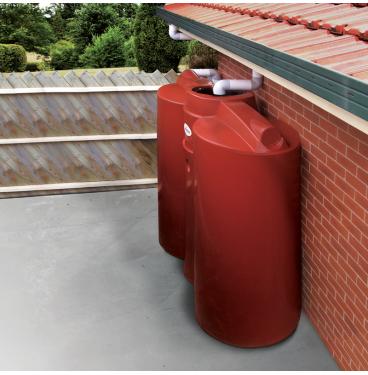
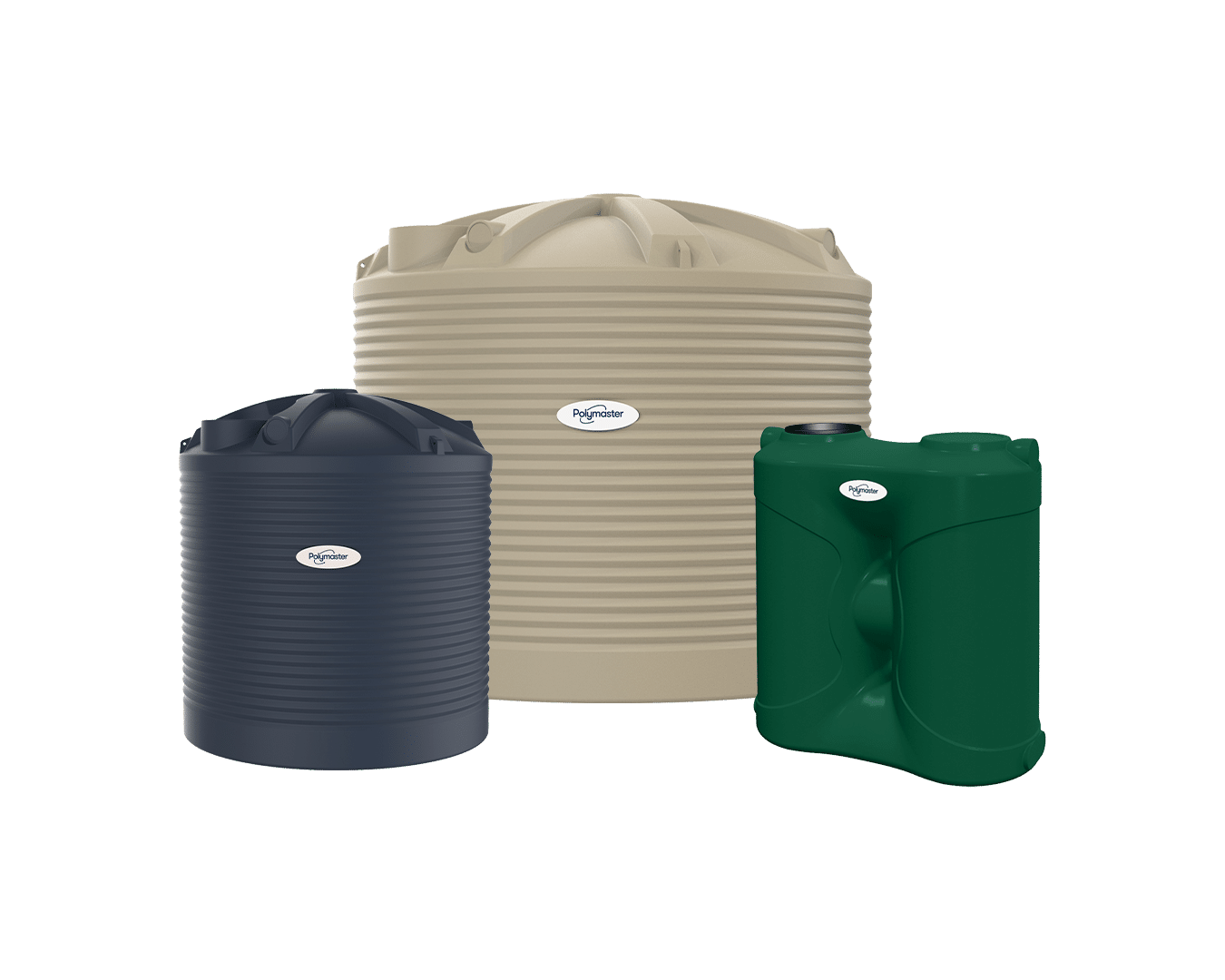
There is no single price for a water tank in Australia. Costs vary based on several factors, including:
- Tank capacity (litres)
- Tank material and construction quality
- Intended use (residential, rural, commercial)
- Installation requirements
- Additional components such as pumps or filtration
In general, water tanks range from smaller residential options through to large rural and commercial storage systems, with prices increasing as capacity and performance requirements grow.
Key Factors That Affect Water Tank Cost in Australia
1. Tank Size and Capacity
Tank size is one of the biggest factors influencing cost. Larger tanks require more material, stronger construction, and more complex manufacturing processes.
Smaller tanks may suit:
- Urban homes
- Garden irrigation
- Supplementary water use
Larger tanks are commonly used for:
- Whole-of-home rainwater supply
- Rural and agricultural properties
- Fire-fighting reserves
- Commercial operations
While larger tanks cost more upfront, they often provide better value per litre and greater water security over time.
2. Material Quality and Construction
Most modern water tanks in Australia are made from polyethylene. However, not all polyethylene tanks are equal.
High-quality tanks use:
- UV-stabilised polyethylene
- Consistent wall thickness
- Reinforced structural design
Lower-quality tanks may cost less initially but can:
- Degrade faster in Australian sun
- Become brittle or crack
- Require earlier replacement
Material quality has a direct impact on lifespan, safety, and long-term cost.
3. Intended Use of the Water Tank
Water tank cost in Australia also depends on how the tank will be used.
Residential Use
Tanks used for household rainwater harvesting typically require:
- Food-grade materials
- Sealed designs to prevent contamination
- Compatibility with household plumbing
Rural and Agricultural Use
Rural tanks are often larger and designed for:
- Livestock watering
- Irrigation
- Spray applications
These tanks must handle frequent drawdown and refilling cycles, increasing construction requirements.
Fire-Fighting Water Storage
Fire-fighting tanks must be:
- Highly reliable
- Structurally strong
- Easy to access for pumps
This additional reliability requirement can influence cost.
4. Installation Costs
The price of the tank itself is only part of the total system cost.
Installation costs may include:
- Site preparation
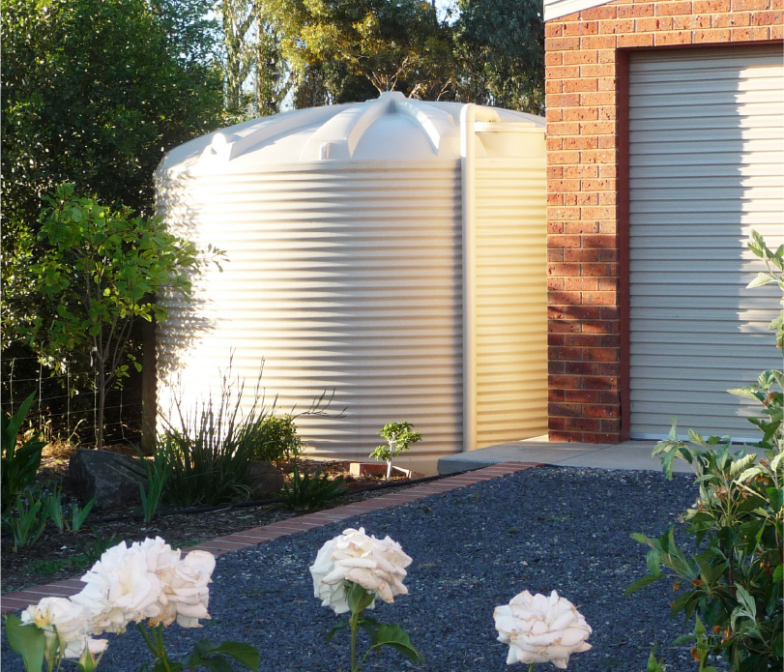
- Tank base or pad
- Plumbing connections
- Pumps and pressure systems
- Filtration for drinking water use
While installation adds to the upfront cost, correct installation is essential for:
- Long-term tank performance
- Structural safety
- Warranty validity
Cutting corners during installation can lead to higher repair or replacement costs later.
Water Tank Cost vs Long-Term Value
When comparing water tank costs in Australia, it is important to consider long-term value, not just purchase price.
A cheaper tank may:
- Have a shorter lifespan
- Require earlier replacement
- Offer lower water security
- Perform poorly in harsh conditions
A quality tank may cost more upfront but delivers:
- Longer service life
- Better reliability
- Lower lifetime cost
- Greater peace of mind
Water tanks should be viewed as long-term infrastructure, not short-term purchases.
Cost Efficiency Per Litre
Larger tanks often offer better cost efficiency per litre because:
- Manufacturing efficiency improves at scale
- Installation costs are similar across sizes
- Storage capacity increases significantly
For many properties, upsizing slightly can provide:
- Improved drought resilience
- Reduced overflow losses during heavy rain
- Greater flexibility in water use
This makes capacity planning an important part of managing overall water tank cost.
Water Tanks and Property Value
A properly installed, high-quality water tank can add value to a property by:
- Improving water security
- Reducing reliance on mains supply
- Increasing appeal to buyers in water-restricted areas
In rural and semi-rural regions, water storage is often considered essential infrastructure rather than an optional feature.
Government Rebates and Incentives
In some parts of Australia, water tanks may be eligible for:
- Local council rebates
- Sustainability incentives
- Rural assistance programs
These programs vary by state and region but can help offset initial water tank costs. It is always worth checking local eligibility when planning a water storage system.

Maintenance and Ongoing Costs
Water tanks generally have low ongoing costs, but maintenance should be factored into long-term ownership.
Typical maintenance includes:
- Occasional inspection
- Cleaning gutters and roof catchments
- Checking inlet screens and lids
- Servicing pumps and filtration systems
A well-designed tank requires minimal maintenance and delivers consistent performance over time.
Sustainability and Cost Savings
Water tanks play a key role in reducing household and business water costs by:
- Lowering reliance on mains water
- Providing free rainwater for everyday use
- Supporting sustainable water management
Over time, these savings can offset the initial cost of the tank and installation.
Choosing the Right Water Tank Manufacturer
The manufacturer you choose has a significant impact on long-term cost and performance.
When comparing water tank costs in Australia, consider:
-
Manufacturing quality
-
Suitability for Australian conditions
-
Warranty coverage
-
Local support and expertise
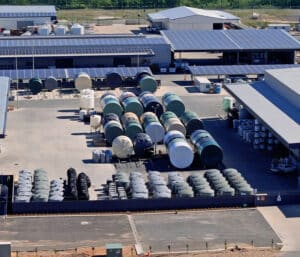
At Polymaster, water tanks are engineered for Australian climates, applications, and long-term reliability, helping ensure your investment delivers lasting value.
Water Tanks as a Long-Term Investment
A water tank is more than a container — it is a long-term investment in:
- Water security
- Cost stability
- Sustainability
- Property resilience
Choosing the right tank size, material, and manufacturer ensures the system performs reliably for decades rather than years.
Final Thoughts
Water tank cost in Australia varies widely depending on size, quality, application, and installation. While upfront price is important, long-term performance, durability, and reliability should always be the priority.
By choosing a high-quality, Australian-made water tank and planning the system carefully, households and businesses can secure reliable water storage, reduce long-term costs, and improve resilience against Australia’s challenging climate.
More Similar News
View all News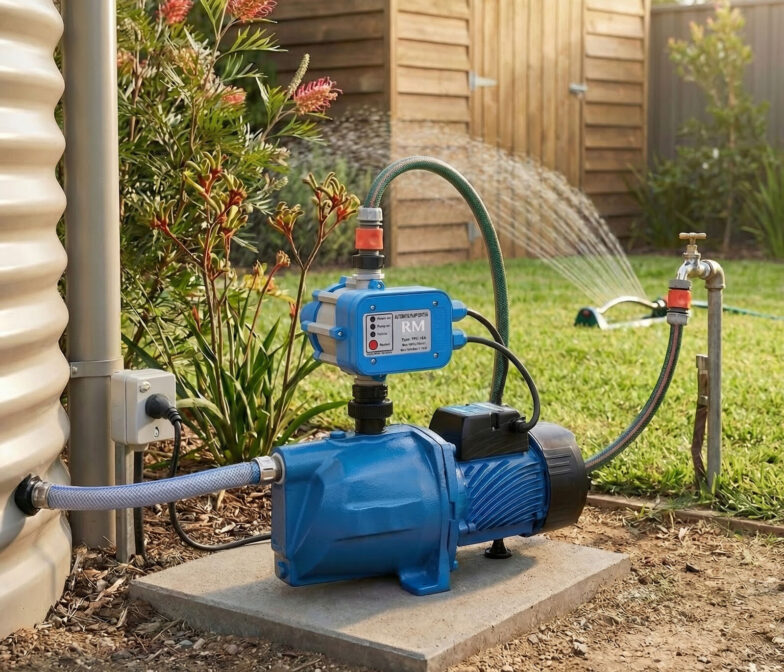
Best pressure pumps for water tanks
What Is the Best Base for a Water Tank?