
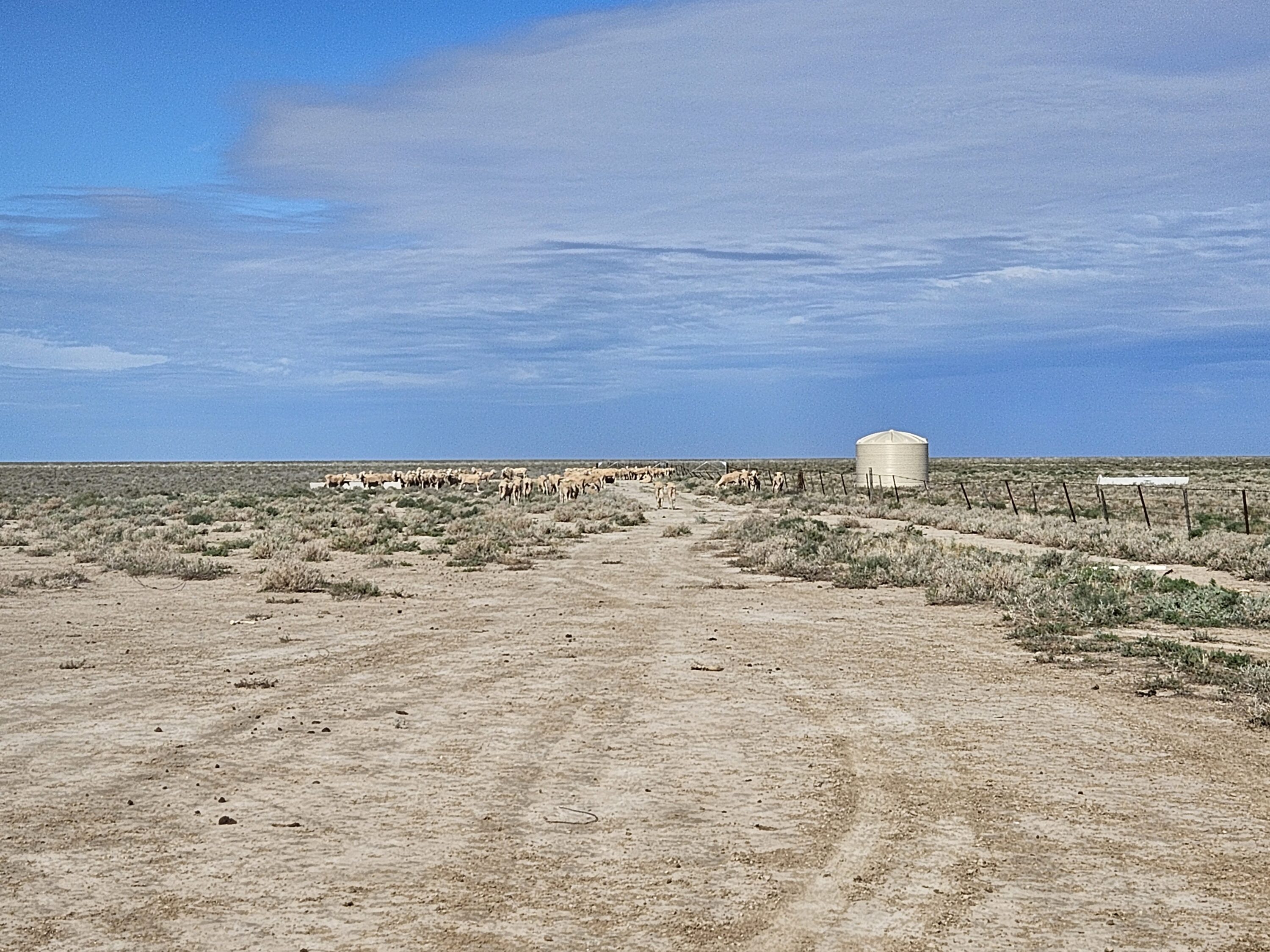
Water is Australia’s most precious, unpredictable, and fiercely debated natural resource. From the sun-baked expanses of the outback to the rapidly expanding suburbs of our coastal capitals, managing water isn’t just a matter of convenience it’s a foundation for survival, economic prosperity, and environmental responsibility.
For decades, Australian water tanks have stood as iconic features of our rural and urban landscapes. They represent a cultural commitment to self-reliance, drought resilience, and smart resource management.
In this comprehensive guide, we will explore the critical role that water tanks play across Australia, delve into the rich history of a pioneering Australian manufacturer, Polymaster and break down how to choose the perfect liquid storage solution for your home, farm, or industrial asset.
1. The Critical Role of Water Tanks in the Australian Landscape
Australia is the driest inhabited continent on Earth, characterised by highly variable rainfall patterns, prolonged droughts, and intense, sudden downpours. This climatic volatility means that relying solely on centralised water grids or seasonal rainfall is a high-risk strategy for homeowners, farmers, and commercial operators alike.
+-------------------------------------------------------------------------+
|                      THE AUSTRALIAN WATER CYCLE                         |
|                                                                         |
|   [ Heavy Rainfall Events ]              [ Protracted Dry Spells ]      |
|              │                                       ▲                  |
|              ▼                                       │                  |
|   Flash Runoff & Overflow                Grid Strain & Water Restrictions
|              │                                       ▲                  |
|              └─────────► [ Rainwater Tank Storage ] ──┘                  |
|                            Captured Infrastructure                      |
+-------------------------------------------------------------------------+
The Changing Climate and Urban Grid Strain
As urban populations swell across major hubs like Melbourne, Sydney, Brisbane, and Adelaide, domestic mains water infrastructure faces unprecedented pressure. Water restrictions, once viewed as emergency measures during the Millennium Drought, are increasingly integrated into long-term municipal planning.
In suburban settings, domestic rainwater harvesting reduces stormwater runoff, mitigating local flash flooding and preventing contaminants from washing into pristine coastal waterways. By capturing rain at the source, households actively take pressure off aging municipal stormwater systems.
Rural Lifelines and Primary Production
For regional communities, agricultural enterprises, and off-grid homesteads, an engineered water tank isn’t a secondary backup system; it is the primary life support network. Livestock survival, crop spray programs, crop irrigation, and domestic drinking supplies hinge entirely on the structural integrity and volume capacity of on-site storage tanks.
When a farm’s storage fails, the financial and operational consequences are immediate and devastating. This stark reality has driven decades of innovation in product design, material science, and manufacturing standards within the domestic market.
2. The Story of Polymaster: Over Three Decades of Australian Innovation
To understand the evolution of the modern heavy-duty poly tank, one must look closely at the history of Polymaster.
Founded in 1994 in regional Victoria, Polymaster emerged during a pivotal era for Australian agriculture and manufacturing. Traditional corrugated iron and heavy, brittle concrete tanks were increasingly showing their limitations, susceptible to corrosion, seam failures, and logistically challenging installations.
       1994                     Early 2000s                    2010s - 2026
        │                            │                              │
┌───────┴───────┐            ┌───────┴───────┐              ┌───────┴───────┐
│ Polymaster    │            │ Advanced      │              │ "Big Bertha"  │
│ Founded in    │───►───►───►│ Product       │───►───►───►──│ 50,000L Tank, │
│ Regional VIC  │            │ Engineering   │              │ National Tier │
└───────────────┘            └───────────────┘              └───────────────┘
Born in the Bush, Built for the Country
Polymaster was forged out of a practical, regional understanding of what Australian working properties actually require. The founders recognized that a tank destined for the intense UV exposure of the Mallee or the extreme thermal shifts of the Riverina needed to be engineered differently than standard plastic products found overseas.
From its humble beginnings as a regional supplier, Polymaster committed to a strict philosophy: never compromise on material thickness, structural engineering, or customer service. ### Pioneering Rotomoulding Technology The company invested heavily in advanced rotational moulding (rotomoulding) technology. This process involves placing high-quality raw polymer powder into a custom-engineered mould, heating it in a massive bi-axial oven, and rotating it smoothly so that the liquefied plastic uniformly coats every interior surface.
The result was a revolutionary leap forward for the industry: a one-piece, seamless tank with no joints, welds, or structural weak points to split under immense hydrostatic pressure.
As the years rolled on, Polymaster expanded its footprint from a local manufacturer to a premium national brand. Through decades of relentless testing and refinement, the company extended its expertise beyond simple water collection to include heavy-duty liquid chemical storage, bulk diesel systems, and advanced livestock watering infrastructure.
Today, walking onto an Australian farm, commercial job site, or residential development and spotting the distinctive, premium build of a Polymaster tank is a clear indicator that the owner prioritises long-term structural reliability.
3. Why Material Science and Certifications Matter
When investing in an asset designed to hold tens of thousands of litres of valuable liquid, understanding the underlying material science is critical. A water tank is constantly subjected to massive internal and external stresses.
    HYDROSTATIC WALL PRESSURE                EXTERNAL CLIMATIC LOADING

       ┌────────────────┐                       ┌────────────────┐
       │ 50,000 Litres  │                       │ Harsh Solar UV │
       │  Of Water      │                       │ Radiation      │
       └───────┬────────┘                       └───────┬────────┘
               │                                        │
               ▼                                        ▼
   Exerts 50 Tonnes of Outward              Causes Thin, Unstabilized
   Force at Base of Tank Walls              Plastics to Become Brittle
The Engineering of Premium Polyethylene
Polymaster uses an advanced, high-density, food-grade polyethylene resin that is specifically blended with advanced UV-stabilisers. This proprietary material blend functions as a built-in shield against the harsh Australian sun, preventing the polymer chains from breaking down, cracking, or becoming brittle over decades of intense sun exposure.
Furthermore, all Polymaster water tanks are manufactured from BPA-free, food-grade materials that fully comply with strict Australian drinking water standards (AS/NZS 4020). This ensures that whether the collected water is earmarked for a washing machine, livestock consumption, or direct family drinking water, it remains completely pure, free of chemical taints, and safe for human consumption.
The Standard of Excellence: AS/NZS 4766
Many tanks on the market look structurally sound from the outside, but thin out drastically along the base or around critical corners during manufacturing.
Polymaster tanks are fully certified to AS/NZS 4766, the rigorous Australian and New Zealand standard for polyethylene storage tanks for water and chemicals. This independent certification requires rigorous ultrasonic thickness testing, destructive drop-weight impact tests, and advanced material-density verification.
When you buy a certified tank, you are purchasing a wall thickness guaranteed to handle the massive outward hydrostatic force exerted by thousands of litres of liquid.
4. Navigating the Polymaster Range: Solutions for Every Property
No two properties are identical. A suburban block in Melbourne has vastly different spatial restrictions than a 10,000-acre cattle station in Queensland. To address this diverse landscape, Polymaster has developed an extensive, purpose-built portfolio of products.
A. Round Rainwater Tanks (The Regional Workhorses)
For sheer volume capacity and structural value per dollar, nothing beats the classic round profile. These tanks feature corrugated walls engineered to maximise hoop strength, preventing the tank from bowing or flexing when completely full.
+---------------------------------------------------------------------------------+
|                     POLYMASTER ROUND RAINWATER TANK RANGE                       |
+----------------------+--------------------+-------------------------------------+
| Capacity (Litres)    | Profile Class      | Best Application / Use Case         |
+----------------------+--------------------+-------------------------------------+
| 200L – 2,000L        | Compact Utility    | Suburban sheds, urban courtyards    |
| 2,270L – 7,100L      | Tall Residential   | Medium homes, suburban blocks       |
| 10,000L – 22,500L    | Semi-Rural Standard| Large homes, small acreages, sheds  |
| 31,700L – 50,000L    | Broadacre Heavy    | Commercial farms, full homesteads   |
+----------------------+--------------------+-------------------------------------+
-
The 22,500L (5,000 Gallon) Standard: This is the iconic backbone of regional Australia. It sits perfectly next to large machinery sheds, homesteads, and rural workshops, providing a substantial buffer against long dry spells.
-
The 50,000L “Big Bertha”: For true water independence, industrial projects, and serious farming operations, the 50,000L tank is the undisputed heavy champion. It features an incredibly strong, self-supporting roof structure that completely eliminates the need for an internal vertical support pole a common point of debris accumulation and structural failure in lesser designs.
B. Slimline Rainwater Tanks (The Urban Space Savers)
As modern residential block sizes decrease, finding a wide, open footprint for a traditional round tank becomes nearly impossible. Polymaster’s Slimline Rainwater Tanks are specifically engineered to address the spatial constraints of modern inner-city and suburban developments.
       ROUND TANK FOOTPRINT                  SLIMLINE TANK FOOTPRINT
       Requires Wide Yard Space               Fits Snugly in Side Passages

             ┌───────┐                              ┌──────────────┐
             │       │                              └──────────────┘
             └───────┘                        Widths down to just 540mm!
-
Aesthetic Integration: With widths down to just 540mm, these tanks slide seamlessly into narrow side boundary walkways, tuck neatly behind garden retaining walls, or sit completely flush against a garage or laundry exterior wall.
-
Anti-Bulge Engineering: Because a flat, narrow wall naturally wants to distort outward when filled with tons of water, Polymaster inserts heavy-duty internal cross-bracing and thick structural columns into its Slimline range. This ensures the tank maintains its crisp profile over its entire operational lifetime.
-
Colorbond® Integration: These tanks are available in a broad array of authentic Colorbond® matches, allowing you to seamlessly integrate the unit with your home’s existing fences, gutters, or cladding.
C. Agricultural & Stock Watering Troughs
A reliable water tank is only as good as the distribution infrastructure connected to it. For primary producers, keeping livestock hydrated with cool, clean, algae-free water is a paramount priority.
+---------------------------------------------------------------------------------+
|                         AGRICULTURAL STOCK WATERING INFRASTRUCTURE              |
+----------------------+--------------------+-------------------------------------+
| Product Type         | Capacity Range     | Core Engineering Feature            |
+----------------------+--------------------+-------------------------------------+
| Sweep Troughs        | 250L – 450L        | Contoured base for 5-minute cleaning|
| Long/Portable Troughs| 140L – 600L        | Lightweight, impact-resistant poly  |
| Round Paddock Troughs| Up to 4,500L       | Heavy-duty, high-volume mob feeding |
| Stock Waterer Tanks  | Integrated Unit    | Combined bulk storage & direct float|
+----------------------+--------------------+-------------------------------------+
-
Premium Sweep Troughs: Traditional concrete troughs are notorious for collecting slime, dirt, and organic matter that is incredibly labor-intensive to clean. Polymaster’s premium Sweep Troughs feature a unique, highly contoured interior base and a massive drain plug. A farmer can easily sweep out sediment and completely refresh the trough water supply in under five minutes.
-
High-Capacity Paddock Troughs: Built tough to handle impact from crowded cattle, these rust-proof, impact-resistant poly troughs feature fully protected float valves to ensure stock cannot accidentally damage or dislodge the critical water inlet hardware.
D. Bulk Diesel & Liquid Fertiliser Storage
Modern primary production requires storing inputs far more complex and dense than standard freshwater. Storing liquid chemicals or heavy fuels demands premium material configurations.
-
Liquid Fertiliser & Molasses Tanks: Liquid fertilisers can have a specific gravity (sg) reaching up to 1.5 times the weight of water. Standard water tanks filled with these chemicals will structurally fail and burst under the increased load. Polymaster engineered their Molasses and Chemical tank range with significantly increased wall thickness and heavy-duty, corrosion-proof brass fittings to handle these dense, high-mass compounds safely.
-
Diesel Transport & Bulk Storage: From compact, lockable Diesel Ute Packs (100L to 800L) equipped with high-performance integrated 12V Italian-designed pumps to massive bulk storage solutions, Polymaster ensures you can securely refuel essential field machinery right in the paddock during critical windows like harvest or seeding.
5. Comprehensive Installation and Maintenance Framework
Buying a high-quality Australian water tank is a vital first step, but its decades-long survival depends on strict adherence to proper foundation engineering and a structured maintenance regimen.
      CORRECT BASE FOUNDATION                     INCORRECT BASE FOUNDATION

   ┌───────────────────────────┐               ┌───────────────────────────┐
   │    Poly Water Tank        │               │     Poly Water Tank       │
   └───────────────────────────┘               └───────────────────────────┘
   ■■■■■■■■■■■■■■■■■■■■■■■■■■■■■               ░░░ ░░░ ░░░   ░░░░░ ░░░ ░░░░
   [Level, 100mm Concrete Pad]                 [Uneven Soil, Exposed Rocks]
   ✔ Weight evenly distributed.                ✘ Point-loading causes base split.
Site Preparation: The Base is Non-Negotiable
Water is extraordinarily heavy. A standard 22,500L tank weighs exactly 22.5 tonnes when full. If that immense mass is placed on uneven dirt, shifting soil, or an area with protruding tree roots or sharp gravel, the plastic floor will experience intense, localised “point-loading.” Over time, this stress will compromise the structural plastic and cause a base fracture.
-
Concrete Pad Method: The gold standard for large tanks is a level, reinforced concrete pad at least 100mm thick.
-
Crushed Dust/Sand Method: Alternatively, for medium-sized rural setups, a well-compacted, completely level bed of crusher dust or clean washed sand (minimum 75-100mm deep), boxed in by secure timber sleepers to prevent erosion, is highly effective.
-
Overhanging Vegetation: Ensure the overhead area is clear of large trees. Falling limbs can cause structural damage, and excessive organic leaf drops will quickly foul your catchment area.
Plumbing, First-Flush Diversion, and Accessories
To maintain the highest level of water purity, your collection system should incorporate multiple stages of physical filtration:
[ Roof Catchment Area ] ──► [ Leaf Screen Gutter ] ──► [ First Flush Diverter ] ──► [ Tank Inlet ]
-
First-Flush Diverters: When it rains after a long dry spell, the initial wave of water washes down dust, bird droppings, and loose roof sediment. A first-flush diverter channels this heavily contaminated initial water away from the tank inlet. Once the diverter chamber fills with dirty water, a mechanical ball seals it, allowing the subsequent stream of clean water to pour directly into the main tank.
-
Flexible Industrial Couplings: Always install a flexible rubber hose coupling between your tank’s main outlet valve and your fixed poly or copper pipework leading to the pump. As a tank fills and empties, the plastic walls naturally expand and contract slightly. A rigid pipe system will resist this motion, creating massive leverage that can snap the brass outlet completely out of the tank wall.
6. How to Correctly Calculate Your Family or Farm Water Budget
One of the most common mistakes customers make is underestimating their actual consumption rates. To avoid running dry when you need your water infrastructure most, you must calculate your water balance using a clear, empirical formula:
Real-World Family Use-Case Scenarios
Let’s look at typical property requirements across Australia to determine the realistic storage capacity needed for long-term self-reliance.
Scenario 1: Suburban Household (Family of 4)
-
Objective: Supplement mains supply by running toilets, washing machines, and keeping a standard lawn green.
-
Recommended Setups: A single 5,000L Round Tank or dual 2,100L Slimline Tanks linked together in series along a side boundary wall. This footprint delivers substantial domestic backup volume without completely consuming the backyard space.
Scenario 2: Regional Property / Active Hobby Farm (Family of 6)
-
Objective: Provide total household supply plus support a medium vegetable garden, small orchard, chickens, and washing down equipment.
-
Recommended Setups: A minimum configuration of 2x 22,500L Round Tanks linked together, or a single 31,700L Round Tank. This creates a reliable security net that can sustain high domestic consumption during typical multi-month seasonal dry spells.
Scenario 3: Large-Scale Commercial Broadacre / Livestock Enterprise
-
Objective: Secure water for intensive livestock spraying programs, emergency fire suppression reserves, and thousands of head of cattle across open pastures.
-
Recommended Setups: Multiple 50,000L “Big Bertha” Round Tanks positioned strategically near major shed infrastructure to optimise roof catchment, coupled with dedicated Polymaster Stock Waterer Units or high-flow paddock troughs.
7. Smart Water Monitoring: Stepping into the Digital Era
Historically, checking how much water was left in an opaque poly tank required walking out to the pad, hitting the side of the tank to listen for a hollow sound, or climbing a ladder to look down through the upper manhole.
In modern property management, these outdated methods have been replaced by reliable, precise level indicators.
-
The Polymaster Levetator: A mechanical masterpiece of simplicity. Using an internal float and an external, high-visibility counterweight indicator that glides up and down the outside wall, it provides a highly accurate visual level reading. Because it relies on basic physics rather than electronics, it requires zero batteries and functions flawlessly for decades.
-
Wireless Digital Indicators: For properties where tanks are located far away on distant ridges or hidden securely behind remote machinery sheds, modern wireless telemetry monitors utilize precise ultrasonic sensors mounted inside the tank roof. These units transmit real-time water levels directly to a digital display screen inside your home or kitchen, allowing you to monitor water assets without ever stepping outside.
8. The Financial and Environmental Return on Investment
Investing in premium water storage infrastructure should be viewed as a long-term capital upgrade for your property.
Tangible Property Valuation Gains
Real estate metrics across regional and suburban Australia consistently demonstrate that properties equipped with professionally installed, high-capacity water systems command a distinct premium. Buyers recognise the immense value of established water security, lush gardens, and reduced ongoing utility overheads.
Radical Reduction in Municipal Utility Expenses
By shifting your heavy-use appliances, such as modern washing machines and multi-bathroom toilet setups, over to a rainwater asset, households often slash their municipal water bill by up to 40% to 60%. Over the lifespan of a premium Polymaster tank, the asset pays for itself, becoming a pure cost-saving engine for the household budget.
       MUNICIPAL GRID RELIANCE                 RAINWATER INDEPENDENCE

  [ Grid Supply Only ] ──► High Utility Bills   [ Captured Rainwater ] ──► 0$ per Litre
                       ──► Restrictions                                ──► Reliable Security
True Environmental Stewardship
Every single litre of water captured, filtered, and used directly on your property is a litre of water left inside our natural river systems, aquifers, and subterranean water tables. By easing the demand on energy-intensive public water treatment plants and desalination facilities, your property actively reduces its carbon footprint while helping preserve local ecosystems for future generations.
Conclusion: Securing Your Liquid Assets with Polymaster
In the unpredictable, challenging Australian environment, water security is the ultimate peace of mind. Whether you are safeguarding an urban garden, managing a bustling suburban household, protecting prime livestock, or managing a major industrial facility, your choice of infrastructure matters.
With over thirty years of local manufacturing experience, a relentless focus on advanced polymer material science, and a comprehensive portfolio spanning space-saving slimlines to massive 50,000-litre workhorses, Polymaster continues to set the benchmark for Australian water tanks.
Don’t leave your property’s water future to guesswork or risk buying uncertified, thin-walled alternatives. Invest in an authentic piece of Australian-made engineering that is built to endure the toughest conditions our continent can deliver.
More Similar News
View all News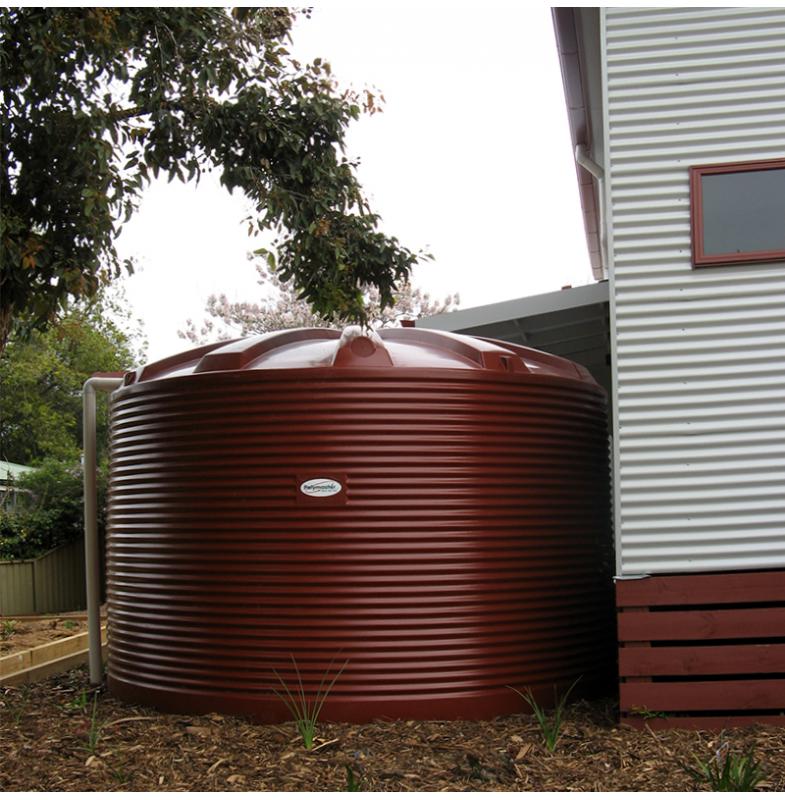
The Ultimate Guide to Choosing the Right Rainwater Tank in Australia
Tank solutions suited to PFAS contaminated ground remediation