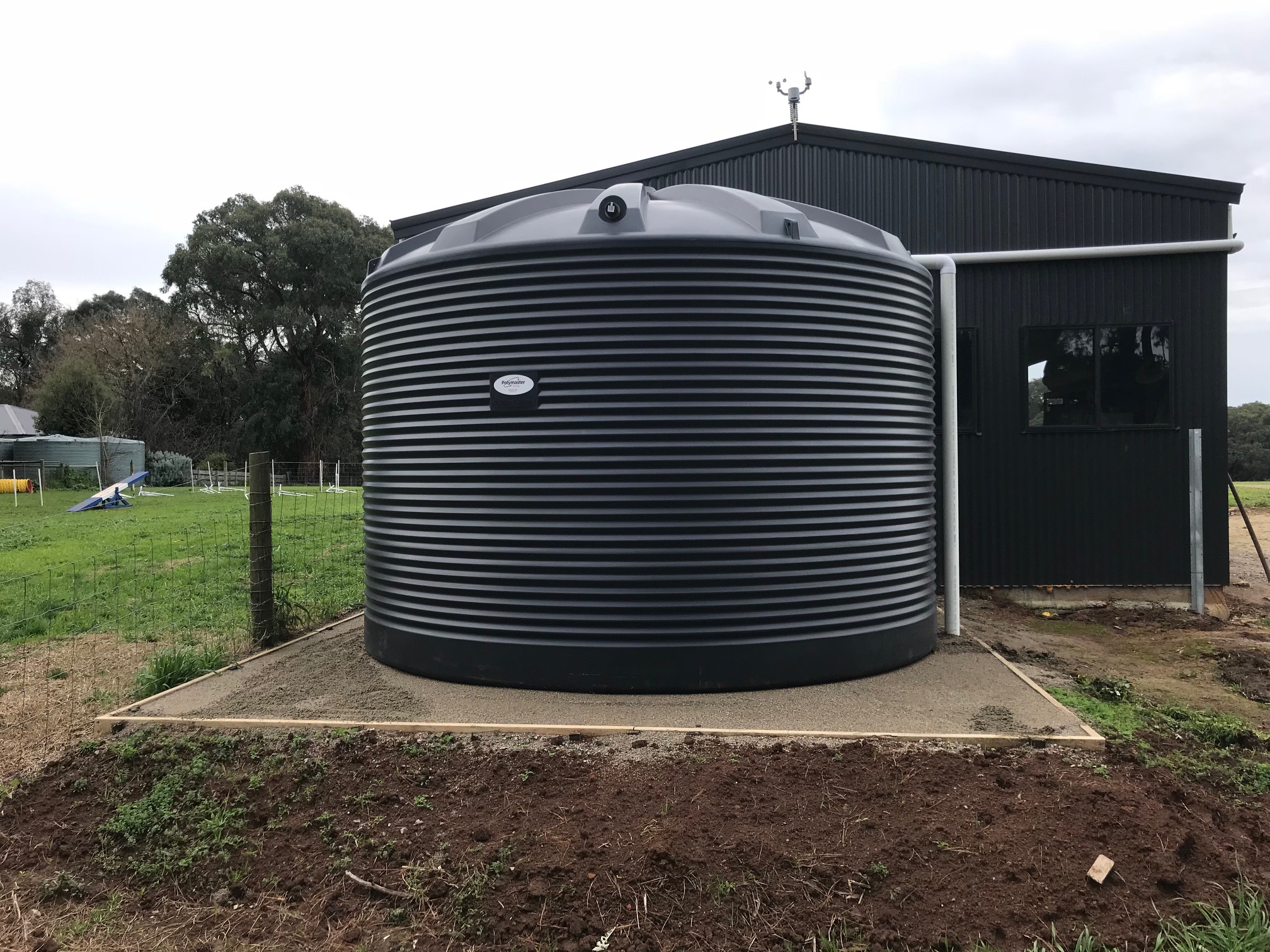

A 20,000 litre water tank can typically last around two to three months for an average Australian household, depending on household size, water habits, appliances, irrigation needs, and climate. For farms or rural properties, where water is used for livestock or crop irrigation, 20,000 litres may last only a few weeks.
A Polymaster water tank provides durable, food-grade storage built for Australian conditions. Ideal for homes, gardens, and agricultural properties requiring dependable 20KL water storage.
What Are the Average Household Water Use Estimates in Australia?
The average water consumption in Australia is 160–200 litres per person per day. For a four-person household, this equals roughly 640–800 litres daily. At that rate, a 20,000L tank supply would last about 25–31 days before running dry.
Homes that conserve water through efficient fixtures and rainwater collection systems can stretch this supply further, often up to two months or more. For those using tank water to supplement mains supply, 20,000 litres provides a valuable reserve during dry periods or water restrictions.
Factors That Affect Water Use
- Household size and occupancy: The more people in a home, the faster water is consumed.
- Appliances and water habits: Daily showers, laundry, and dishwashing add up, while efficient fittings reduce use.
- Garden and irrigation needs: Large lawns or frequent watering shorten your tank’s lifespan.
- Climate and evaporation: Hot, dry, or windy conditions increase water demand.
Rural and farm users should also consider livestock and crop watering, which increase daily usage. Investing in a Polymaster 20,000 litre poly tank or one of Polymaster’s large capacity water tanks ensures safe, reliable, and sustainable rainwater storage for your property.
Enquire
Keeping an eye on the water line
Another important factor that determines how long 20,000 litres of water will last is how efficiently your rainwater system is managed. Keeping an eye on the water line inside your tank helps you monitor usage patterns and identify how quickly your supply is being consumed. Many homeowners check the visible waterline during dry periods to better understand how long their stored water might last before rainfall replenishes the tank. Using a simple Tank Level Indicator may be useful.
Monitoring the waterline level can also help households adjust their water habits. If the water line begins dropping faster than expected, simple changes like shorter showers, running full laundry loads, or reducing garden irrigation can help stretch your supply further. For properties relying heavily on rainwater tanks, even small adjustments can significantly extend the lifespan of a 20,000 litre reserve.
It’s also worth remembering that rainfall and roof catchment size play a major role in how often your tank refills. When rain enters your guttering and flows into the tank, the water line rises again, effectively resetting your stored supply. With proper catchment and good rainfall, a 20,000 litre tank can refill multiple times throughout the year, helping households maintain a reliable water reserve.
For rural properties and farms, regularly checking the tank water line is particularly useful when water is used for livestock, gardens, or equipment washing. These activities can quickly reduce stored water, so keeping track of the waterline ensures you always know how much supply remains available.
More Similar News
View all News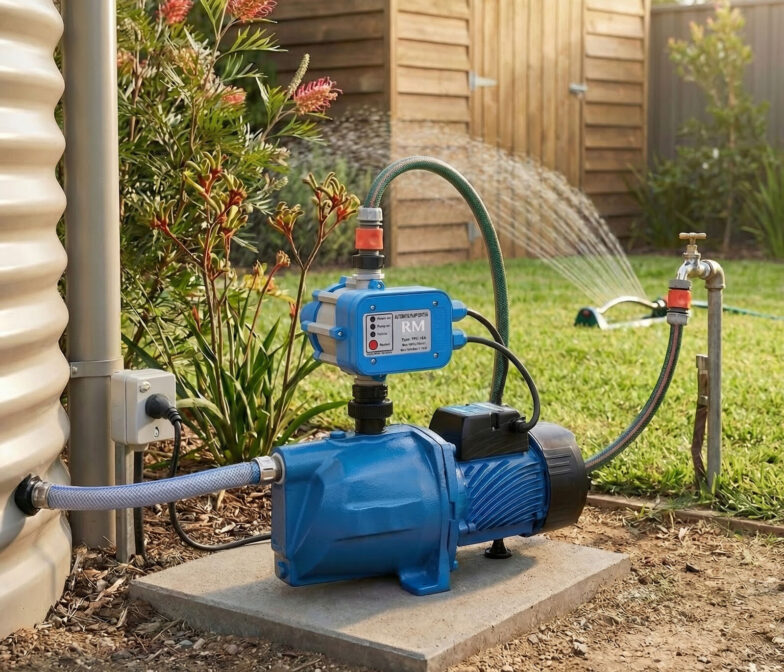
Water Tank Pumps – Best pressure pumps for water tanks
What Are the Benefits of a Water Tank?