
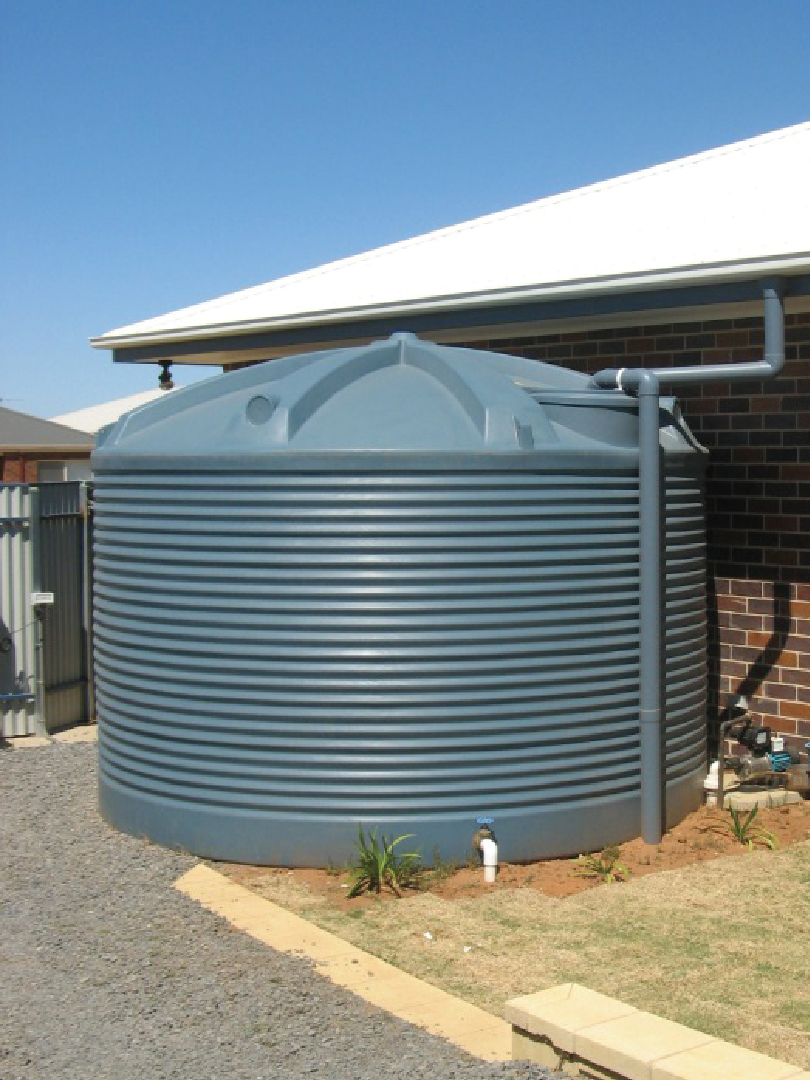
Cleaning a water tank is essential for maintaining water quality, preventing sediment build-up, and ensuring long-term system performance. However, many homeowners and property managers ask the same question:
How do you clean a water tank without removing the water?
Draining a tank completely isn’t always practical, especially during dry periods, water restrictions, or when the stored water is needed for household, agricultural, or fire-fighting use.
The good news is that it is possible to clean a water tank without fully emptying it. This guide explains when it’s appropriate, how to do it safely, and the best practices for maintaining water quality in Australian conditions.
When Can You Clean a Water Tank Without Draining It?
Cleaning without removing water is suitable when:
-
Sediment levels are moderate
-
Water quality is still usable
-
The tank is structurally sound
-
There is no major contamination
If water appears heavily discoloured, has a strong odour, or is contaminated by animals or chemicals, a full drain and clean may be necessary.
For routine maintenance and light sediment removal, partial cleaning methods are often sufficient.
Why Water Tanks Build Up Sediment
Even well-maintained rainwater systems accumulate some debris over time.
Common causes include:
-
Dust from roof surfaces
-
Leaf particles and organic matter
-
Pollen and airborne debris
-
Small amounts of soil or sediment
-
Insects entering through inlets
Over time, this material settles at the bottom of the tank, forming sludge.
Is It Safe to Clean a Water Tank With Water Inside?
Yes, when done correctly.
In fact, many professional tank maintenance services use methods that remove sediment while keeping most of the stored water intact.
Cleaning without draining works by:
-
Removing sediment from the base
-
Minimising disturbance to clean water
-
Preserving usable stored water
This is especially valuable during drought or water restrictions.
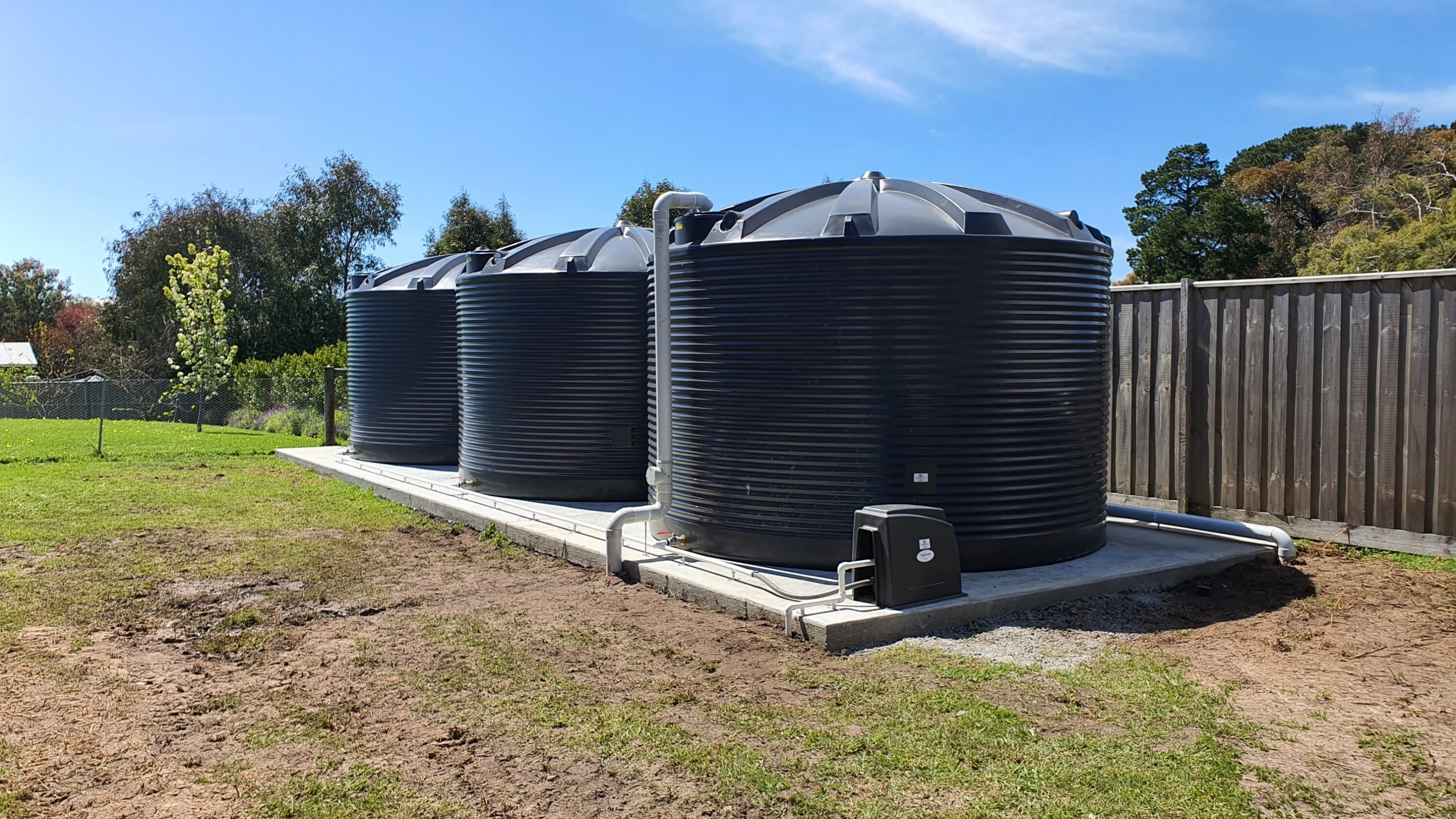
Step-by-Step: How to Clean Water Tank Without Removing Water
Step 1: Turn Off the Pump
Before beginning:
-
Turn off power to the pump
-
Close any inlet valves if necessary
-
Prevent water from circulating during cleaning
This helps avoid stirring up sediment unnecessarily.
Step 2: Inspect the Tank Interior
If your tank has an inspection hatch:
-
Carefully open it
-
Use a torch to assess sediment levels
-
Check for insects, debris, or algae
Do not enter the tank, confined space entry can be dangerous and should only be performed by trained professionals.
Step 3: Use a Submersible Sludge Pump or Wet Vacuum
To remove sediment without draining the tank:
-
Lower a sludge pump or wet vacuum hose to the bottom
-
Gently remove accumulated sediment
-
Avoid stirring up the entire water column
Professional tank cleaners often use specialised suction equipment designed to remove sludge while keeping clean water intact.
Step 4: Clean Internal Surfaces (If Accessible)
If reachable without entering:
-
Wipe down accessible surfaces
-
Remove visible debris from inlet screens
-
Clean strainers or mesh filters
Avoid using harsh chemicals inside the tank.
Step 5: Allow Sediment to Resettle
After cleaning:
-
Allow remaining sediment to settle
-
Wait several hours before restarting the pump
-
Flush initial water through an outdoor tap if needed
This ensures cleaner water flows back into the system.
Preventing Sediment Build-Up in the First Place
The easiest way to clean a water tank without draining it is to reduce how often cleaning is required.
Preventative measures include:
-
Installing leaf guards on gutters
-
Using inlet screens
-
Adding a first-flush diverter
-
Keeping roof surfaces clean
-
Regularly checking tank lids
These simple steps significantly reduce debris entering the tank.
How Often Should You Clean a Water Tank?
In Australia, most tanks should be inspected annually and cleaned every:
-
2–3 years (residential use)
-
More frequently in high-dust or rural environments
Cleaning frequency depends on:
-
Roof type
-
Surrounding trees
-
Rainfall patterns
-
Usage volume
Regular inspection prevents heavy sediment build-up that requires full draining.
Can You Use Chemicals to Clean a Tank With Water Inside?
Chemical treatment should be approached cautiously.
Mild sanitising treatments (when appropriate) may be used in small quantities, but:
-
Always follow manufacturer guidelines
-
Avoid strong bleach concentrations
-
Ensure potable water safety
If in doubt, consult a professional before adding chemicals to stored drinking water.
Signs Your Tank Needs Cleaning
Watch for:
-
Discoloured water
-
Muddy taste
-
Sediment visible in glasses
-
Reduced pump performance
-
Algae growth
Addressing these early allows cleaning without full drainage.
When You Should Fully Drain the Tank
In some cases, a complete drain and clean is necessary:
-
Animal contamination
-
Chemical exposure
-
Heavy sludge build-up
-
Strong odour
-
Significant algae growth
If contamination is severe, professional cleaning is recommended.
The Role of Tank Quality in Cleanliness
Tank design plays a major role in how easily sediment accumulates.
High-quality tanks typically feature:
-
Smooth internal walls
-
Properly sealed lids
-
UV-stabilised materials
-
Well-designed inlets and outlets
At Polymaster, tanks are engineered for Australian conditions, helping reduce long-term maintenance challenges when properly installed and maintained.
Cleaning Large Rural or Agricultural Tanks
For larger tanks:
-
Professional cleaning services may be more practical
-
Specialised suction systems can remove sludge efficiently
-
Large-capacity pumps may be required
Attempting DIY cleaning on very large tanks may not be effective without appropriate equipment.
Safety Considerations
Never:
-
Enter a tank without confined-space training
-
Mix strong chemicals without guidance
-
Climb onto unstable tank surfaces
Water tanks can present serious safety risks if not handled correctly.
Maintaining Drinking Water Quality
If your tank supplies drinking water:
-
Regularly inspect inlet screens
-
Keep gutters clean
-
Maintain filtration systems
-
Replace filters as recommended
Water safety depends on ongoing maintenance, not just occasional cleaning.
Long-Term Water Tank Maintenance Plan
A simple maintenance schedule can include:
Every 3–6 months:
-
Check gutters and roof
-
Inspect inlet screens
Annually:
-
Inspect tank interior
-
Check pump performance
Every 2–3 years:
-
Remove sediment buildup
-
Professional clean if required
This approach minimises the need for full tank drainage.
Final Thoughts
Cleaning a water tank without removing water is not only possible, it’s often the most practical solution for routine maintenance. By removing sediment carefully and using proper equipment, you can preserve valuable stored water while maintaining quality and system performance.
Regular inspections, preventative measures, and choosing a well-designed tank reduce cleaning frequency and improve long-term reliability.
With proper care, your rainwater tank can continue delivering clean, dependable water for many years, without the need for unnecessary drainage.
More Similar News
View all News
Are Water Tanks Compulsory in Queensland?
What Are Rainwater Tanks Made Of?