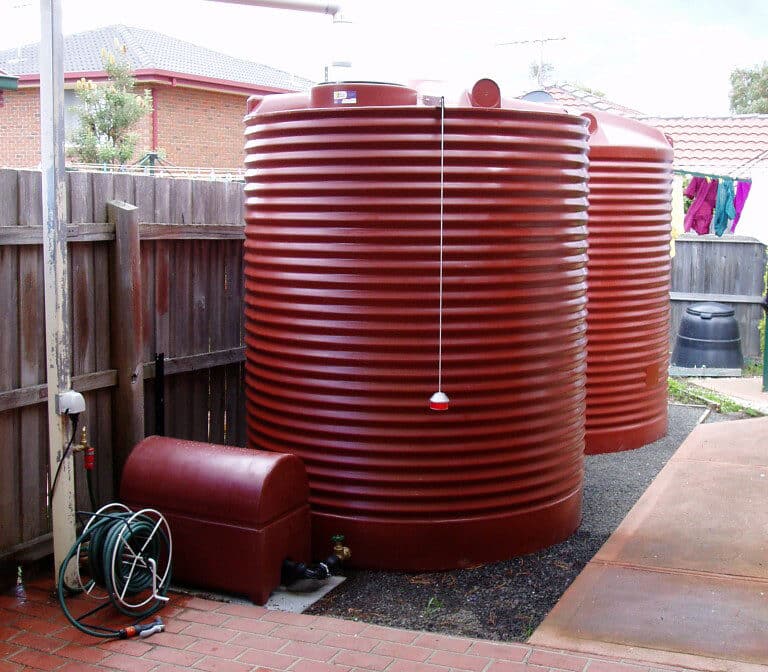
There is nothing quite like the peace of mind that comes with a full rainwater tank. Whether you’re using it to keep your garden lush, wash the car, or supply your entire home, rainwater is a precious resource.
But there’s one question every tank owner eventually asks: “How much water is actually left in there?”
Never Run Dry Again: A Guide to Choosing the Right Rainwater Tank Gauge
Leaning a ladder against the tank to peek through the manhole is inconvenient—and often inaccurate. That’s where a water tank level indicator (or gauge) comes in. At Polymaster, we offer a range of solutions to suit every setup, from simple mechanical floats to high-tech wireless monitors.
Here is everything you need to know about choosing the right gauge for your tank.
Why Install a Tank Gauge?
A gauge is more than just a convenience; it’s a vital tool for water management:
-
Prevent Pump Damage: Running a pump when a tank is empty can cause it to burn out or “run dry.“
-
Budget Your Water: If you know you’re running low, you can prioritize essential use and hold off on heavy watering until the next rain.
-
Leak Detection: If your level drops significantly overnight without any usage, it’s a clear sign you might have a hidden leak.
The Best Solutions for Your Tank
Depending on your budget and where your tank is located, one of these three popular Polymaster indicators will likely be your best fit:
1. The “Dipstick” Indicator (The Visual Classic)
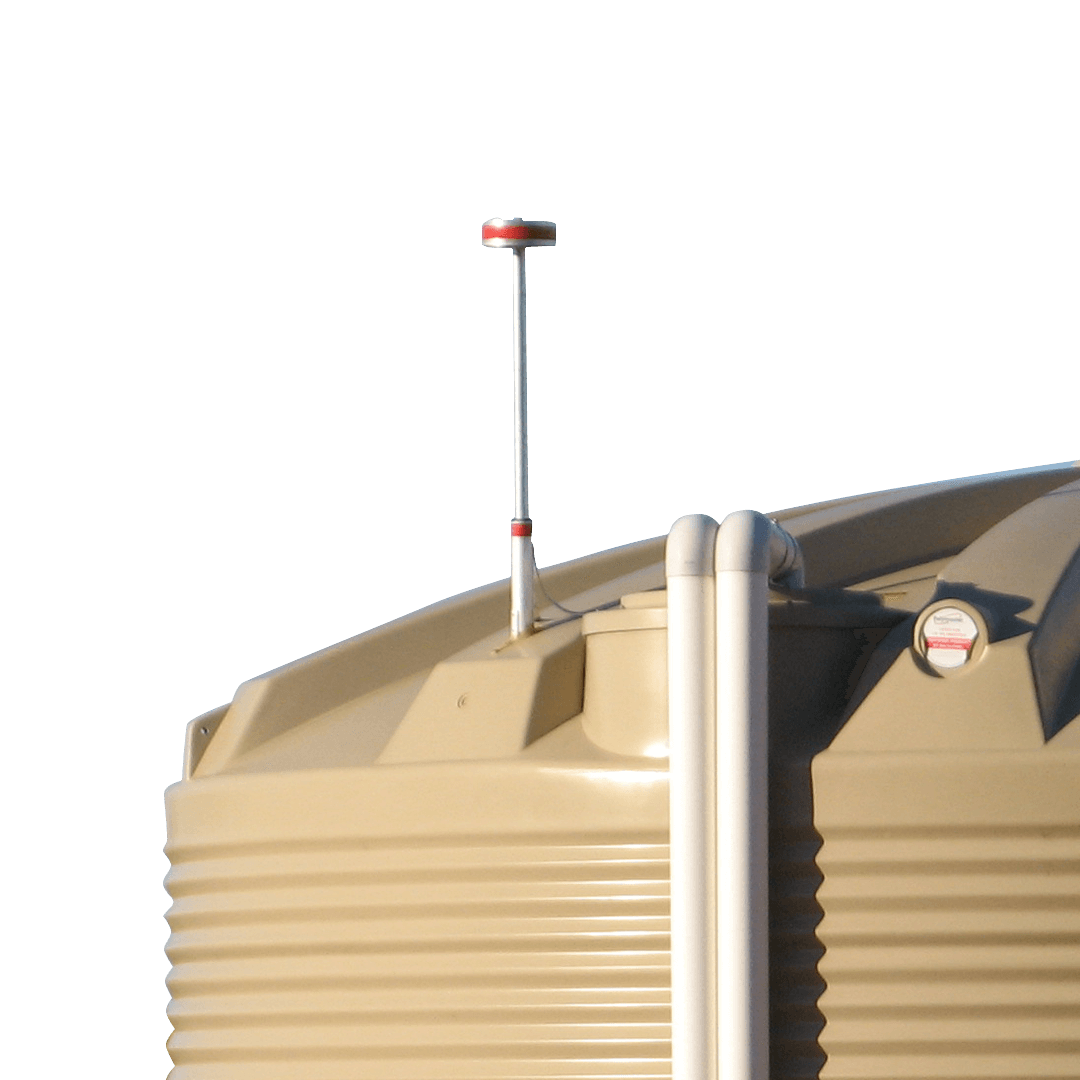
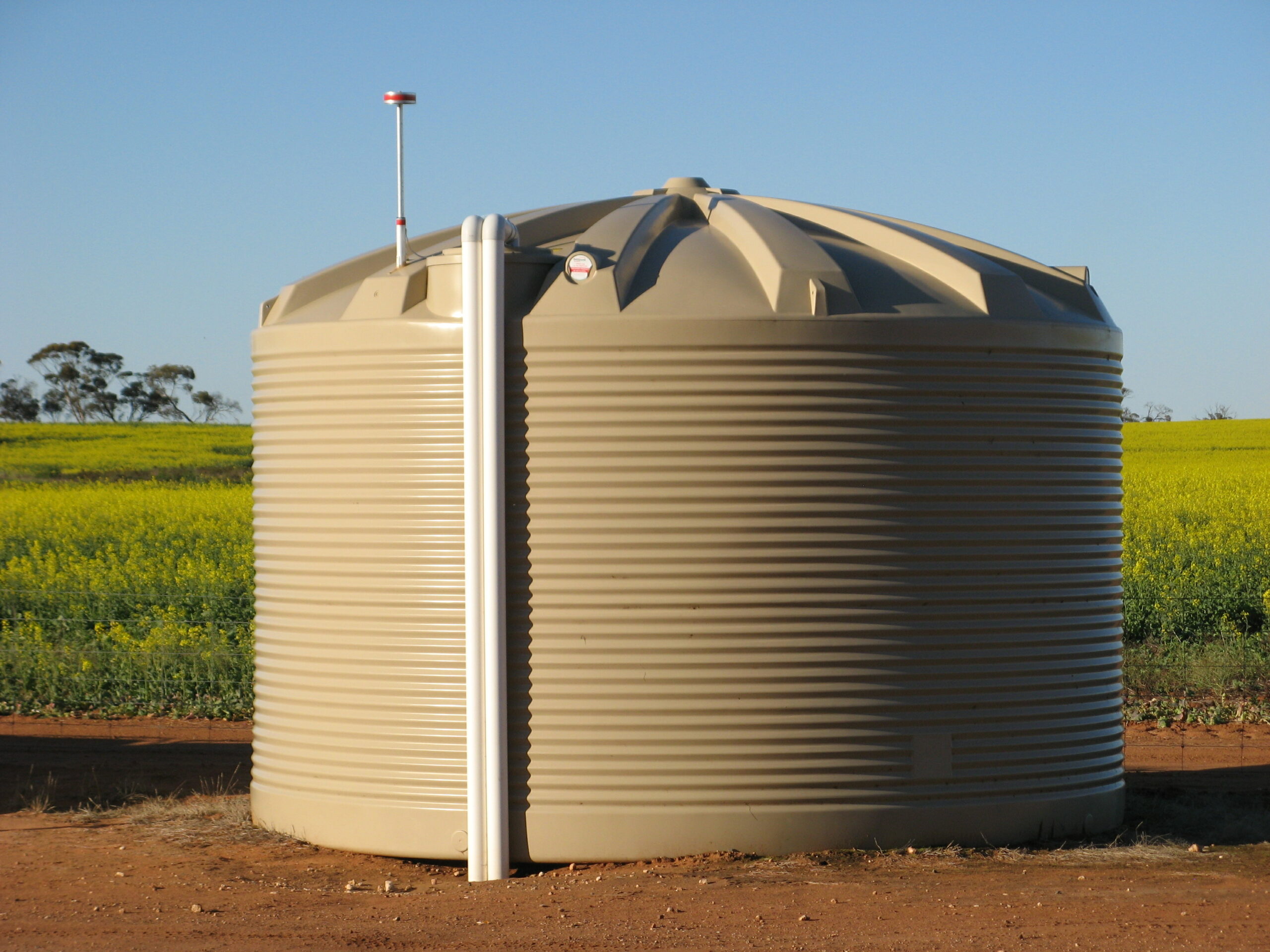
The Dipstick Indicator is a favorite for rural properties and “cup and saucer” trough tanks.
-
How it works: A floating pole sits inside the tank. As the water rises, a bright orange ball protrudes above the tank roof.
-
Best for: Large properties where you want to see the water level from a distance (up to 360° visibility) without leaving the house or tractor.
-
Bonus: It’s insect-proof and stock-proof, meaning birds can’t perch on it and cattle can’t reach it.
2. The “Levetator” (The Precision Gauge)
The Levetator uses a clever pulley and counterweight system.
-
How it works: A float inside the tank is connected to an external weighted indicator that slides up and down the outside wall.
-
True Reading: Unlike some gauges that work in reverse, the Levetator shows you exactly what you have. If the indicator is at the bottom, the water is at the bottom.
-
Best for: Homeowners who want a quick, reliable visual on the side of the tank. It features reflective tape, making it easy to read even at night with a torch.
3. Wireless Digital Monitors (The High-Tech Choice)
If your tank is tucked away behind a shed or located far from the house, a Wireless Level Indicator is the way to go.
-
How it works: A sensor (often ultrasonic) sits at the top of the tank and sends a signal to a display screen inside your kitchen or laundry.
-
Best for: Convenience-seekers. You can check your water levels while making your morning coffee without stepping outside.
How to Choose?
When selecting your gauge, ask yourself these three questions:
-
Line of Sight: Can you see the tank clearly from your window? If yes, a Dipstick or Levetator is perfect. If no, go Wireless.
-
Power: Do you want a “set and forget” system? Mechanical gauges like the Levetator require no batteries or power—they work 24/7 using physics.
-
Accuracy: Do you need to know the exact percentage, or just a general “half-full” idea? Digital monitors provide precise percentages, while mechanical gauges give a visual “at-a-glance” height.
Ready to Upgrade Your Tank?
Managing your water shouldn’t be a guessing game. By installing a reliable gauge, you’re taking the first step toward smarter water conservation.
Explore the full range of Polymaster Water Level Indicators here and find the perfect match for your tank today.
More Similar News
View all News
Choosing the Right Water Tank for Your Property: A Comprehensive Guide
Are Water Tanks Compulsory in Victoria?