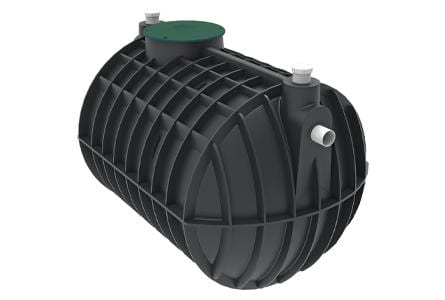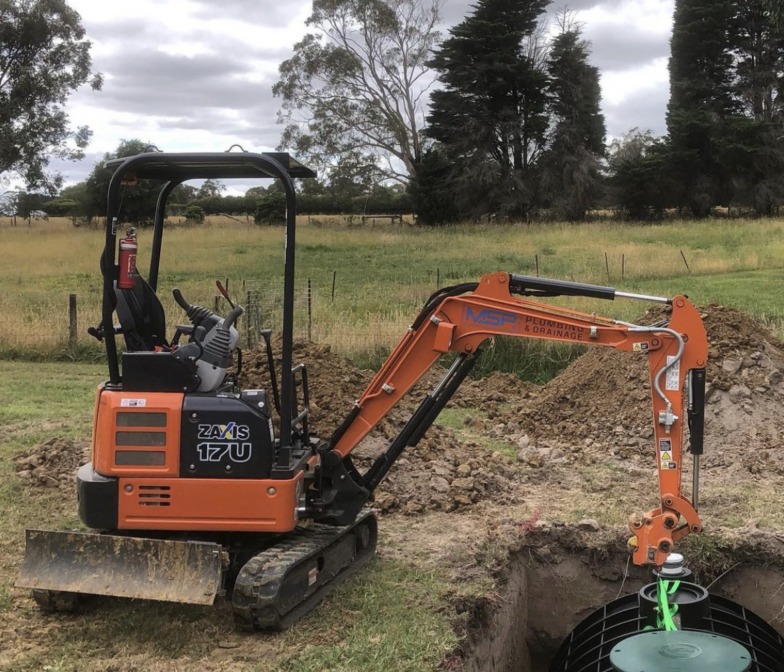
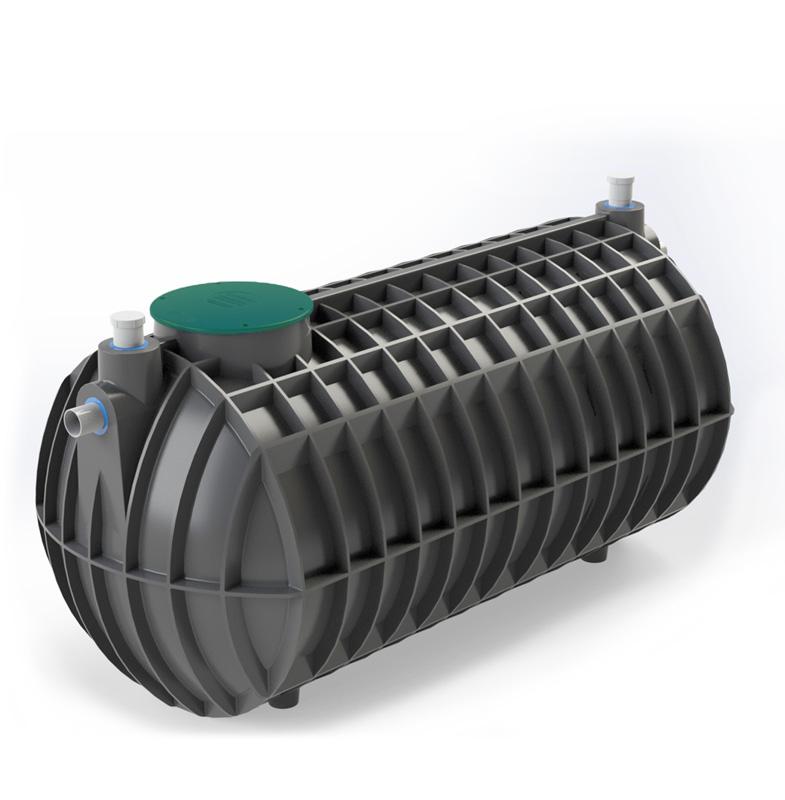
Septic systems are a critical part of wastewater management for many Australian homes, rural properties, and commercial sites not connected to mains sewer lines. In this guide, we’ll cover how septic tanks work, why they’re important, key considerations before buying one, and how quality products like the 3100L Polymaster Septic Tank and 4,550 Litre Polymaster Septic Tank can make a long-lasting, compliant solution for your property.
What Is a Septic Tank?
A septic tank is an underground wastewater treatment system used where properties aren’t connected to local sewer infrastructure. Wastewater from your home, including toilets, showers, laundry and sinks, flows into the tank where solids settle, and natural bacteria begin to break down waste. The clarified liquid (effluent) then flows out for further treatment or soil absorption.
This simple yet effective system provides a reliable, self-contained way to manage on-site wastewater.
How Septic Tanks Work
-
Wastewater enters the tank from the house.
-
Solids settle to the bottom (forming sludge), and fats/grease rise to the top (scum).
-
Bacteria break down organic waste, reducing the volume of solids.
-
Liquid effluent exits the tank and is dispersed underground, where the soil naturally filters and treats it.
Proper septic tank performance depends on correct sizing, installation, and regular maintenance.
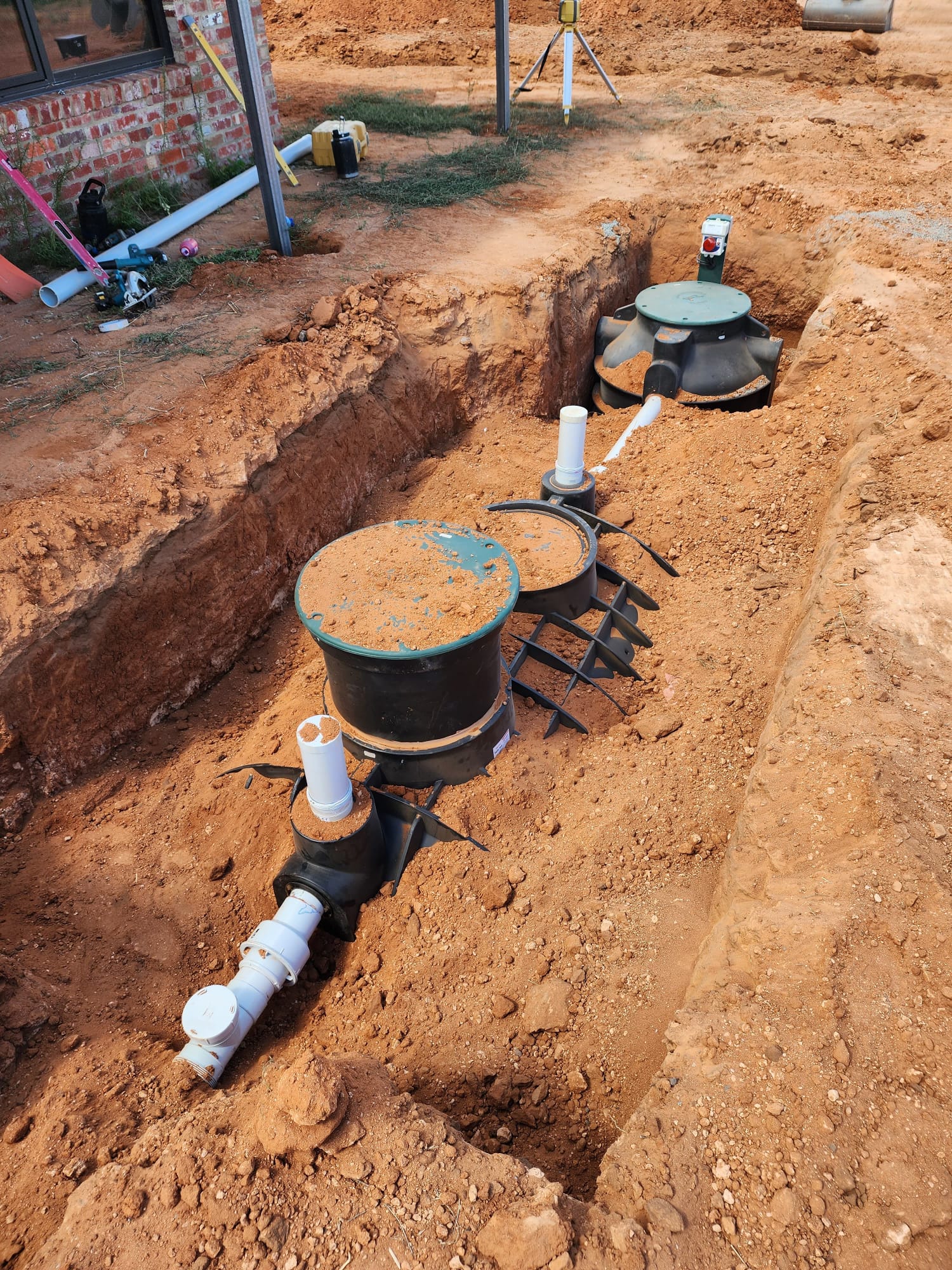
Choosing the Right Septic Tank for Your Property
1. Tank Size Matters
The capacity of your septic tank should match your household size and wastewater volume. For example, larger homes (4-6 bedrooms) typically require tanks of 4,500 L or more to operate efficiently, while smaller households may use tanks from 3,000 L upwards.
That’s where options like the 3,100 L and 4,550 L Polymaster tanks come in, giving you flexibility based on your needs.
Why Choose Polymaster Septic Tanks
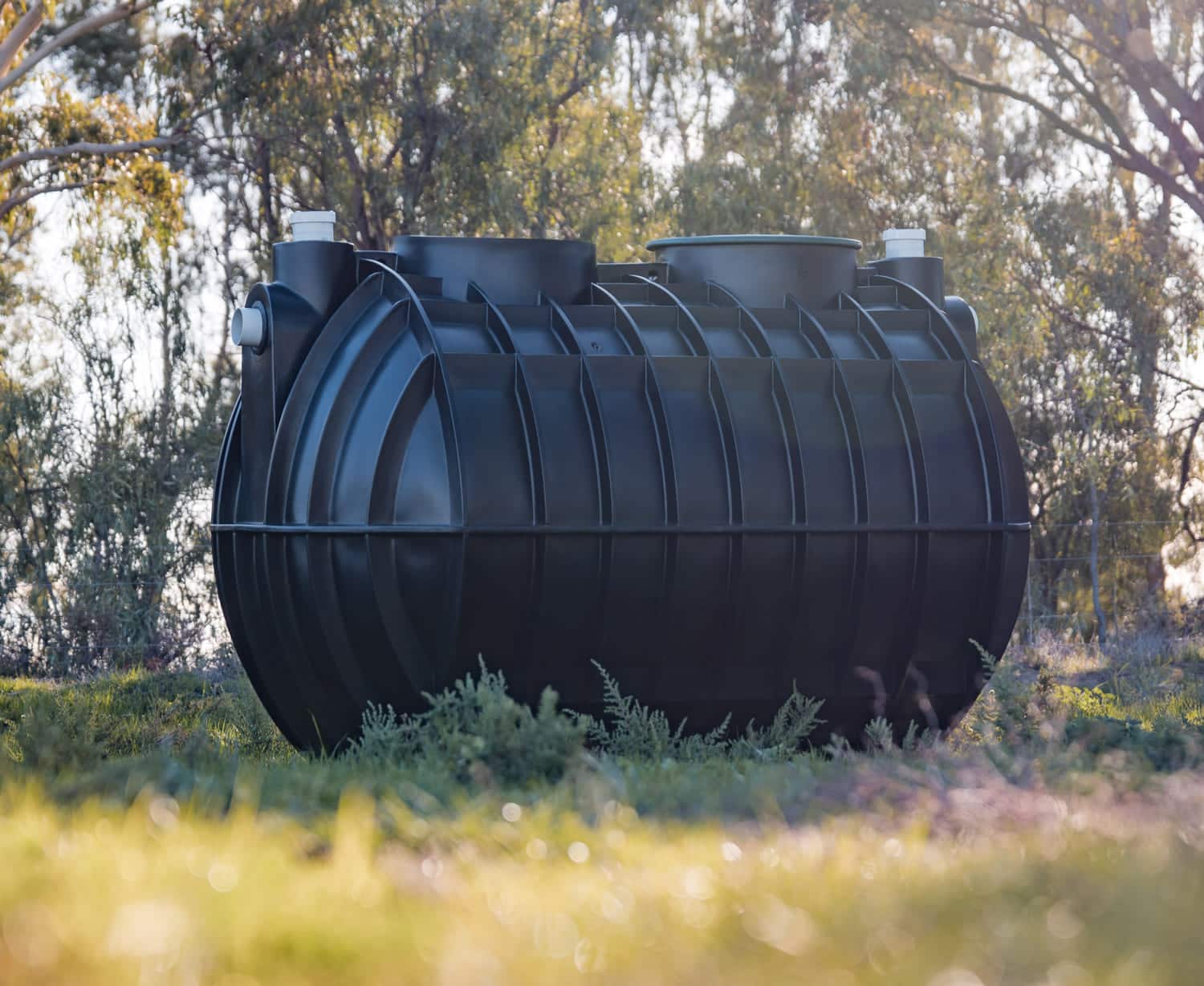
Polymaster septic tanks are designed specifically for Australian conditions. They’re built tough, certified to AS/NZS standards, and engineered for easy installation:
Key Benefits
-
Australian-made & AS/NZS certified – ensures compliance and performance.
-
Lightweight, one-piece construction with lifting lugs – easier handling on site.
-
Low profile design – reduces excavation depth and installation time.
-
Self-anchoring – no need for concrete around the tank, saving installation costs.
-
Long design life with tamper-resistant features for safety once buried.
These features help reduce installation challenges and costs, especially in rural or difficult terrain.
Australian Septic Regulations & Councils
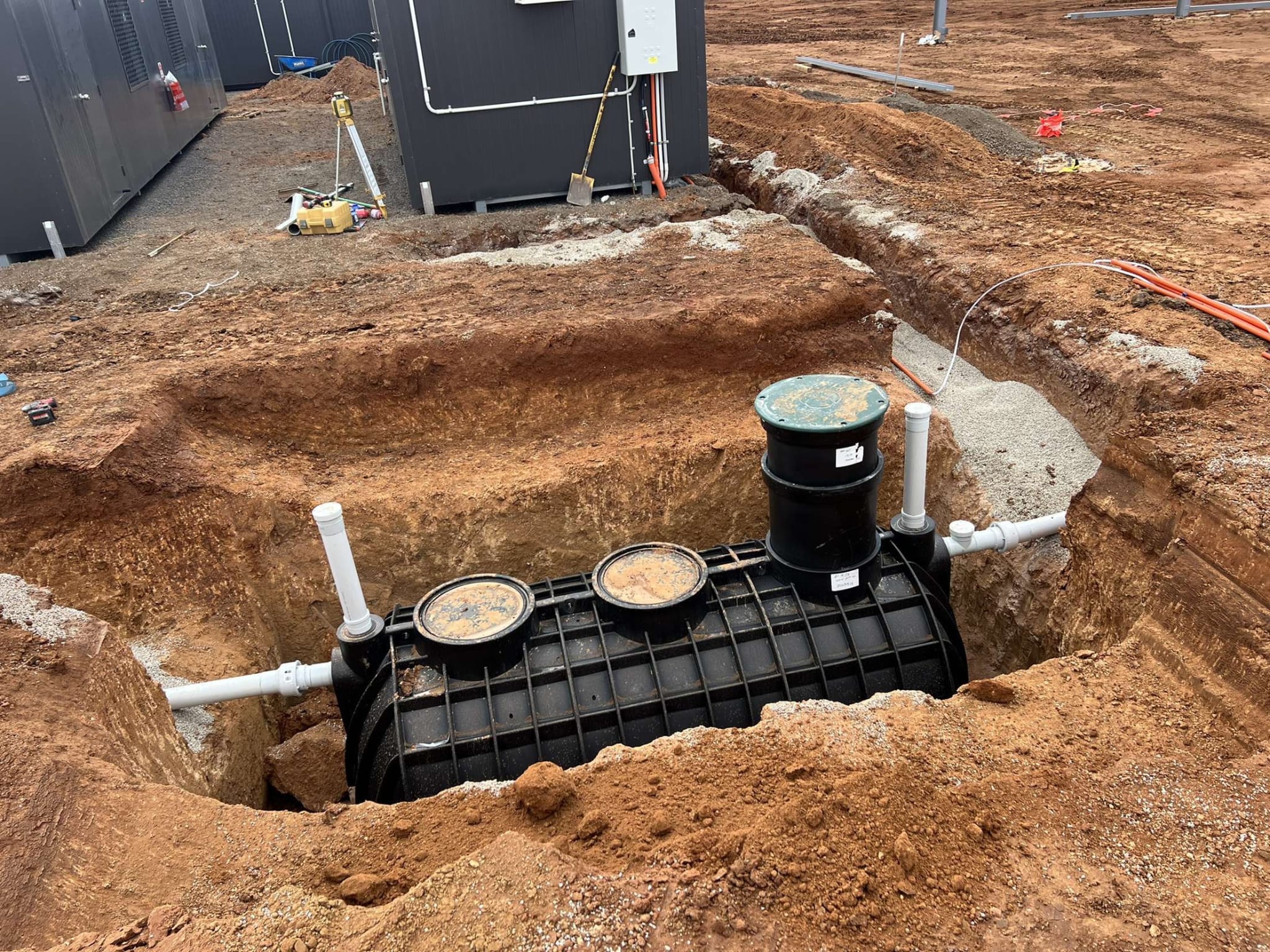
Installing a septic tank in Australia isn’t a DIY project; it must be done by a licensed professional and approved by your local council to ensure it meets health and environmental standards.
Regulations vary by state:
-
Victoria requires land capability assessments and permits under EPA guidelines.
-
NSW mandates system registration, risk classification, and regular inspections.
Always check your local council’s requirements before purchasing and installing a system.
Tips for Maintaining Your Septic Tank
Maintaining your septic system helps it work efficiently and extends its life:
-
Regular inspections at least annually is recommended.
-
Pump out solids every 3-5 years (more often with larger households).
-
Avoid flushing grease, non-biodegradable items and harsh chemicals that harm beneficial bacteria.
-
Use septic-safe products to protect system efficiency.
Good maintenance prevents blockages, odours, and costly repairs over time.
Conclusion
A properly selected and installed septic tank is essential for off-grid wastewater treatment in Australia. Choosing a quality product like the 3100 L and 4550 L Polymaster septic tanks means you’re investing in a reliable, compliant solution built for local conditions.
Ready to choose the right septic tank for your property? Explore our full range and talk to the experts to find the best match for your household.