In the demanding landscapes of Australian agriculture, construction, and transport, fuel is the lifeblood of operations. Whether you are running a fleet of harvesters, managing a remote civil contracting site, or simply ensuring your backup generators are ready for an emergency, the way you store and handle your fuel is critical. A high-quality fuel tank is not just a container; it is a vital piece of equipment that ensures fuel purity, operational safety, and regulatory compliance.
The Ultimate Guide to Diesel Fuel Tanks: Everything You Need to Know for Storage and Transport
At Polymaster, we have spent over two decades perfecting the art of diesel storage. In this comprehensive guide, we will explore the different types of fuel tanks available, the benefits of polyethylene construction, and how to choose the right solution for your specific needs.
1. Why Choosing the Right Fuel Tank Matters
Selecting a fuel tank involves more than just picking a size. It requires an understanding of Australian Standards, environmental risks, and the logistical needs of your business. Poorly stored diesel can lead to:
-
Fuel Contamination: Water ingress and microbial growth (the “diesel bug”) can ruin engines.
-
Regulatory Fines: Failure to comply with AS1940 can result in heavy penalties.
-
Safety Hazards: Leaks and spills pose fire risks and environmental damage.
-
Operational Downtime: Inefficient refuelling setups waste time and money.
Investing in a certified, purpose-built diesel tank ensures that your fuel remains clean and your site stays safe.

2. Polyethylene vs. Steel: The Modern Choice
For years, steel was the standard. However, advanced manufacturing and polymer science have made polyethylene (poly) the preferred choice for many Australian industries.
Benefits of Poly Diesel Tanks
-
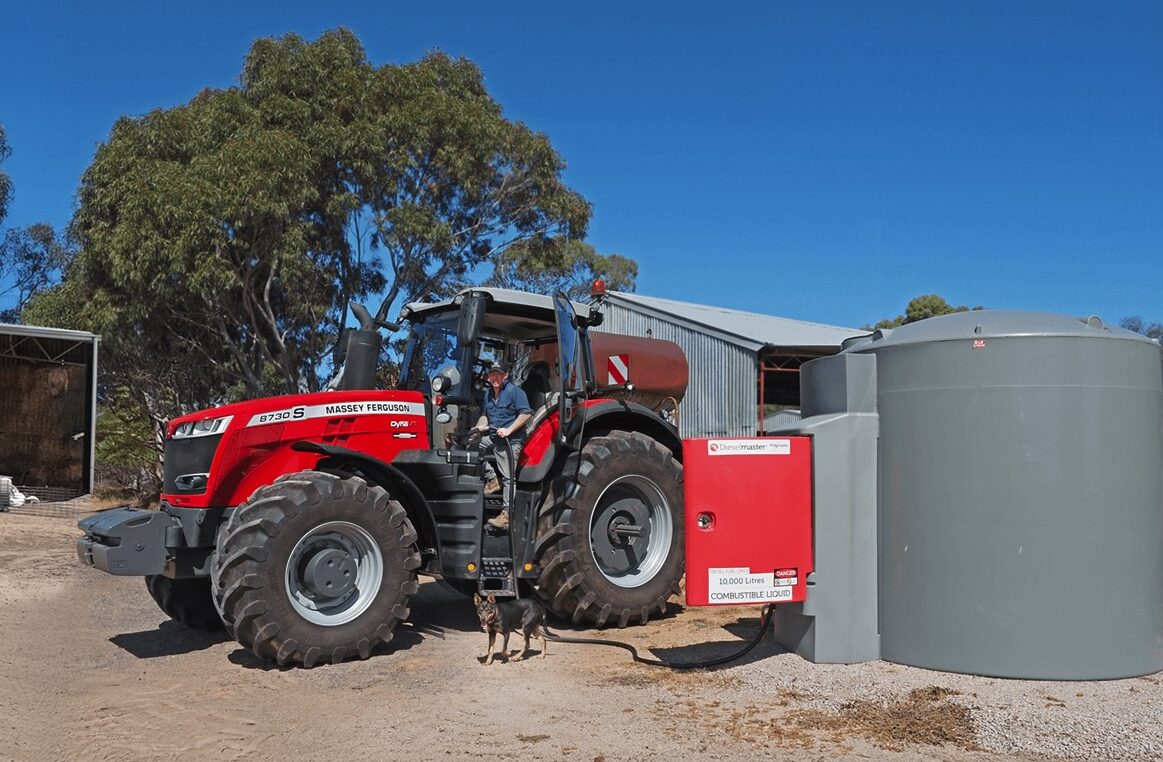
Corrosion Resistance: Unlike steel, poly does not rust. This is crucial for long-term fuel purity, as rust flakes can clog filters and injectors.
-
Lightweight Durability: Poly tanks are significantly lighter than steel counterparts, making them easier to transport and install without heavy machinery.
-
UV Stabilisation: Polymaster tanks are built with UV-stabilised, diesel-grade polyethylene designed to withstand the harsh Australian sun.
-
Cost-Effectiveness: Generally, poly tanks offer a lower total cost of ownership when considering maintenance and lifespan.
-
Impact Resistance: High-grade poly can absorb impacts that would dent or crack a steel tank.
3. Bulk Diesel Storage Tanks: Powering Large-Scale Operations
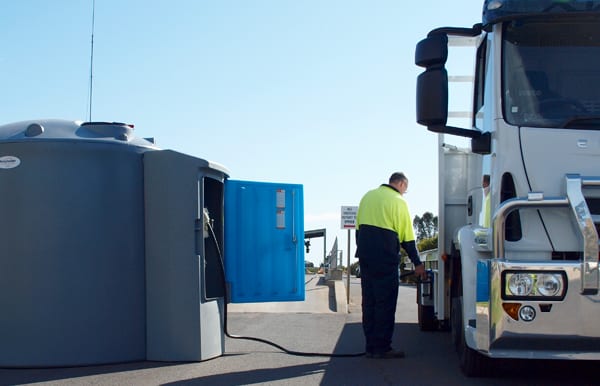
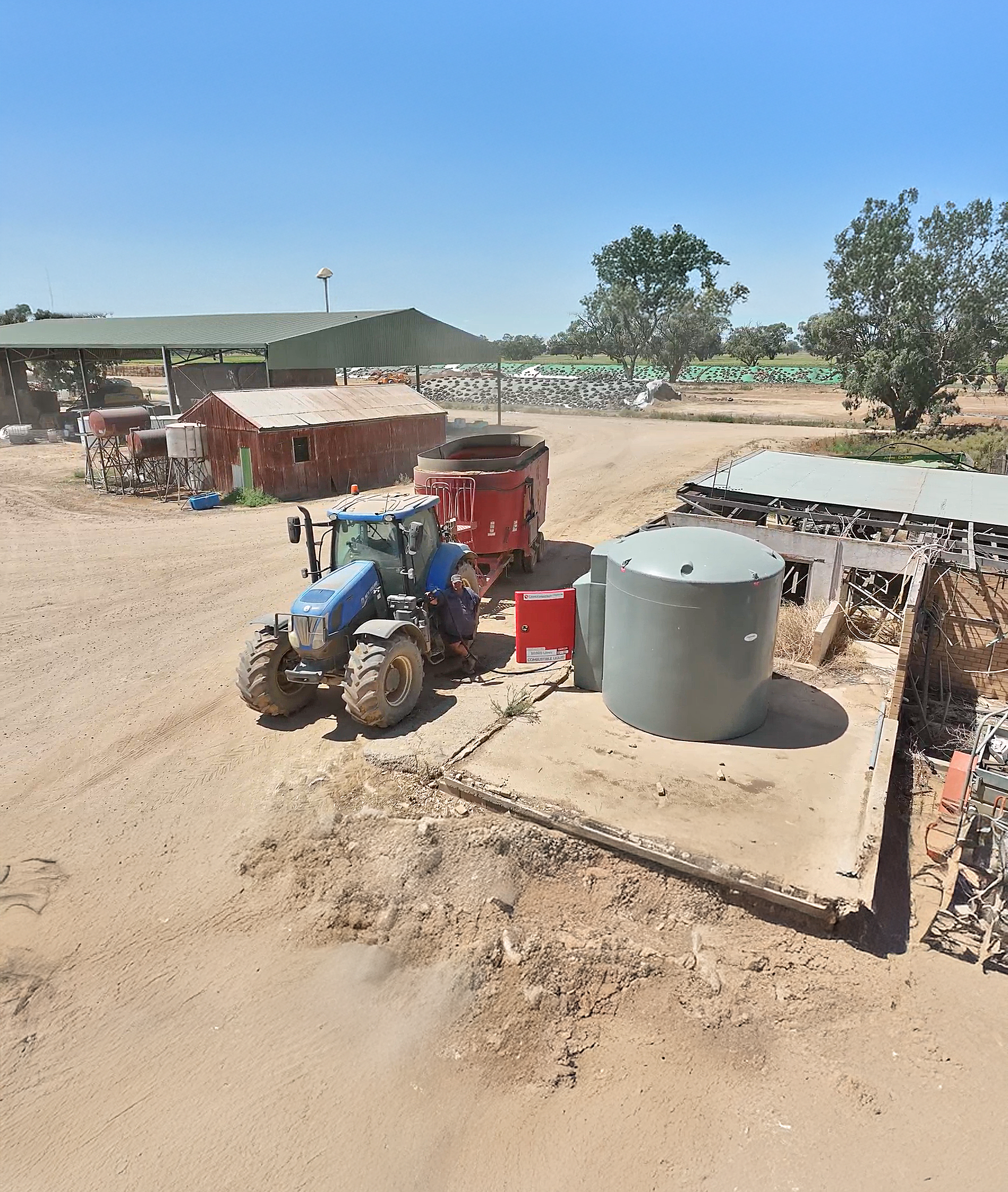
For farms and industrial sites, diesel bulk storage tanks are the gold standard. These tanks allow you to buy fuel in bulk, saving money on per-litre costs and ensuring you always have a reserve.
Single-Walled vs. Self-Bunded (Double-Walled)
When looking at bulk storage, you will encounter two main types:
-
Single-Walled Tanks: These require a separate concrete or earth bund (a secondary containment area) to catch any potential spills.
-
Self-Bunded Tanks: Also known as double-walled tanks, these have a “tank within a tank” design. If the internal tank fails, the outer wall contains the fuel. This eliminates the need for expensive civil works to build a bund.
Featured Bulk Solutions
-
5,000L to 10,000L Capacities: Ideal for small to medium fleets and agricultural operations.
-
The Essential Series: Self-bunded range designed for durability and ease of use.
-
The Ranger & Quantum Series: Advanced bulk storage solutions featuring integrated dispensing cabinets and sophisticated fuel management options.
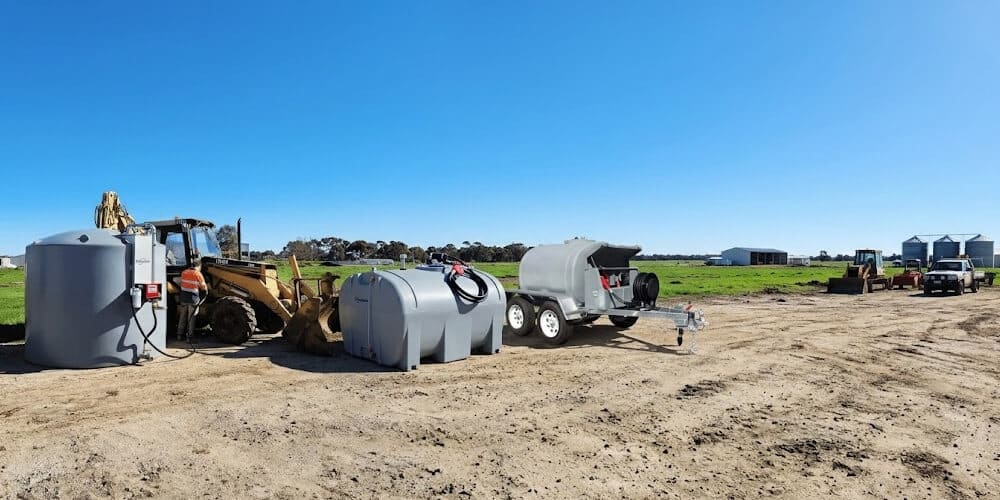
4. Portable Diesel Fuel Tanks: Fuel on the Move
In many industries, the machines don’t come to the fuel; the fuel goes to the machines. This is where portable diesel fuel tanks and pods become indispensable.
The Ute Pack Advantage
Often called “Ute Packs” or “fuel pods” these tanks are designed to fit perfectly in the back of a tray or tub. They are the perfect solution for refuelling excavators, tractors, or skid steers in the field.
-
Size Variety: Available in sizes from 100L to 800L.
-
Compliance: Fully complies with AS2809.2-2008 for the transport of dangerous goods.
-
Integrated Pumps: Most units come with a 12V or 24V Italian-designed Piusi pump for reliable dispensing.
-
Auto-Shutoff Nozzles: Prevent overfilling and messy spills in the field.
Why Use a Dedicated Pod?
Using a purpose-built portable pod is significantly safer than using jerry cans or uncertified containers. It reduces the risk of back injury from lifting and ensures that your vehicle remains compliant with transport regulations.
5. Diesel Transfer Tanks & Units: Large Volume Mobility
When a Ute Pack isn’t enough, but you still need mobility, diesel transfer tanks bridge the gap. These units typically range from 1,200L to 3,000L and are designed for heavy-duty plant and machinery servicing.
Key Features of Transfer Units
-
Heavy-Duty Baffles: These reduce “fuel slosh” during transport, improving vehicle stability.
-
Forklift Channels: Integrated points for easy loading and unloading from trucks.
-
High-Flow Pumps: Designed to fill large tanks quickly, reducing downtime for your heavy equipment.
6. Diesel Trailers: The Ultimate in Remote Refuelling
For large-scale projects like road construction or vast agricultural properties, diesel trailers offer the highest level of flexibility. Instead of tying up a truck tray, a trailer can be towed by any suitably rated vehicle and left on-site as a mobile refuelling station.
Why Choose a Diesel Trailer?
-
Dual Axle Stability: Our 1,200L and 2,000L trailers are built for the rugged terrain of the Australian outback.
-
On-Road Ready: Fully equipped with brakes, lights, and registration-ready components.
-
Self-Contained: Includes the tank, pump, hose, and battery, providing a complete “turn-key” solution.
7. Diesel Kits and Pumps: Upgrading Your Setup
A fuel tank is only as good as its dispensing system. Whether you are building a custom setup or replacing an old pump, choosing the right diesel kits and pumps is vital.
Components of a High-Performance Kit
-
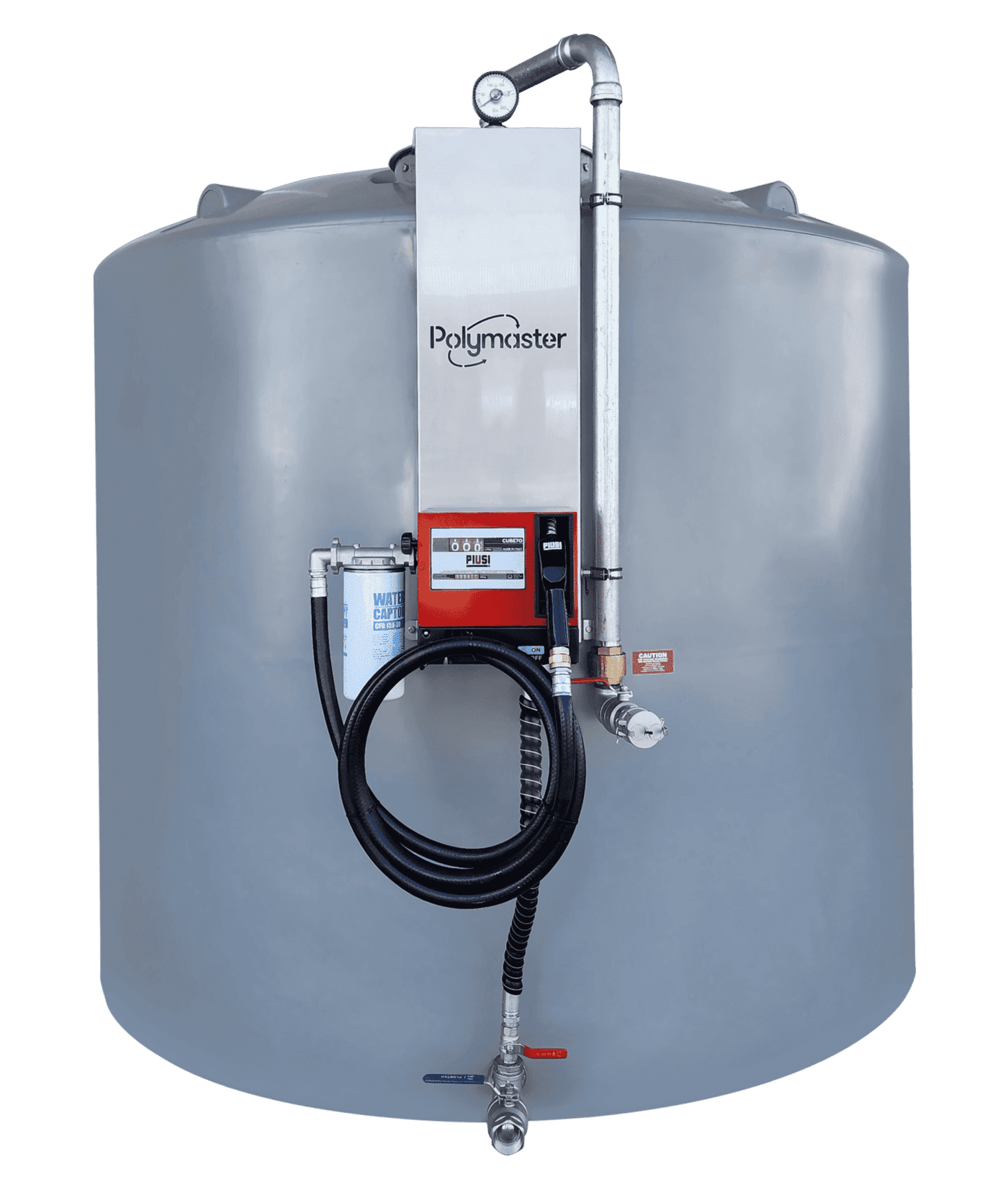
The Pump: Options include 12V (battery-powered), 24V (truck systems), or 240V (mains power for bulk tanks).
-
Flow Meters: Essential for tracking fuel usage and preventing theft or waste.
-
Filtration: Water-capturing filters ensure that only pure diesel reaches your engine.
-
Hose Reels: Keep your site tidy and prevent hose damage from being run over or tripped on.
8. Compliance and Safety Standards
In Australia, storing diesel is governed by strict regulations. When you buy a fuel tank, you must ensure it meets the following:
-
AS1940: The Australian Standard for the storage and handling of flammable and combustible liquids.
-
AS/NZS 4766: The standard for polyethylene storage tanks for water and chemicals.
-
ISO 9001: Look for manufacturers with this quality management certification.
At Polymaster, our tanks are not just “compliant” – they are engineered to exceed these standards, giving you peace of mind that your investment is safe and legal.
9. Frequently Asked Questions (FAQ)
Can diesel be stored in a poly tank?
Yes. However, it must be a diesel-grade poly tank. Standard water tanks are not designed to handle the chemical properties of diesel. Polymaster tanks use a specific resin that is resistant to hydrocarbons.
How long does diesel last in a tank?
Under ideal conditions, diesel can stay stable for 6 to 12 months. To extend this, keep the tank full to reduce condensation (water) and use fuel stabilisers if the fuel will sit for longer periods.
What maintenance is required for a fuel tank?
-
Inspect for leaks: Check the bund and fittings regularly.
-
Check for water: Use water-finding paste or check the filters.
-
Clean the breathers: Ensure the tank can “breathe” to prevent pressure buildup.
-
Test the pump: Run the pump periodically if it isn’t used daily.
10. Conclusion: Investing in Quality
Whether you need a small pod for your ute or a 10,000L bulk storage system, the quality of your diesel fuel tank directly impacts your bottom line. Cheap, uncertified tanks may save money upfront, but the cost of a single engine failure or a major fuel spill far outweighs the initial savings.
Polymaster is proud to be a leader in Australian diesel storage. Our products are built to last 25+ years, backed by local support and a deep understanding of the industries we serve.
Ready to upgrade your fuel storage?
-
Explore our full diesel range
-
Get a tank quote online
-
Call our expert team on 1800 062 064
Polymaster: Trusted by Australian farmers, miners, and contractors for over two decades
More Similar News
View all News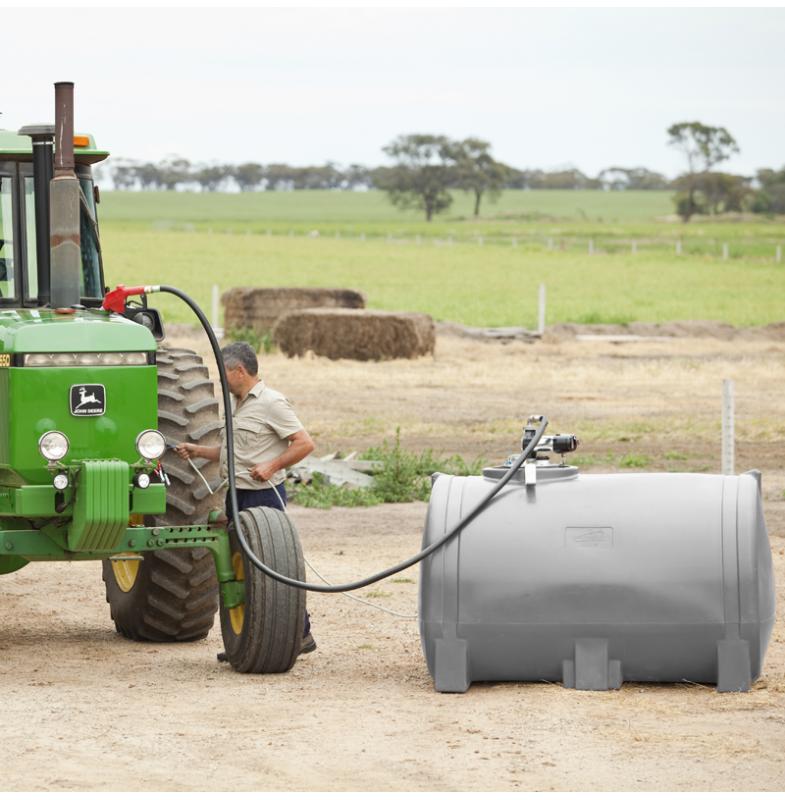
Can You Store Diesel in a Polyethylene Tank?
How do I service and protect my Diesel and AdBlue® Bunded Tank?