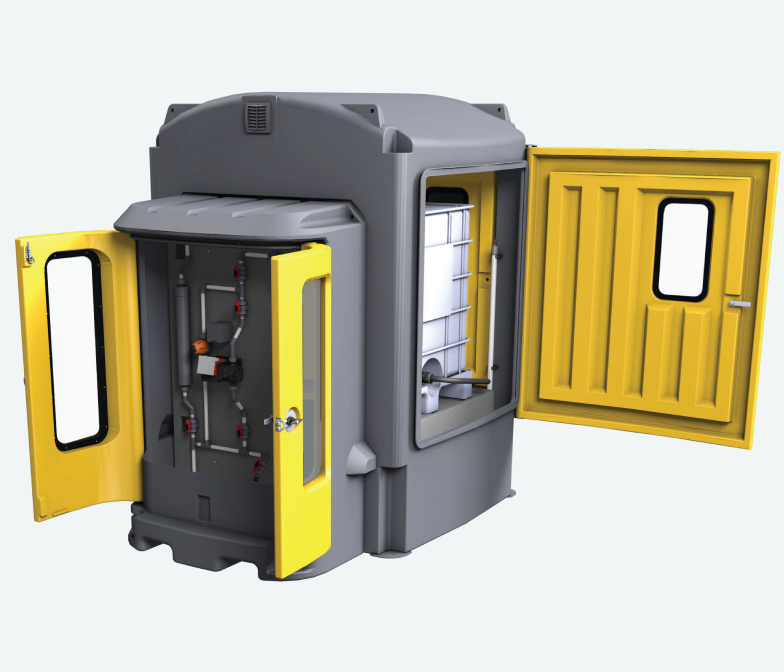
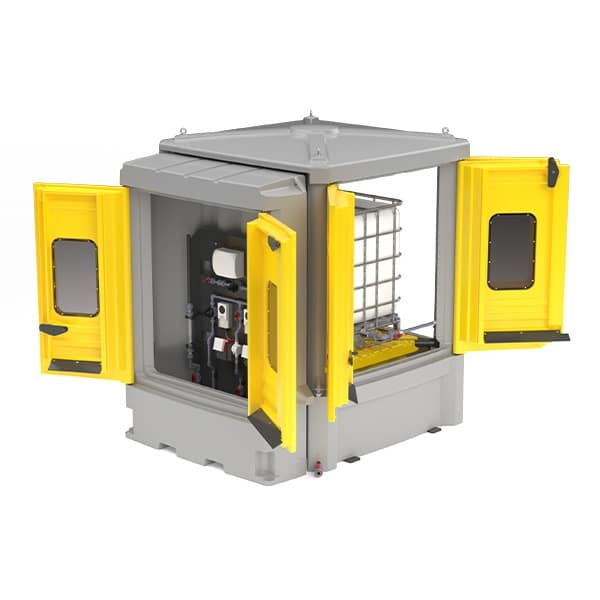
If you’ve been researching liquid storage solutions, fuel storage, chemical handling, or water transport, you’ve likely come across the term IBC tank. But what does IBC actually stand for, and why are these tanks so widely used across Australia?
An IBC is one of the most versatile storage and transport solutions available, used across industries ranging from agriculture and construction to manufacturing and mining. Understanding what an IBC tank is and how it works can help you choose the right storage solution for your needs.
What Does IBC Stand for?
IBC stands for Intermediate Bulk Container.
An Intermediate Bulk Container is a reusable container designed to store and transport liquids, chemicals, fuels, and other bulk materials. IBCs are larger than standard drums but smaller than large-scale storage tanks, making them a practical middle-ground solution for many businesses and industries.
The term “intermediate” refers to the size of the container, as it sits between smaller containers and larger bulk storage systems.
What Is an IBC Tank?
An IBC tank is a rigid container typically mounted on a pallet or integrated base, making it easy to move using forklifts or pallet jacks.
Most IBC tanks feature:
- A durable outer frame
- A large storage vessel
- A top filling point
- A bottom outlet valve
- Stackable design for transport and storage
These features make IBCs highly efficient for handling and transporting liquids.
Why Are IBC Tanks So Popular?

IBC tanks have become a popular storage solution because they offer a combination of convenience, capacity, and portability.
Some of the key benefits include:
- Easy transportation
- Efficient use of storage space
- Reusable design
- Large liquid capacity
- Reduced handling requirements
- Compatibility with pumps and dispensing equipment
For businesses that regularly move or dispense liquids, IBC tanks can significantly improve efficiency.
Common Uses for IBC Tanks
IBC tanks are used across a wide range of industries.
Agriculture
Farmers commonly use IBC tanks for:
- Water storage
- Liquid fertilisers
- Agricultural chemicals
- Spray applications
Their portability makes them ideal for moving liquids around large properties.
Construction
Construction businesses often use IBC tanks for:
- Water supply
- Dust suppression
- Equipment cleaning
- Temporary liquid storage
Industrial Applications
Manufacturing and industrial operations use IBCs for:
- Chemical storage
- Process liquids
- Cleaning agents
- Bulk liquid handling
Mining and Remote Sites
Many remote operations rely on IBC tanks because they are easy to transport and deploy where needed.
What Sizes Do IBC Tanks Come In?
While sizes can vary, the most common IBC capacity is approximately:
- 1,000 litres
This size offers an excellent balance between portability and storage capacity.
Other capacities are available depending on the application and storage requirements.
IBC Tanks vs Traditional Water Tanks
While both store liquids, IBC tanks and water tanks serve different purposes.
IBC Tanks
Best suited for:
- Temporary storage
- Transporting liquids
- Mobile operations
- Chemical and fuel handling
Water Tanks
Best suited for:
- Long-term storage
- Rainwater harvesting
- Residential water supply
- Agricultural water reserves
For larger, permanent storage applications, a dedicated water tank is often the better solution.
What Materials Are IBC Tanks Made From?
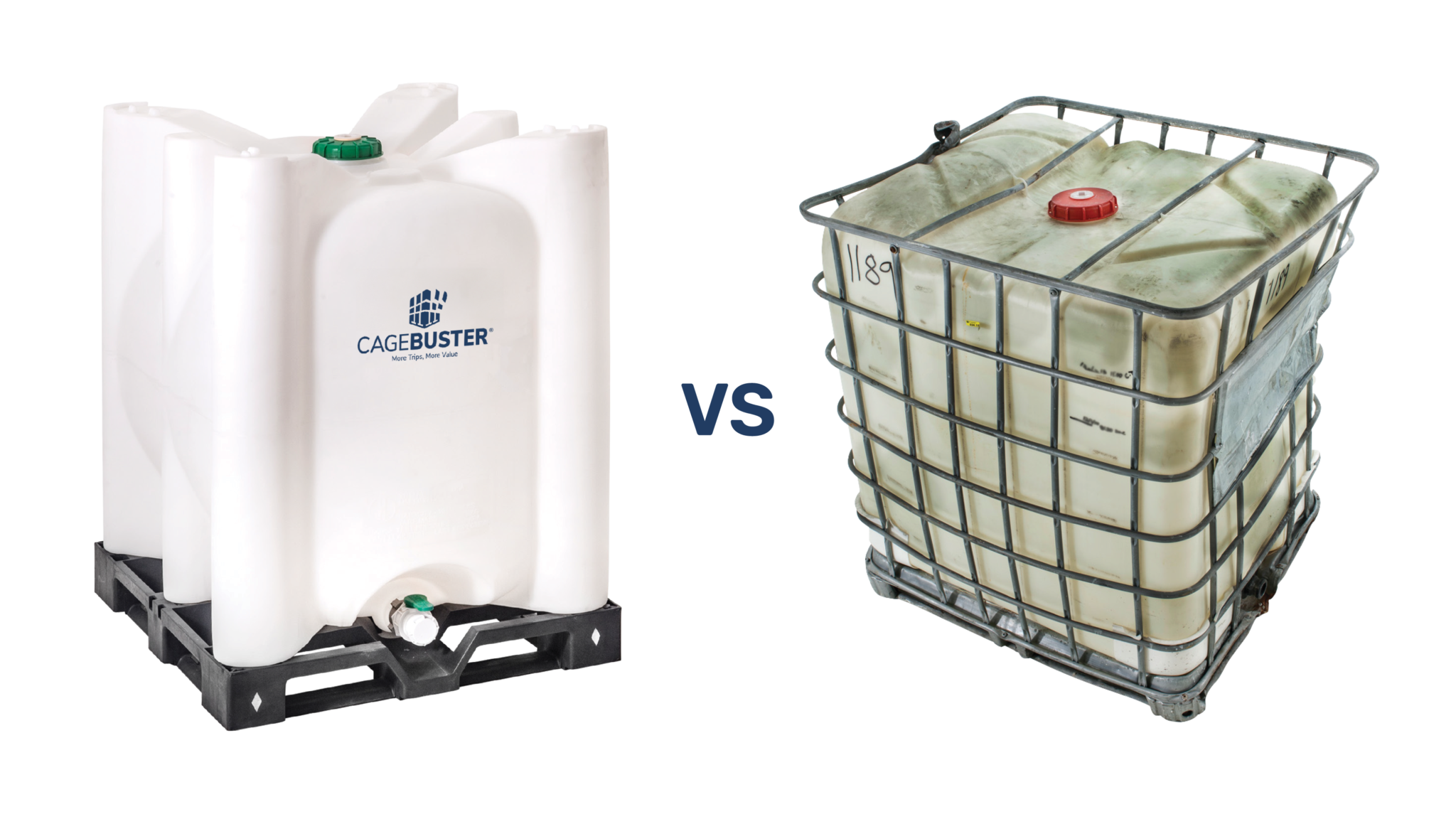
Most IBC tanks consist of:
- Polyethylene inner container
- Galvanised steel outer cage
- Integrated pallet base
This combination provides:
- Chemical resistance (liner only)
- Strength and durability
- Easy handling
Material selection may vary depending on the intended use.
Can IBC Tanks Be Used for Water Storage?
Yes, many IBC tanks are suitable for water storage when manufactured from appropriate materials.
Common uses include:
- Temporary water storage
- Irrigation supply
- Construction water storage
- Emergency water reserves
However, for large-scale rainwater harvesting or permanent household storage, purpose-built water tanks generally offer greater capacity and long-term durability.
Can IBC Tanks Be Used for Fuel Storage?
Certain IBC tanks are specifically designed for fuel storage and handling.
These tanks are commonly used for:
- Diesel storage
- Fleet refuelling
- Agricultural equipment
- Construction machinery
When storing fuel, it is important to ensure the IBC is designed and approved for that purpose and complies with relevant Australian requirements.
Advantages of IBC Tanks
There are several reasons businesses choose IBC tanks over alternative storage options.
Easy Transportation
The integrated pallet design allows forklifts to move the tank quickly and safely.
Space Efficiency
IBC tanks can often be stacked, maximising storage space.
Cost-Effective Storage
Their reusable design helps reduce long-term storage costs.
Versatility
IBC tanks can be used for water, chemicals, fuels, and many other liquids depending on their design.
Quick Dispensing
Most IBC tanks include a bottom outlet valve, making liquid dispensing simple and efficient.
Things to Consider Before Buying an IBC Tank
Before purchasing an IBC tank, consider:
- Intended use
- Liquid type
- Storage duration
- Capacity requirements
- Transport needs
- Compliance requirements
Choosing the right IBC ensures safe and efficient operation.
When a Larger Tank Might Be Better
While IBC tanks are highly versatile, they may not be the best solution for every application.
If you require:
- Long-term rainwater storage
- Large water reserves
- Permanent installation
- High-volume storage
A dedicated storage tank may be more suitable.
For larger water storage applications, tanks designed specifically for Australian conditions provide greater capacity and long-term performance.
Choosing a Quality Storage Solution
Whether you need an IBC tank, water tank, or fuel storage solution, quality matters.
A reliable storage system should be:
- Durable
- UV-resistant where required
- Suitable for the intended liquid
- Easy to maintain
- Designed for Australian conditions
At Polymaster, a wide range of storage solutions are designed to meet the needs of Australian households, farms, and businesses.
Final Thoughts
So, what does IBC stand for in tanks?
IBC stands for Intermediate Bulk Container, a versatile storage and transport solution used across numerous industries for handling liquids safely and efficiently.
Their portability, durability, and practical design make them a popular choice for agriculture, construction, manufacturing, and many other applications.
Understanding the role of IBC tanks helps ensure you select the right storage solution for your specific requirements, whether you need temporary liquid storage, transport capability, or a larger long-term storage system.
Frequently Asked Questions
What is an IBC Tank?
An IBC tank, or Intermediate Bulk Container, is a reusable storage container designed to hold and transport liquids such as water, diesel, chemicals, fertilisers, and other bulk materials. IBC tanks are larger than standard drums but smaller than large-scale storage tanks, making them a versatile solution for many industries.
Most IBC tanks feature a durable polyethylene inner vessel protected by a galvanised steel cage, allowing them to be safely transported and stored.
Can You Put Diesel in an IBC Container?
Yes, certain IBC containers are specifically designed and approved for diesel storage.
Diesel-grade IBC tanks are commonly used for:
- Agricultural operations
- Construction sites
- Fleet refuelling
- Backup generator fuel storage
When storing diesel, it is important to use an IBC that is designed for fuel applications and complies with relevant Australian regulations. Not all IBC containers are suitable for diesel storage, so always check the manufacturer’s specifications before use.
How Long Will Water Stay Fresh in an IBC Tank?
Water can remain fresh in an IBC tank for several months or even longer if stored correctly.
Factors that affect water quality include:
- Whether the tank is sealed
- Exposure to sunlight
- Water temperature
- Cleanliness of the container
- Presence of filtration systems
A food-grade IBC that is kept clean, sealed, and protected from direct sunlight will generally maintain water quality much longer than a container exposed to the elements.
For long-term rainwater storage, purpose-built water tanks are often a better solution due to their larger capacity and UV-resistant design.
Can You Drink Water From an IBC Tank?
You can drink water from an IBC tank if:
- The IBC is certified food grade
- It has never stored chemicals or hazardous materials
- It is thoroughly cleaned and maintained
- The water itself is safe for consumption
Many second-hand IBC containers have previously stored chemicals or industrial products and should not be used for drinking water unless their history is fully known and the container is suitable for potable water use.
If drinking water storage is the primary goal, purpose-built potable water tanks are typically the safest option.
How Many Litres Is 1 IBC?
The most common IBC tank size in Australia holds:
1,000 litres
This size is widely used because it offers an excellent balance between storage capacity and portability.
Other sizes are available, but 1,000 litres remains the industry standard for most Intermediate Bulk Containers.
How Long Will Diesel Last in an IBC?
Diesel stored in a quality IBC container can typically last between:
- 6 to 12 months under normal storage conditions
- Up to several years with proper fuel management and stabilisation
Factors affecting diesel lifespan include:
- Temperature fluctuations
- Exposure to moisture
- Contamination
- Fuel quality
- Storage conditions
Keeping diesel in a sealed, clean container and protecting it from extreme environmental conditions helps maximise storage life.
More Similar News
View all News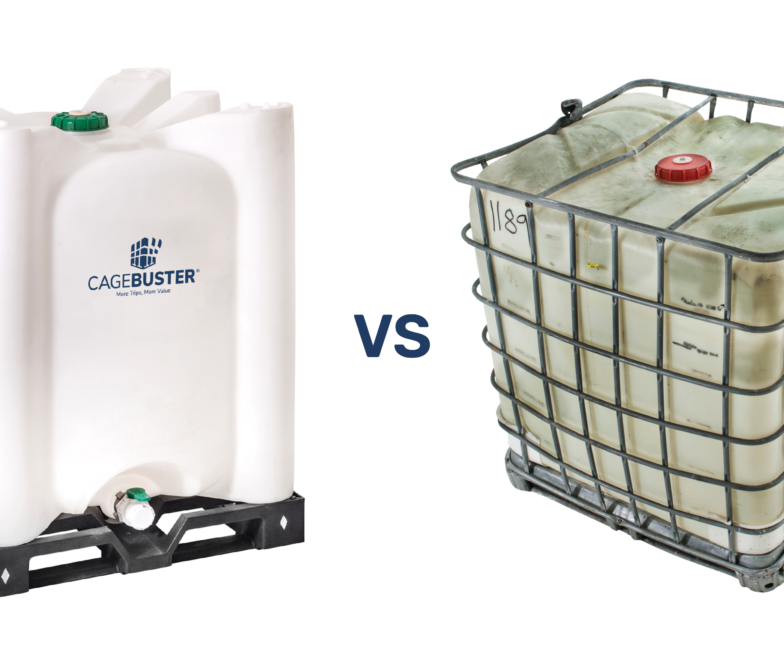
IBC Totes in Chemical Industries: Caged vs. Cageless Options
Definitive Guide to IBC Container Tanks: Chemical Storage, Safety Compliance, and Advanced Decanting Solutions