
Home Wastewater Sewage Pump Stations
Sewage Pump Stations
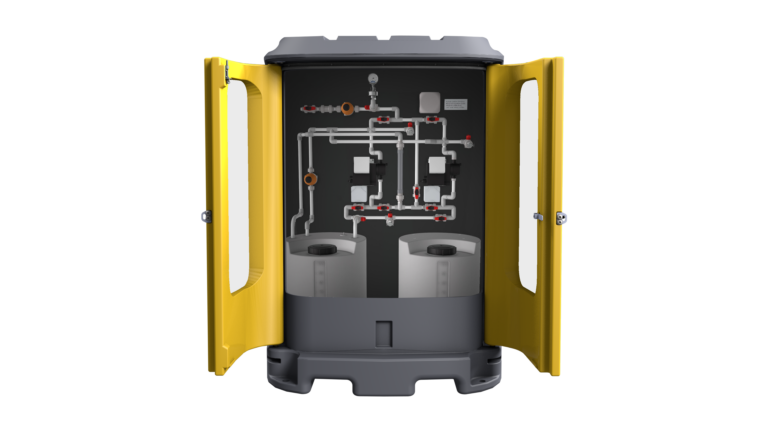
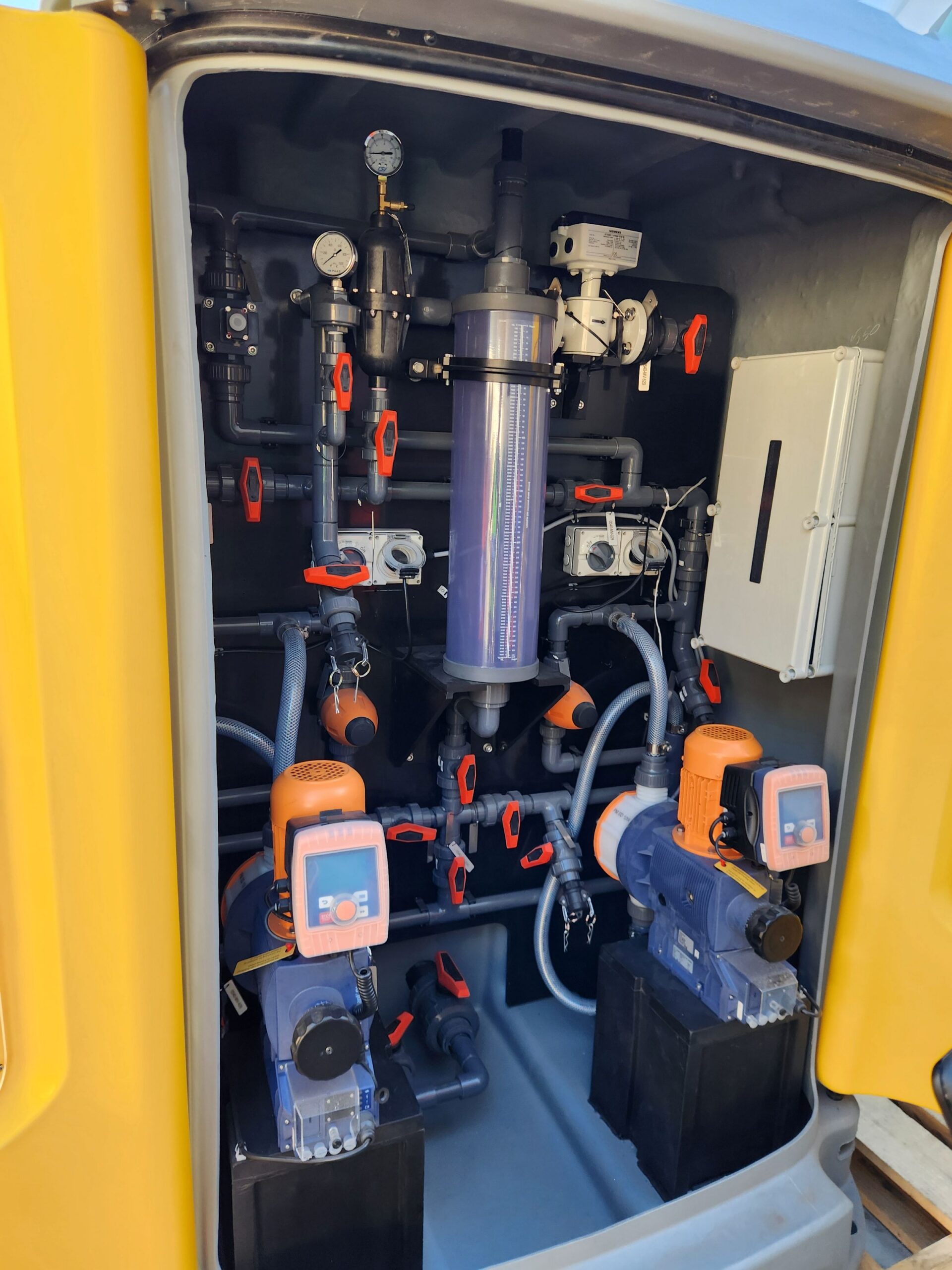
When there is no fall to the sewer, you need a pump station that goes in fast and stays put. Polymaster pump stations arrive fully pre-plumbed, with the pump, pipework, valves and high-level alarm already fitted and tested at the factory. Connect the inlet, the outlet and the power, and you are done.
Browse Our Range of Sewage Pump Stations
Available in two configurations. One for sewage and black water, one for stormwater and grey water. Both come in 700L, 1000L and 1300L, both are certified to AS/NZS 1546.1, and both are moulded as a single piece of polyethylene that will not rust, rot or crack.
Two configurations, three sizes each. The chamber is the same across both. The pump inside it is matched to what you are moving, which is the decision that matters most.
| Code | Product | Capacity | Diameter (mm) | Height (mm) | ||
|---|---|---|---|---|---|---|
| PS700-STM | 700L Pump Station (Storm / Grey Water) | 700L | 1090 | 1650 | ||
| PS700-SWR | 700L Pump Station (Sewer / Black Water) | 700L | 1090 | 1650 | ||
| PS1000-STM | 1,000L Pump Station (Storm / Grey Water) | 1,000L | 1092 | 2030 | ||
| PS1000-SWR | 1,000L Pump Station (Sewer / Black Water) | 1,000L | 1092 | 2030 | ||
| PS1300-STM | 1,300L Pump Station (Storm / Grey Water) | 1,300L | 1094 | 2420 | ||
| PS1300-SWR | 1,300L Pump Station (Sewer / Black Water) | 1,300L | 1094 | 2420 |
700L Pump Station (Storm / Grey Water)
PS700-STM
700L Pump Station (Sewer / Black Water)
PS700-SWR
1,000L Pump Station (Storm / Grey Water)
PS1000-STM
1,000L Pump Station (Sewer / Black Water)
PS1000-SWR
1,300L Pump Station (Storm / Grey Water)
PS1300-STM
1,300L Pump Station (Sewer / Black Water)
PS1300-SWR
Not sure which one suits the job?
Call us on 1800 062 064 and we will work through the site levels and flow with you.
HOW PUMP STATIONS WORK
What Is a Sewage Pump Station?
A pump station, also called a lift station, moves wastewater or stormwater from a low point up to a discharge point when there is not enough fall for gravity to do it.
- Liquid collects in a sealed chamber.
- A level sensor switches the pump on when it reaches a set point, and off again once the chamber has drawn down.
- From there it goes out through a rising main to the sewer, the legal point of discharge, or wherever the site plan sends it.
Polymaster units are packaged pump stations. That means a one-piece polyethylene chamber with the pump, valves, pipework and alarm fitted and tested before it leaves Swan Hill. That matters for two reasons. It takes hours off the install, and it moves the risk. If a factory-assembled station leaks, it is a warranty claim rather than your callback.
Pump Station or Pump Well?
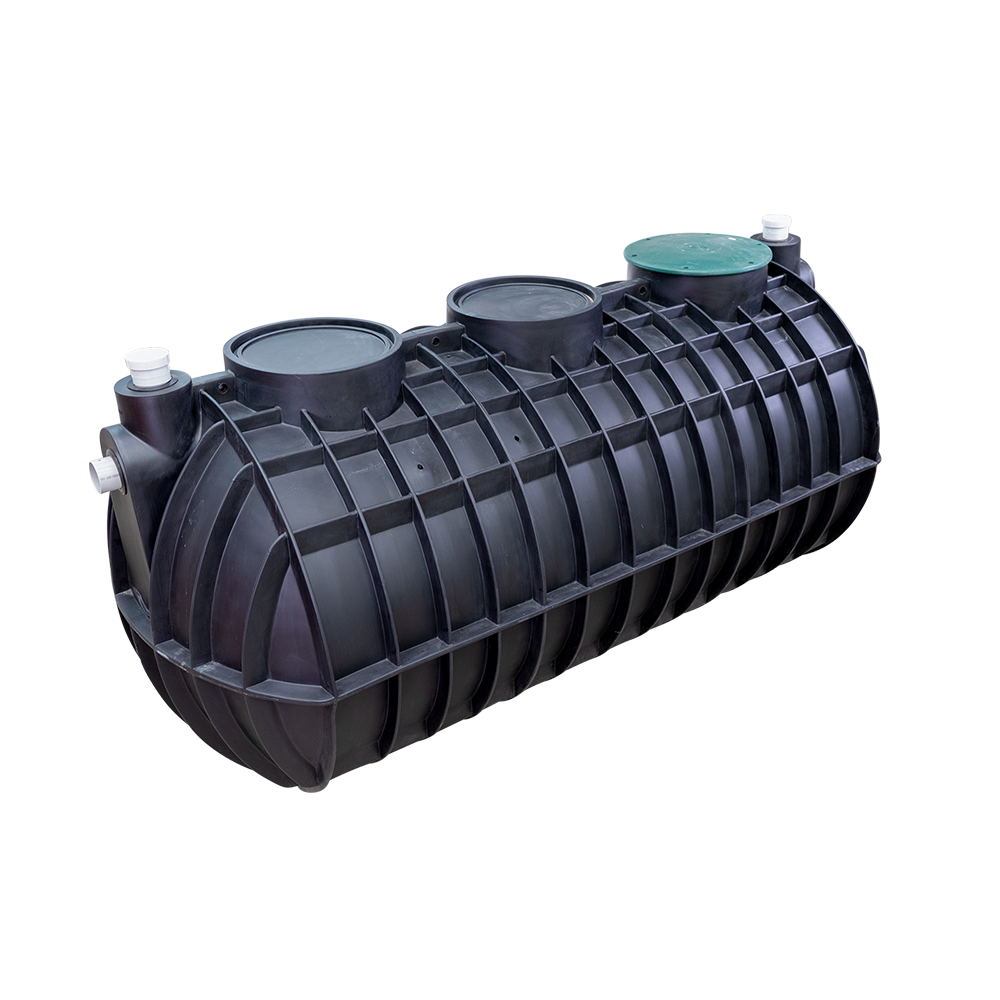
A pump station is the complete system. Chamber, pump, valves, pipework and alarm, ready to connect. A pump well is the vessel on its own, for when you would rather fit your own pump and controls. Same certified one-piece chamber either way. The difference is how much of the job is already done when it arrives.
CHOOSING THE RIGHT CONFIGURATION
Sewer and Black Water, or Stormwater and Grey Water
Both configurations use the same chamber, the same lid rating and the same certification. What changes is the pump, and the pump has to match the liquid. Get that wrong and you will be back on site for a blockage.
Sewer and Black Water
Sewage carries solids and organic waste, so the system has to break them down before they hit the discharge line. The sewer configuration is built for that duty, and the sealed one-piece chamber keeps odour where it belongs.
- Right for: basements, commercial buildings, granny flats, multi-residential, remote infrastructure, and anywhere sewage has to be lifted to the main.
Stormwater and Grey Water
Stormwater is cleaner than sewage but it brings grit, leaves and debris with it, especially in the first flush after a dry spell. The stormwater configuration is built to pass that material through rather than choke on it.
- Right for: car parks, roof catchments, industrial yards, washdown areas, and low-lying properties that need water moved after rain.
FEATURE POINTS
Why Plumbers Choose Polymaster Sewage Pump Stations
There is a fair bit to weigh up when you are specifying a pump station. Here is where ours earn their place.
Fully Pre-Plumbed
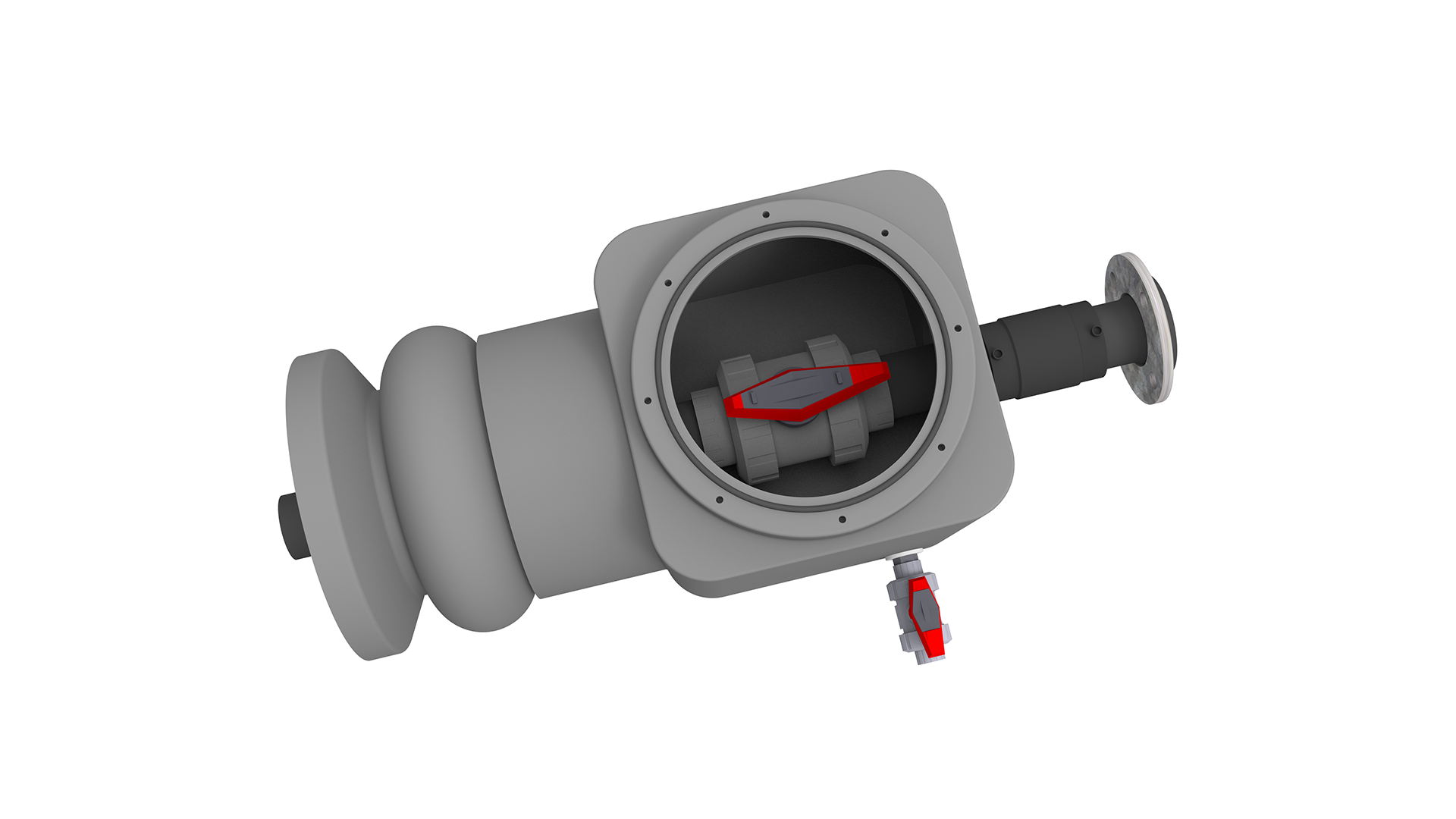
Pump, brass ball valve, swing check valve, PVC barrel union and pipework are fitted and tested at the factory. Connect the inlet, the outlet and the power. There is no internal plumbing to build on site.
One-Piece Construction
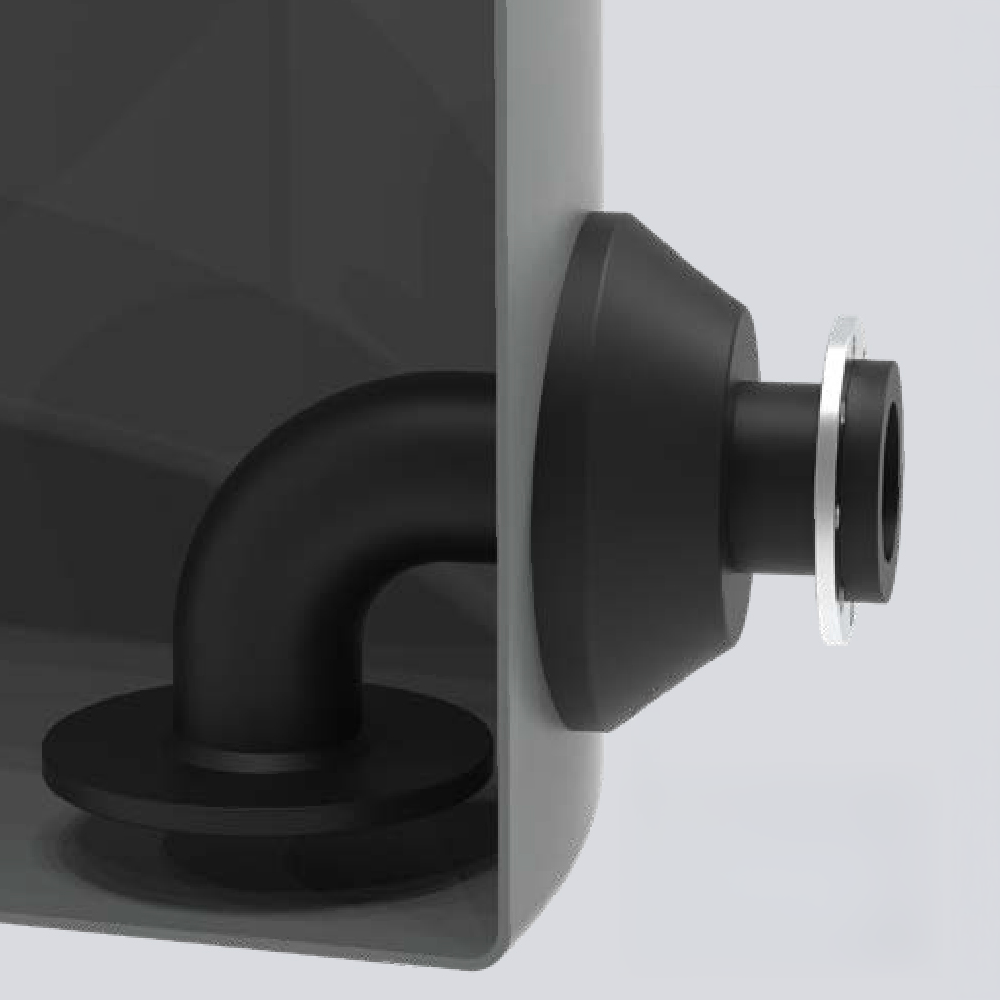
The chamber is rotationally moulded as a single piece. No seams, no welds, no joins to seal on site and nothing to fail later. If it leaks, it is a warranty claim, not a callback.
Self-Anchoring Design
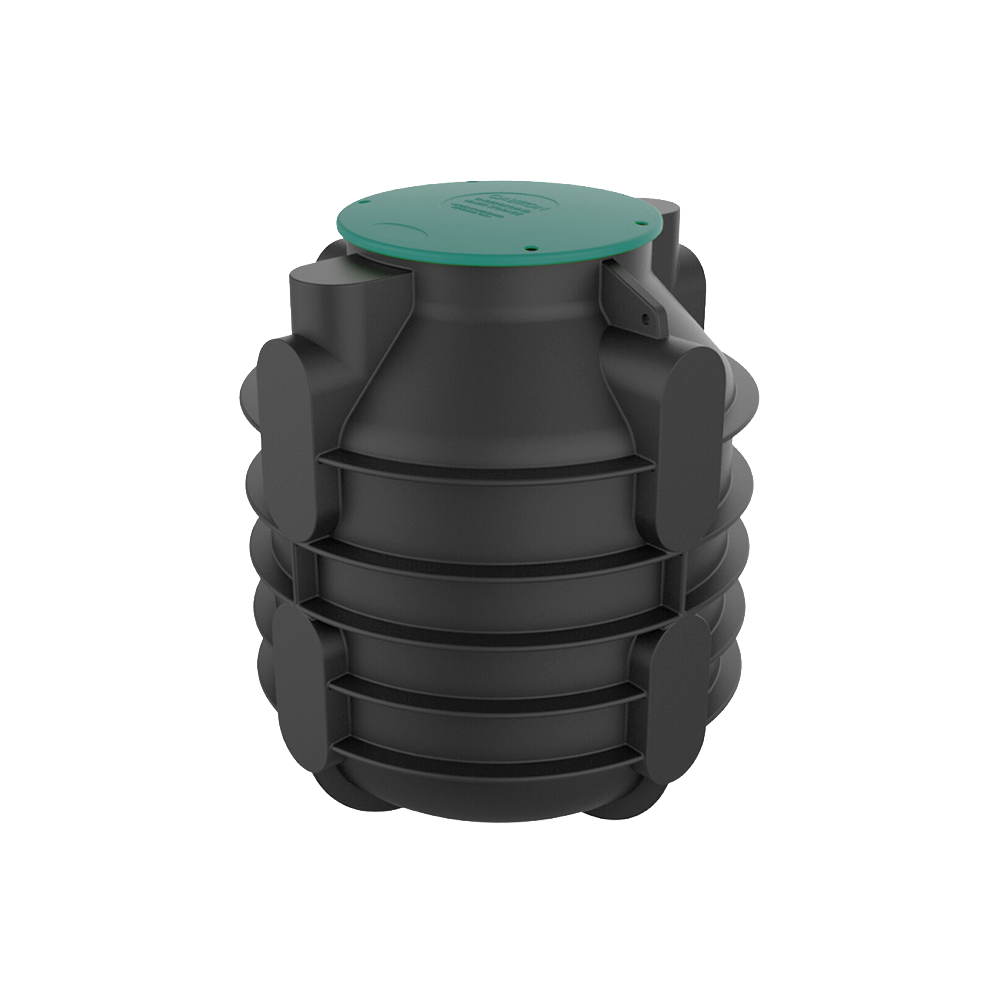
Engineered ribbing anchors into compacted granular backfill and resists uplift, so most installations do not need a concrete surround or tie-downs. That takes the float worry, and hours of concrete work, out of the job.
Clean Pump Retrieval
The pump lifts out through the PVC barrel union without anyone reaching into the liquid. Servicing stays clean and stays inside site safety requirements.
PUMP STATION APPLICATIONS
Where Pump Stations Get Used
Anywhere the fall runs out. The Polymaster range is built for residential and light commercial work, in the 700L to 1300L band, which covers the bulk of what a plumber comes across.
Buildings Below the Sewer Main
Basements, split-level builds, granny flats and commercial fit-outs where waste has to be lifted before it can drain away.
Surface Water and Catchment
Car parks, roof catchments, yards and low-lying blocks where water has to be cleared after rain.
Washdown and Light Industrial
Workshops, wash bays and small processing sites where grey water or process water has to keep moving through the day.
Rural and Remote Properties
Properties, site accommodation and small facilities with no reticulated sewer, where waste is lifted to a treatment or holding system on site.
Bigger Than This Range?
If the site needs more than 1300L, or a standby pump for redundancy, give us a call. A Polymaster pump well with a pump specified to suit will often be the better answer, and we will tell you straight if it is not.
PUMP STATION SELECTION GUIDE
Specifying the Right Pump Station
Getting the specification right at the quoting stage saves a lot of grief later. The wrong pump for the liquid causes blockages. An undersized chamber makes the pump cycle too often and wears it out early. Here is what to work through.
- Liquid type. Sewage and black water, or stormwater and grey water. This decides the configuration and it is the first call to make.
- Head and distance. How high and how far the rising main has to carry the flow. This sets the pump duty you need.
- Inflow rate. How much arrives, and how fast. Peak flow matters more than average flow, particularly on stormwater.
- Chamber size. Enough working volume between start and stop levels to keep the pump from short cycling. 700L, 1000L or 1300L.
- Invert level. The inlet depth sets which chamber height suits the excavation you have.
- Redundancy. The PS range is single pump. If the site cannot tolerate an outage at all, that needs solving another way, and it is worth a conversation before you order rather than after.
- Lid loading. The standard lid is rated to 500kg. Driveways and trafficked areas need a heavier class.
WHAT OUR CUSTOMERS SAY
“A great solution for our site. The pump station is compact, practical and does exactly what we need it to.”
“Easy to install and built tough. The Polymaster pump station has made the whole setup simple and reliable.”
Highest Quality and Standards
Every Polymaster round water tank is independently certified, Australian-made, and built to perform reliably across residential, rural, and industrial applications.
Certified, Built and Backed in Australia
Every Polymaster pump station is certified to the Australian standard for on-site wastewater, moulded as one piece, and made here. Here is what stands behind it.
Certified to AS/NZS 1546.1
Independently certified to the Australian and New Zealand standard for on-site domestic wastewater treatment units.
ISO 9001 Quality Management
Polymaster holds ISO 9001 certification, the international standard for quality management systems.
10-Year Warranty
The polyethylene chamber is backed by a 10-year Polymaster warranty.
MORE FROM THE POLYMASTER WASTEWATER RANGE
More Wastewater Solutions from Polymaster
Pump stations are one part of the underground wastewater range. The rest of it is built the same way.
Pump Wells
The same certified one-piece chamber without the pump fitted, for when you would rather specify your own. Eight inlet positions and a flat pump base. Round or square lid.
View Range
Septic Tanks
Low-profile poly septic tanks in 3,100L and 4,550L, with the inlet, outlet and baffle already fitted. For properties with no sewer to connect to.
View Range
Water Tanks
Rainwater, retention and detention tanks for plumbing and civil work, certified and sized to suit the site.
View Range
Not Sure Which Pump Station Suits the Job?
Give us a call. We will help you match the configuration, the chamber size and the pump duty to the site, whether it is a single sewer station for a granny flat or stormwater management across a commercial yard.
Reliability for every drop.
FAQs
Frequently Asked Questions
How does a pump station work?
Wastewater or stormwater collects in a sealed chamber. A level sensor switches the pump on at a set level and off again once the chamber has drawn down, sending the flow out through a rising main to the sewer or the discharge point. It runs on its own, without anyone needing to touch it.
What is the difference between a pump station and a pump well?
A pump station is the complete system, with the pump, valves, pipework and high-level alarm fitted and tested before it arrives. A pump well is the chamber only, for plumbers who want to fit their own pump and controls. Both use the same certified one-piece construction.
What size pump station do I need?
It depends on the inflow rate, how much working volume you need between pump cycles, the liquid you are moving, and the head and distance to the discharge point. The three sizes are 700L, 1000L and 1300L. Call us on 1800 062 064 and we will work through it with you.
What is involved in installing one?
Excavation to the right depth, a compacted granular bedding layer, inlet and outlet connections at the correct falls, backfill in compacted layers, and a power connection for the pump and alarm. Requirements vary by site, council and state regulator. A licensed plumber and a licensed electrician are needed for the install.
Will a poly pump station float in a high water table?
The chamber uses an engineered self-anchoring rib design that resists uplift when it is backfilled properly with granular material. Most installations do not need concrete ballast or tie-downs. In high water table conditions, follow the anchoring detail in the installation guide.
Do pump stations need maintenance?
Yes. The pump, float switches, pipework and chamber should be inspected on a regular schedule. How often depends on the duty. A busy commercial site needs checking more frequently than a single dwelling. The pump lifts out through the barrel union without anyone entering the chamber.
Does a pump station smell?
A sealed one-piece chamber keeps odour contained. Correct sizing and regular servicing do the rest, since liquid sitting too long between cycles is usually what causes an odour problem. Venting must be installed to the relevant plumbing standard.
What happens if the pump fails?
The high-level alarm sounds and lights up before the chamber reaches capacity, which gives you time to act. That is what the alarm is there for. If it goes off, call a licensed plumber. On sites that cannot tolerate an outage at all, call us before you order. The PS range is single pump, so a pump well with a duty and standby set-up is usually the right answer there.
How long does a pump station last?
The polyethylene chamber will not corrode or degrade in wastewater and is built for a long service life, backed by a 10-year warranty. The pump and electrical components have their own service life depending on duty and how well they are maintained.