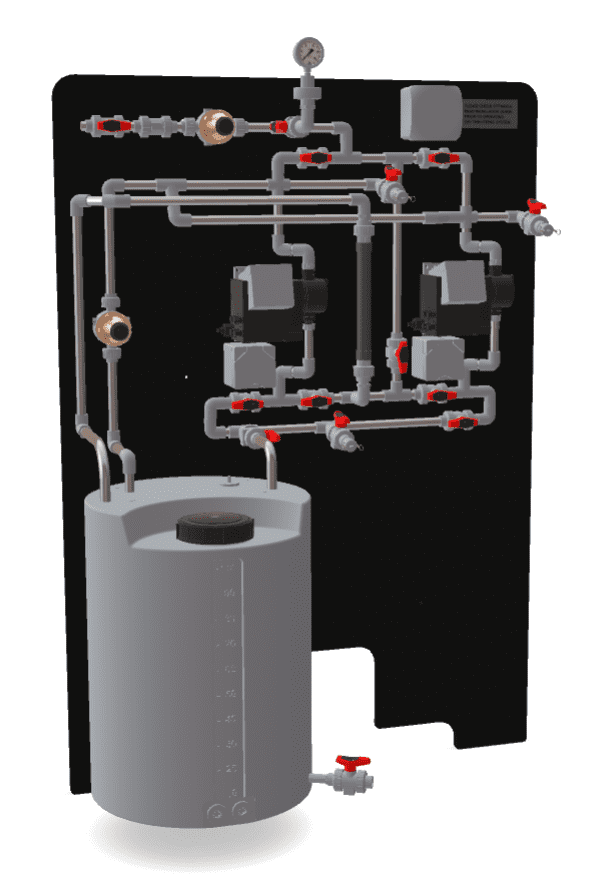
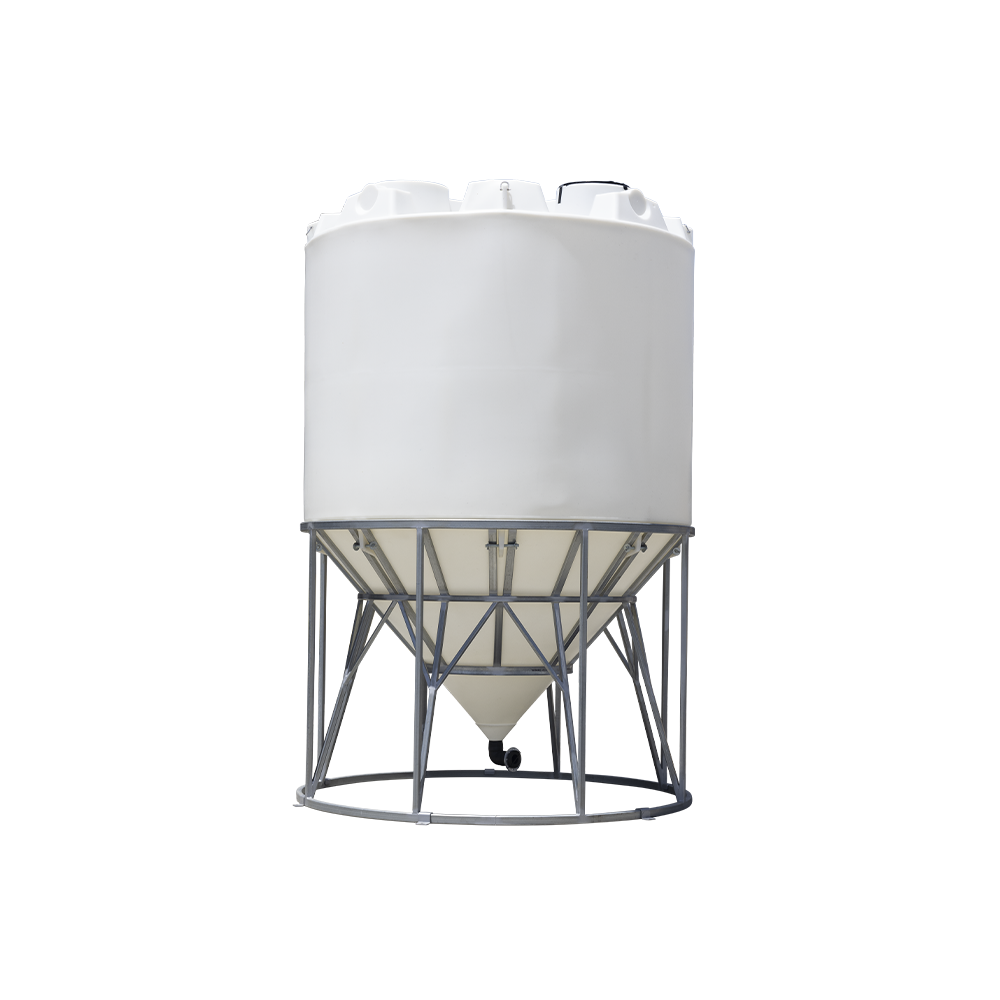
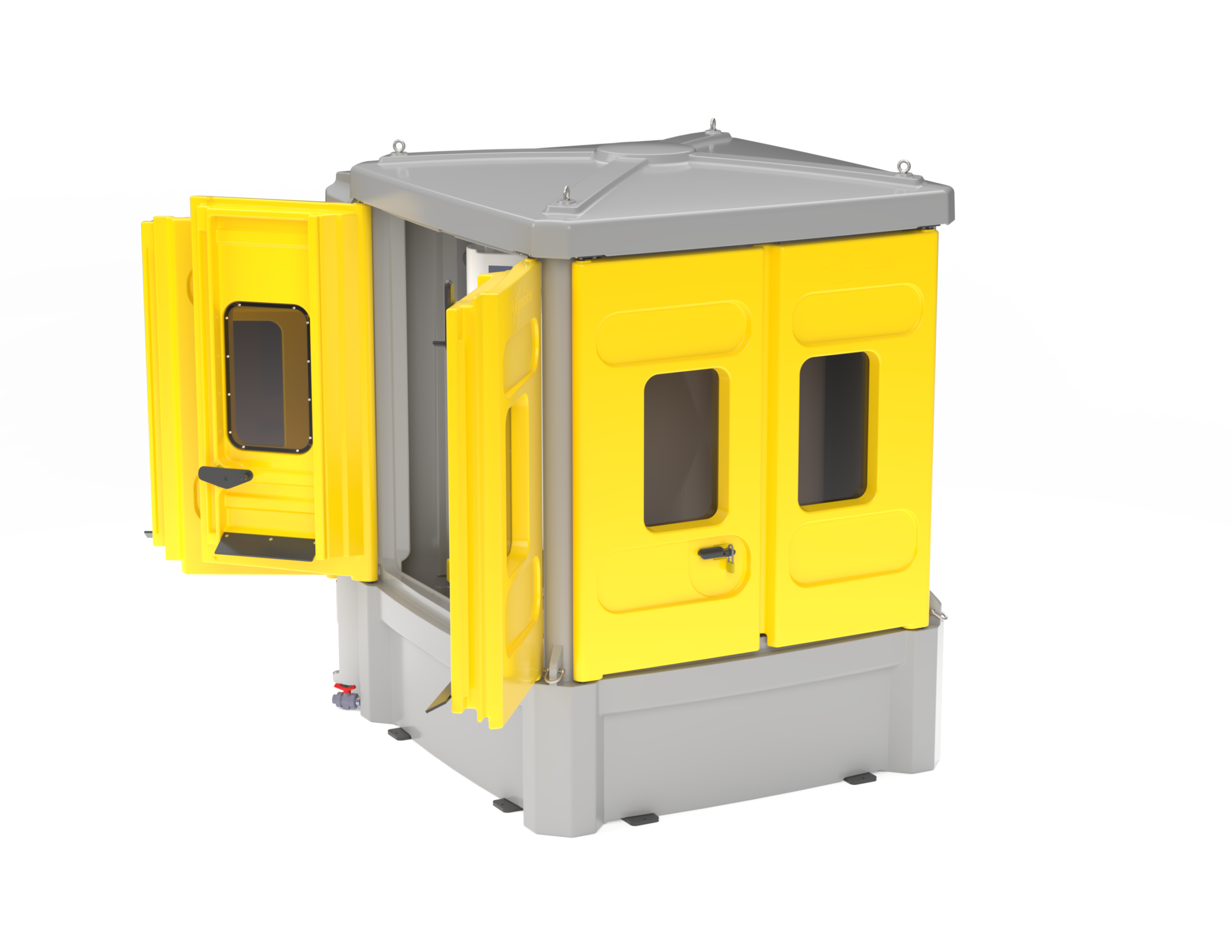
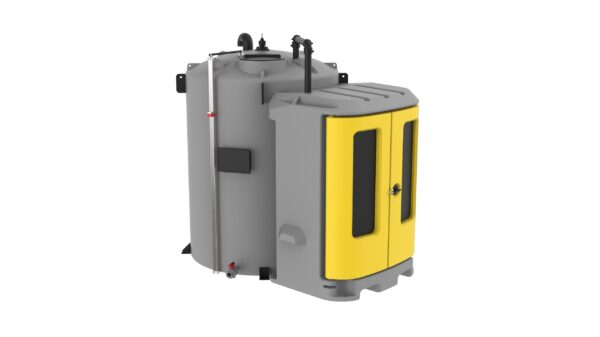

Home Wastewater Sewage Pump Stations Black Water – Sewage Pump Stations
Sewage and Black Water Pump Stations
When the sewer main sits higher than the outlet, sewage has to be lifted. The Polymaster sewer pump station does that job without asking you to build anything on site. Pump, valves, pipework and high-level alarm are fitted and tested before it leaves the factory.
Sewage and Black Water Pump Station Range
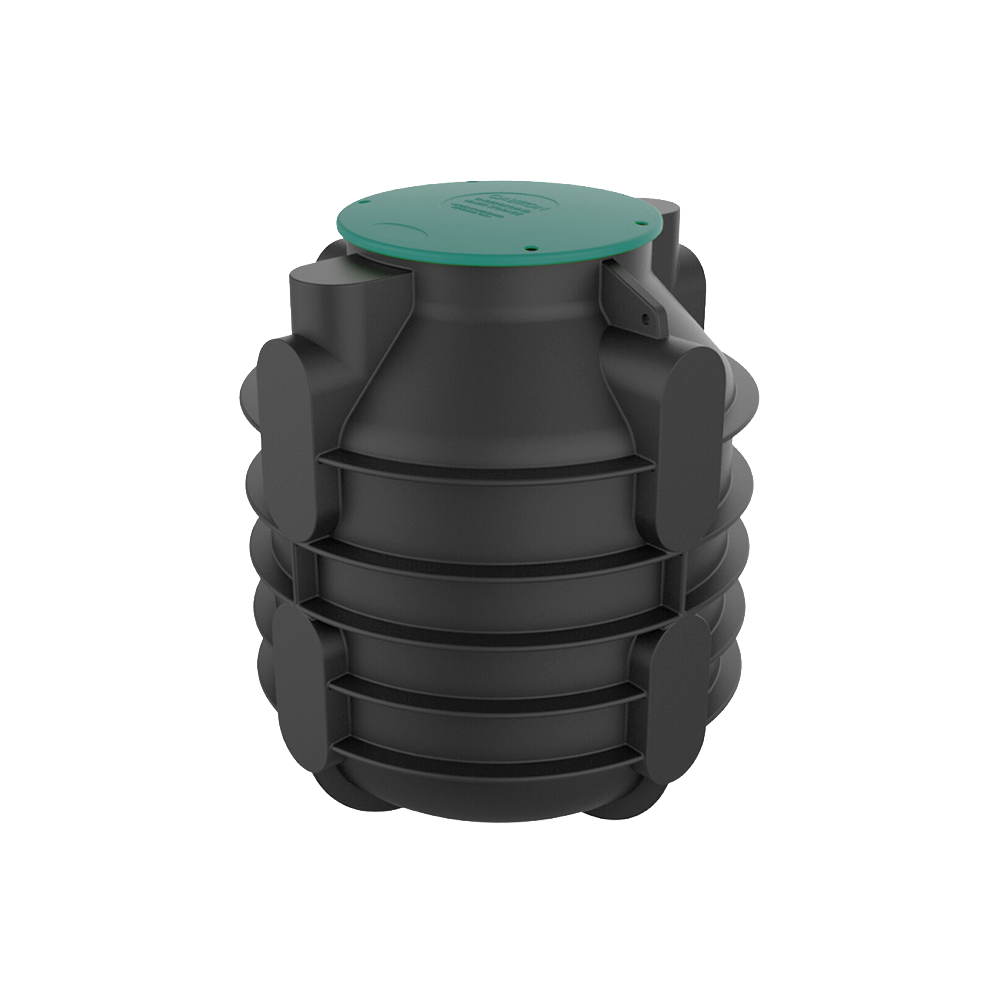
Three sizes. One-piece polyethylene chamber. Certified to AS/NZS 1546.1. Connect the inlet, the outlet and the power, backfill it, and move on to the next job.
The size you pick comes down to inlet depth and how much working volume you need between pump cycles.
| Code | Product | Capacity | Diameter (mm) | Height (mm) | ||
|---|---|---|---|---|---|---|
| PS700-SWR | 700L Pump Station (Sewer / Black Water) | 700L | 1090 | 1650 | ||
| PS1000-SWR | 1,000L Pump Station (Sewer / Black Water) | 1,000L | 1092 | 2030 | ||
| PS1300-SWR | 1,300L Pump Station (Sewer / Black Water) | 1,300L | 1094 | 2420 |
700L Pump Station (Sewer / Black Water)
PS700-SWR
1,000L Pump Station (Sewer / Black Water)
PS1000-SWR
1,300L Pump Station (Sewer / Black Water)
PS1300-SWR
For pricing, Call us on 1800 062 064 or request a quote.
We will get you a price from your nearest stockist.
WHAT YOU GET
It Arrives Ready to Connect
The whole point of a packaged pump station is that the fiddly work is already done. Here is what is fitted before it gets to you.
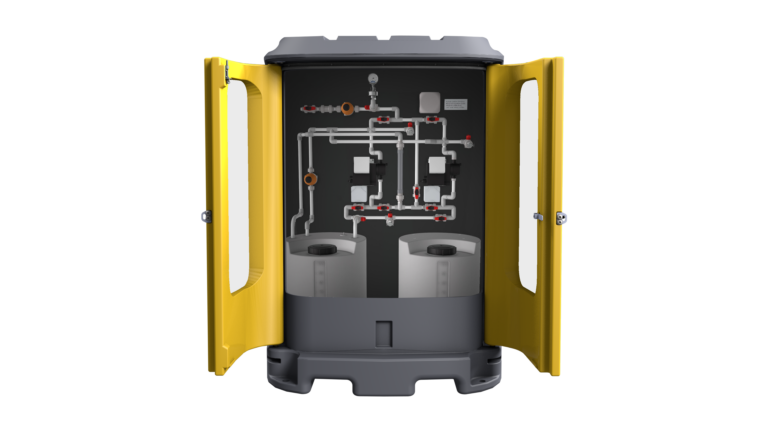
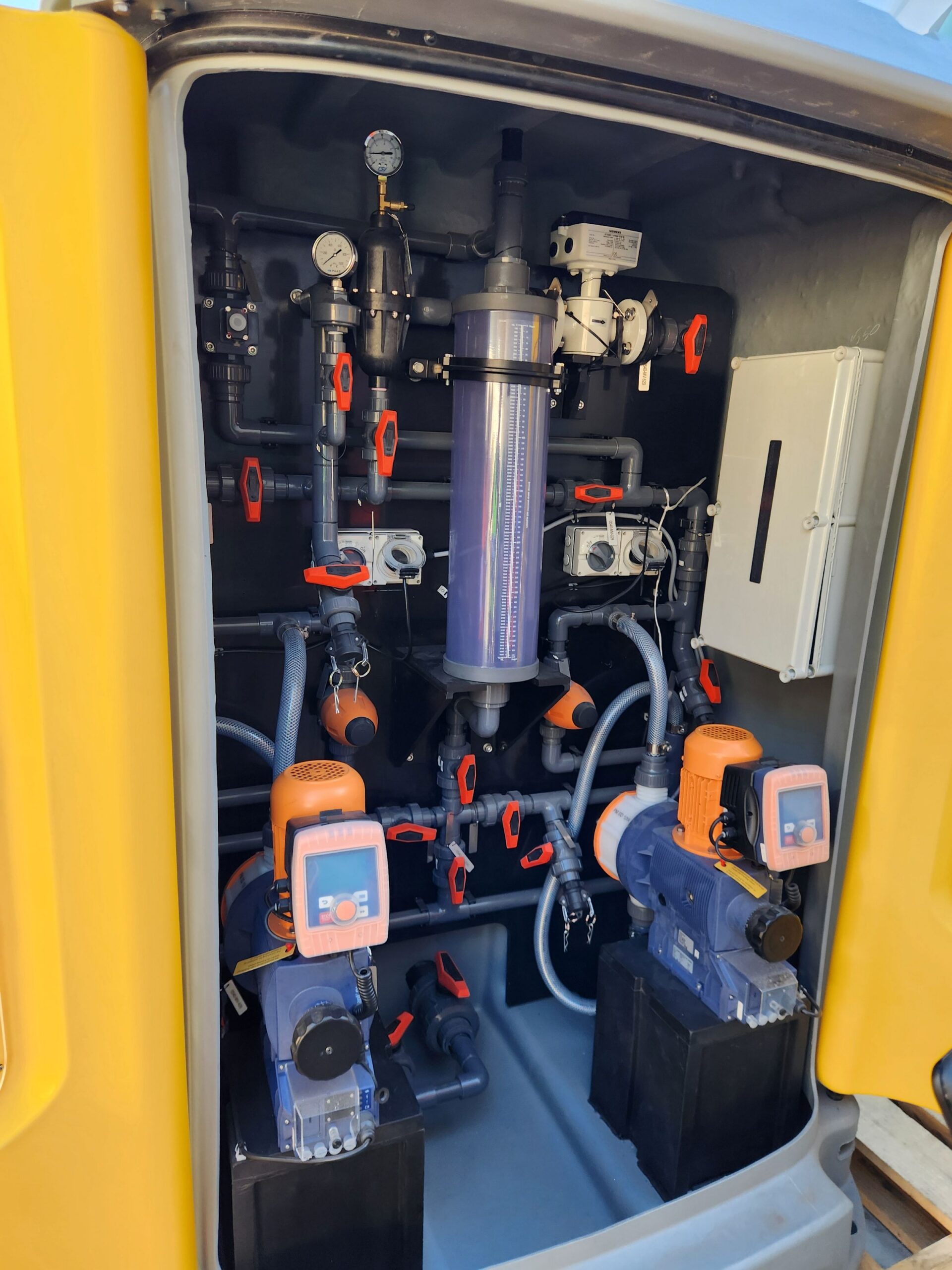
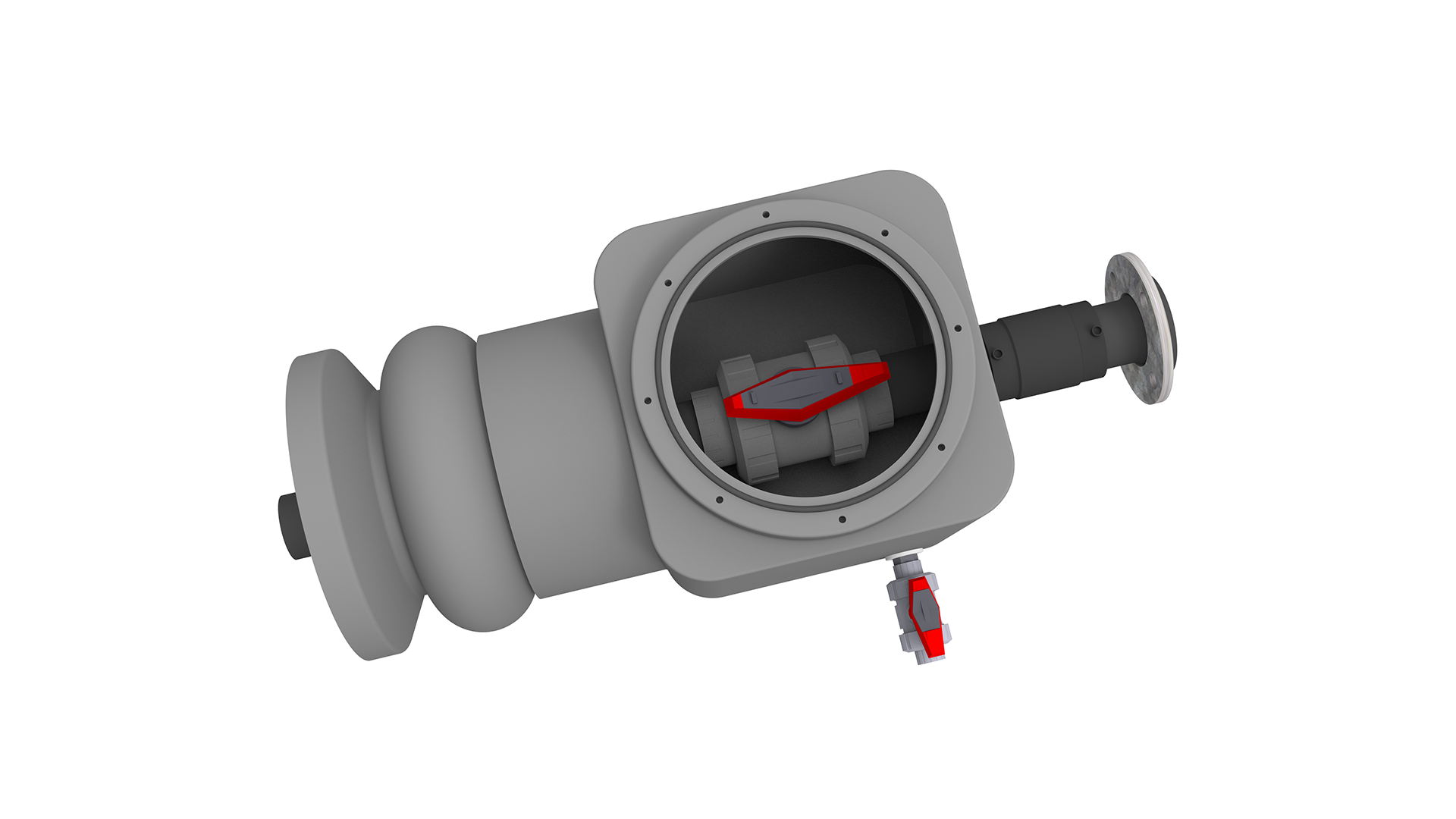
- Pump, fitted and tested. Matched to stormwater and grey water duty and installed at the factory.
- Brass ball valve. For isolating the discharge line without draining the chamber.
- Swing check valve. Stops water running back into the chamber once the pump shuts off.
- PVC barrel union. The pump lifts out through it, so servicing never means reaching into the liquid.
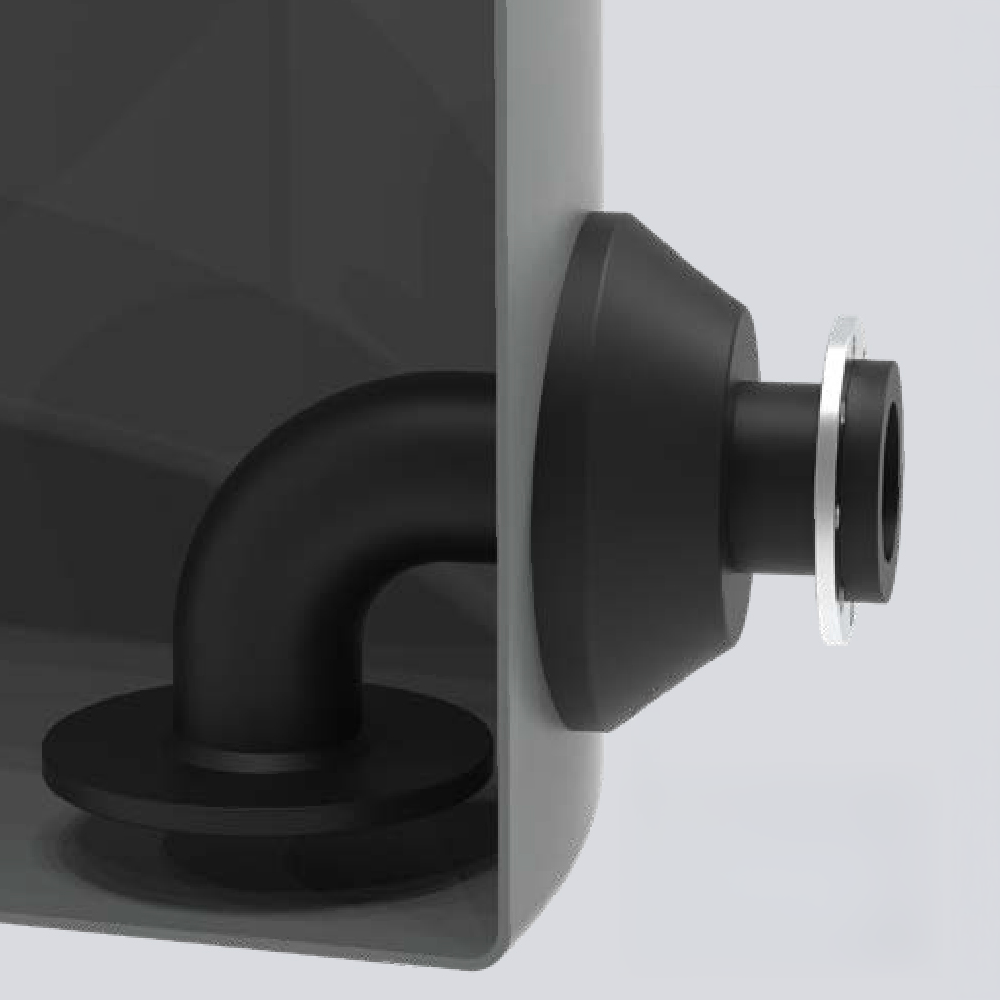
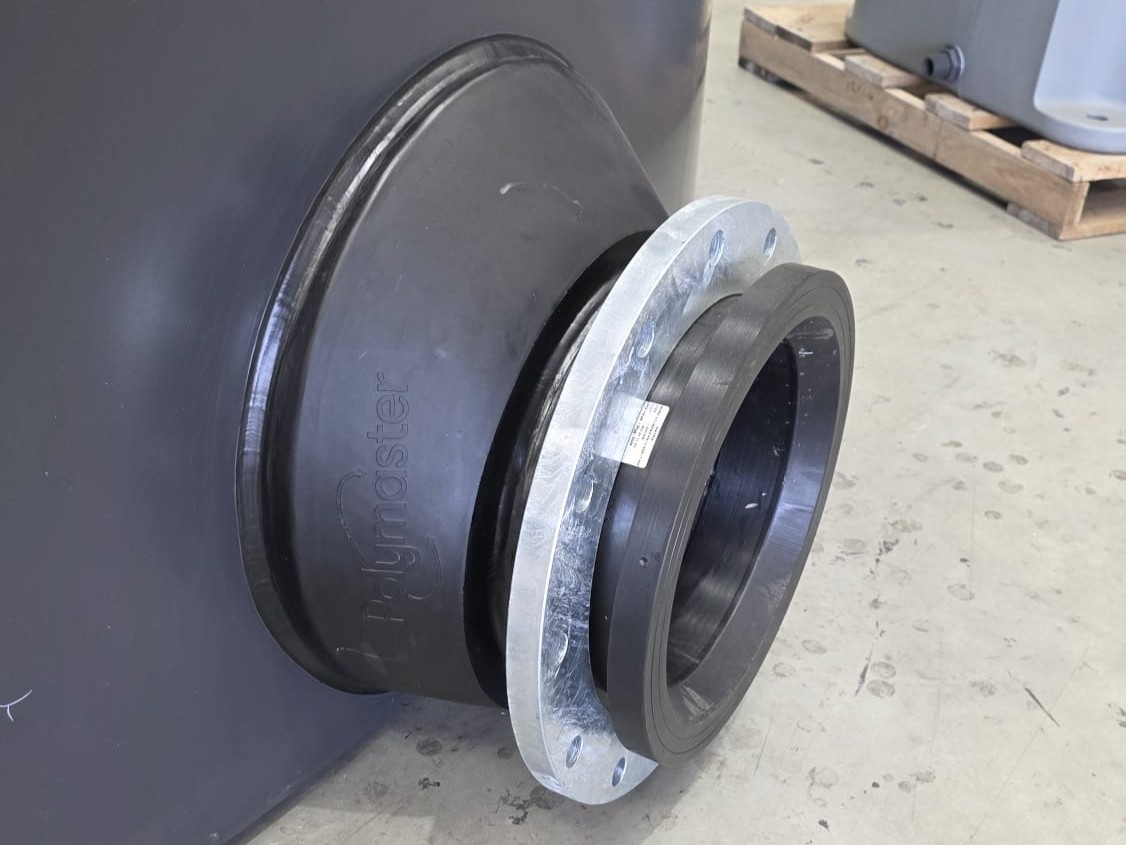
- 40mm brass discharge outlet. Fitted with a 40mm poly pipe connector, ready for the rising main.
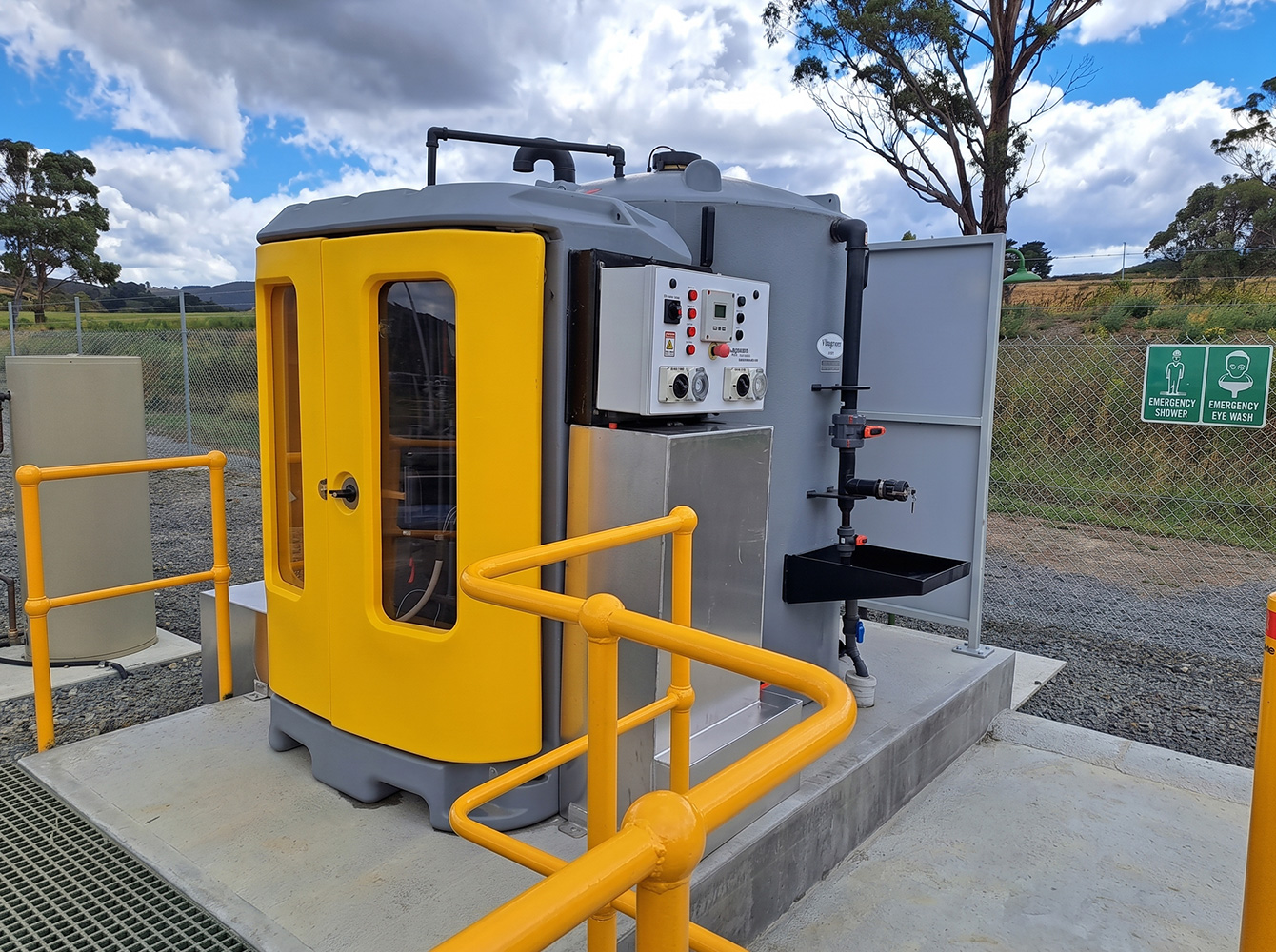
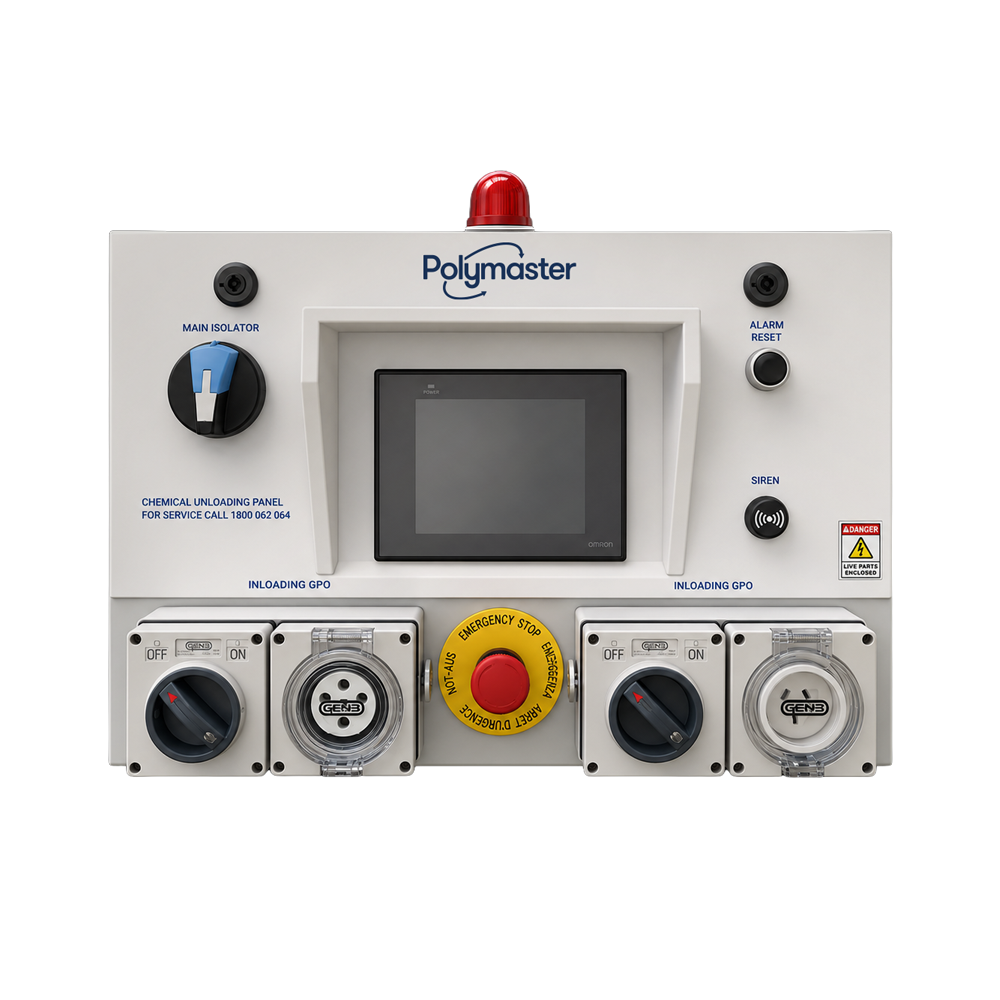
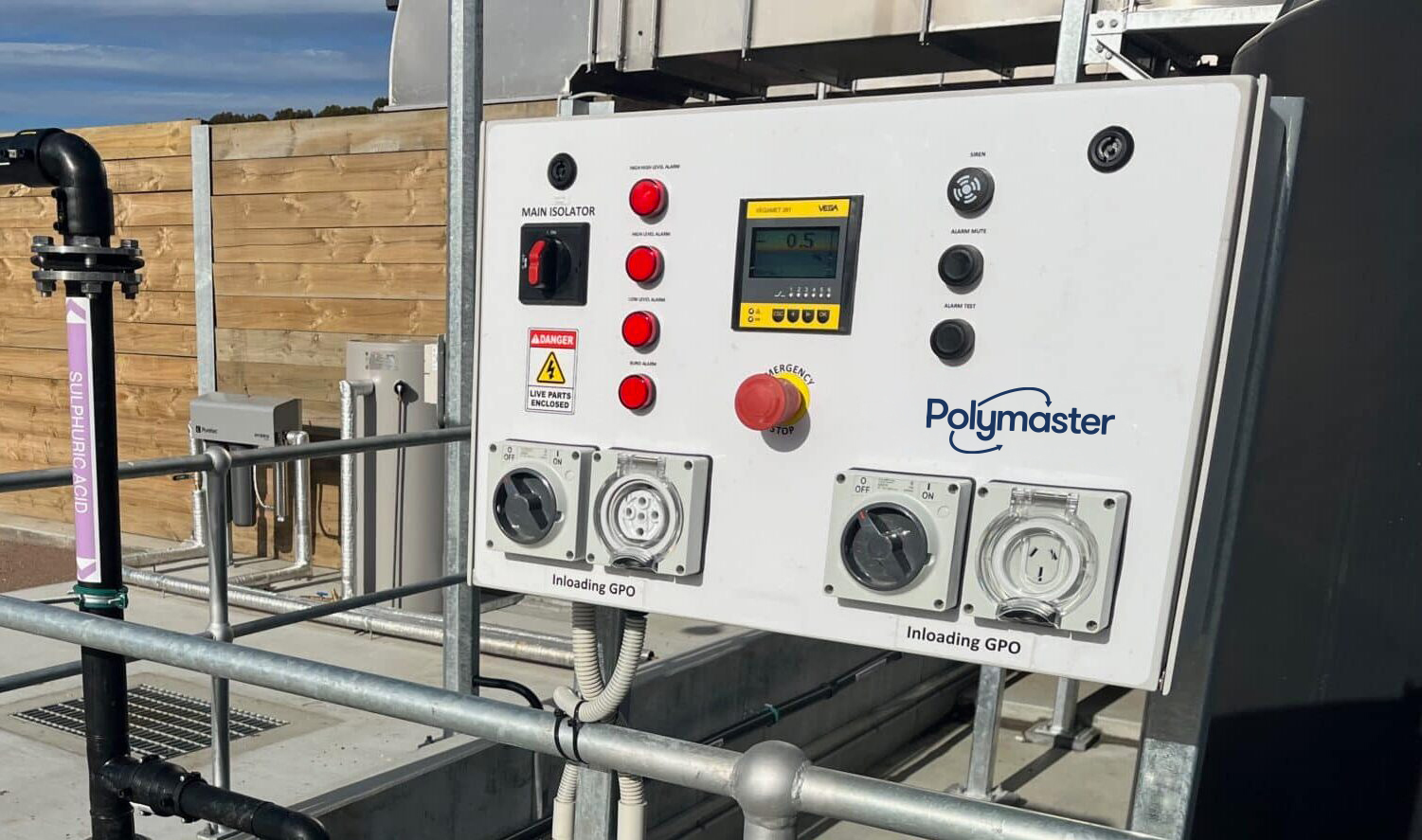
- High-level alarm on a pre-installed stand. Visual and audible, with an outdoor power point for the electrical connection.
- Lifting lugs. Moulded in, so it can be placed with an excavator rather than manhandled.
- 500kg rated lid. Rated for pedestrian loading.
BUILT FOR SEWAGE DUTY
Built to Handle Solids
This is the difference between the two configurations, and it is the one that will bring you back to site if it is wrong.
Sewage is not just dirty water. It carries solids and organic waste that have to be broken down before they enter a 40mm discharge line, because anything that makes it through intact will find the first bend and stop there. The sewer configuration uses a grinder pump that reduces solids before transfer, which is what keeps a narrow rising main clear over the long run.
The chamber does the rest. Moulded as one piece with no seams or joins, it seals in odour and shrugs off the corrosive side of black water, which is what eats concrete chambers from the inside over time.
WHERE THEY GO IN
Where Sewage Pump Stations Are Used
Basements and Split-Level Builds
Any fixture below the sewer main needs its waste lifted. Basement bathrooms, lower-ground amenities and split-level homes are the standard case.
Granny Flats and Secondary Dwellings
A new dwelling at the back of a block often sits too low, or too far from the connection, for gravity to work. The 700L unit handles most of this work.
Commercial Fit-Outs
Cafes, amenities blocks and tenancies added into existing buildings, where the drainage was never planned for what is going in now.
Small Multi-Residential
Townhouse and dual-occupancy work where the fall to the main runs out partway across the site.
Rural and Remote Properties
Properties and site accommodation with no reticulated sewer, where waste is lifted to a treatment or holding system on site.
Need more than 1300L, or a standby pump? Call us. A pump well with a pump specified to suit is often the better answer, and we will say so if it is.
GETTING THE SPEC RIGHT
How to Size a Sewage Pump Station
Four things decide the size. Work through them before you order and the install will go the way you planned it.
- Invert level of the incoming line. The inlet depth sets the minimum chamber height. This is usually what rules a size in or out first.
- Peak inflow. How much arrives during the busy part of the day, not the daily average. Undersize the chamber and the pump short cycles, which wears it out early.
- Head and run length. How high the rising main climbs and how far it runs. Both add up, and both set the pump duty required.
- Discharge point. Where it is going, at what level, and whether the water authority has conditions on the connection.
If you are between two sizes, call us before you order. It is a much cheaper conversation than a return trip.
HOW IT FITS THE SITE
Does a Pump Station Replace an On-Site Detention Tank?
No, and this catches people out. They do different jobs.
An on-site detention tank holds stormwater back and releases it slowly, so the development does not overload the street drainage during a storm. Councils impose it as a planning condition. A pump station moves water uphill when there is no fall. One controls the rate of release. The other provides the lift.
Plenty of sites need both. If your development has a detention condition on it and the discharge point sits above the collection point, you will be installing a detention tank and a pump station, not choosing between them.
ON SITE
Installing a Sewage Pump Station
The short version. Excavate, bed it, drop it in, connect three things, backfill.
Excavation
To the depth in the installation guide for the chamber size, with a clean base.
Bedding
A compacted layer of sand or crusher dust for a level seat.
Placement
Lifting lugs are moulded in. A mini excavator handles it, so there is no crane and no concrete surround on a standard install.
Connections
Inlet at the correct fall, 40mm outlet to the rising main, and power to the pump and alarm.
Backfill
Granular material in compacted layers. The ribbed profile anchors into it and resists uplift.
A licensed plumber and a licensed electrician are needed for the install. Requirements vary by council and state regulator.
Certification and Warranty
- AS/NZS 1546.1. Certified to the Australian and New Zealand standard for on-site domestic wastewater treatment units.
- Australian made. Moulded and assembled in Swan Hill, Victoria.
- 10-year warranty on the chamber. Covering the one-piece polyethylene vessel.
Highest Quality and Standards
Every Polymaster pump station is certified to the Australian standard for on-site wastewater, moulded as one piece, and made here. Here is what stands behind it.
10-Year Warranty
The polyethylene chamber is backed by a 10-year Polymaster warranty.
ISO 9001 Quality Management
Polymaster holds ISO 9001 certification, the international standard for quality management systems.
Independently Certified
Certified to AS/NZS 4766:2006 for polyethylene storage tanks.
Send Us the Flow and the Head
Tell us the catchment, the levels and where it has to discharge to. We will confirm the chamber size and the duty before you order, so the first install is the only one.
Reliability for every drop.
RELATED PRODUCTS
Other Wastewater and Stormwater Solutions
Pump stations are one part of the underground wastewater range. The rest of it is built the same way.
Pump Wells
The same certified one-piece chamber without the pump fitted, for when you would rather specify your own. Eight inlet positions and a flat pump base. Round or square lid.
View Range
Septic Tanks
Low-profile poly septic tanks in 3,100L and 4,550L, with the inlet, outlet and baffle already fitted. For properties with no sewer to connect to.
View Range
Stormwater and Grey Water Pump Stations
The same chamber with a pump built for stormwater, grit and surface water. For car parks, roof catchments and low-lying sites.
View Range
FAQs
Sewage Pump Station FAQs
Can a sewage pump station handle wipes and sanitary items?
It is built to handle what a normal sewage load contains, but wipes, rags and sanitary products are hard on any pump and are the most common cause of blockages in a lift station. On commercial and multi-residential sites it is worth putting signage in the amenities. If a site has a known problem with them, tell us at the quoting stage.
What happens during a power cut?
The pump stops and the chamber holds what comes in until power returns. How long you have depends on the chamber size and the inflow. The PS range is single pump. On sites where an outage cannot be tolerated, call us before you order and we will point you to a pump well with a duty and standby set-up instead.
Can it go under a driveway?
The standard lid is rated to 500kg, which is pedestrian loading, not vehicle loading. Anything trafficked needs a heavier lid class. Talk to us before you set the location.
How is the pump serviced?
It lifts out through the PVC barrel union without anyone entering the chamber or touching the liquid. That keeps servicing quick and keeps it within confined space requirements, since nobody has to go in.
How far can it pump?
That depends on the head, the run length and the pipe size, which is why the discharge point is one of the first things to work out. Call us with the levels and the distance and we will confirm whether the duty suits.
Can I use a stormwater pump station for sewage instead?
No. The two configurations use different pumps for a reason. A stormwater unit is not built to break down solids, and putting sewage through one will block the discharge line. If you are moving sewage, use the sewer configuration.
Does it need venting?
Yes. Venting must be installed to the relevant plumbing standard for the installation. Your local requirements will set the detail.