


Home Chemical & Industrial Chemical Storage Tanks Application Industrial Alkali Storage
Industrial Alkali Storage Solutions
Alkalis are among the most widely used chemicals in Australian industrial, water treatment and manufacturing operations, and safe, compliant bulk storage protects personnel, the environment and continuity of supply.
Common industrial alkalis including caustic soda (sodium hydroxide), magnesium hydroxide and sodium carbonate are classified as Class 8 Corrosive Substances under the Australian Dangerous Goods Code. Storing them calls for purpose-built containment matched to the specific properties of the alkali, its concentration and the conditions on site.
What is Industrial Alkali Storage?
Industrial alkali storage refers to the bulk containment of strongly basic chemicals used in manufacturing, water treatment and process operations.
Alkalis including sodium hydroxide, magnesium hydroxide and sodium carbonate are used across pH control, chemical synthesis, water treatment, food processing and industrial cleaning, and their storage is governed by AS 3780:2023, The Storage and Handling of Corrosive Substances, which sets out requirements for tank materials, secondary containment, ventilation, segregation and labelling.
Alkalis are generally less fuming than acids, but they are highly corrosive to skin and eyes and will degrade incompatible tank materials over time. Correct material selection matters just as much for alkali storage as it does for acid storage.
- Alkalis must be stored in tanks manufactured from chemically compatible materials. Not all poly tanks are suitable.
- Secondary containment is required under AS 3780:2023 for outdoor alkali storage.
- Caustic soda can crystallise at low temperatures, so storage temperature management matters for liquid sodium hydroxide.
- Alkalis must be stored separately from acids and other incompatible materials, which can react violently on contact.
Industries That Require Bulk Alkali Storage
Water and Wastewater Treatment
Caustic soda and magnesium hydroxide are used for pH correction, alkalinity adjustment and chemical dosing, making bulk alkali storage standard infrastructure at treatment plants across Australia.
Mining and Resources
Caustic soda is used in aluminium refining through the Bayer process and in gold and mineral processing for pH control. Magnesium hydroxide is used to neutralise acid mine drainage.
Food and Beverage Processing
Caustic soda is used in clean-in-place systems, bottle and equipment washing and pH adjustment across food, dairy and beverage manufacturing. Sodium carbonate is used in food-grade cleaning.
Pulp and Paper Manufacturing
Caustic soda is a critical input in kraft pulping, delignification and bleaching, making bulk alkali storage a major infrastructure requirement at paper mills.
Industrial Cleaning and Manufacturing
Strong alkalis including sodium hydroxide are used in industrial cleaning, degreasing, metal treatment and chemical synthesis across manufacturing operations.
Odour Control in Wastewater Systems
Magnesium hydroxide is widely used at wastewater pump stations and rising mains to neutralise hydrogen sulphide, which calls for reliable bulk storage with dosing capability.
Alkali Storage Compliance
What AS 3780:2023 Requires
Compatible Tank Material for Alkali Storage
AS 3780:2023 requires alkalis to be stored in containers manufactured from chemically compatible materials. For bulk liquid alkalis, chemical grade polyethylene is the most widely used compatible material in Australian industry. Standard poly rainwater tanks must never be used, since they are not manufactured to the required chemical grade.
Secondary Containment for Alkali Storage
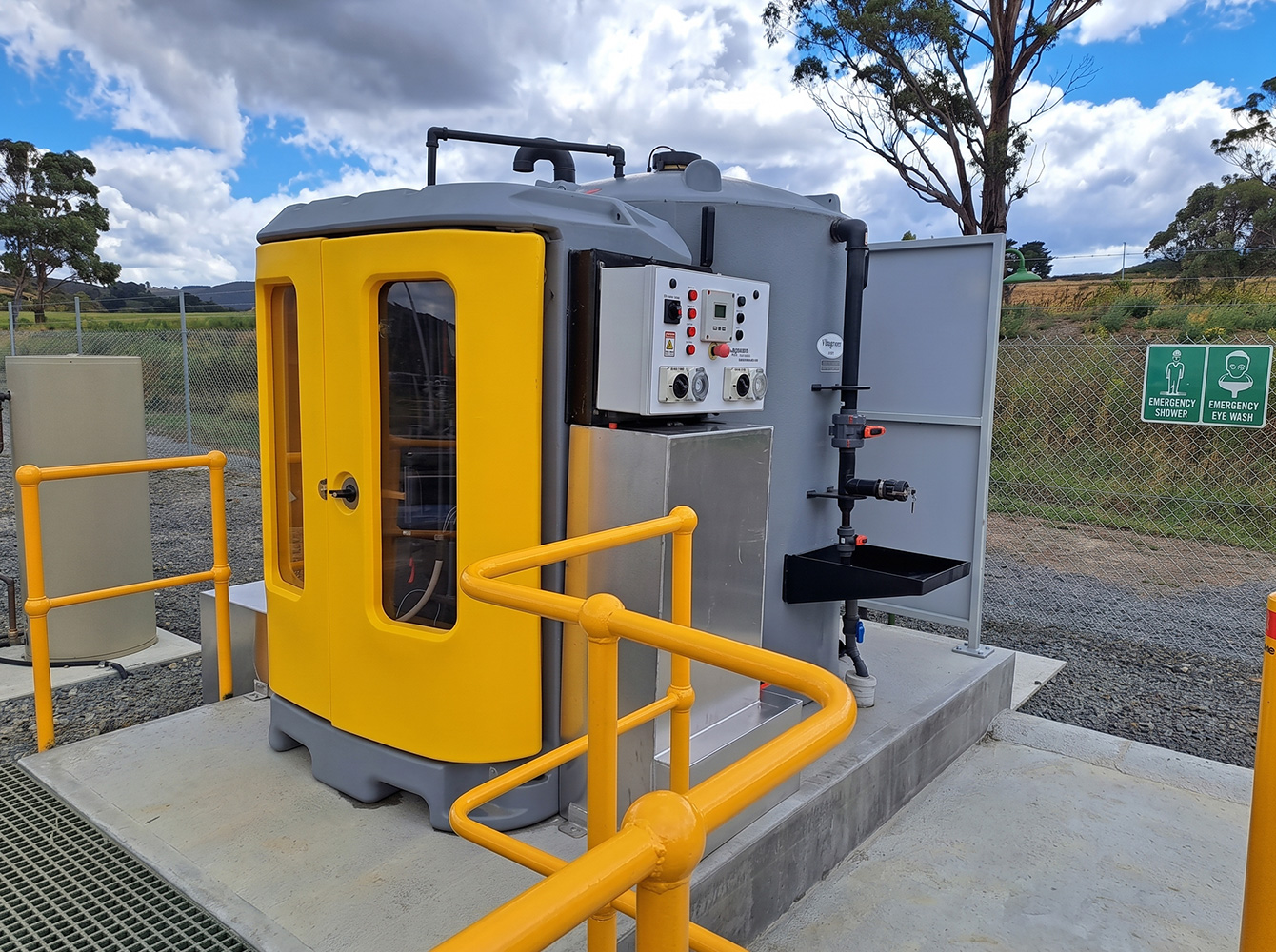
AS 3780:2023 requires secondary containment for outdoor alkali storage capable of capturing the full volume of the largest tank in the system. Integrated self-bunded poly tanks provide 110% of the internal tank volume without a separate bund structure, cutting installation cost and footprint substantially.
Temperature Management for Caustic Soda Storage
Liquid caustic soda can crystallise at temperatures below approximately 12 to 15 degrees Celsius depending on concentration, which blocks outlet fittings and stresses tank components. Correct tank placement, insulation or integrated heating may be required in cooler climates or exposed locations.
Segregation and Labelling
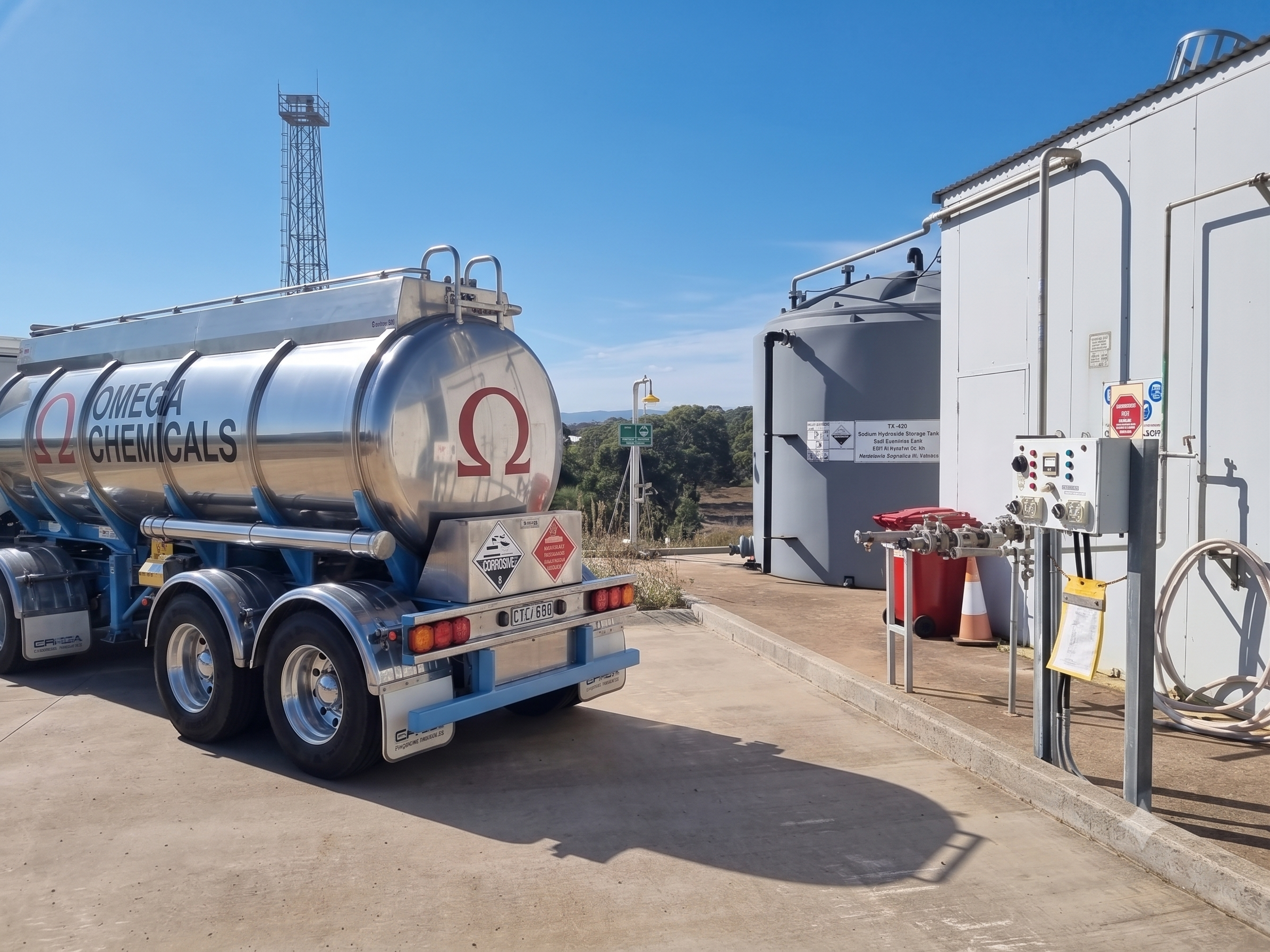
AS 3780:2023 requires alkalis to be stored separately from acids and other incompatible substances that react violently on contact. Every container must be clearly labelled with its contents, hazard class and relevant safety information, with dangerous goods placarding as required for a Class 8 Corrosive Substance.
Polymaster Solutions for Industrial Alkali Storage
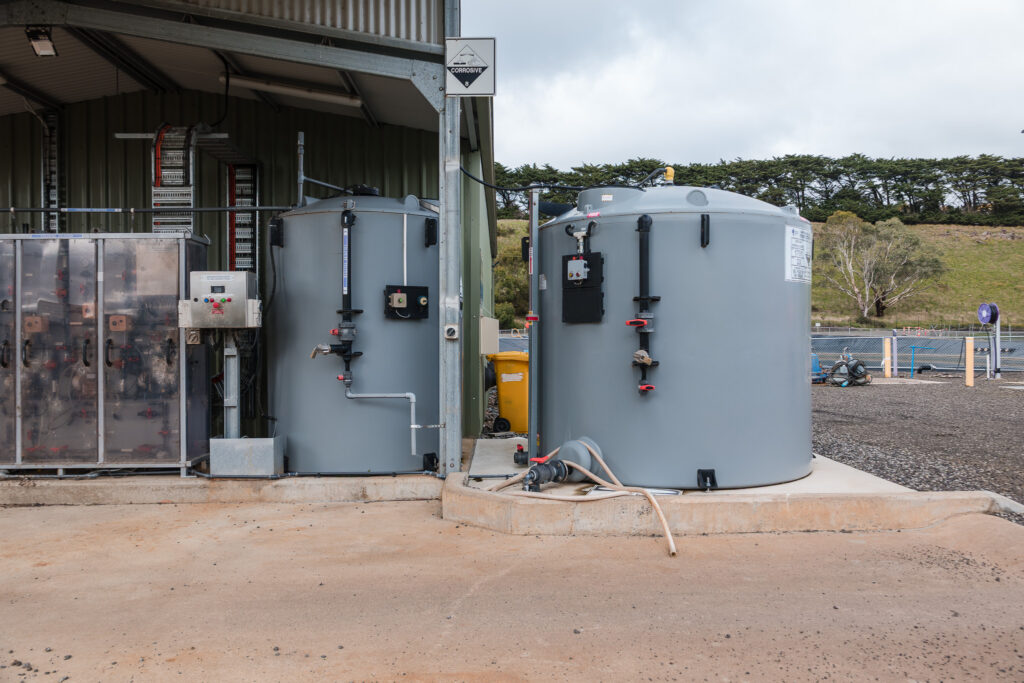
Caustic Soda Storage, Sodium Hydroxide
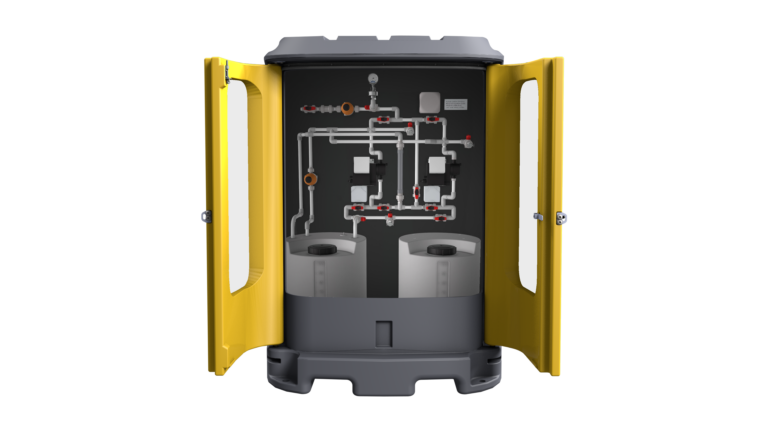
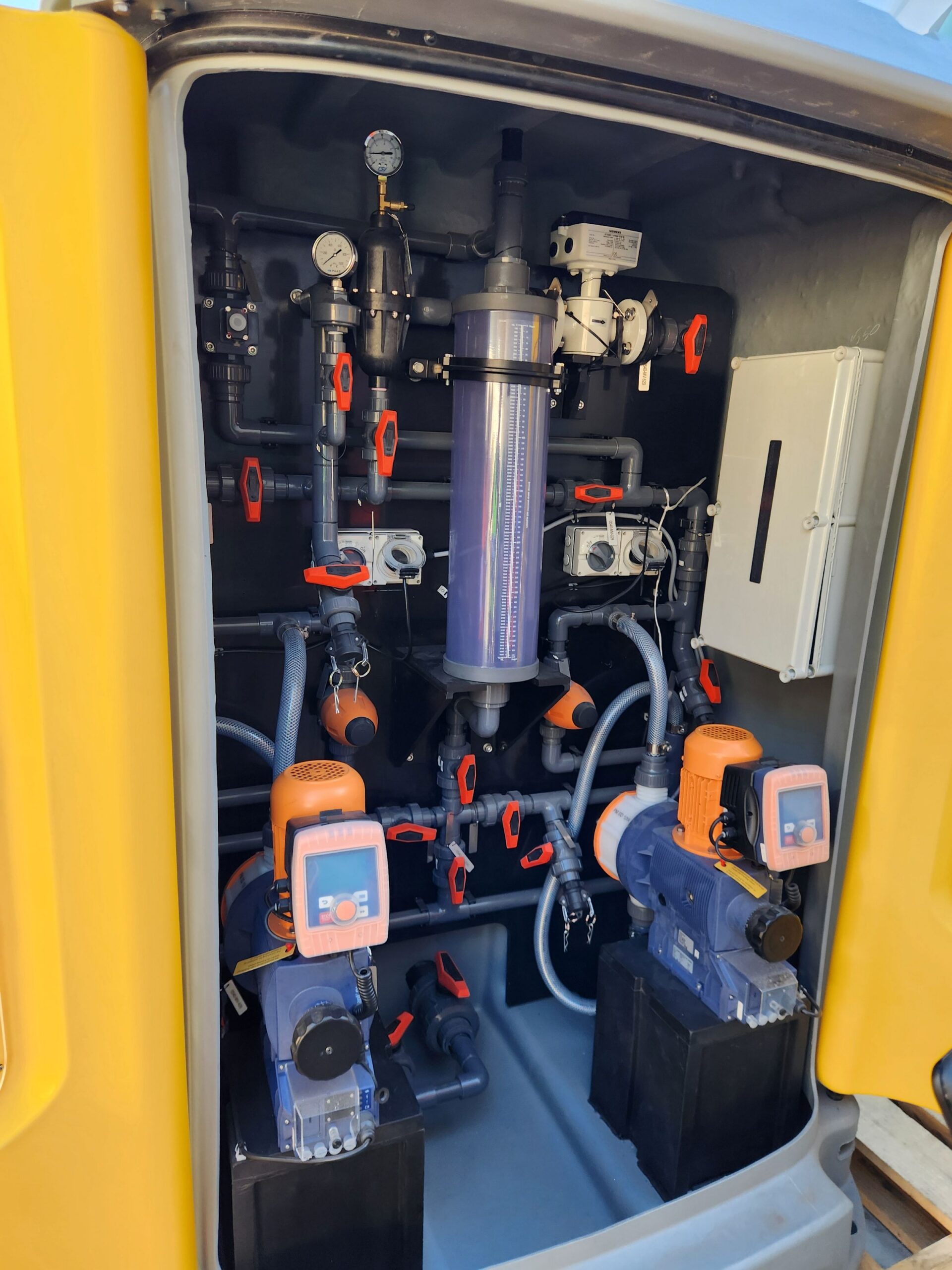
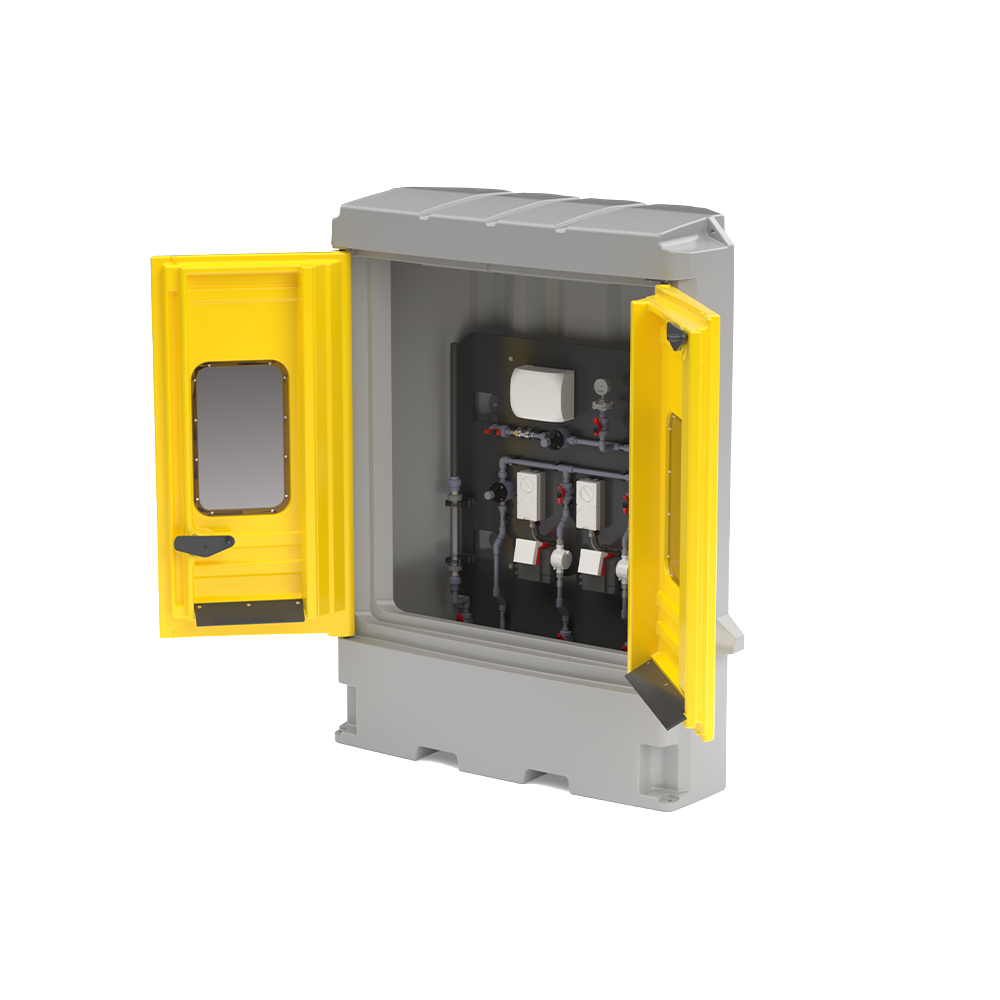
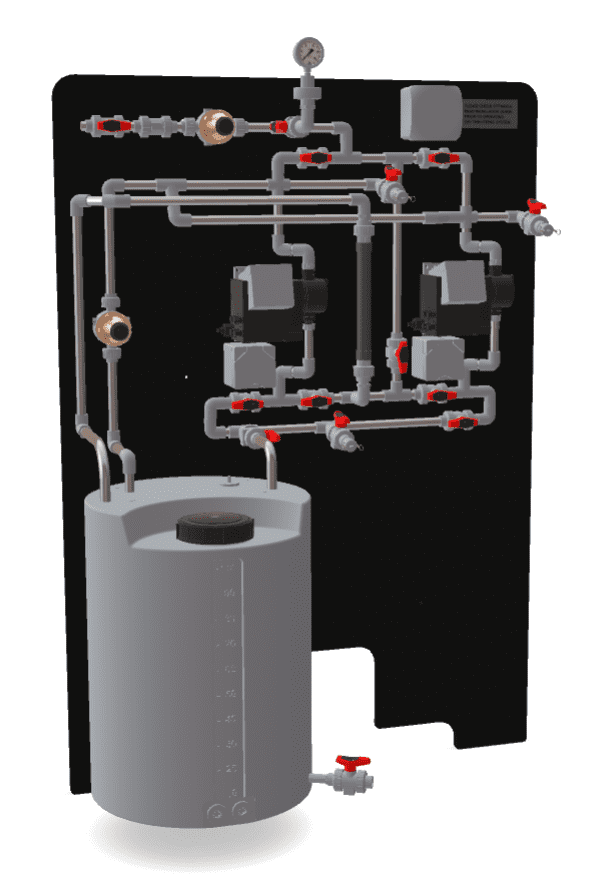
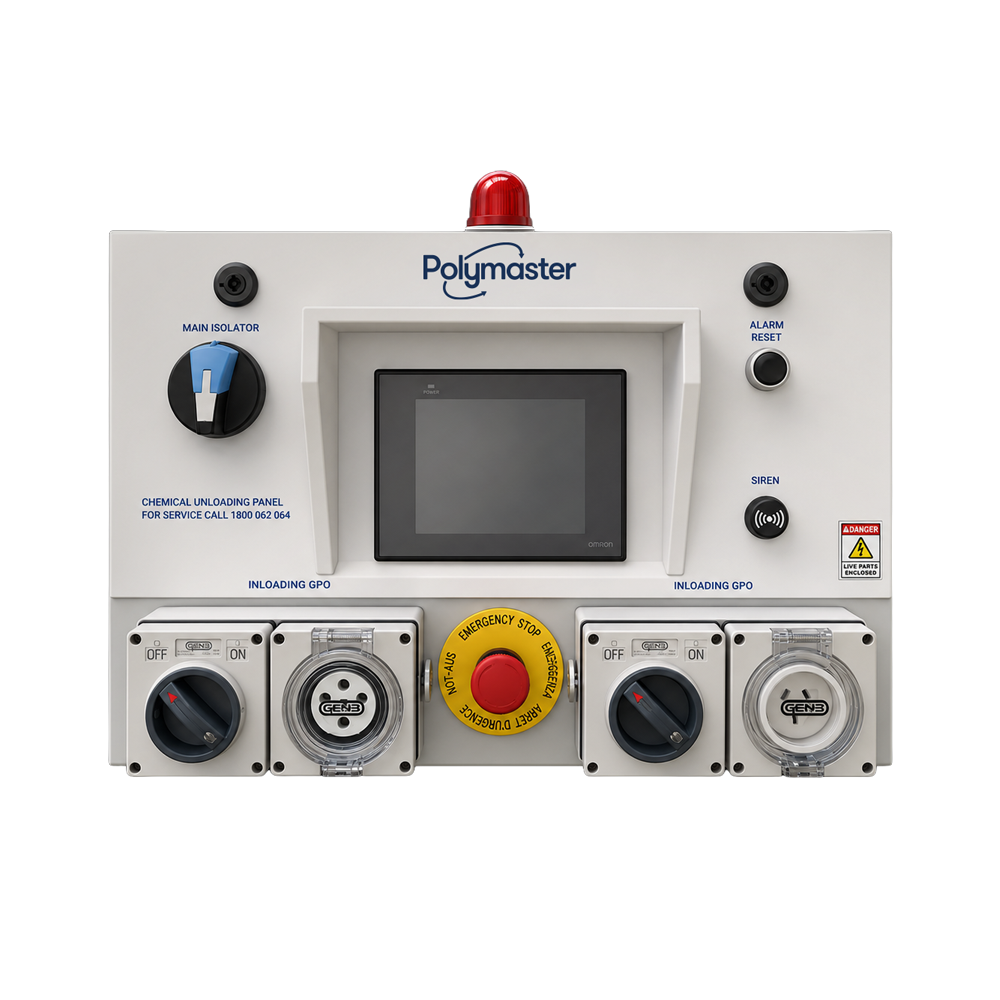
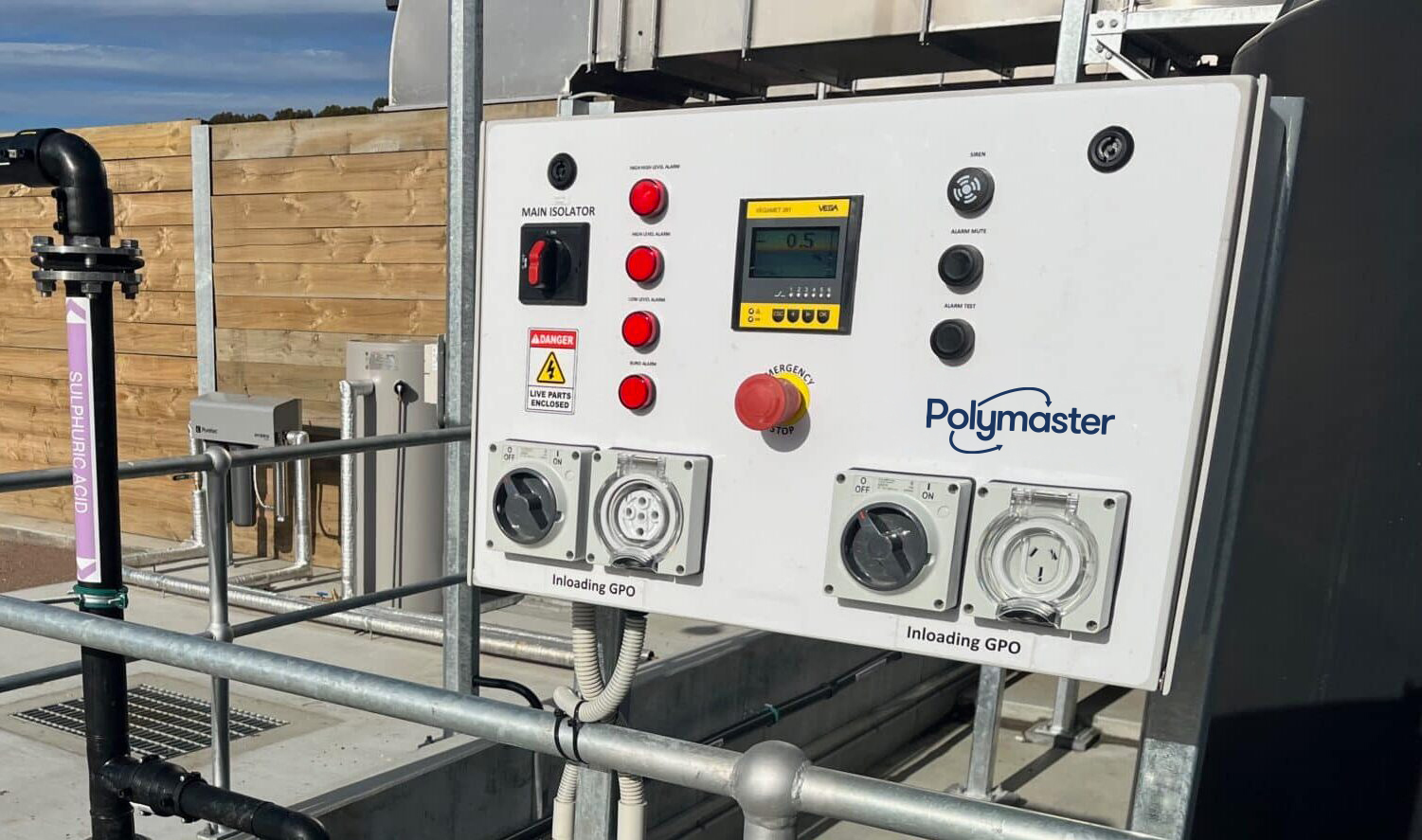
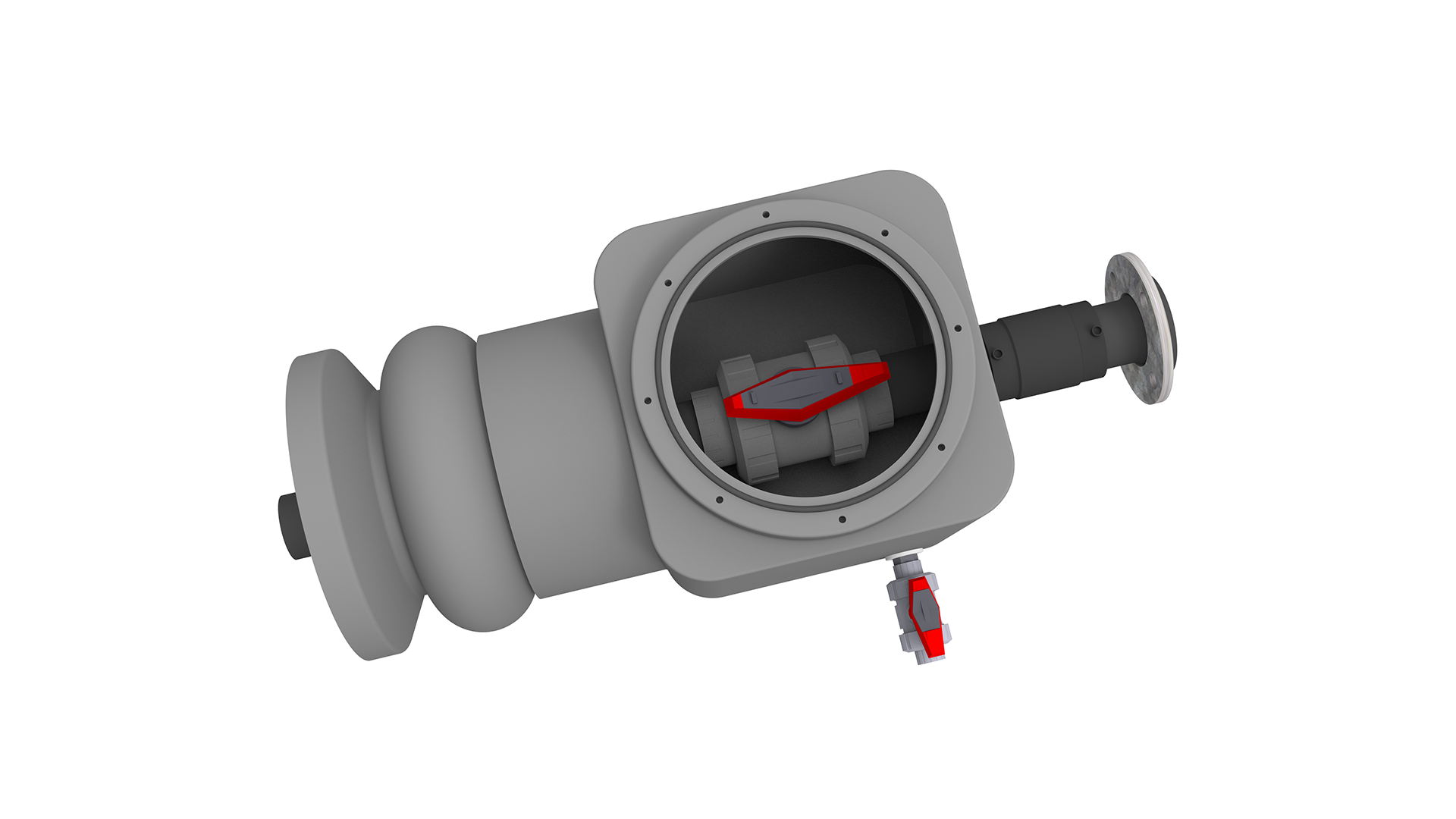
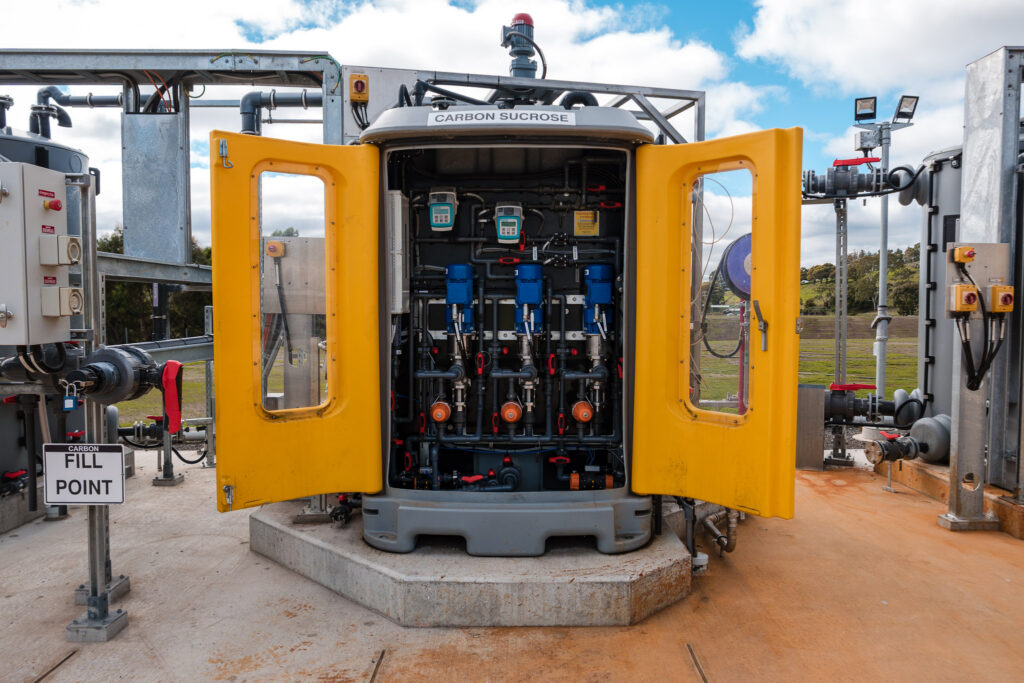
Self-bunded poly tanks for caustic soda with 110% secondary containment built in. Pre-engineered and custom dosing systems available.
View Product
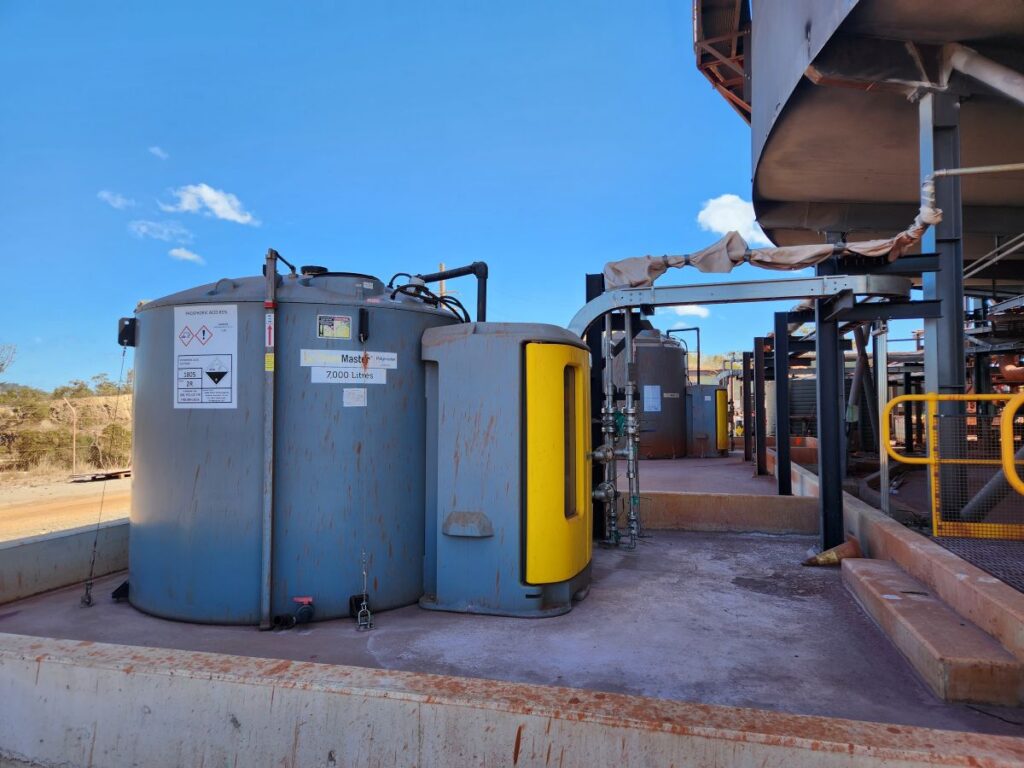
Magnesium Hydroxide Storage
Chemical grade poly tanks and dosing systems for magnesium hydroxide, widely used in odour control and wastewater pH correction.
View Product
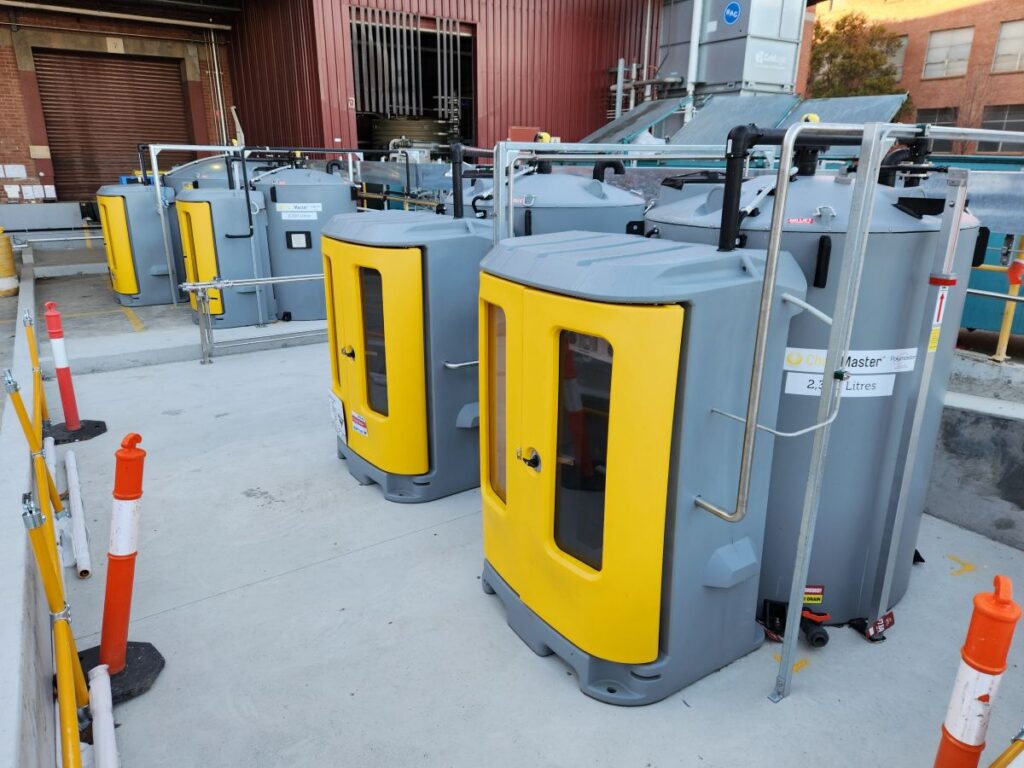
Sodium Carbonate Storage
Chemical grade poly tanks for sodium carbonate in food processing, industrial cleaning and water treatment applications.
View Product
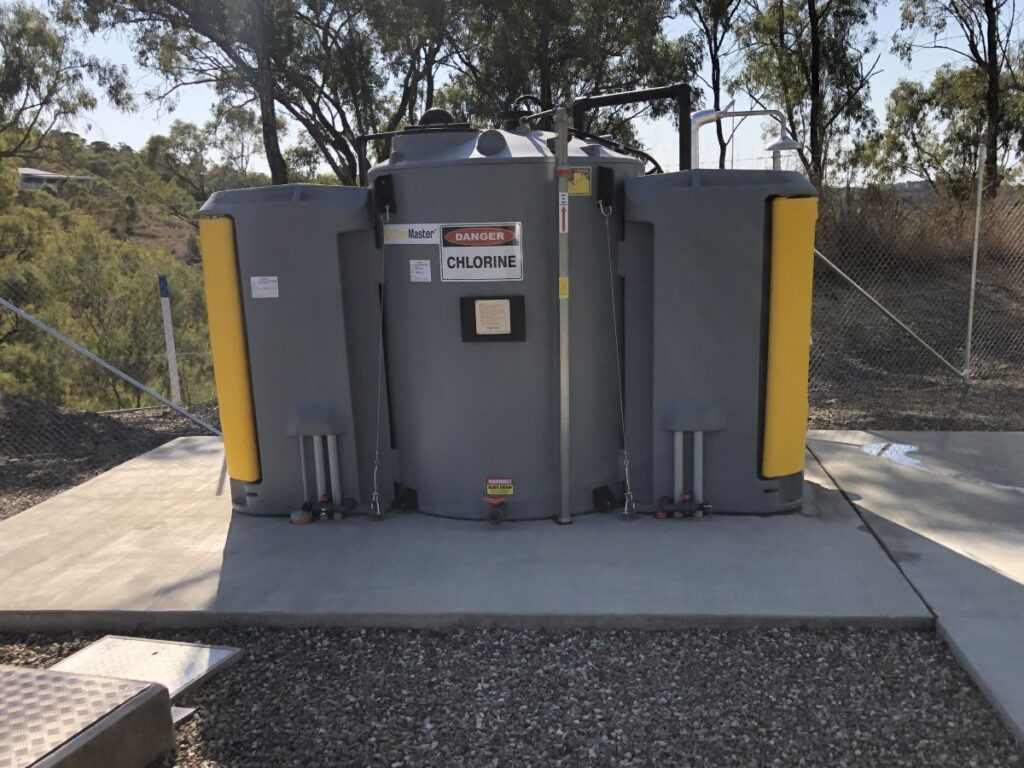
Self-Bunded Chemical Tanks
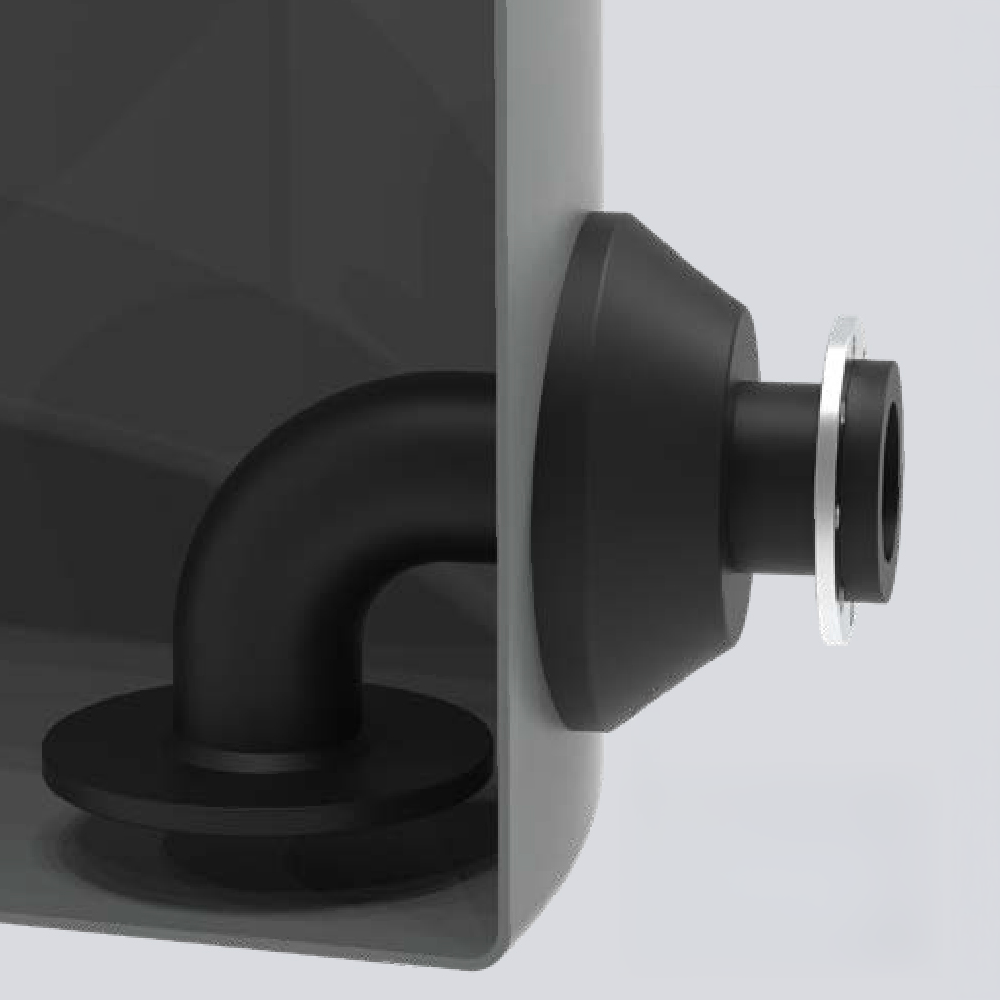
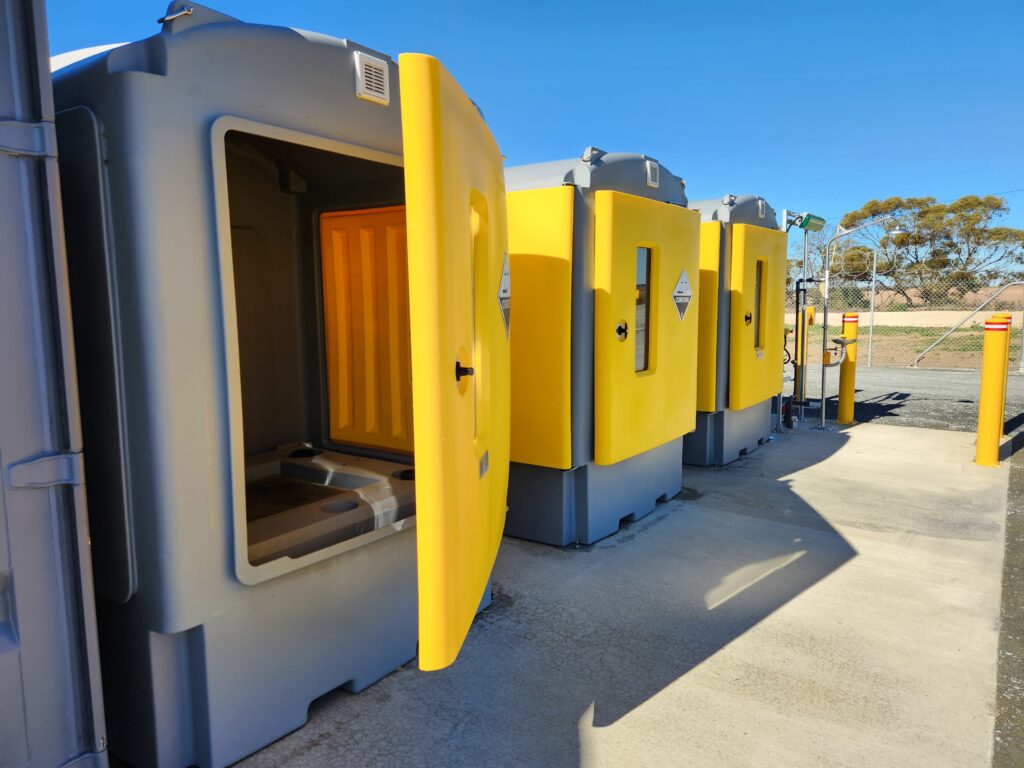
Integrated 110% secondary containment for bulk alkali storage from 110L to 30,000L. No separate bund structure required.
View Product
How Polymaster Supports Industrial Alkali Storage
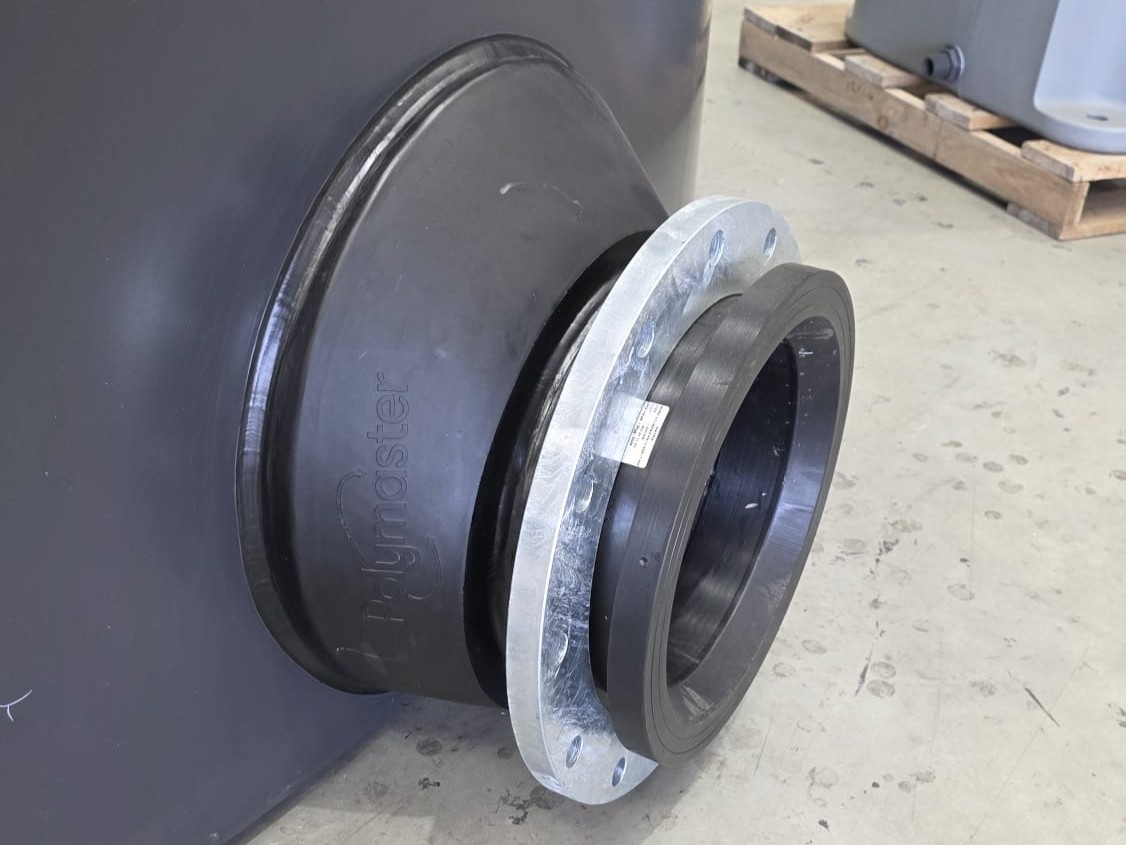
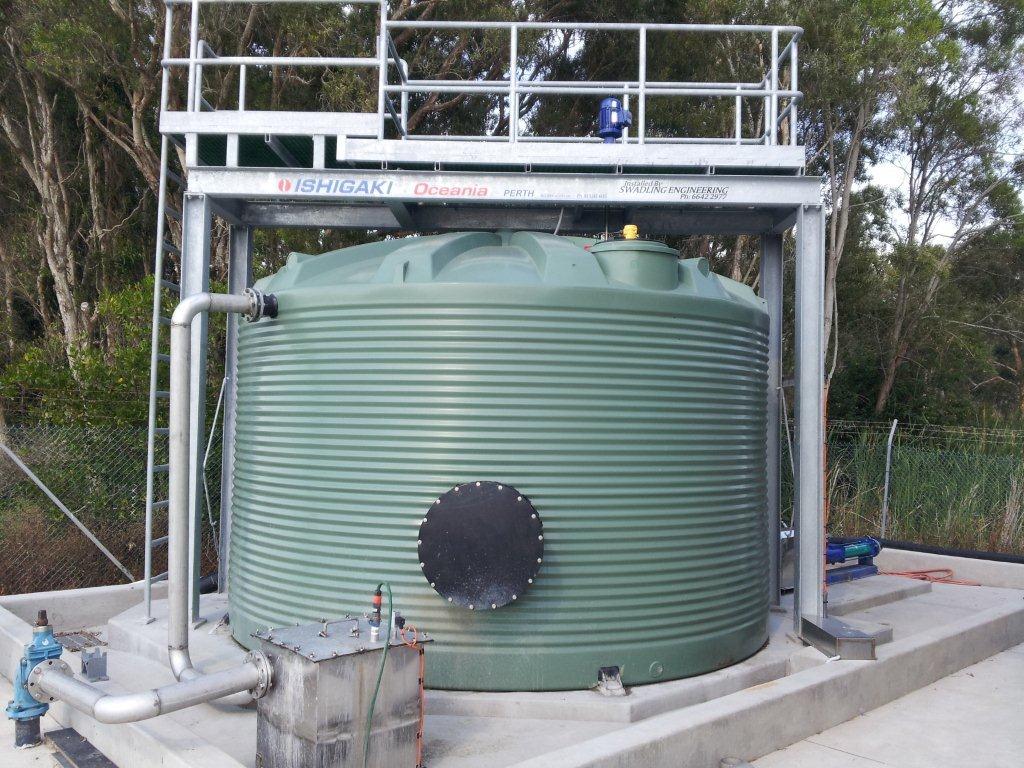
Polymaster manufactures purpose-built poly containment for industrial alkali storage across water treatment, mining, food and beverage and manufacturing applications throughout Australia. Tanks can hold more than 1,965 chemicals, including caustic soda, magnesium hydroxide and sodium carbonate, with specially formulated PE material options available for the most aggressive duties.
Our engineers match each tank to the chemical, the concentration and the conditions on site, and insulation or integrated heating can be specified where caustic soda is stored in cooler climates. Pre-engineered and custom dosing systems, GA drawings, step files, datasheets and the Chemical Compatibility Chart are all available.
Providing Australian Industries with Chemical Storage Solutions for Over 30 Years
Polymaster chemical storage tanks are Australian made, independently certified to AS/NZS 4766:2020 and AS/NZS 4020, and trusted by water utilities, industrial operators and civil contractors across Australia.
Trusted by Australian Businesses to Deliver These Projects
Polymaster alkali storage and containment is specified on water treatment, mining, industrial and municipal projects across the country.
Need a Compliant Alkali Storage Solution?
Our team can help you specify a compliant bulk alkali storage solution for your chemical, concentration and site. Tell us what you are storing and how much, and we will work through the rest with you.


FAQs
Frequently Asked Questions about Industrial Alkali Storage
What alkalis are commonly stored in bulk industrial applications?
Caustic soda (sodium hydroxide) is the most widely used, followed by magnesium hydroxide and sodium carbonate. Caustic soda dominates in pulp and paper, mining, food and beverage cleaning and pH correction. Magnesium hydroxide is common in wastewater odour control and pH adjustment. Sodium carbonate appears in food processing, industrial cleaning and water treatment.
What tank material is compatible with caustic soda storage?
Chemical grade polyethylene is widely used for caustic soda across the typical bulk concentration range at ambient temperatures. A standard rainwater tank is not suitable, because it is made from potable water grade polyethylene rather than a chemical grade. Compatibility is confirmed against the Polymaster Chemical Compatibility Chart before a tank is specified, since concentration and temperature both affect the answer.
What secondary containment is required for bulk alkali storage?
AS 3780:2023 requires containment capable of capturing the full volume of the largest tank in the system. Polymaster self-bunded tanks provide 110% bund capacity built into the unit, so the containment arrives with the tank rather than being constructed separately on site.
What happens if caustic soda is stored at too low a temperature?
It crystallises. Liquid caustic soda can begin to crystallise below approximately 12 to 15 degrees Celsius depending on concentration. Crystals block outlet fittings and pipework, disrupt dosing and stress tank components, so in cooler climates or exposed locations insulation or integrated heating keeps the liquid above that point.
What chemicals must not be stored with alkalis?
Acids, above all. Alkalis and acids react violently on contact, so AS 3780:2023 requires them to be segregated. Oxidisers and other incompatible substances need separating as well, with every container clearly labelled with its contents and hazard class.
What is the difference between caustic soda and magnesium hydroxide for pH correction?
Caustic soda acts fast and lifts pH sharply, which suits applications needing rapid correction, though it overshoots easily and is more hazardous to handle. Magnesium hydroxide works more gradually and is self-limiting, so pH is harder to overshoot, which makes it the common choice for wastewater odour control and sustained alkalinity adjustment. Both need chemical-grade storage and secondary containment.
Does Polymaster supply dosing systems for caustic soda?
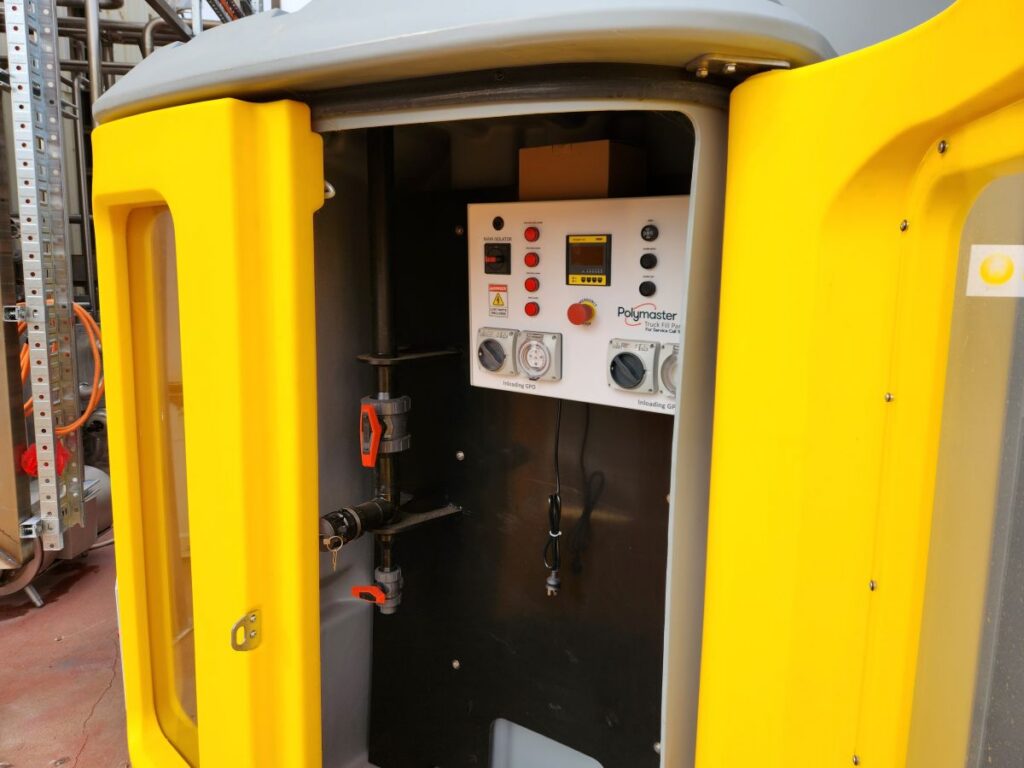
Yes. Pre-engineered and custom dosing systems are available, and they can be supplied as a stand-alone cabinet or integrated with a self-bunded tank. Every system is assembled and tested before it leaves the factory.
How do I choose the right poly tank for caustic soda storage?
Start with the concentration and the volume you need on site, then look at the conditions. Cold or exposed sites need insulation or heating to prevent crystallisation. From there, work out whether containment is integrated or separate, and what fittings, level monitoring and access the installation requires. Our engineers work through it and confirm compatibility before anything is specified.