
Self Bunded Chemical Tanks
A double-walled “tank in a tank” with minimum 110% containment, designed in line with AS 3780 and certified to AS/NZS 4766. Compatible with over 1,900 chemicals.
Self bunded means no separate concrete bunding, so you cut install cost and footprint while keeping your chemicals, your people and the environment protected.
POLYMASTER SELF BUNDED CHEMICAL TANK SOLUTIONS
Browse Our Range of Self Bunded Chemical Tanks
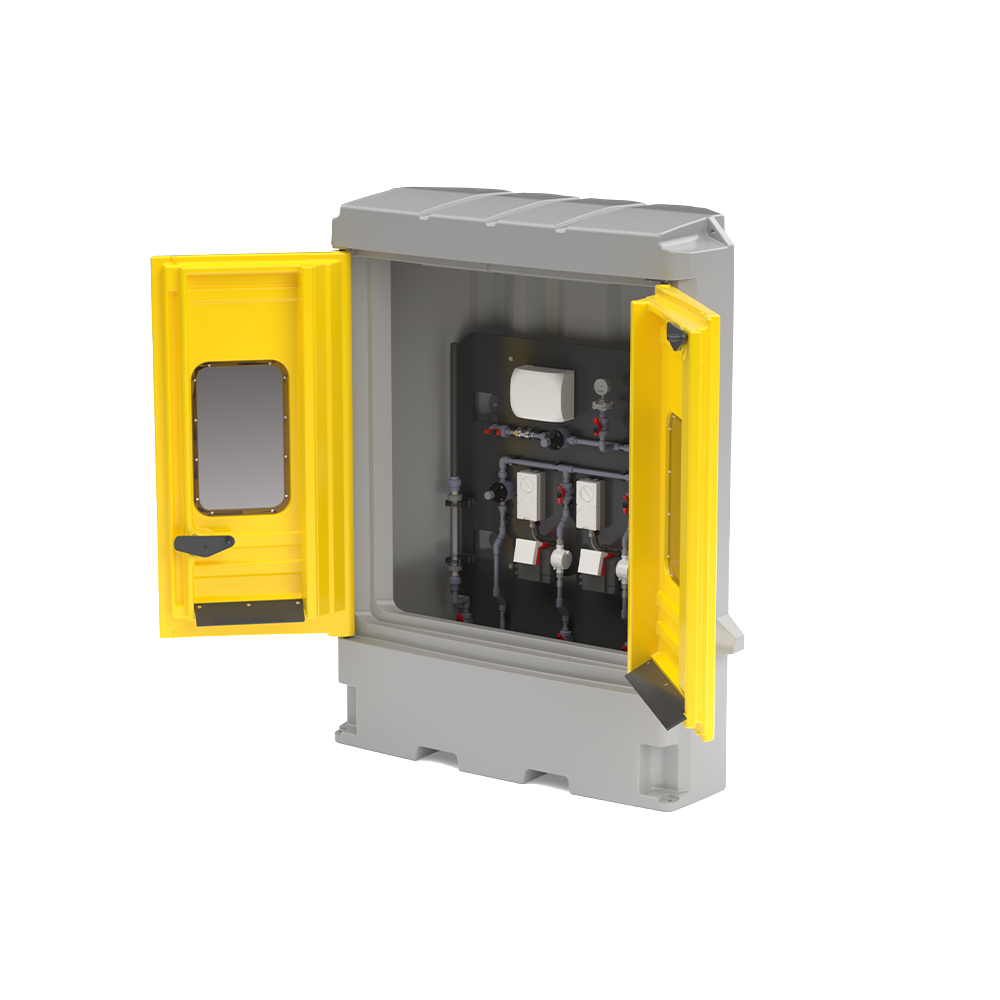
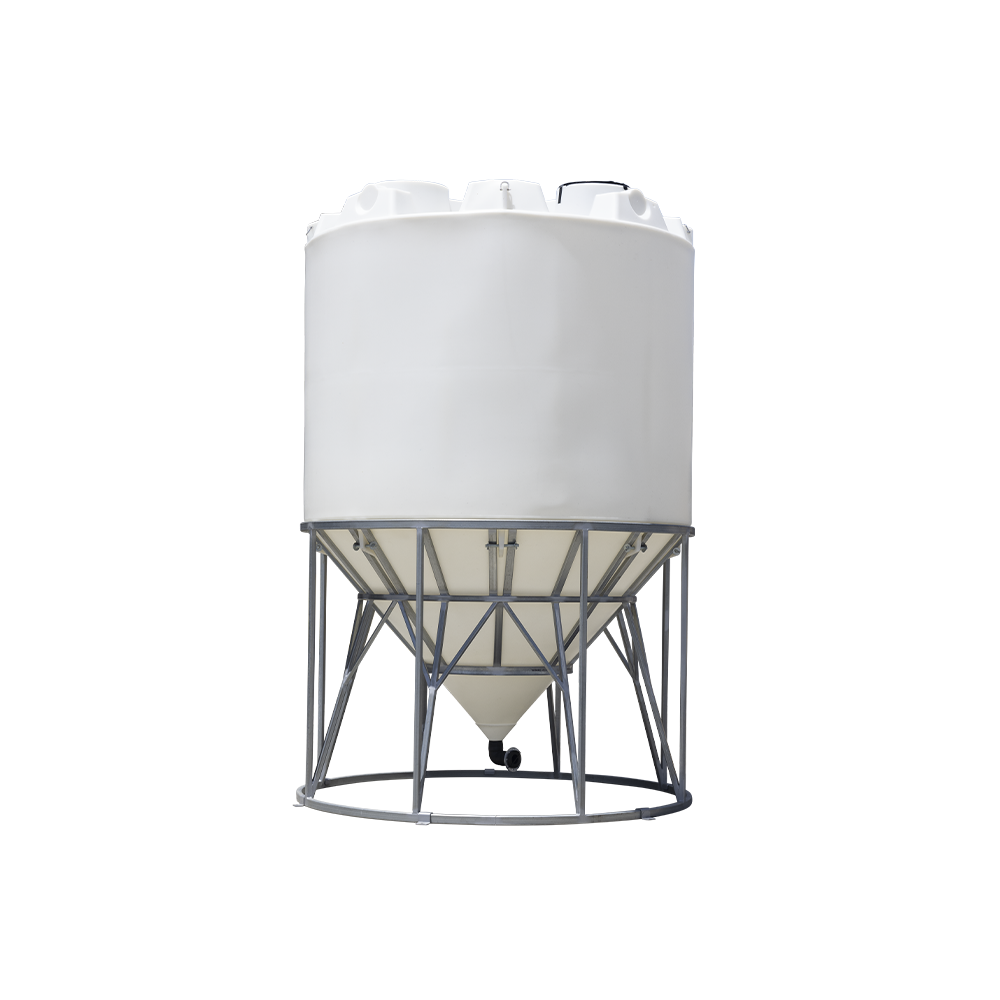
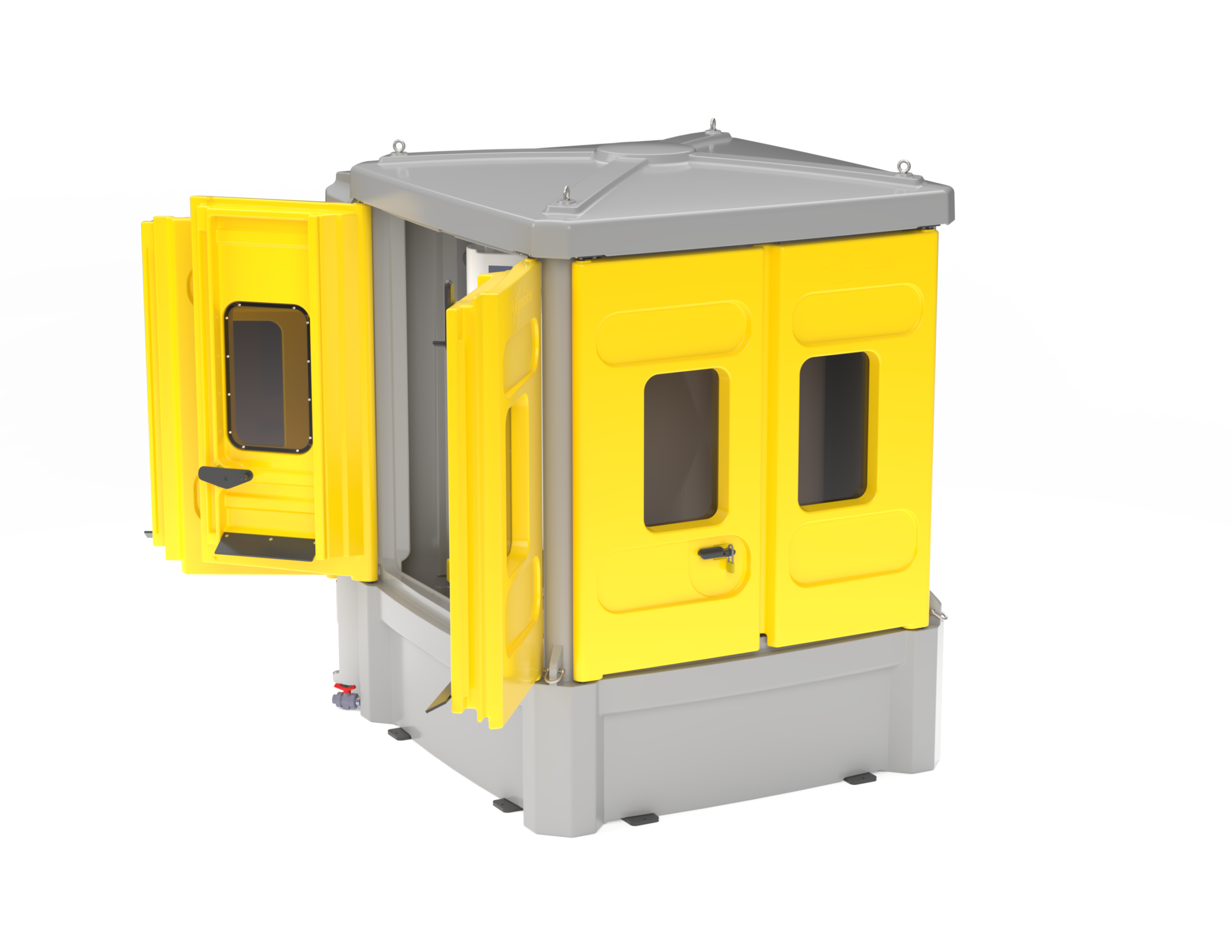
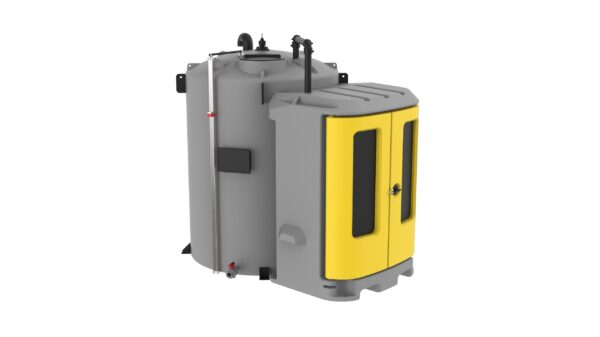
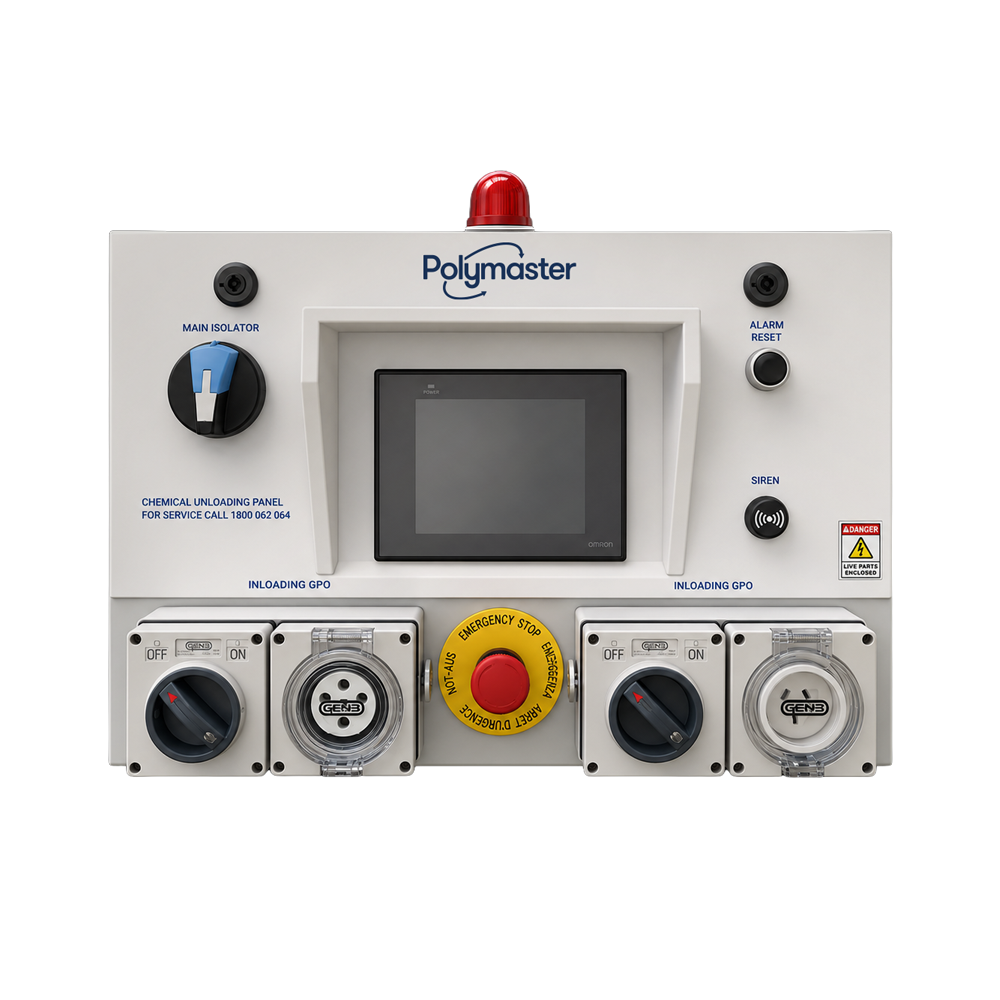
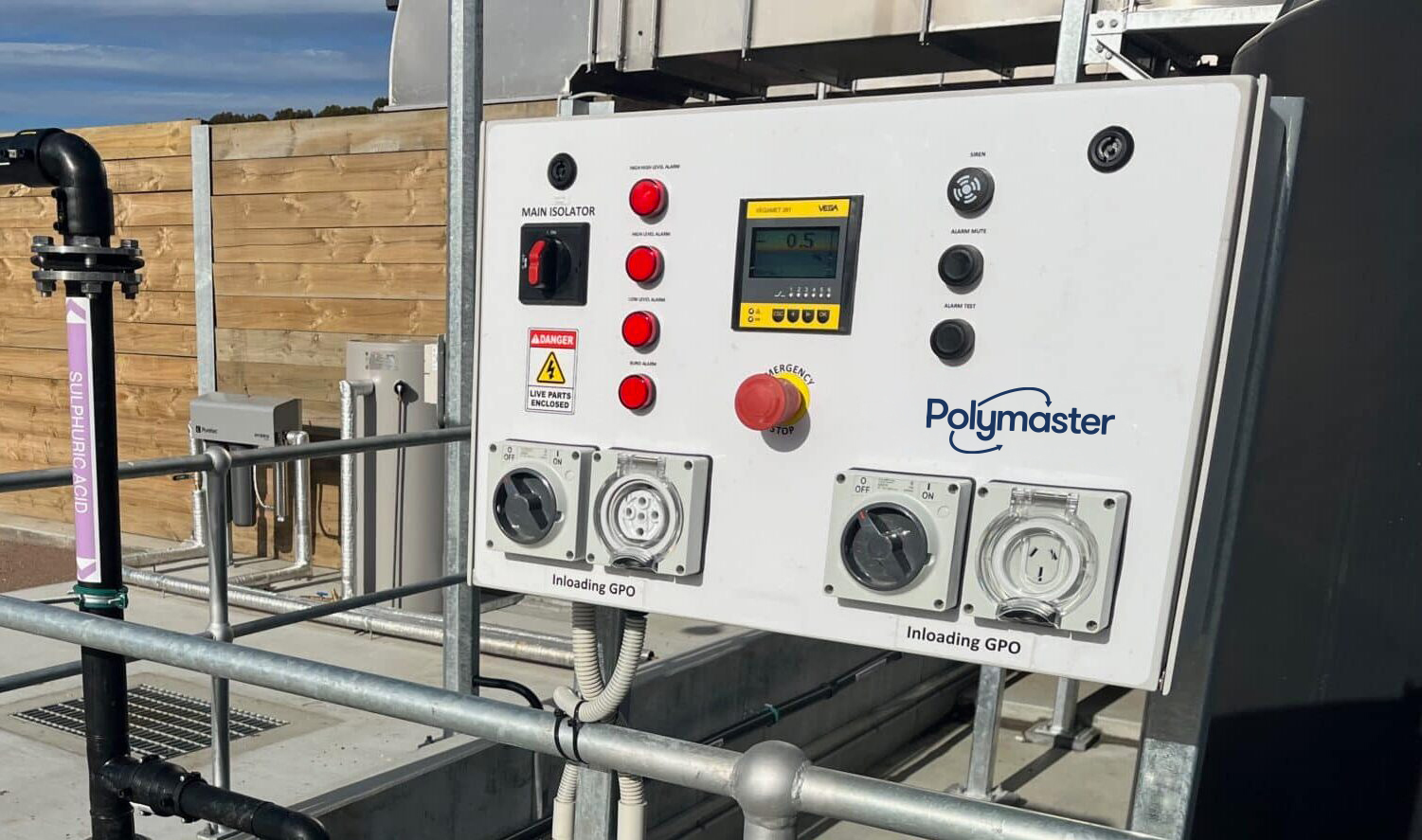
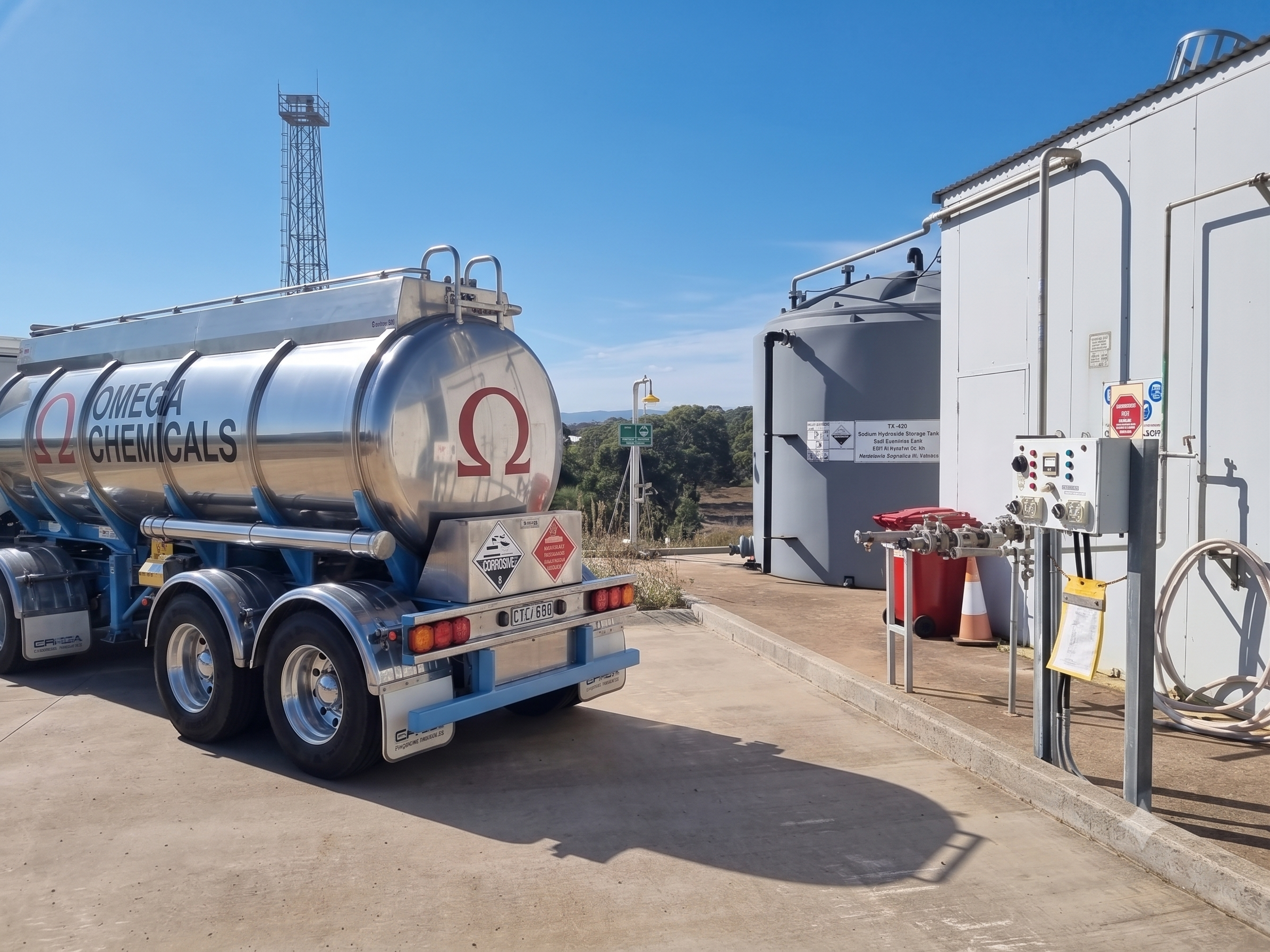
Polymaster’s self bunded chemical range is available from 1,500L to 30,000L, with a choice of Specific Gravity (SG) ratings to suit your application. Optional lockable cabinets, truck fill panels and level indication can be added, and tanks can be joined together with double-containment connections for unlimited combined capacity.
| Code | Product | Capacity | Diameter (mm) | Height (mm) | SG Available | ||
|---|---|---|---|---|---|---|---|
| BPST1500 | 1,500L Self Bunded Chemical Tank | 1,500L | 1170 | 2250 | 1.5 / 2 | Download Datasheet Download Drawing Download STEP File | |
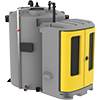
| BPST2300 | 2,300L Self Bunded Chemical Tank | 2,300L | 1600 | 2200 | 1.5 / 2 | Download Datasheet Download Drawing Download STEP File | |
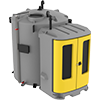
| BPST3300 | 3,300L Self Bunded Chemical Tank | 3,300L | 1800 | 2200 | 1.5 / 2 | Download Datasheet Download Drawing Download STEP File | |
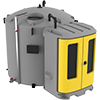
| BPST5000 | 5,000L Self Bunded Chemical Tank | 5,000L | 2200 | 2200 | 1.5 / 2 | Download Datasheet Download Drawing Download STEP File | |
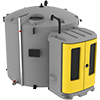
| BPST7000 | 7,000L Self Bunded Chemical Tank | 7,000L | 2500 | 2380 | 1.5 / 2 | Download Datasheet Download Drawing Download STEP File | |
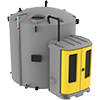
| BPST10000 | 10,000L Self Bunded Chemical Tank | 10,000L | 2500 | 2700 | 1.5 / 2 | Download Datasheet Download Drawing Download STEP File | |
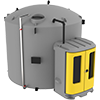
| BPST13000 | 13,000L Self Bunded Chemical Tank | 13,000L | 3050 | 2900 | 1.5 / 2 | Download Datasheet Download Drawing Download STEP File | |
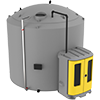
| BPST21000 | 21,000L Self Bunded Chemical Tank | 21,000L | 3570 | 3570 | 1.5 / 2 | Download Datasheet Download Drawing Download STEP File | |
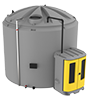
| BPST30000 | 30,000L Self Bunded Chemical Tank | 30,000L | 3880 | 3646 | 1.5 / 2 | Download Datasheet Download Drawing Download Step File |
1,500L Self Bunded Chemical Tank
BPST1500
2,300L Self Bunded Chemical Tank
BPST2300
3,300L Self Bunded Chemical Tank
BPST3300
5,000L Self Bunded Chemical Tank
BPST5000
7,000L Self Bunded Chemical Tank
BPST7000
10,000L Self Bunded Chemical Tank
BPST10000
13,000L Self Bunded Chemical Tank
BPST13000
21,000L Self Bunded Chemical Tank
BPST21000
30,000L Self Bunded Chemical Tank
BPST30000
Can't Find What You're Looking For?
Not sure which size or SG rating is right for your application? Our team can help you match the right tank and configuratiom
HOW THE TANK-IN-A-TANK WORKS
A Tank Within a Tank
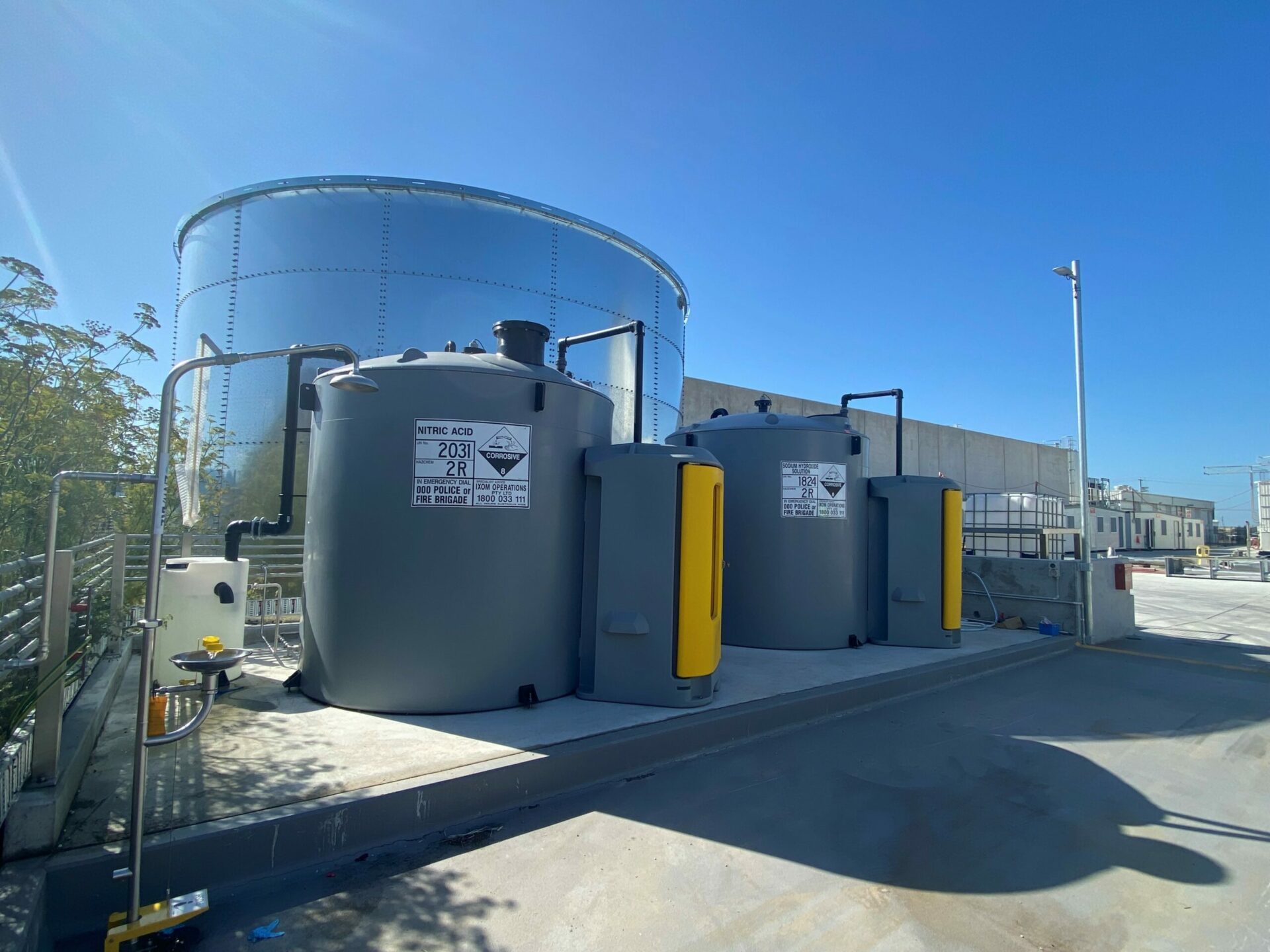
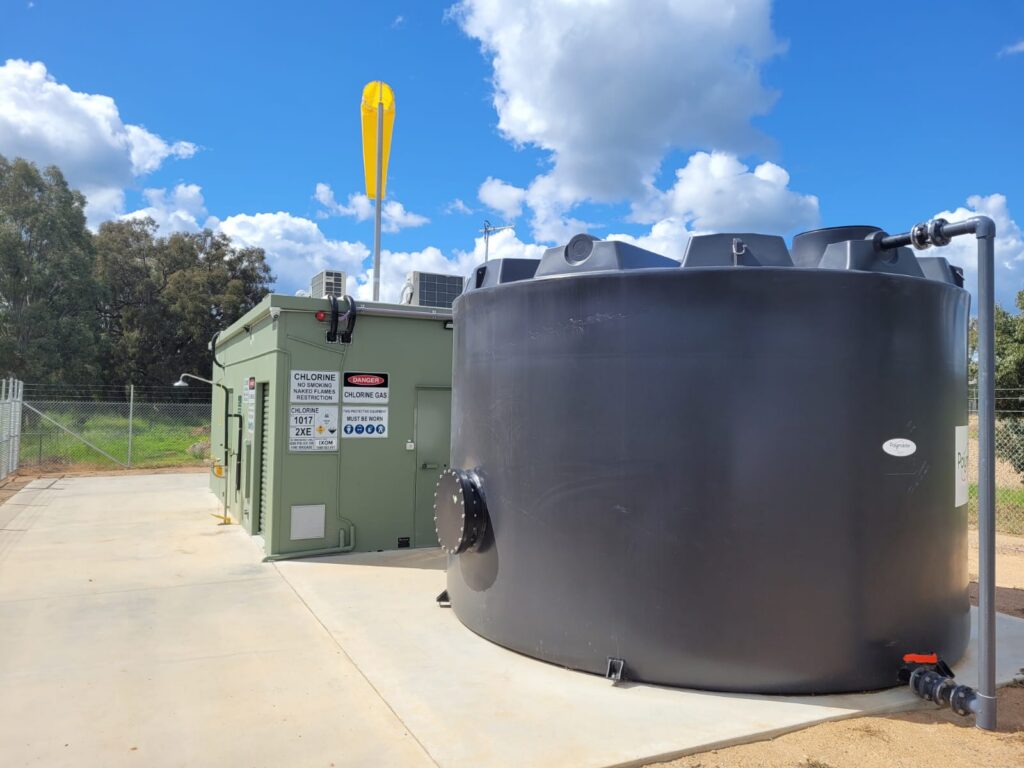
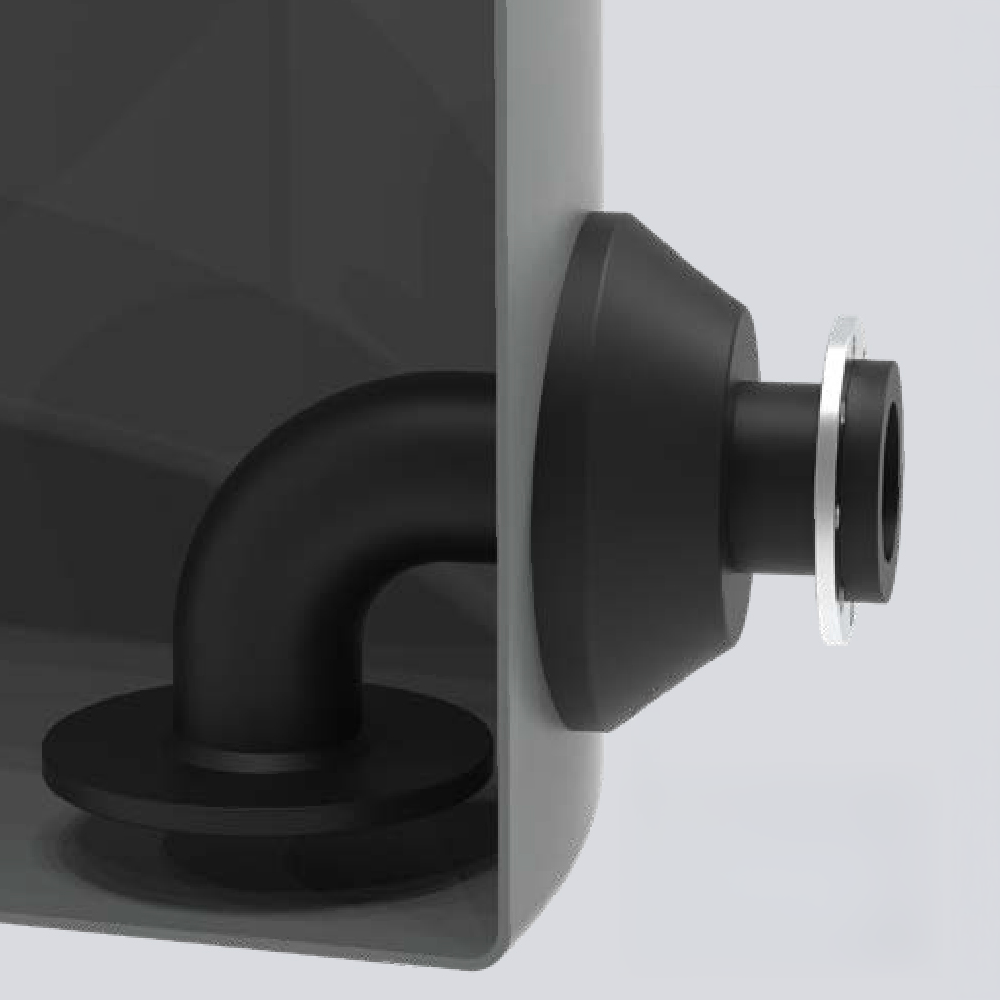
A Polymaster double-walled self bunded tank is literally a tank within a tank. We manufacture a smaller tank to hold the bulk chemical securely, inside another purpose-built polyethylene tank. The outer tank holds a minimum 110% of the internal tank’s safe fill level, so in the unlikely event of a leak, the chemical is prevented from reaching the environment or your people. Outer tank penetrations are fully welded to prevent leakage from the bund, and an inspection port in the roof lets you monitor the integrity of the primary tank.
Features Include:
- Outer tank exceeds 110% capacity of the storage tank
- Fully welded outer tank penetrations
- Inspection hatches and roof inspection port
- Mechanical level indicator as standard, with electronic level indication available
- Bund alarm float switch and high level alarm float switch
- Bund alarm and high level alarm mounted on the exterior of the tank
- Anti-siphon system fitted where the fill tube extends below the liquid surface
- Weatherproof vent
- Top fill assembly with camlock and drain
- Bund drain
- Tank outlet and valve, sealed to both inner and outer tank
- Level transmitter mount
- Bolt-down lugs and lifting lugs
- 25-year design life
WHY CHOOSE POLYMASTER
We Understand Chemical Tank Requirements
Chemical storage is all about compliance, standards, regulations and OHS, given the risk associated with storing volumes of chemical. A PE chemical tank is an important technical decision, so choosing the right company to work with is critical. When selecting a supplier, make sure they are:
- Certified to AS/NZS 4766:2020 Polyethylene Storage Tanks for Water and Chemicals.
- Able to demonstrate they understand the technical requirements for chemical storage.
- Resourced with specialist engineers experienced in PE materials.
Our tanks are engineered using methods including finite element analysis (FEA) to ensure structural integrity, and are made from premium polyethylene resin with UV and antioxidant stabiliser rated to a minimum UV12 for harsh Australian outdoor conditions. Carefully invest in a chemical storage option that is fit for purpose, with the right design life and an efficient maintenance schedule taken into consideration.
Highest Quality and Standards
Every Polymaster chemical tank is built to last and independently certified, so you can have complete confidence in what you are storing.
Food Grade Polyethylene
Food-grade polyethylene, certified to AS/NZS 4020, the Australian standard for products used in contact with drinking water.
Quality Assurance
Polymaster is certified to ISO 9001, the international standard for quality management systems, with regular third-party audits.
Product Certification
Certified to AS/NZS 4766:2020 for polyethylene storage tanks.
Options and Add-Ons
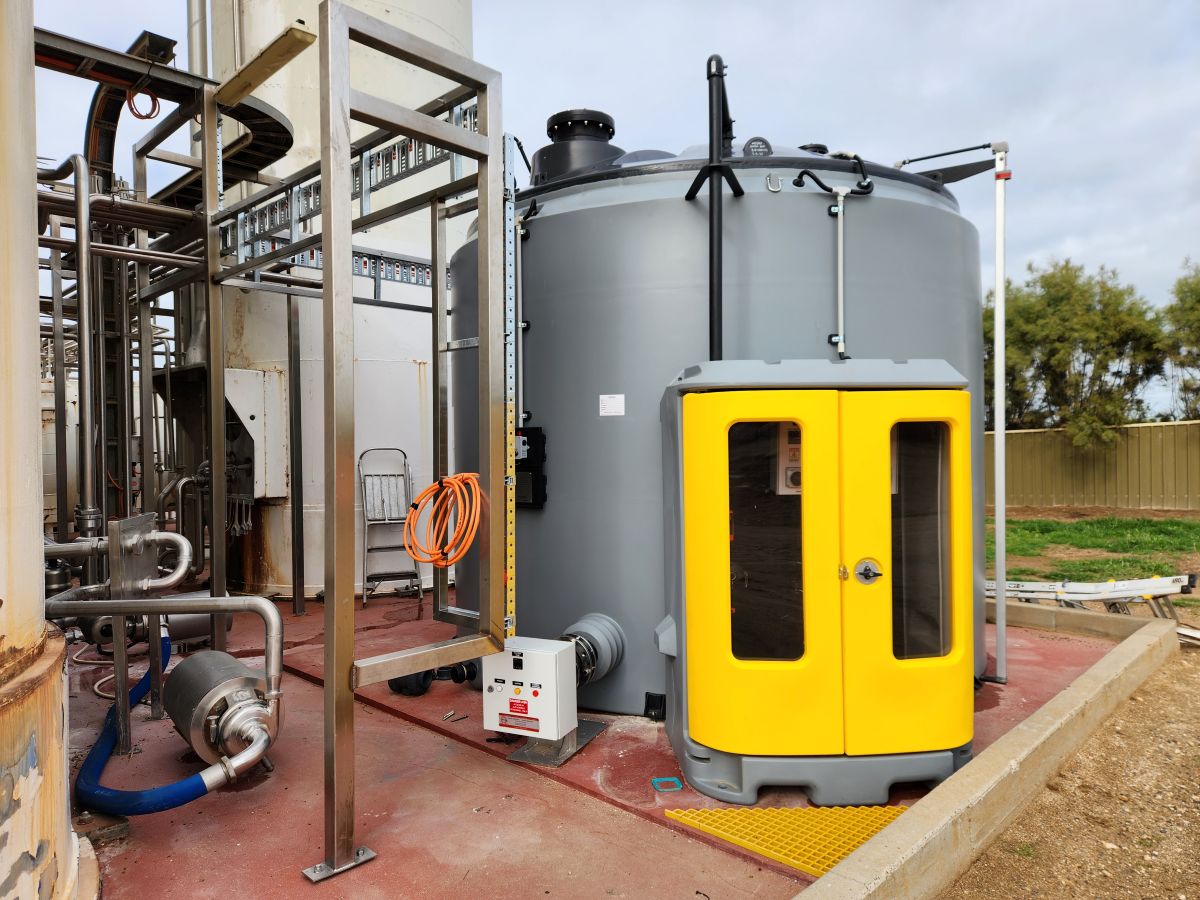
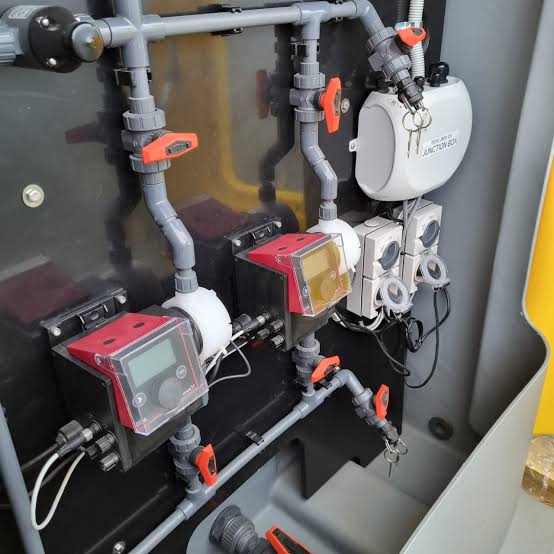
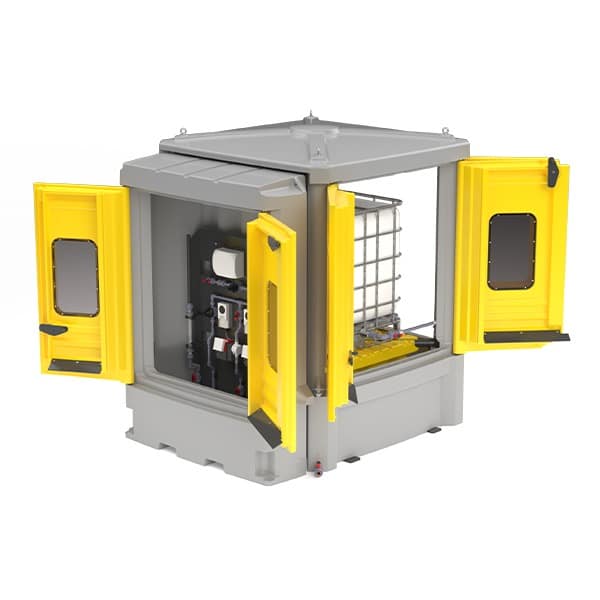
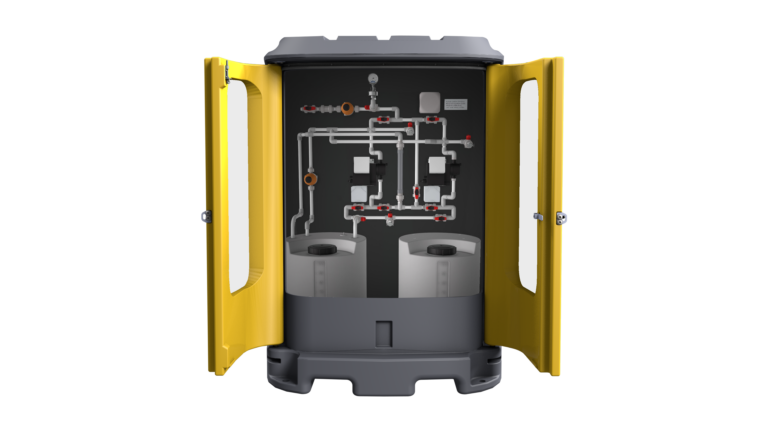
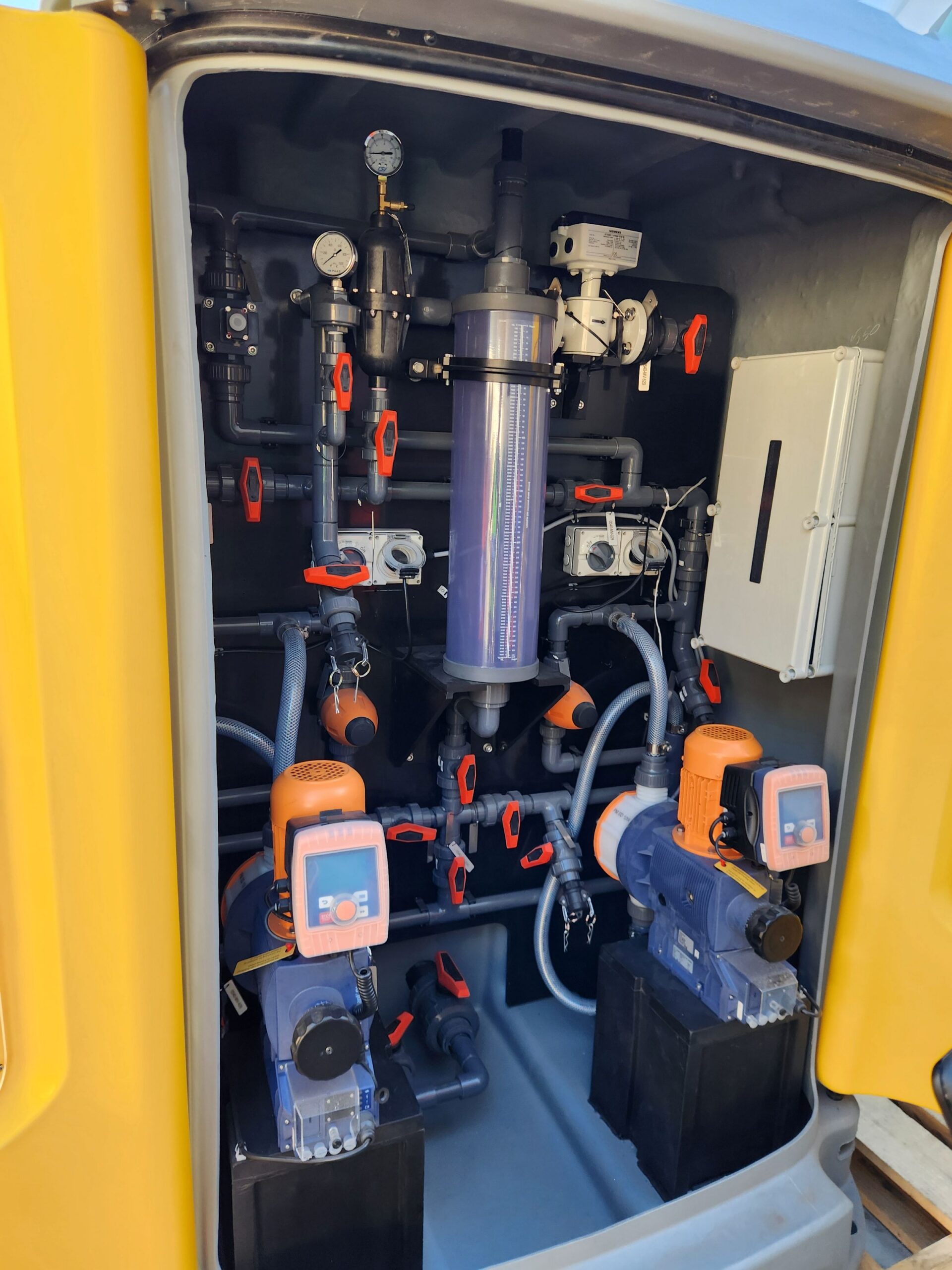
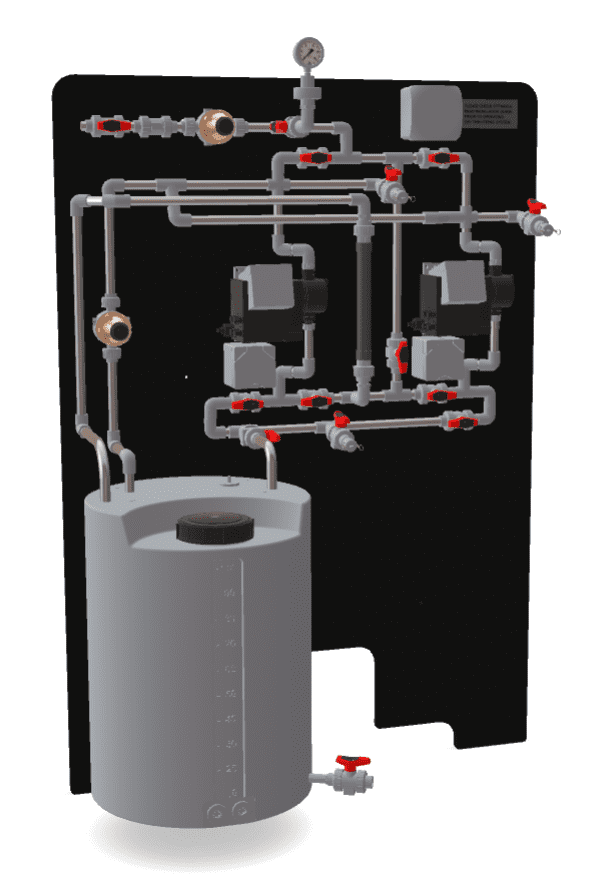
Optional lockable cabinets can be added for segregation of equipment, increased capacity for housing multiple dosing systems, and protection for equipment. Join multiple tanks together with double-containment (bunded) connections for unlimited capacity. Add a Chemical Unloading Panel with single and 3-phase options, all in one Tank Management System, or Tank Overfill Protection including alarm, inloading high level safety cut-off, and Radar and Ultrasonic Level Transmitters.
Unmatched Chemical Compatibility
We understand chemicals, which is why we undertake a chemical compatibility test to ensure our specially formulated PE material will safely contain a massive range of chemicals, including high-SG products such as sulphuric acid. Compatible chemicals include:
- Alum (Poly Aluminium Chloride)
- Aluminium Chlorohydrate
- Citric Acid
- Ferric Chloride
- Ferrous Chloride
- Flocculants and Coagulants
- Hydrochloric Acid
- Hydrogen Peroxide
- Magnesium Hydroxide
- Nitric Acid
- Sodium Carbonate
- Sodium Hydroxide (Caustic)
- Sodium Hypochlorite
- Sodium Metabisulphite
- Sulphuric Acid (98%)
INSTALLATION / SETUP GUIDE
Installation Overview
Correct tank installation is the sole responsibility of the purchaser. Installation must only be carried out by properly trained and approved personnel, in accordance with the Polymaster Self-Bunded Chemical Tanks Installation, Operation & Maintenance Manual and all Health, Safety and local building regulations. The steps below are a summary only. Download the full manual before installing.
Inspect and select a safe location
Check the tank for damage on arrival. Don’t install a damaged tank. Choose an above-ground site clear of flood risk, wind and seismic loads, and heat or flame sources, with clearance for operation and inspection. Never bury these tanks.
Prepare the foundation
The tank needs a solid, flat and level concrete or bitumen plinth extending at least 300mm on all sides. The plinth is to be engineered by the user to suit the site and the full tank weight.
Position and restrain
Restrain the tank so it’s stable full or empty. Hold-down lugs position the tank only and aren’t designed to resist wind or other external loads. Fix with stainless steel M12 hardware and chemical anchor studs, finger-tight, as set out in the manual.
Hydrostatically test
Test the tank with water for 24 to 48 hours before any chemical goes in, then drain all test water. Only fill the bund once the inner tank is full, and never past one third, or the inner tank can float.
Install flexible connections
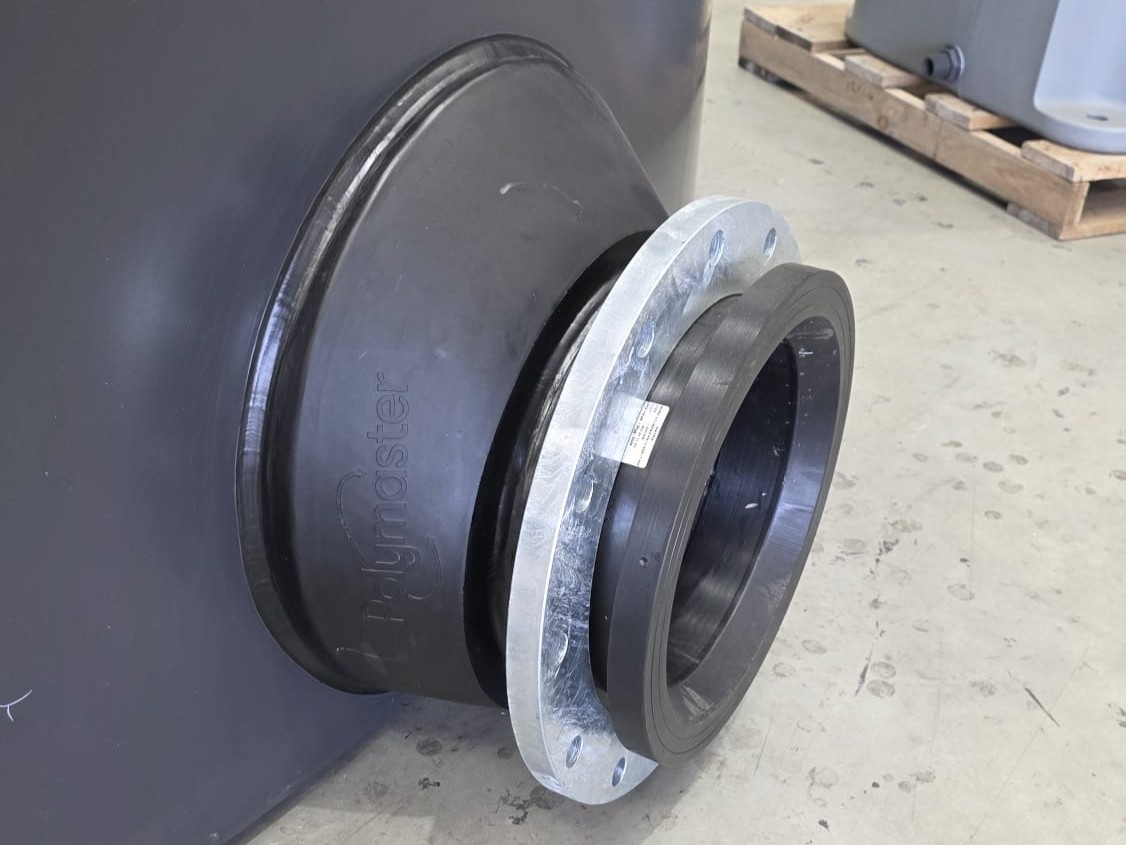
Fit flexible connections between the tank and rigid pipework at every fitting, inlet and outlet. This is a warranty condition. Use full-face flanges only and support all piping and valves independently of the tank. Minimum specifications are in the manual.
Fill and commission
Confirm the tank, fittings and gaskets suit the chemical stored, and fit the correct warning label. Vent the tank so it can’t build pressure or vacuum. Fill under constant supervision and stay below the maximum fill level.
USE CASES / WHERE TO INSTALL
Where Self Bunded Chemical Tanks Are Used
Polymaster self bunded chemical tanks are used across every industry sector that stores or doses volumes of chemical, wherever secondary containment, compliance and safety are priorities.
Water Treatment Facilities
Chemical Manufacturers
Water Utilities
Mining
Food and Beverage
Choosing a Safe Location
The self bunded design allows safe outdoor storage at a suitable distance from buildings and hazard zones, with high resistance to mechanical impact and weather. When selecting a location, consider excessive wind or seismic forces, flood-prone areas, a safe distance from any heat or flame source, and accessible clearance for safe operation, inspection and future removal. Local, state or national regulations may apply, so check with the relevant authorities before installation.
AS3780 Compliant Leak Valve
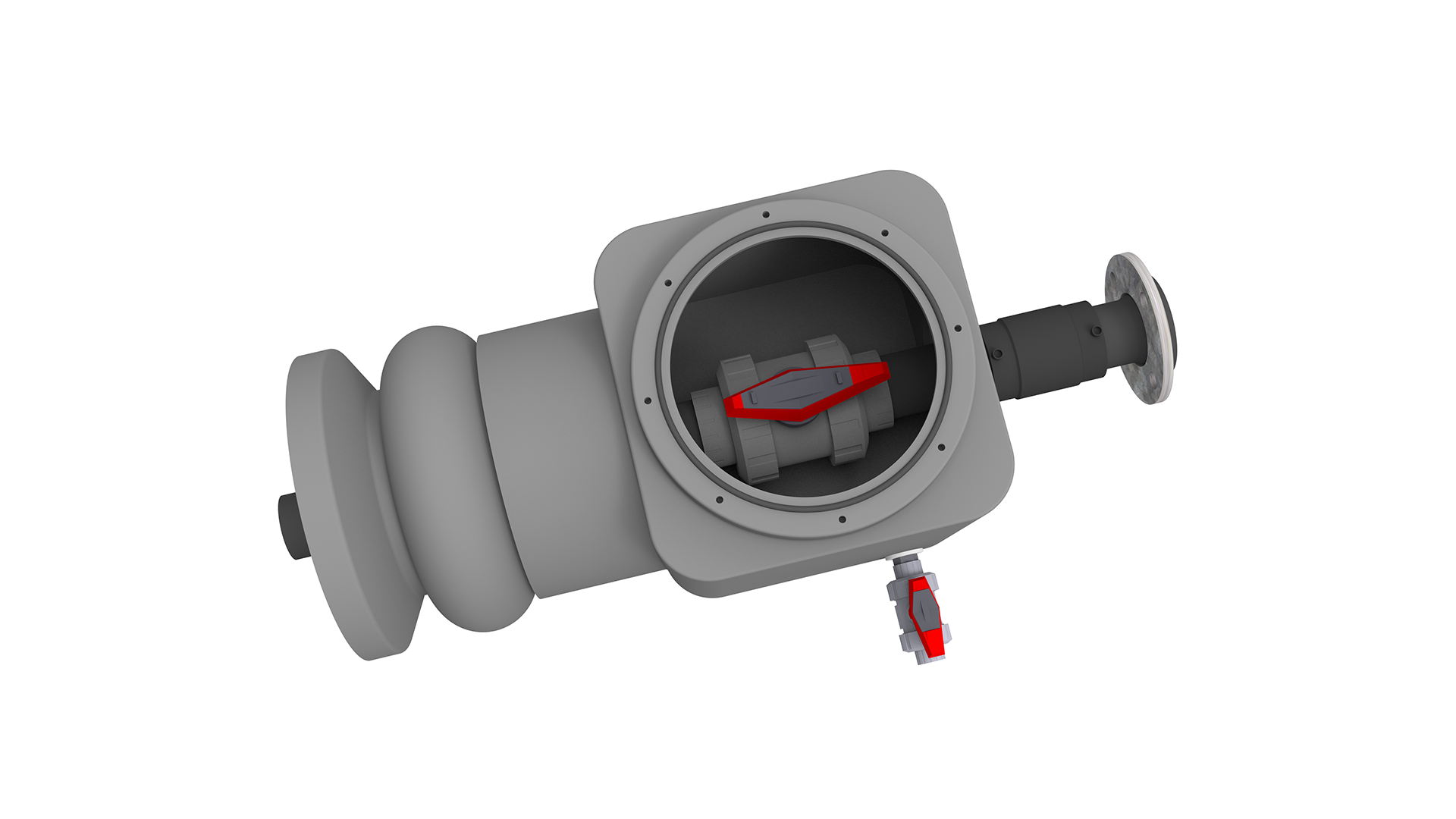
Ensure your chemical storage tanks meet AS 3780:2023 with the Leaktite Valve Guard by Polymaster. Designed to isolate the tank outlet within the bund, this leak-proof solution features an external handle, removable lid and flexible bellows, preventing tank stress and ruptures while guaranteeing total leak containment. With the Leaktite Valve Guard, your tanks stay safe, secure and fully compliant.
INSTALLED AND OPERATING ACROSS AUSTRALIA
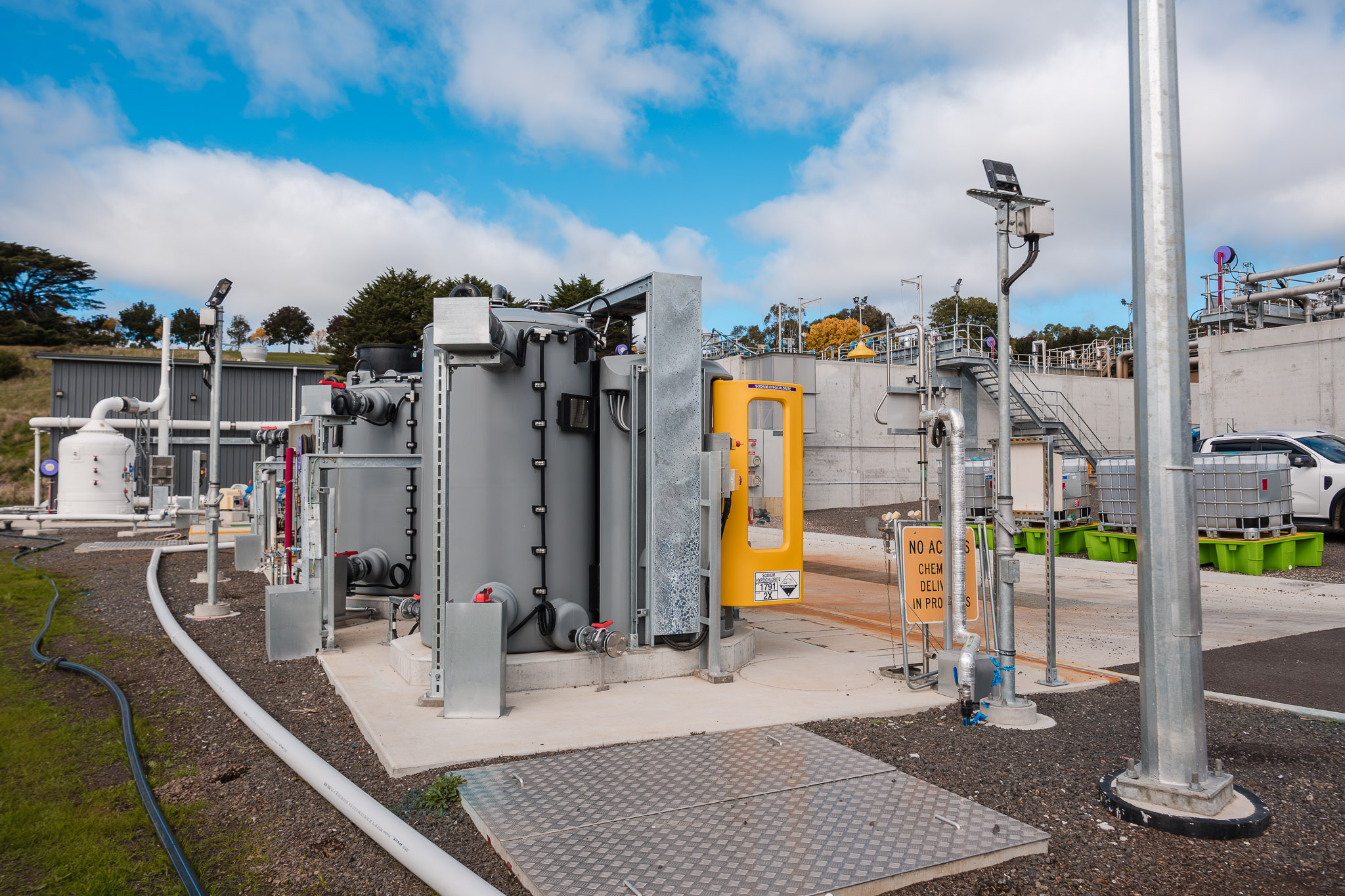
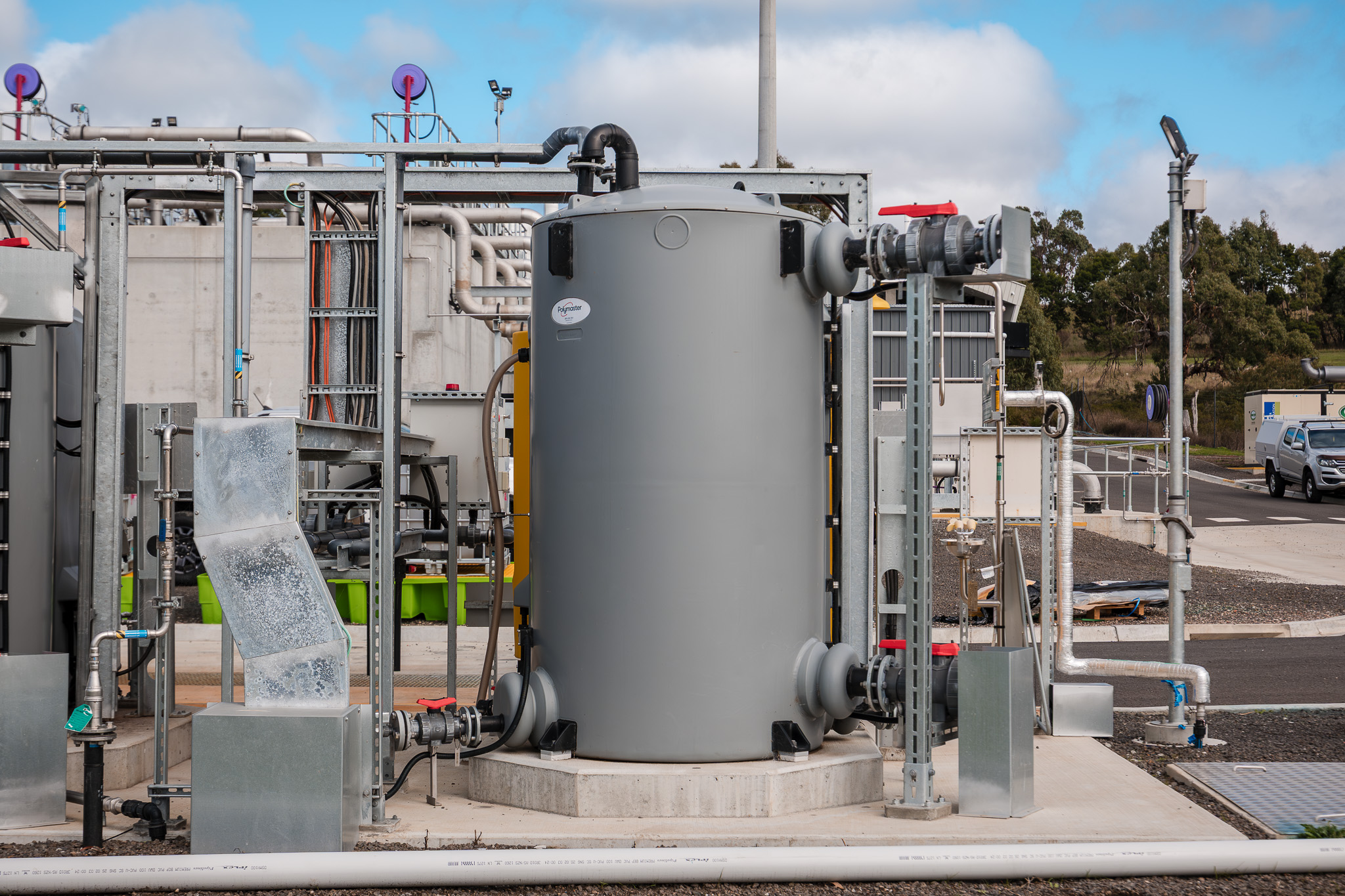
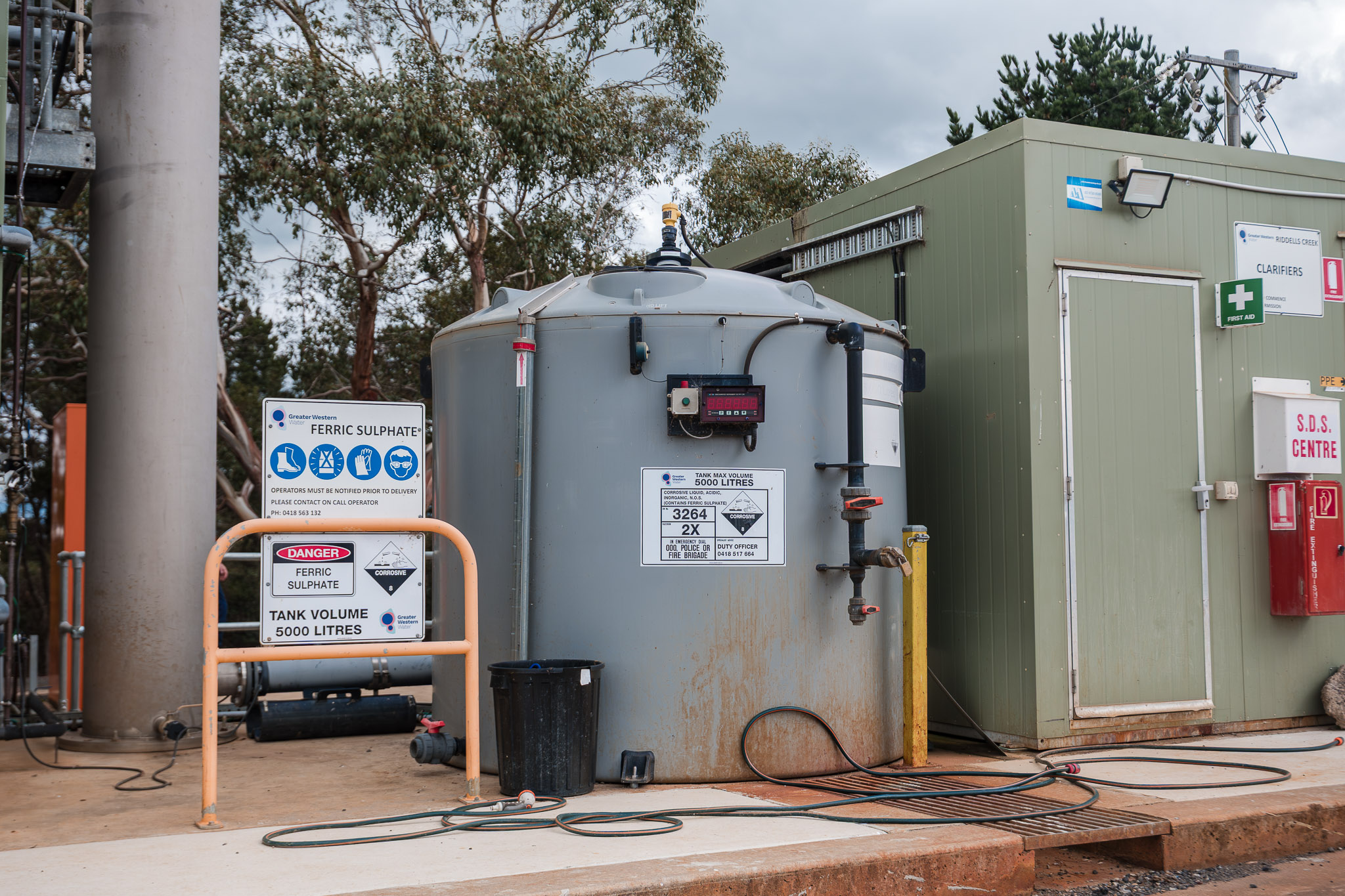
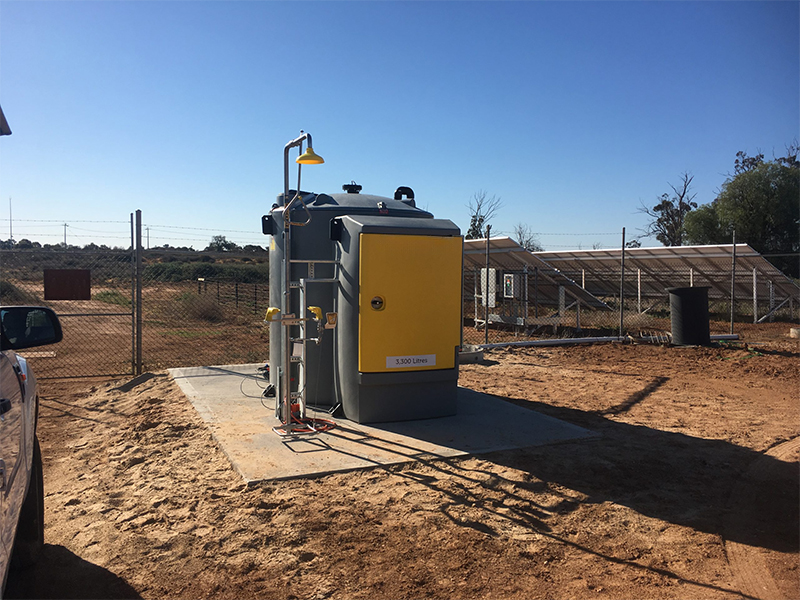
Self Bunded Tanks in the Field
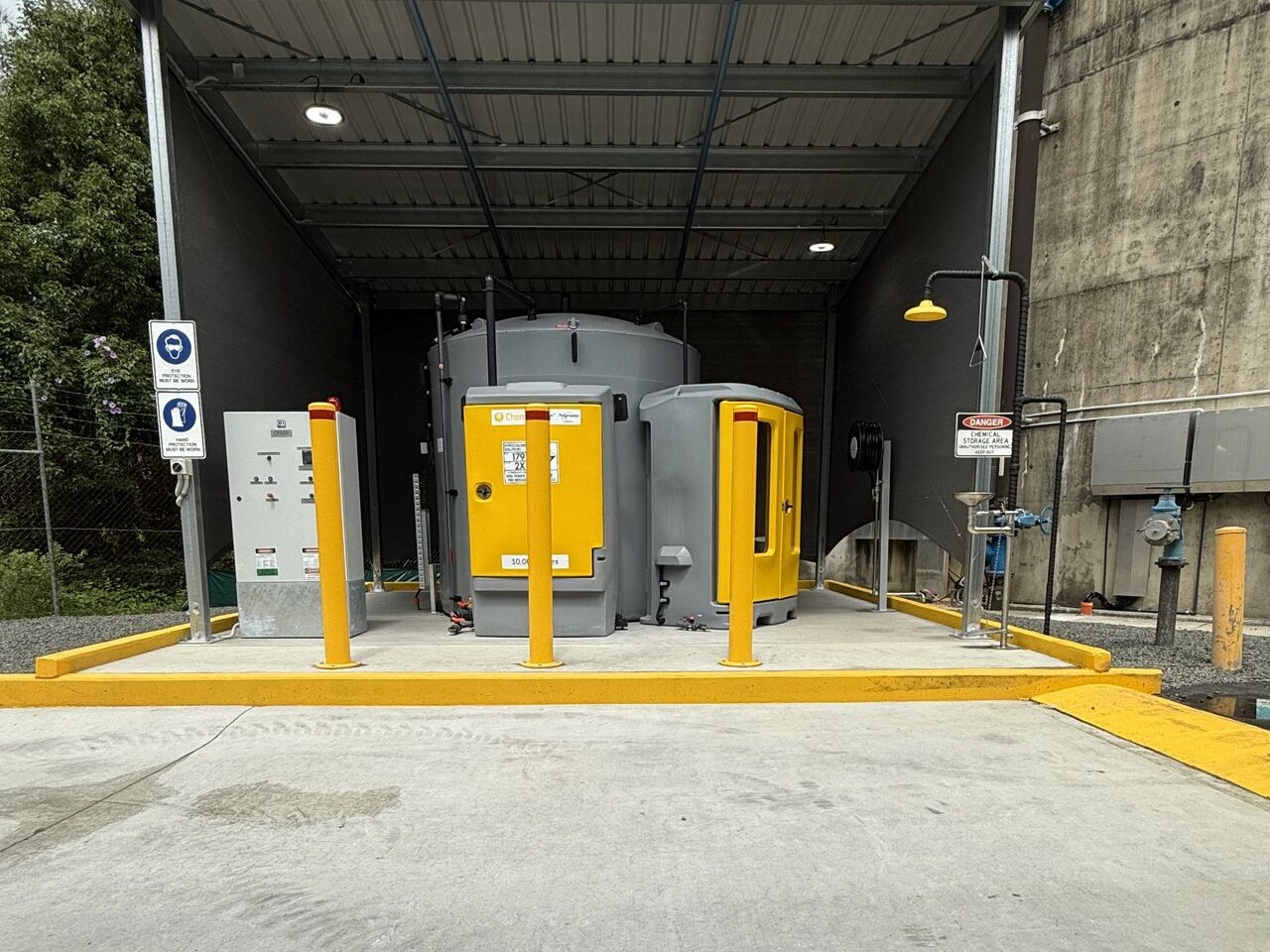
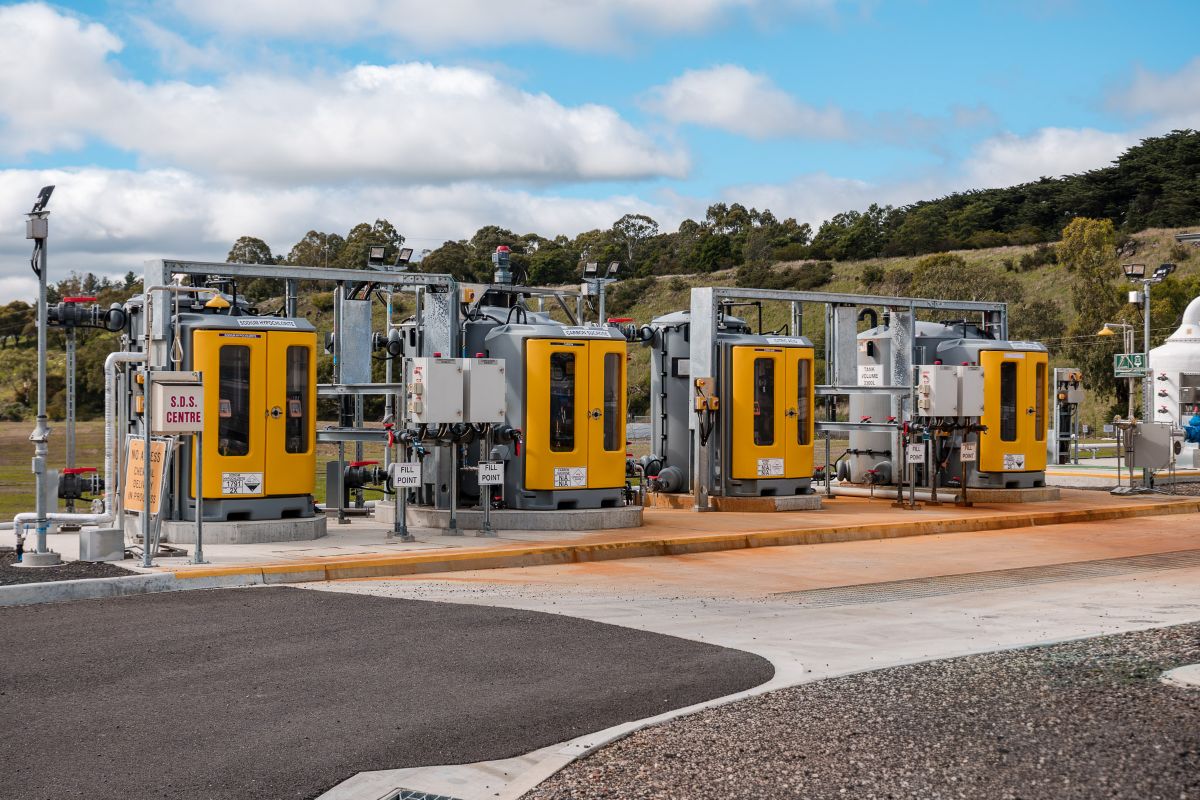
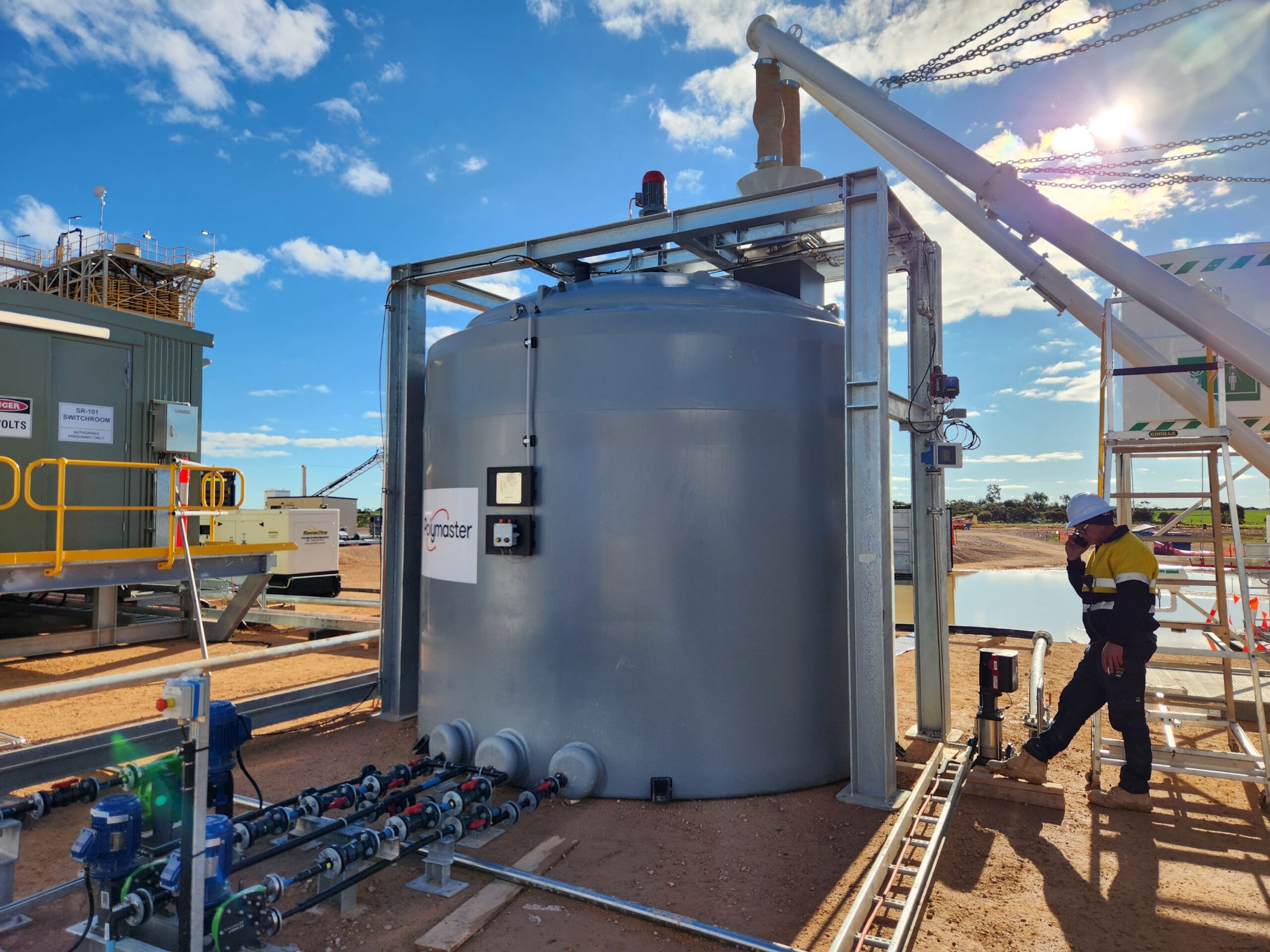
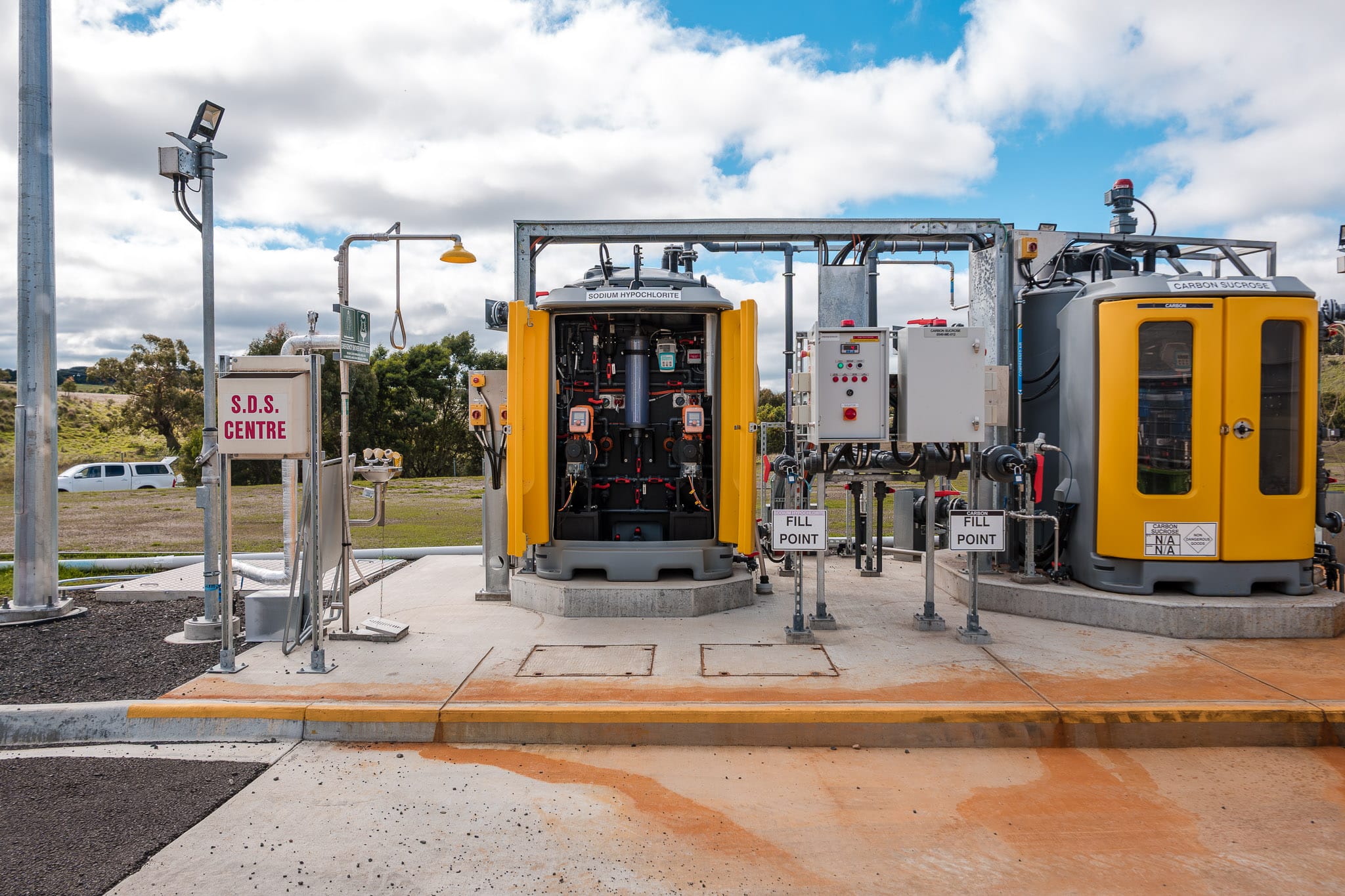
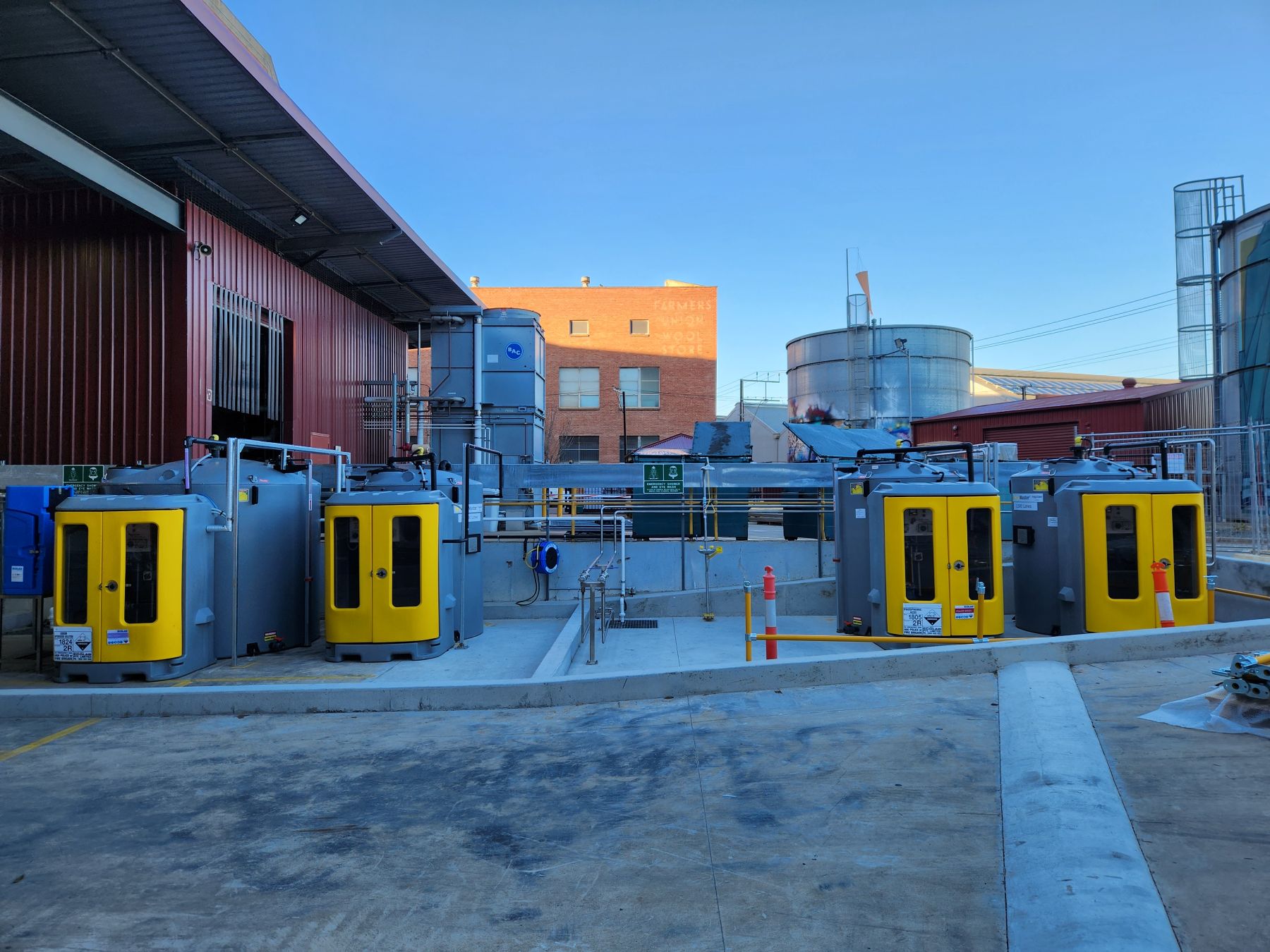
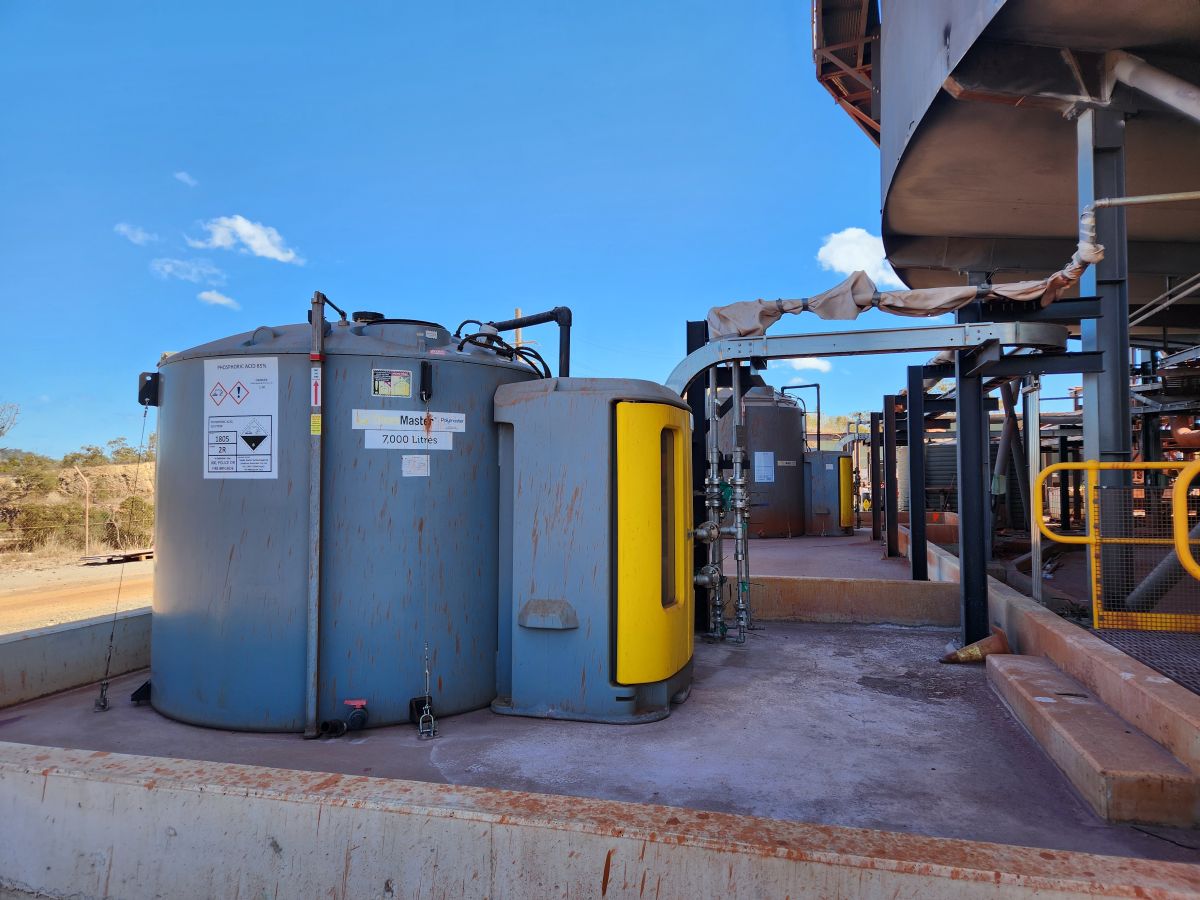
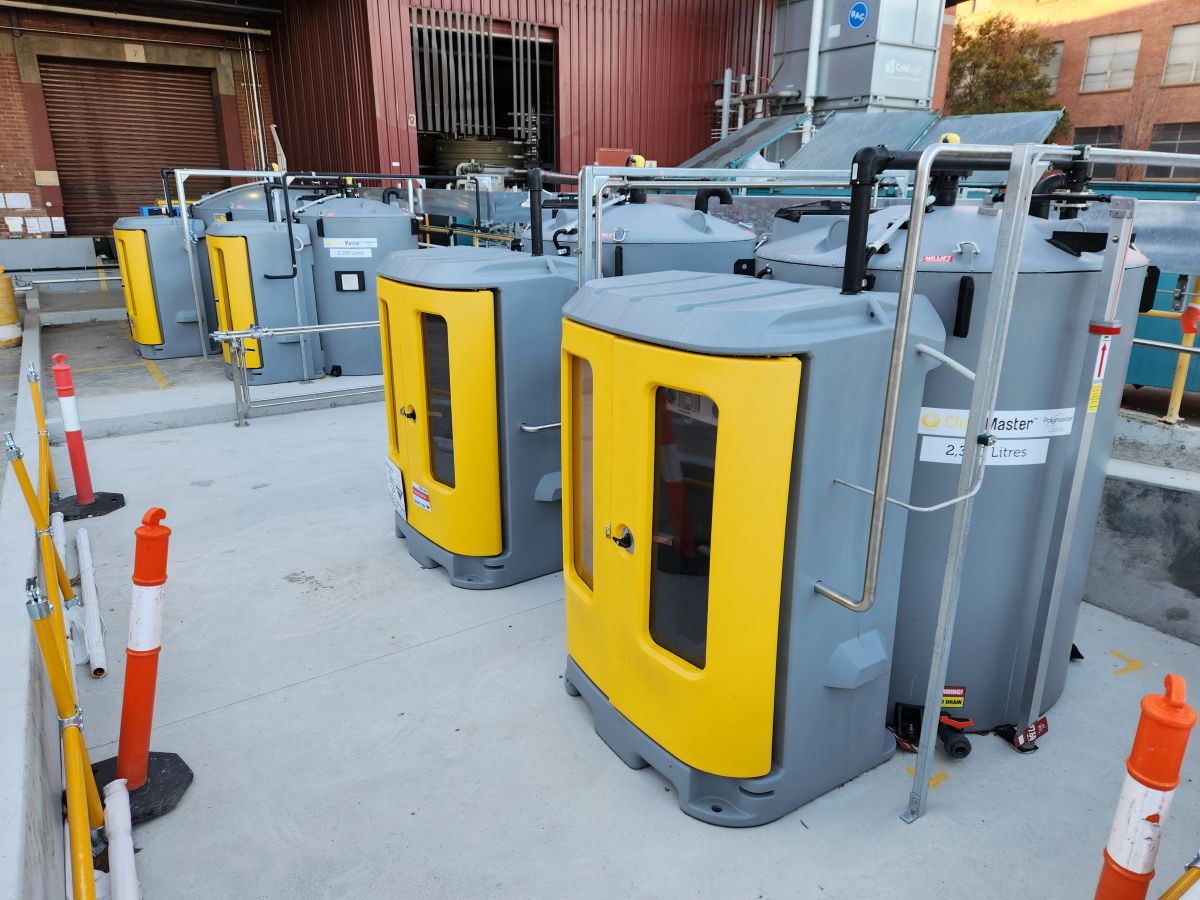
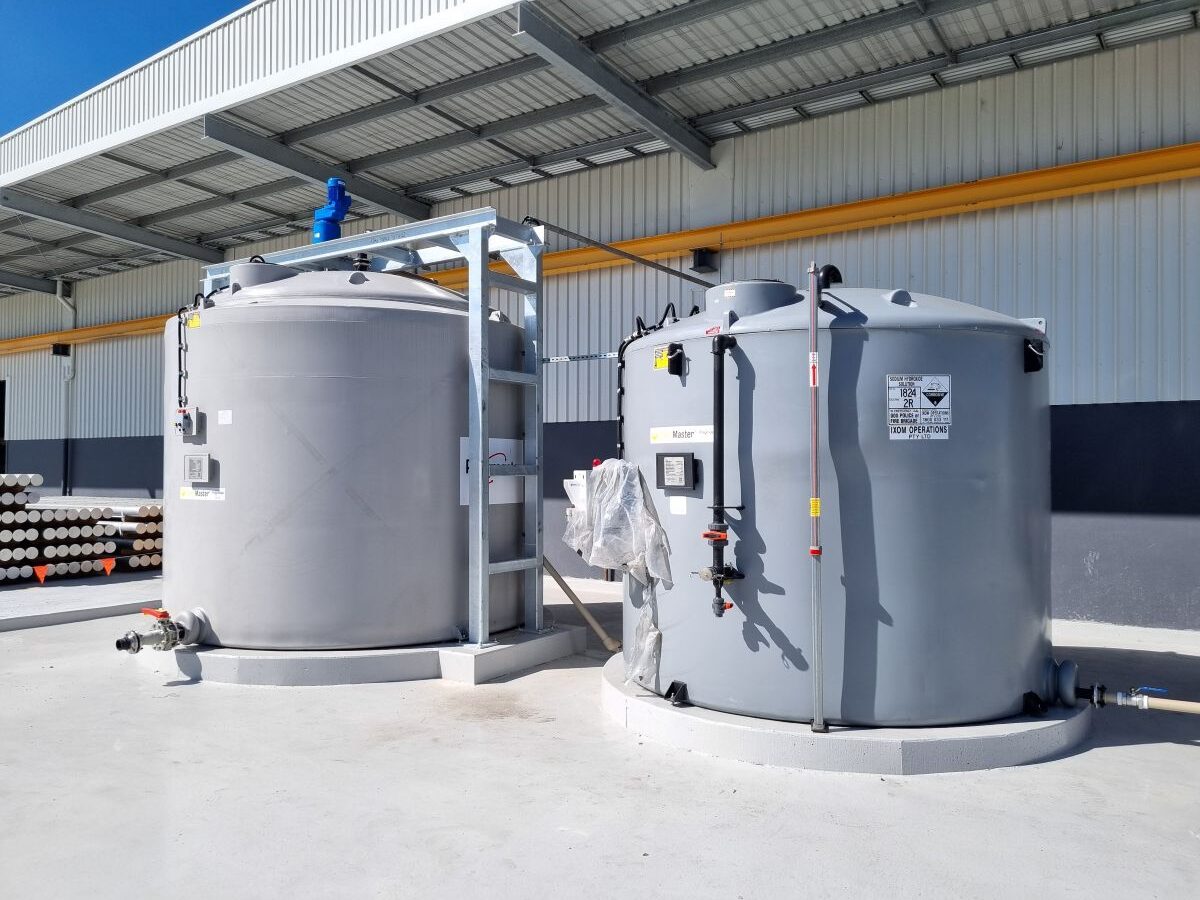
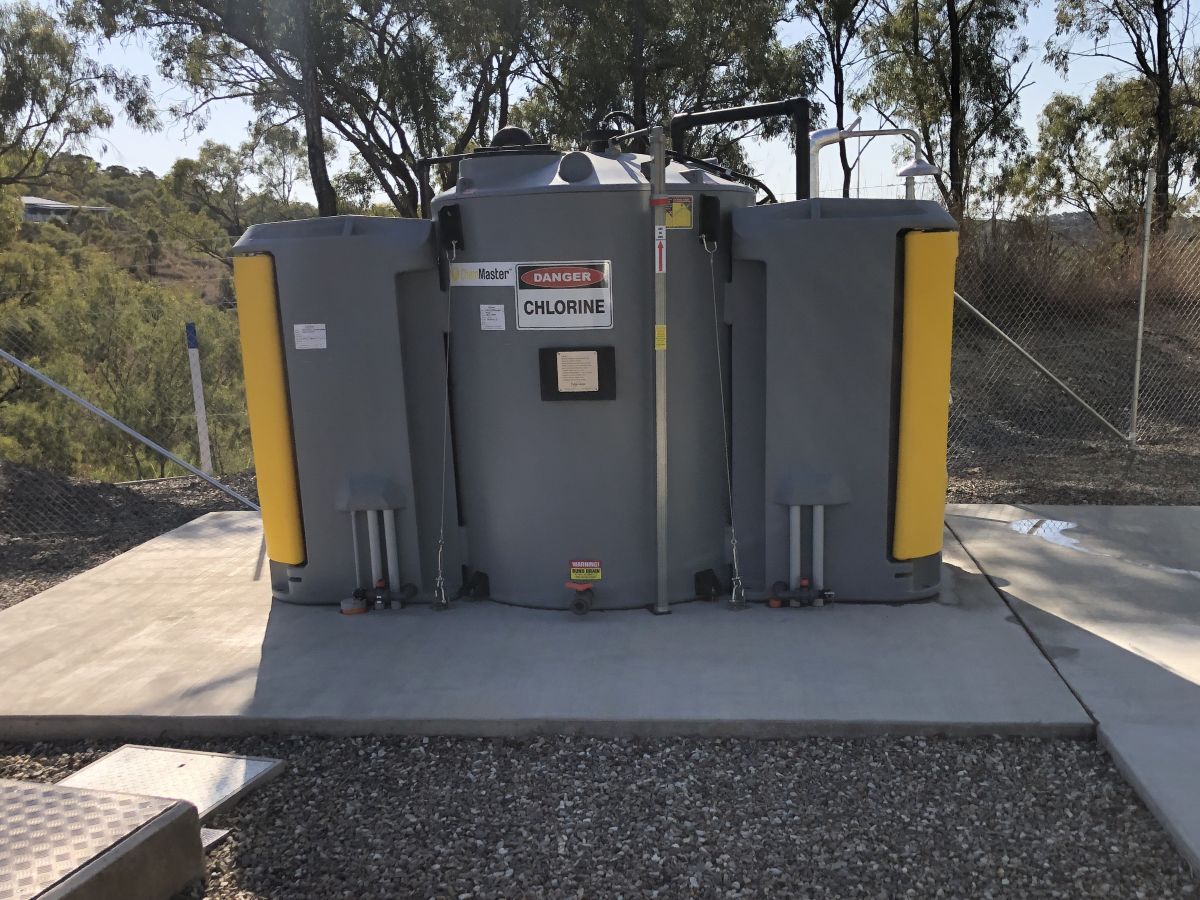
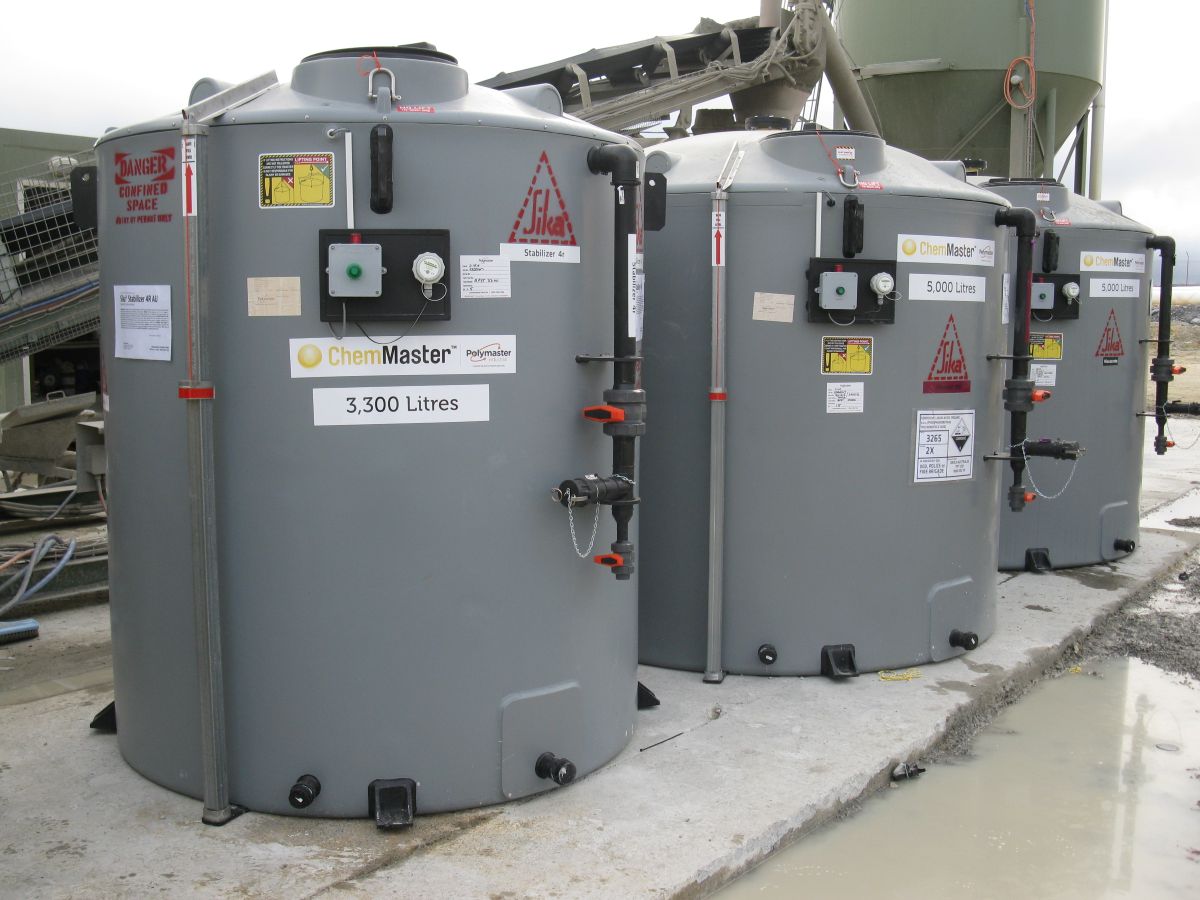
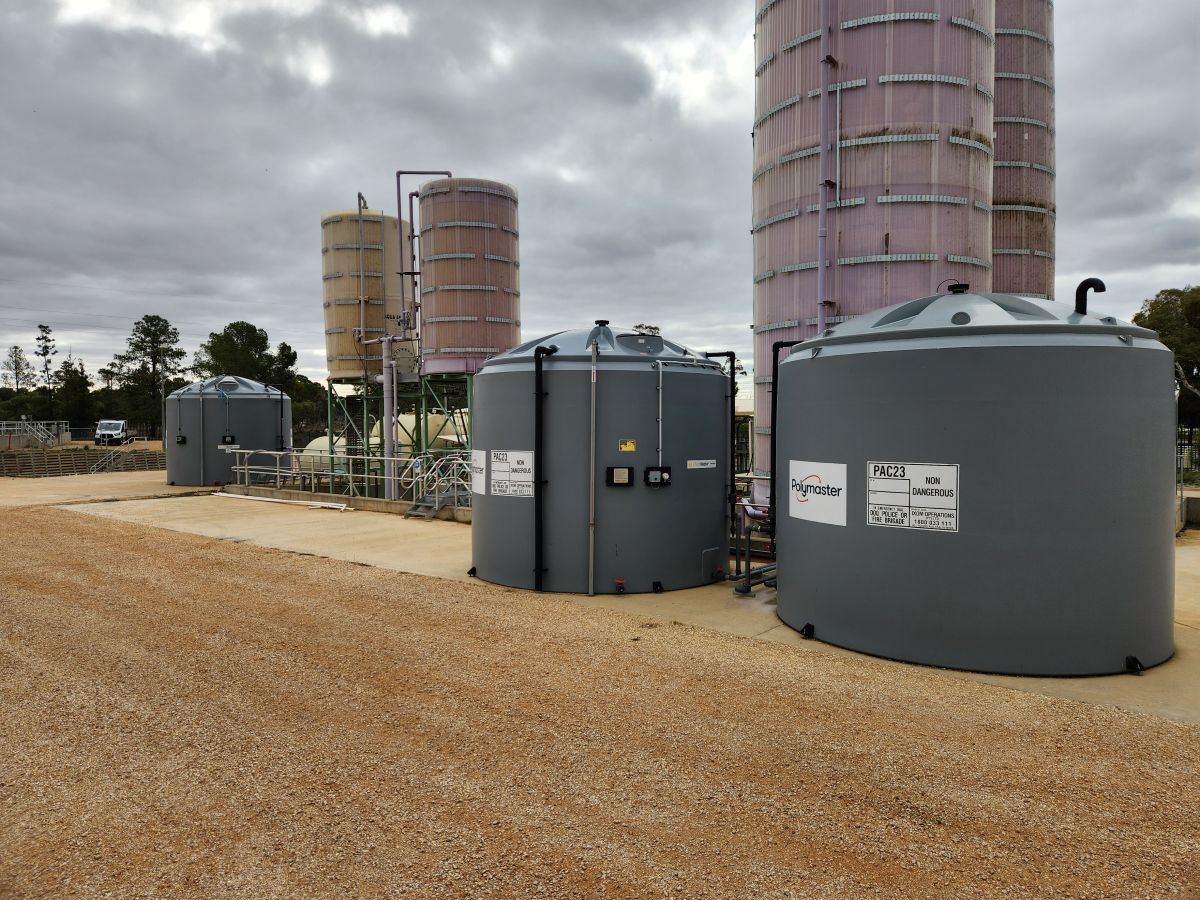
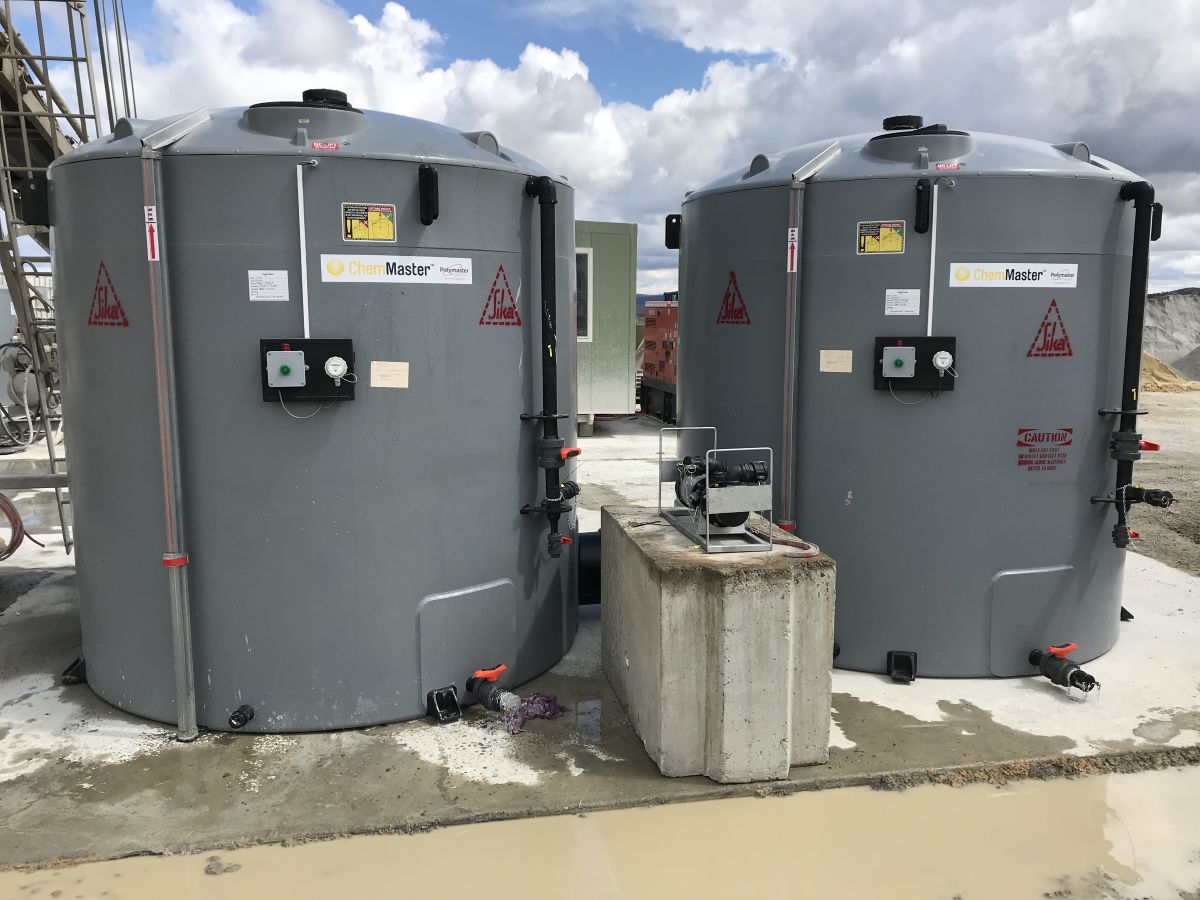
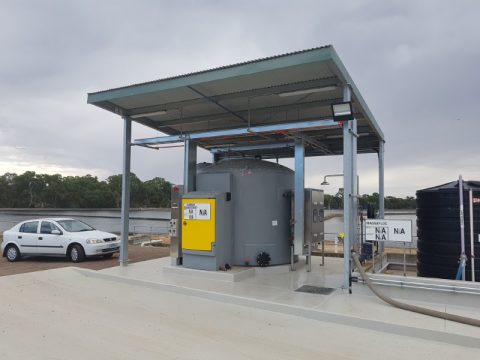
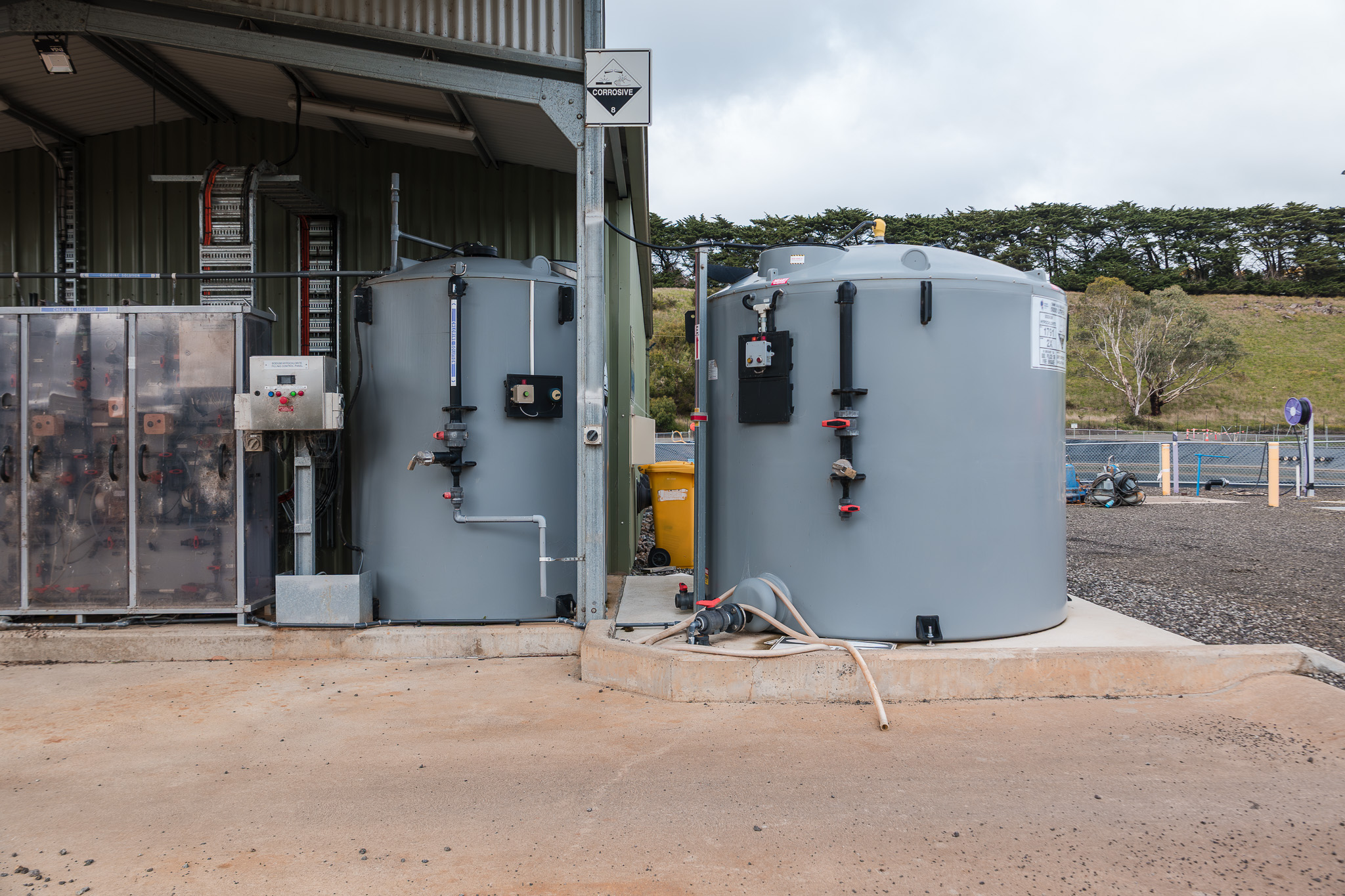
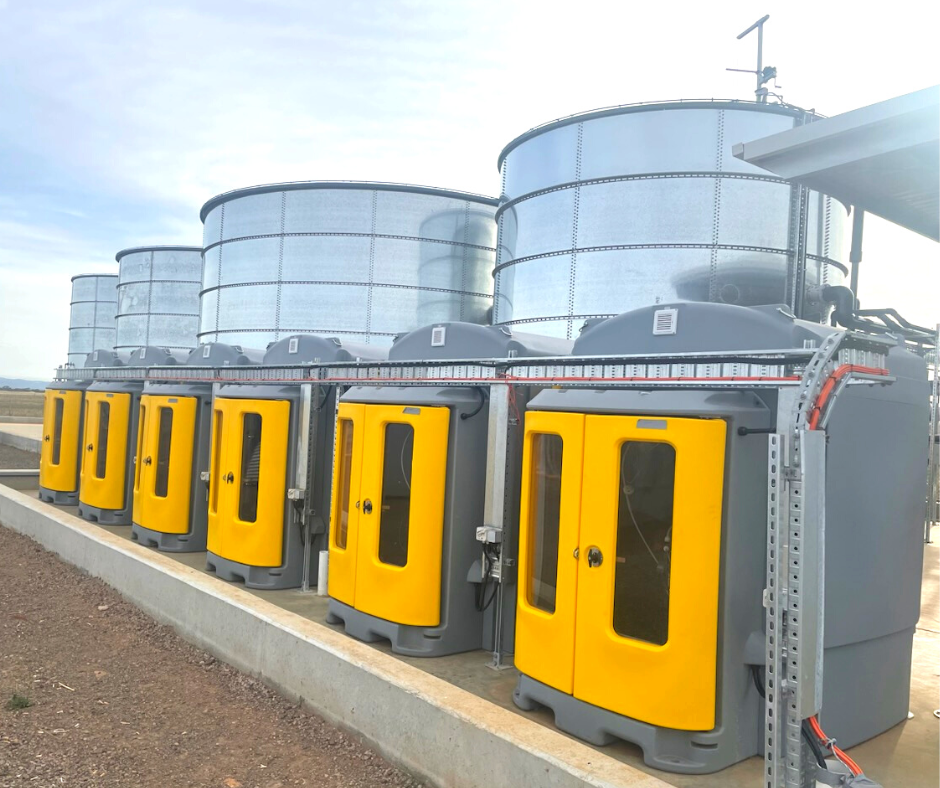
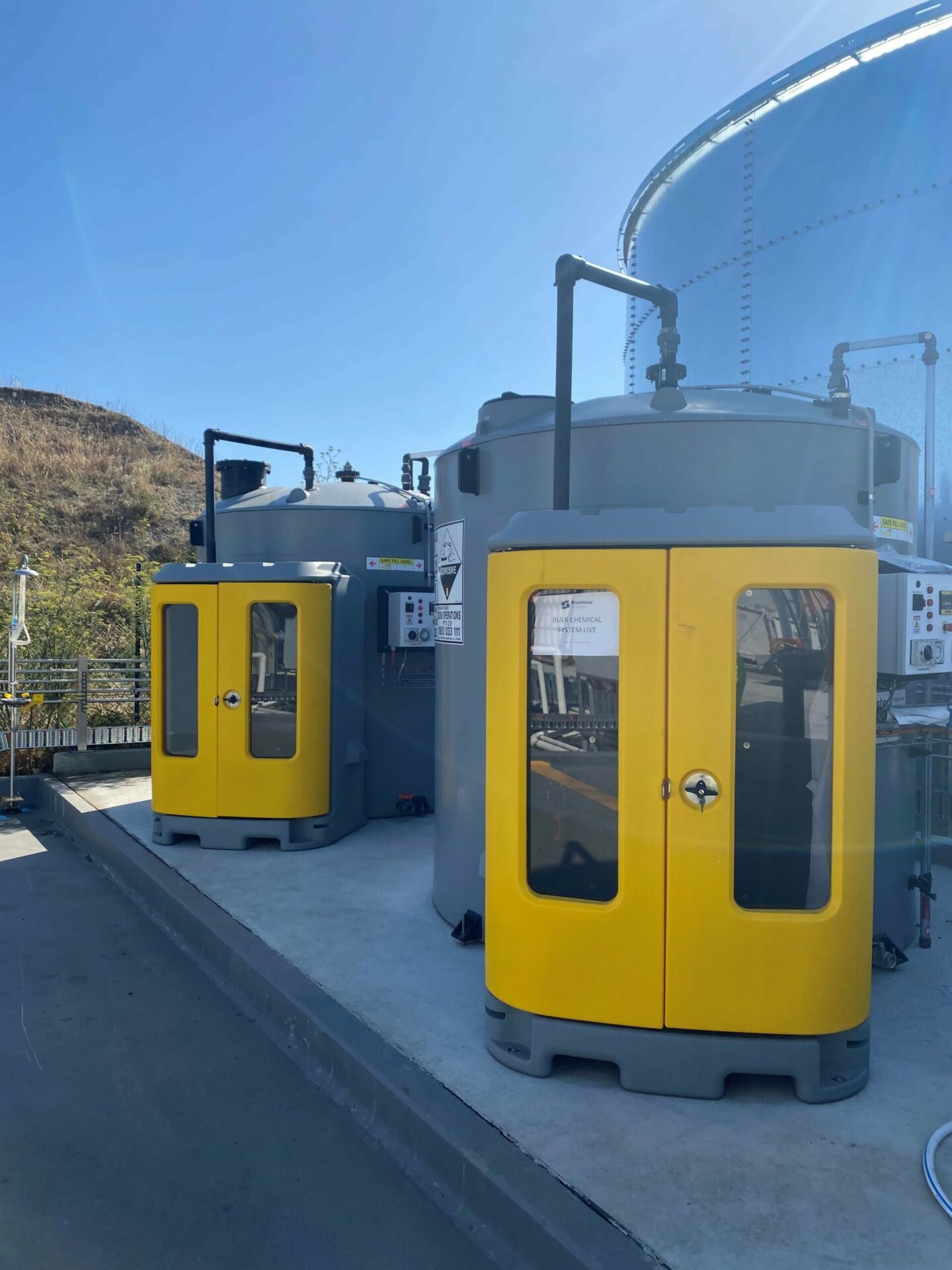
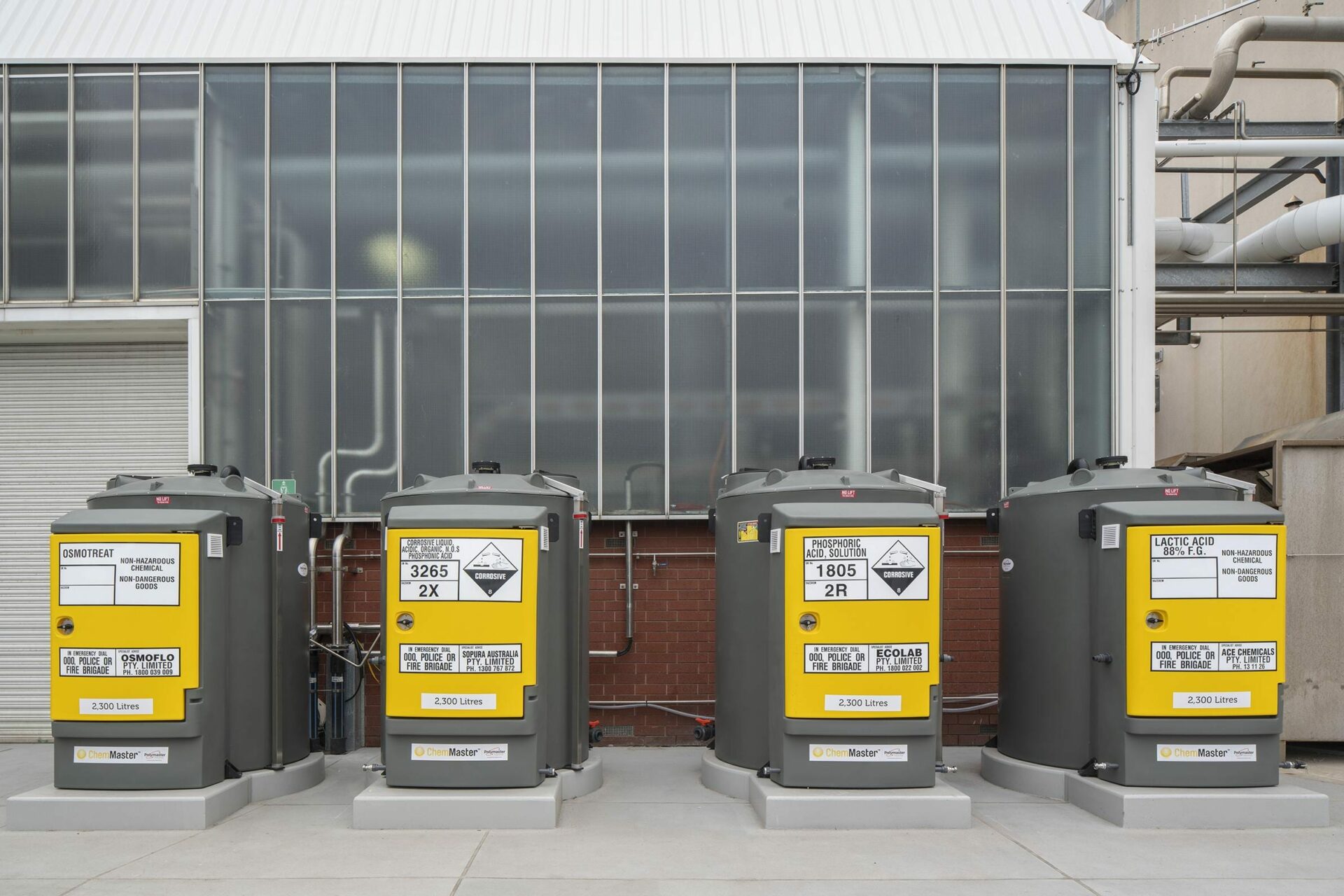
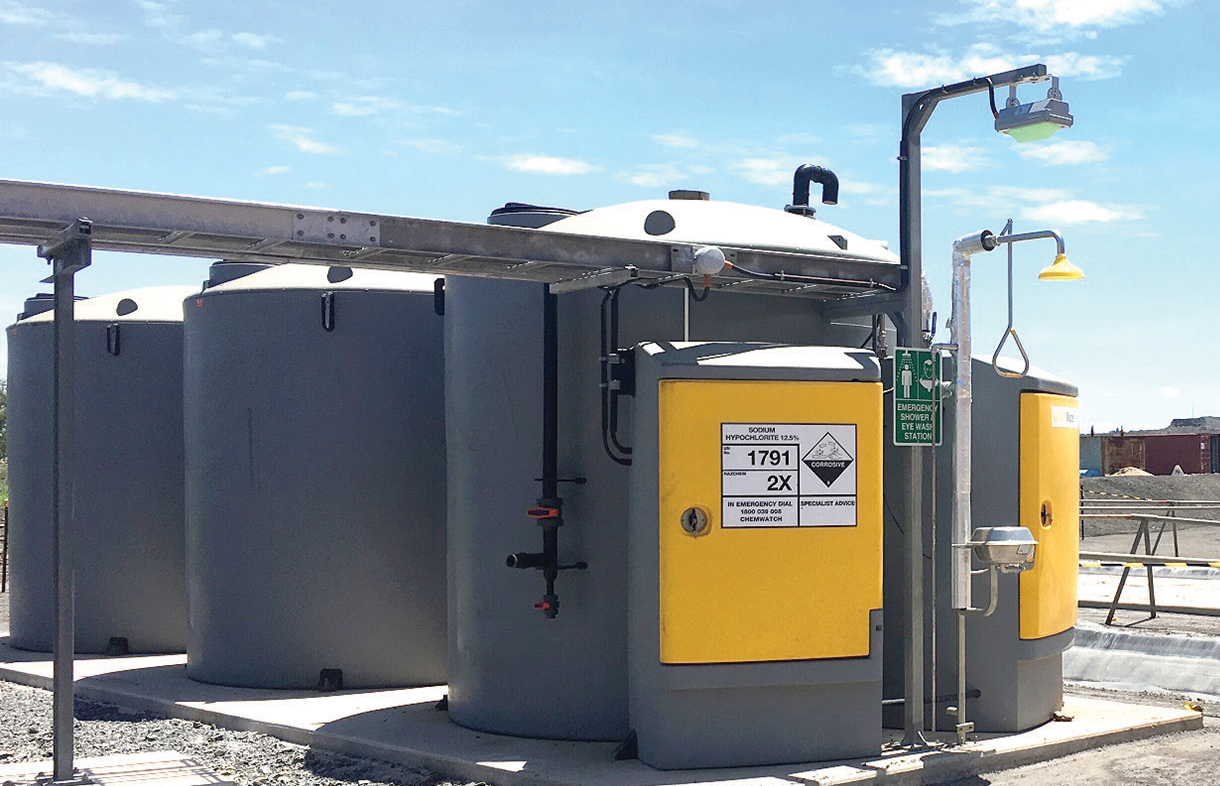
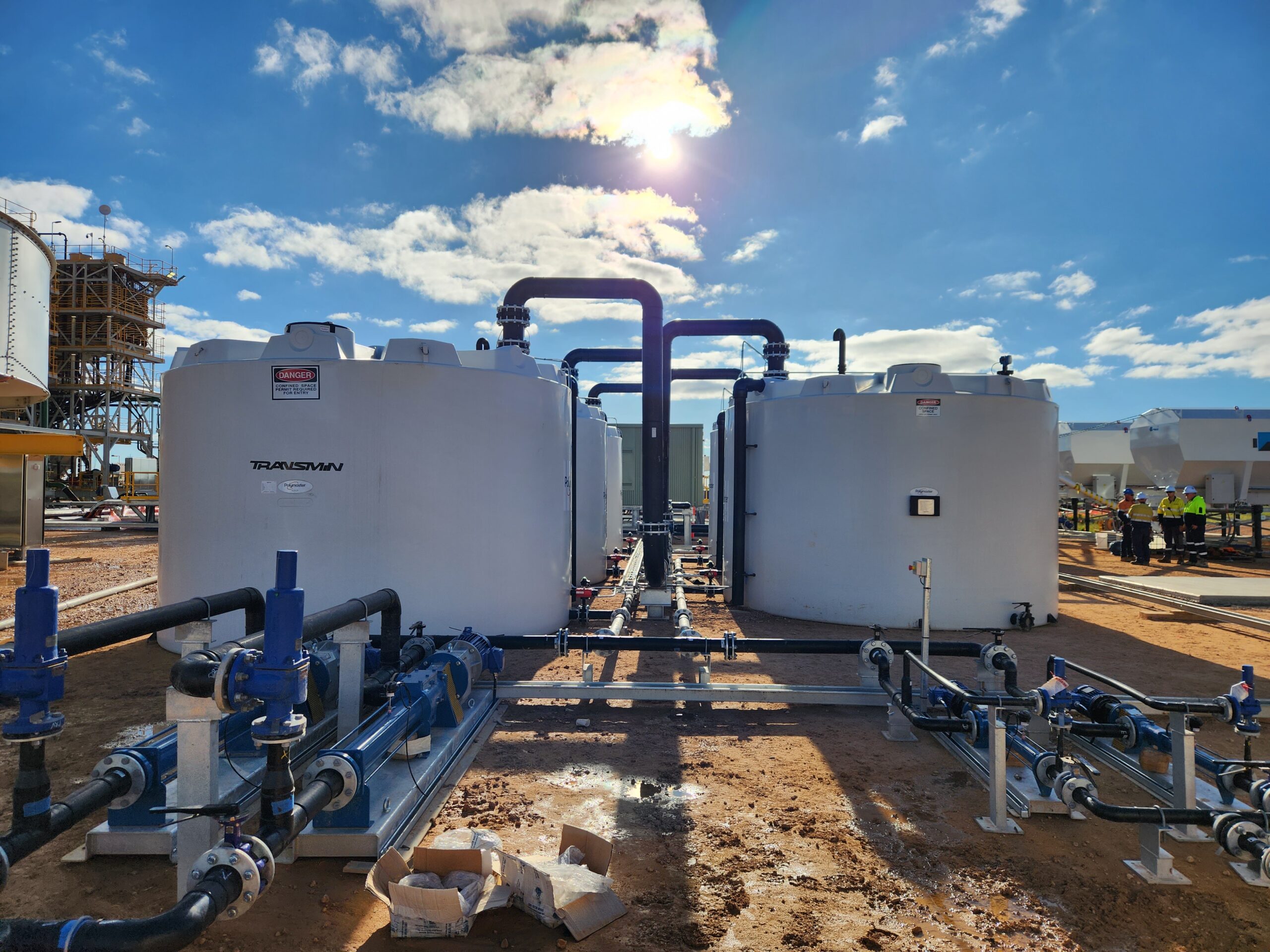
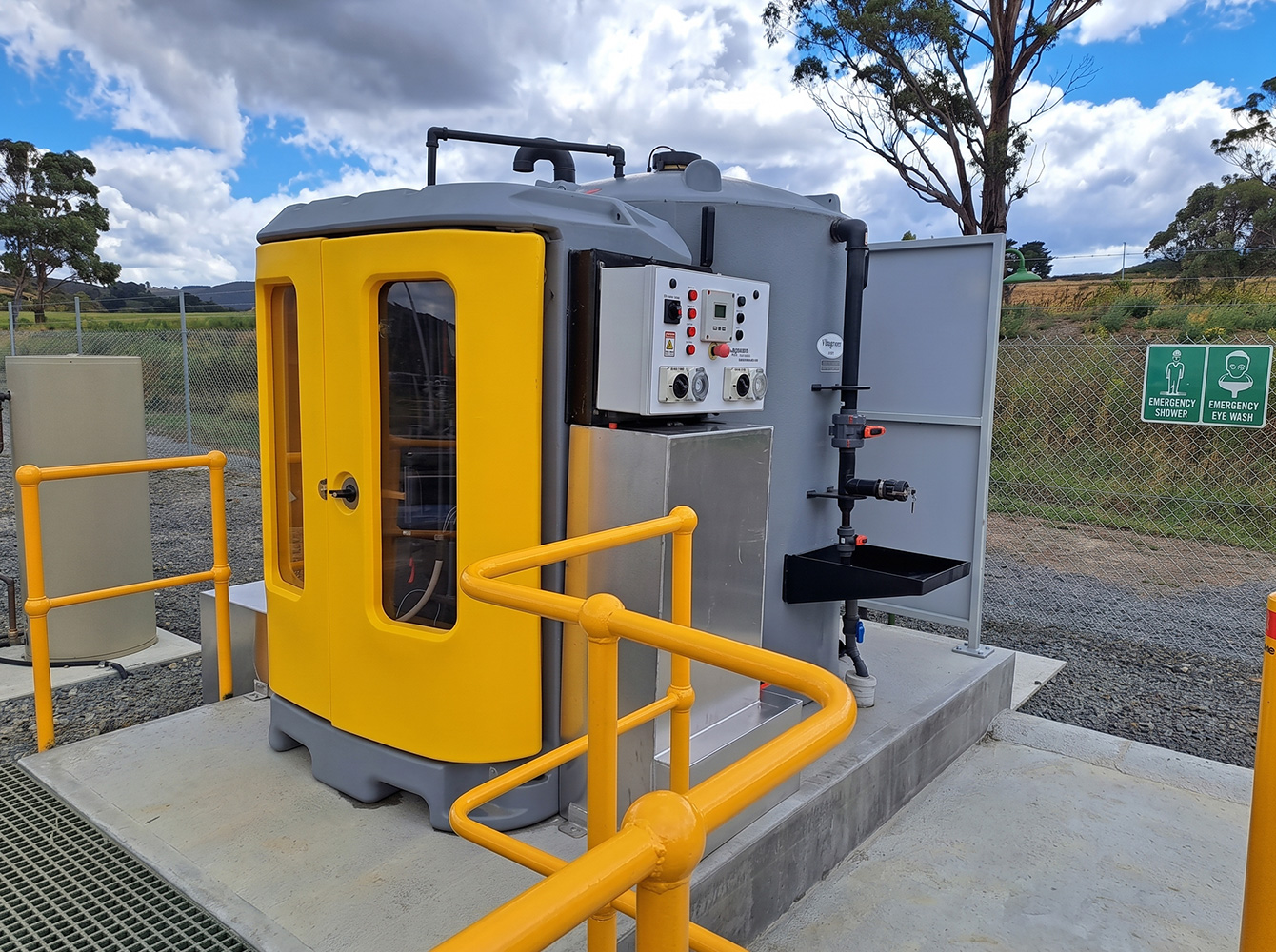
Every site has its own constraints. Limited footprint, difficult access, multiple chemicals to keep separated, or a dosing system that has to sit alongside the tank. These installations show how the self bunded range adapts to real sites, from single 1,500L units through to joined configurations holding tens of thousands of litres.
DELIVERY INFORMATION
Delivery
Polymaster delivers self bunded chemical tanks across Australia. Larger capacities and bulk configurations may have specific access, craneage and offloading requirements. Loading and offloading must be carried out using professional equipment such as a crane or forklift rated to the tank weight, and craneage at site is the responsibility of the customer. Do not transport a tank with liquid inside.
RELATED SOLUTIONS
Related Chemical Storage Solutions
Contact Polymaster About Your Liquid Storage Requirements
When you have a complex problem, you need a custom solution. Our engineers take the time to understand your needs and develop chemical storage solutions that solve the problem and deliver long-term benefits. Talk to our team, and we will help you match the right self bunded chemical tank to your application.
FAQs
Frequently Asked Questions
Everything you need to know about Polymaster’s self bunded chemical tanks, from containment and compatibility through to installation, testing and warranty.
What is a self bunded chemical tank?
A self bunded chemical tank is a double-walled “tank-in-a-tank” system that combines certified chemical storage with integrated secondary containment in a single unit. The outer tank holds a minimum 110% of the inner tank’s safe fill level, so a leak from the inner tank is captured in the bund rather than reaching the environment. This removes the need for separate concrete bunding works.
Do I still need a concrete bund?
No. The 110% integrated secondary containment is built into the unit, which significantly reduces installation cost and footprint compared with traditional concrete bunding. The design is in line with AS3780 requirements.
What chemicals can these tanks store?
Polymaster self bunded chemical tanks are compatible with over 1,900 chemicals, including high specific gravity products such as sulphuric acid. Compatibility depends on the chemical, concentration and temperature, so always check the Chemical Compatibility Chart or discuss your specific requirements with a Polymaster consultant before ordering.
Can a self bunded chemical tank be installed underground?
No. These tanks are designed for above-ground use only and cannot be buried under any circumstances, as excessive pressure can cause the side wall to collapse. Below-ground tanks are available separately, so contact a Polymaster consultant if you have this requirement.
What foundation does the tank need?
A solid, flat and level plinth extending a minimum of 300mm on all sides, made from concrete or bitumen, is required under the tank. This plinth must be engineered by the user.
How is the tank restrained?
Where hold-down lugs are specified, they are for tank positioning only and are not designed to restrain the tank against external loads such as wind. Engineering of any restraint or tethering system to suit local or chemical-specific requirements is the responsibility of the customer. Stainless steel M12 nuts, flat washers and chemical anchor studs are used, fastened finger-tight against the lug.
Is there a maximum fill rate?
Yes. When using the top fill assembly option, the tank must not be filled at a rate greater than 250 litres per minute. Exceeding this, or filling faster than the installed venting devices allow, can damage the tank and void the warranty.
Do I need flexible connections?
Yes. All fittings, inlets and outlets must have a flexible joint connection between the tank and the rigid pipework. This absorbs movement and stress, isolates pump vibration and accommodates pipe misalignment. Flexible connections are a condition of the Polymaster warranty.
How should the tank be leak tested?
It is strongly recommended that tanks are hydrostatically tested for 24 to 48 hours before chemical is introduced. Never fill the outer/bund tank with water for leak testing unless the inner tank is full of water first, and never fill the bund more than one third full, to prevent the inner tank from floating and being damaged.
How often should the tank be inspected?
Carry out a daily visual check of the tank and ancillary equipment, with an internal inspection at least annually. To maintain warranty, the tank must be inspected every 3 months, or to a total volume dispensed as required for that chemical, whichever occurs first, by a suitably qualified service engineer or technician.
What warranty applies?
Warranty periods commence from the date of invoice: polyethylene tanks 5 years, accessories and components 12 months, and hoses, nozzles and sensors 3 months. Warranty is conditional on correct installation and commissioning, above-ground placement, appropriate flexible connections, the correct fill rate and leak-testing method, and a 3-monthly inspection regime.
Can tanks be joined together for more capacity?
Yes. Tanks can be joined together with double-containment (bunded) connections for unlimited combined capacity, and optional cabinets and truck fill panels can be added.