

Untreated diesel typically lasts 6–12 months in a storage tank before its quality starts to drop. With the right tank setup, a biocide (a treatment that kills the bacteria and fungi that grow in fuel) and a fuel stabiliser (an additive that slows the chemical breakdown of diesel), you can extend that to 18–24 months. How long diesel can be stored in a tank comes down to four things: air, water, microbes and heat. Control those and your fuel stays usable for longer. Ignore them, and it can go off well inside a year.
What Affects How Long Diesel Stays Usable?
So how long does diesel last in storage on your site? There is no fixed expiry date. Diesel fuel degradation is driven by four factors, and Australian conditions make most of them worse.
- Oxidation: oxygen in the air space above the fuel slowly reacts with the diesel and breaks it down, forming gums and varnish (sticky deposits that block filters and injectors). The more air in the tank, the faster this happens, so keep tanks as full as practical.
- Water contamination: as the tank heats up during the day and cools at night, moisture in the air inside the tank condenses and settles at the bottom. That water breaks diesel down chemically and gives microbes what they need to grow. Self-bunded poly tanks (double-walled tanks with an outer tank that catches any leaks) shade the fuel and reduce those daily temperature swings.
- Diesel bug (bacteria and fungi): they grow where the fuel meets any water at the bottom of the tank, producing acids that corrode metal parts and sludge that blocks filters. Diesel bug in storage is a bigger risk today because ultra-low-sulphur diesel, now standard in Australia, is more prone to it than older fuels. The fix is biocide diesel treatment at every fill, using products such as Grotamar 82 or Biobor JF from Australian fuel and rural suppliers.
- Heat and UV exposure: direct sun heats the tank and speeds up oxidation. Diesel kept consistently below about 21°C lasts longest, and above that around 12 months is a more realistic limit. Much of Australia is hotter than that for most of the year, so shade or a UV-stabilised tank (one made with additives that protect it from sun damage) makes a real difference to diesel shelf life in Australia.
Can you store diesel for longer than 2 years?
Not in a typical farm or site tank. Even with treatment, how long diesel can last in a tank is generally about two years, and fuel left for longer without testing is likely to have broken down, built up water at the bottom of the tank or become contaminated with diesel bug. Storing diesel that long is only realistic with regular fuel testing, ongoing biocide and stabiliser dosing and periodic fuel polishing (a professional service that filters and cleans stored fuel). For most operations, the better approach is to size the tank so fuel is used and replaced regularly.
How to extend diesel storage life:
- Size the tank for 30–45 days of usage so fuel is used and topped up with fresh diesel regularly
- Keep the tank as full as practical to limit air space and condensation
- Drain the sump (the low drain point at the bottom of the tank where water and sludge collect) every 3 months
- Add a fuel stabiliser and biocide to any diesel stored for longer than 3 months
- Position the tank in shade, or use a UV-stabilised tank built for the Australian sun
- Have the tank and pump serviced every 6 months to catch problems early
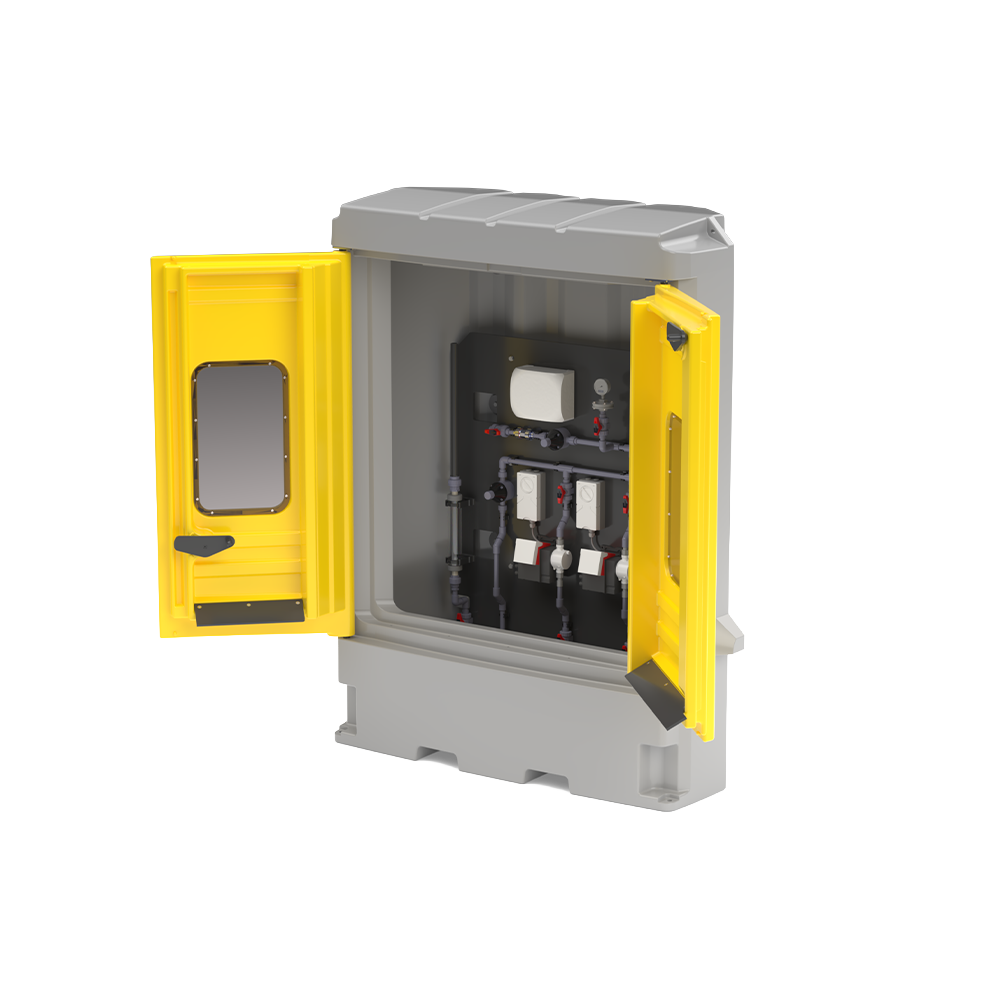
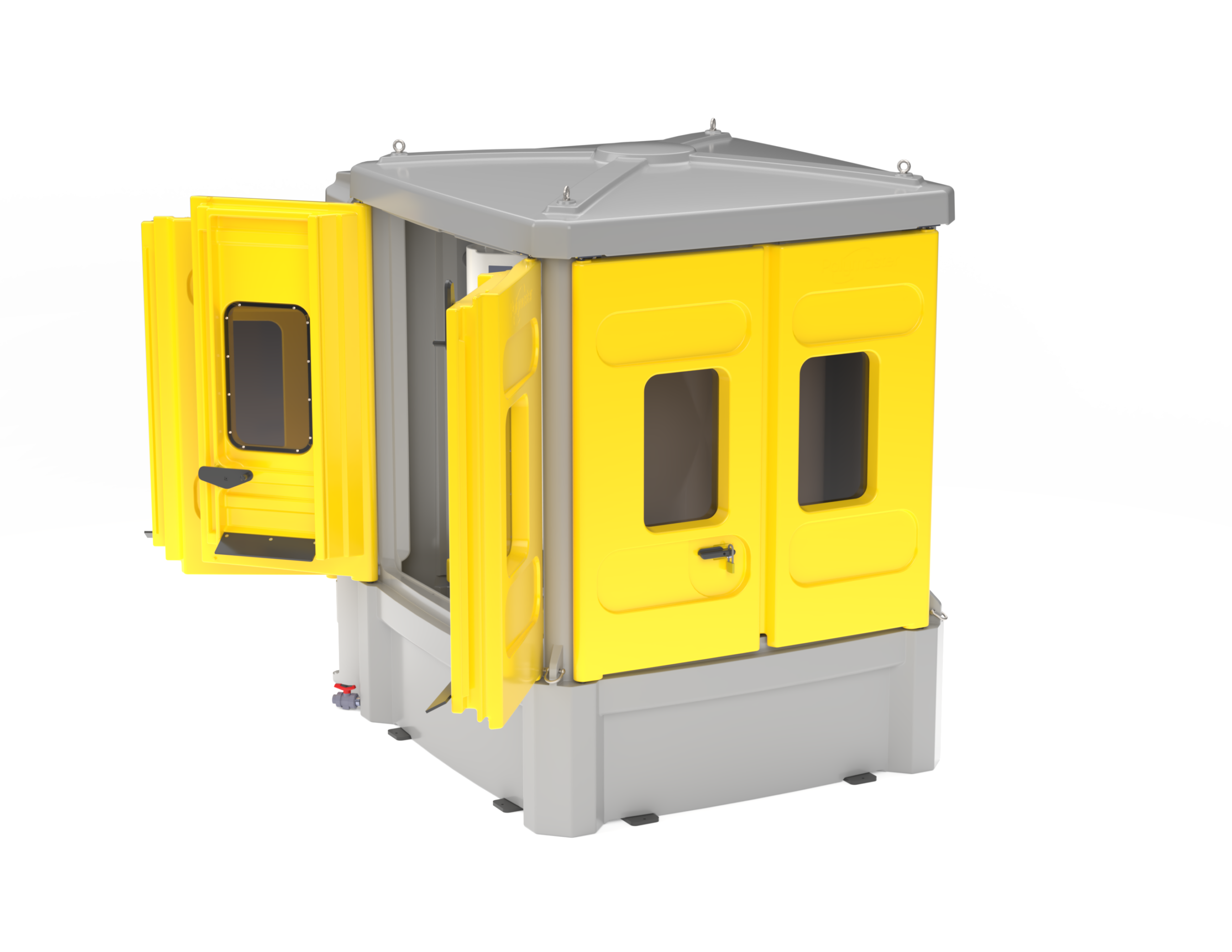
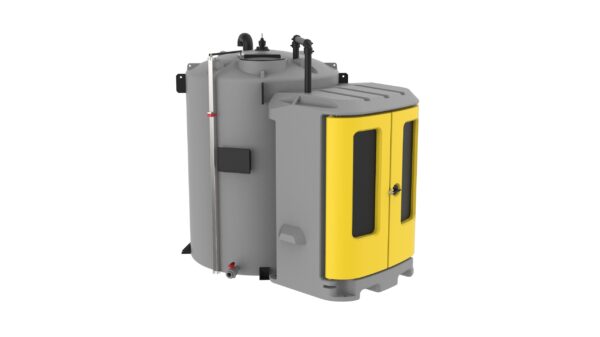
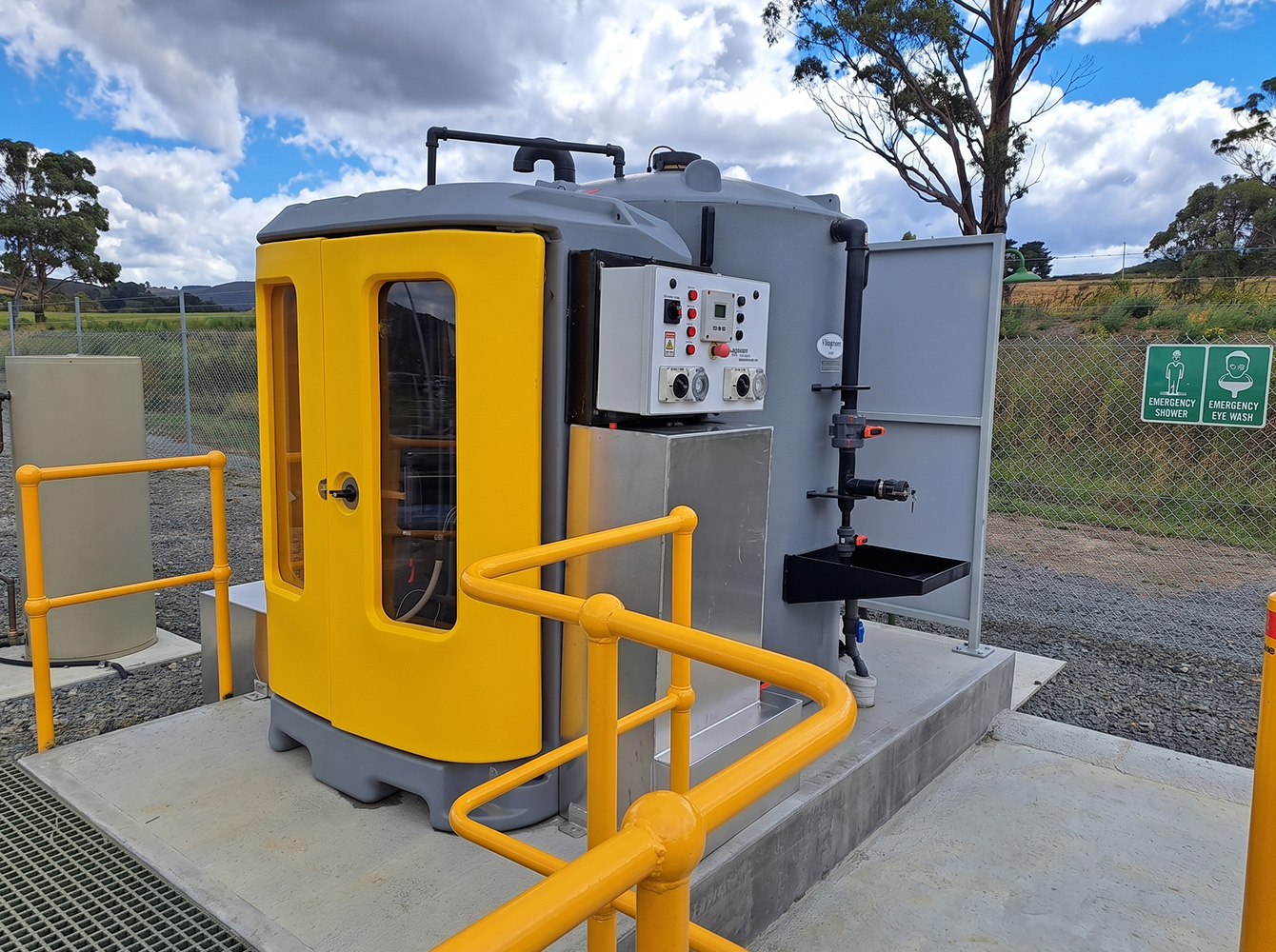
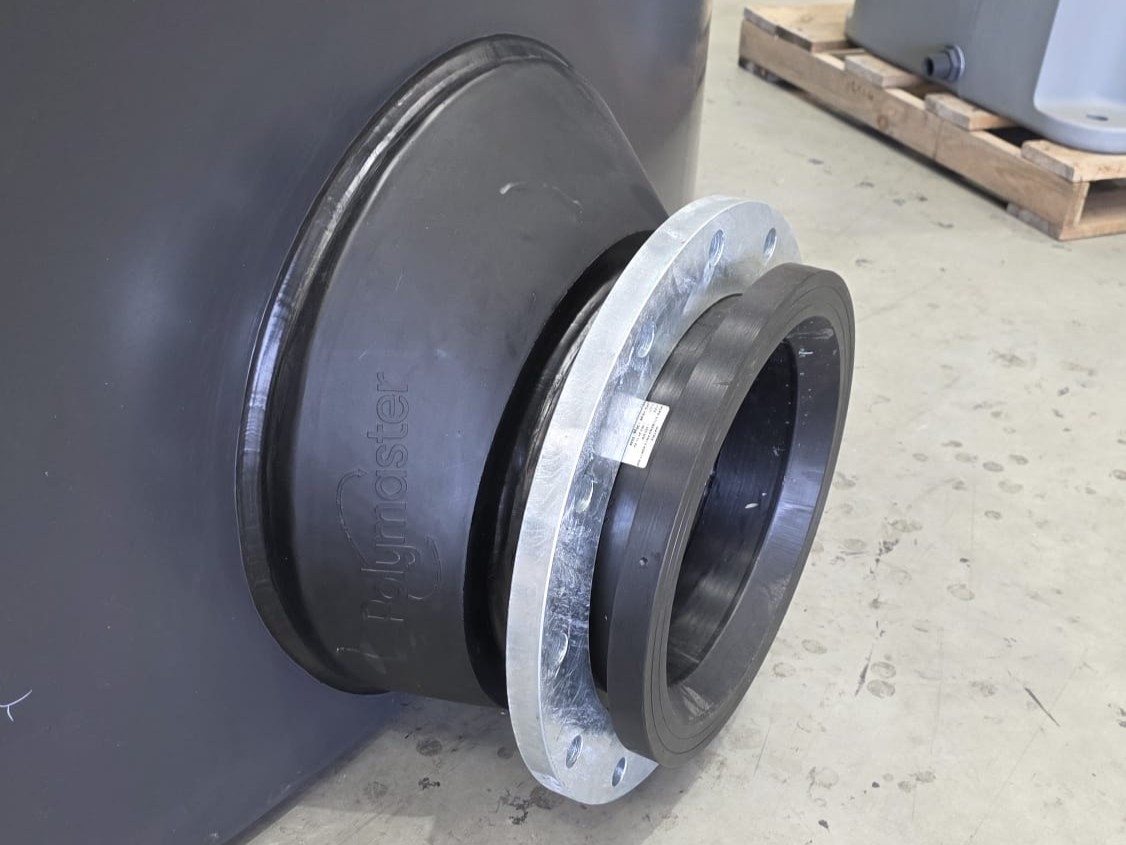
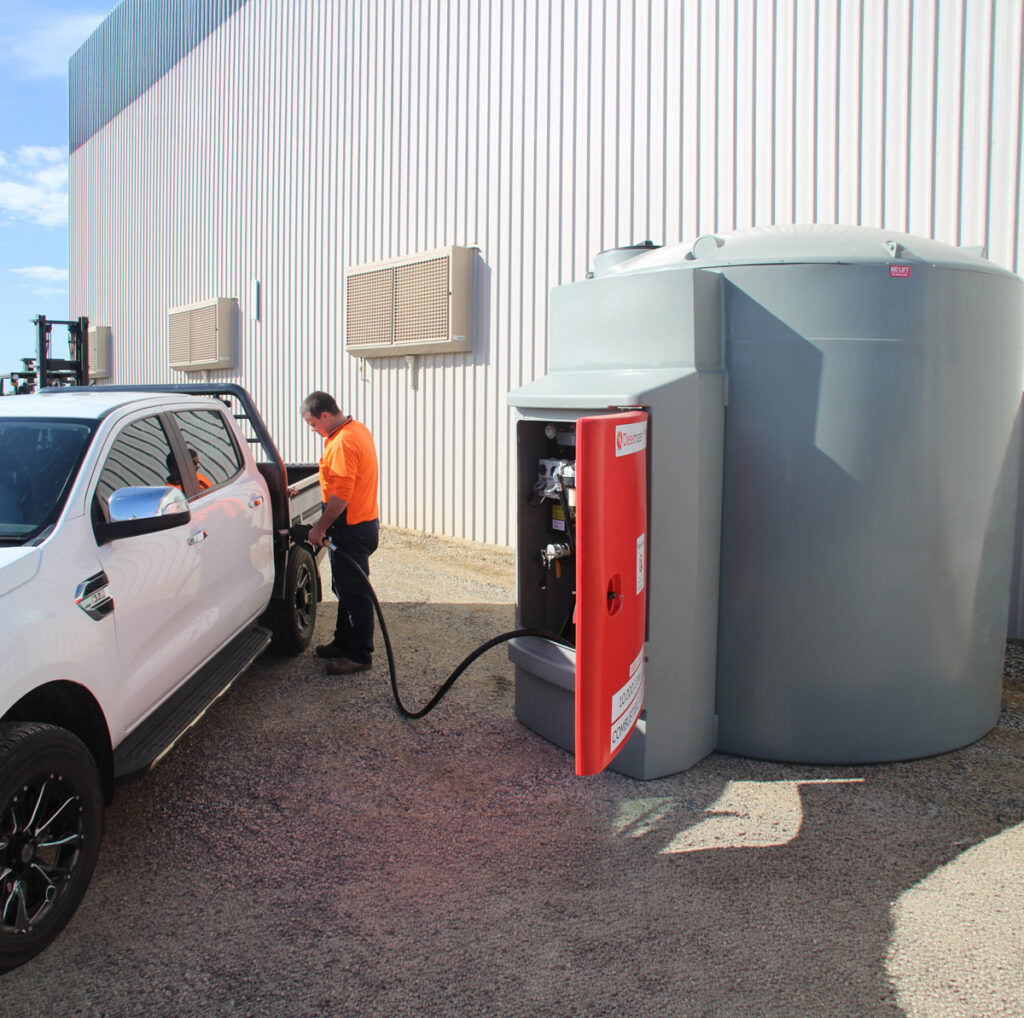
Polymaster’s poly diesel fuel tanks are built to slow every one of these problems. Our self-bunded diesel fuel tanks are Australian-made and double-walled to meet the self-bunding requirements of AS1940 (the Australian Standard for storing flammable and combustible liquids), holding 110% of the tank’s contents if the inner tank ever leaks.
The outer tank and cabinet are made from UV-tough material for the harsh Australian sun, and every unit arrives with a factory-fitted Italian Piusi pump and filter, in 5,000L and 10,000L sizes. If your fuel is already showing signs of contamination, see our guide to removing water, algae and diesel bug.
Browse Polymaster diesel tanks in our self-bunded diesel range, or contact our team for advice on the right tank size for your fuel use.