


Home Wastewater Septic Tanks
Septic Tanks
For properties not connected to the mains sewer system, a poly septic tank is a reliable, low-maintenance wastewater solution built to handle Australian conditions. Polymaster’s range is available in 3,100L and 4,550L capacities. Australian-made, independently certified, and engineered to perform across a wide range of residential and rural installations.

POLYMASTER SEPTIC TANK SOLUTIONS
Browse Our Range of Septic Tanks
Whether you are building a new home, replacing an ageing concrete system, or managing effluent on a rural property, Polymaster has the right tank for the job. Our poly septic tanks are lighter than concrete, corrosion-resistant, watertight, and backed by Polymaster’s quality guarantee.
Polymaster’s septic tank range is available in 3,100L and 4,550L capacities. Both models share the same one-piece poly construction with no joins or seams. An optional access lid and riser for deeper installation are available as accessories. Available through 1,600+ agricultural and plumbing stores across Victoria, South Australia, New South Wales, and South East Queensland.
| Code | Product | Capacity | Length (mm) | Width (mm) | Height (mm) | ||
|---|---|---|---|---|---|---|---|
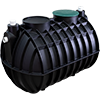 | ST3100 | 3,100L Septic Tank | 3,100L | 2470 | 1640 | 1700 | Download Drawing |
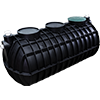 | ST4550 | 4,550L Septic Tank | 4,550L | 3520 | 1640 | 1700 | Download Drawing |
3,100L Septic Tank
ST3100
4,550L Septic Tank
ST4550
Not sure which tank is right for your property?
Our team can help you work out the right capacity and configuration for your site and council requirements. Call us on 1800 062 064 or use the instant quote tool above.
SEPTIC TANK APPLICATION
Where Are Septic Tanks Used?

Residential Properties on Rural or Fringe Lots
The most common use case. Properties on acreage, rural residential blocks, or outer-suburban lots without sewer access require an on-site wastewater management system.
A poly septic tank paired with a correctly designed absorption trench or effluent disposal system is the standard approach across Victoria, South Australia, New South Wales, and Queensland.
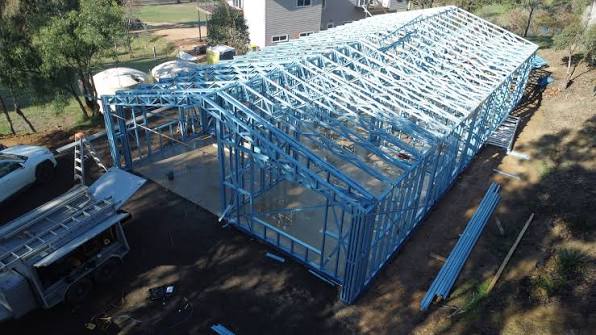
New Builds and Owner-Builder Projects
Polymaster’s range is commonly specified on new home builds and owner-builder projects where council approval for an on-site wastewater management system is required.
Your licensed plumber or wastewater designer can confirm the correct tank size and system configuration for your block.
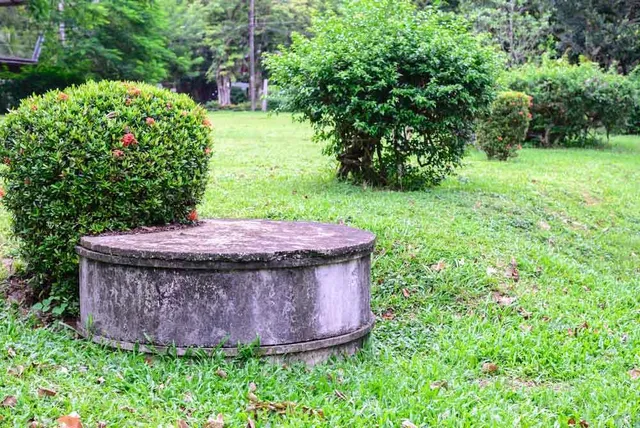
Replacement of Ageing Concrete or Steel Tanks
Poly is increasingly the replacement of choice for ageing concrete or steel septic systems.
Polymaster tanks are corrosion-resistant, watertight from the outset, and significantly lighter than concrete — making them easier to transport, handle, and install.
There is no risk of cracking or rusting over time.
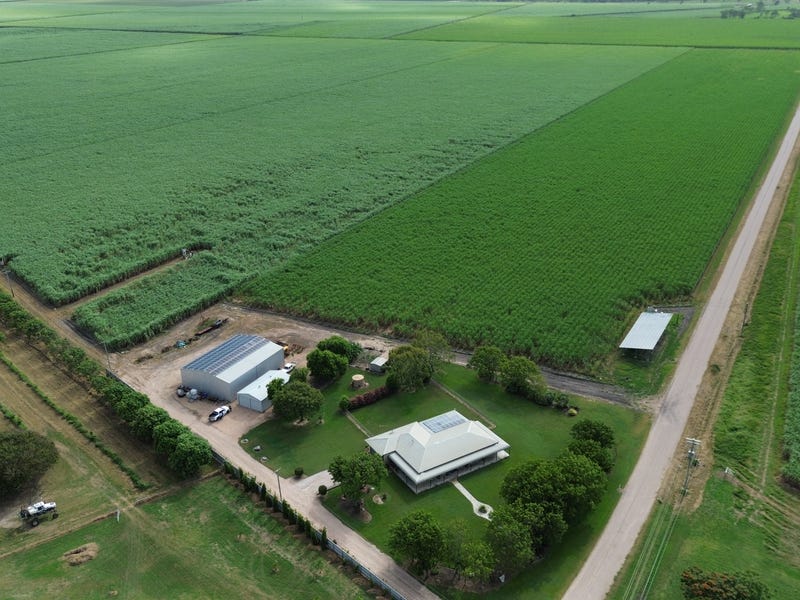
Rural and Agricultural Properties
Sheds, farm stays, workers’ accommodation, and secondary dwellings on agricultural land all require compliant on-site wastewater treatment.
Polymaster’s 4,550L model provides sufficient holding capacity for higher-occupancy rural applications where a larger system is required.
Highest Quality and Standards
Every Polymaster poly septic tank is built to last and independently certified, so you can have complete confidence in what you are putting in the ground.
ISO 9001 Quality Management
Polymaster holds ISO 9001 certification, the international standard for quality management systems.
Australian Made
Designed, engineered, and manufactured right here in Australia, built for our climate and our conditions.
Independently Certified
Certified to AS/NZS 4766:2006 for polyethylene storage tanks.

WHY CHOOSE POLYMASTER
Australian-Made Poly Septic Tanks — Built to Last
Polymaster has been supplying Australian homes, rural properties, and developments with quality liquid storage solutions for over 30 years. Our poly septic tanks are not general-purpose storage tanks repurposed for wastewater. They are purpose-built, one-piece units manufactured to the standards and specifications required for compliant on-site wastewater management.
Every unit leaves our facility independently certified to AS/NZS 4766:2006 and manufactured from polyethylene that is corrosion-resistant, watertight, and built to handle burial in Australian soil conditions. The one-piece construction means no joins, no seams, and no part lines, which is critical for a wastewater application where structural integrity directly affects environmental and public health outcomes.
FEATURE POINTS
Why Choose Polymaster Septic Tanks
There is a lot to consider when choosing an on-site wastewater system. Here is what sets Polymaster apart.
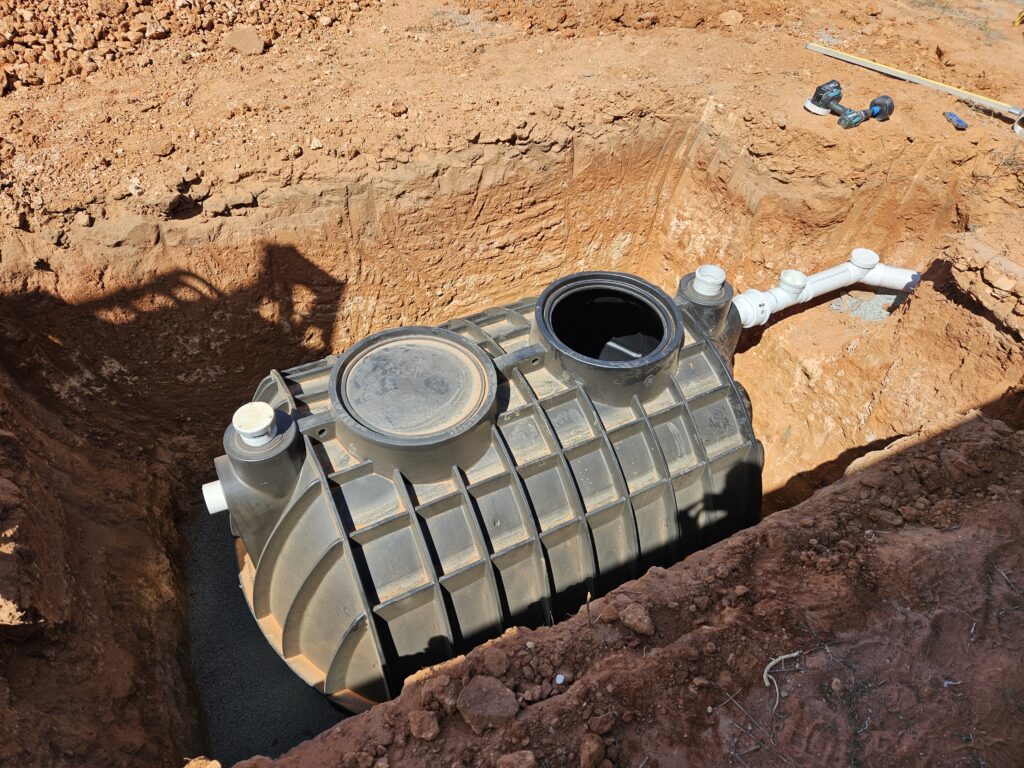
One-Piece Construction
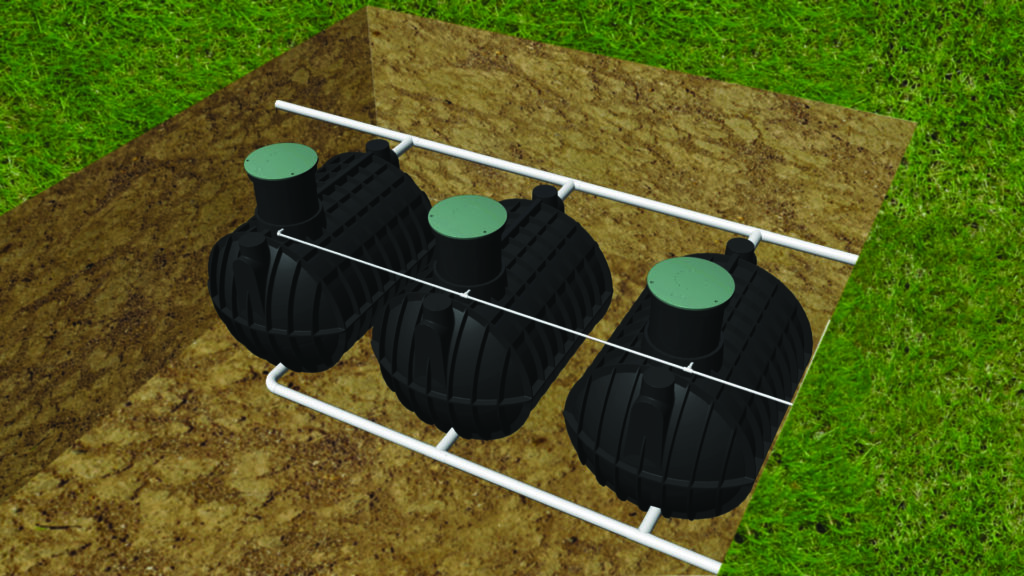
No joins, seams, or part lines down the walls. Manufactured in a single piece for maximum structural strength, we never remove the top of the tank for transport.
Corrosion and Root Resistant
Unlike concrete tanks that are vulnerable to cracking and tree root intrusion over time, Polymaster’s poly construction is corrosion-resistant and impervious to root intrusion, giving you long-term watertightness without ongoing repair costs.
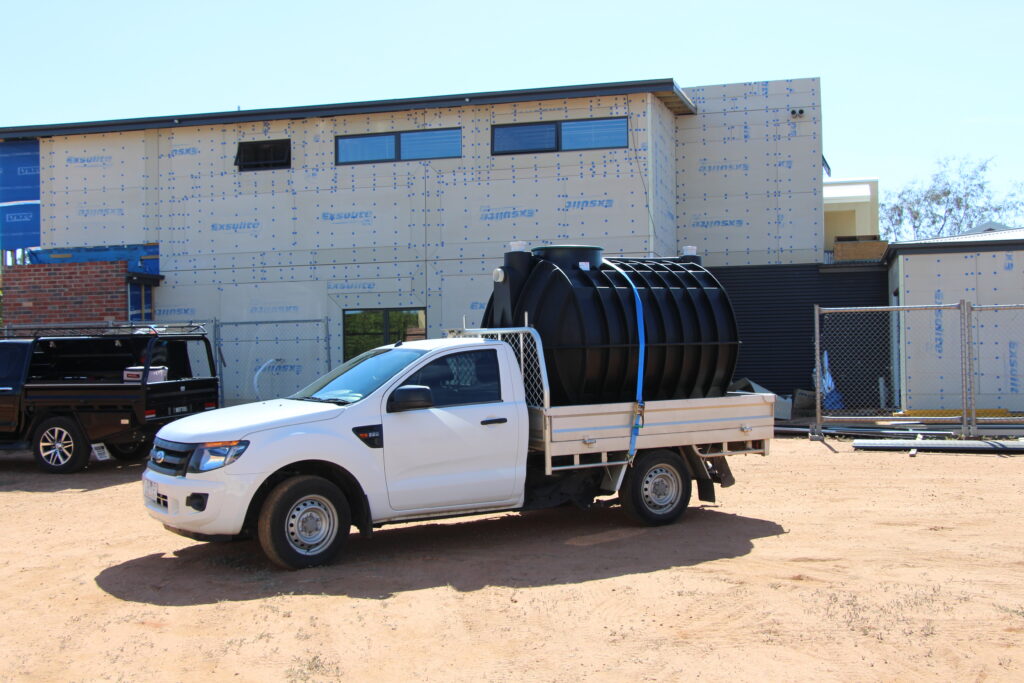
Lighter and Easier to Install
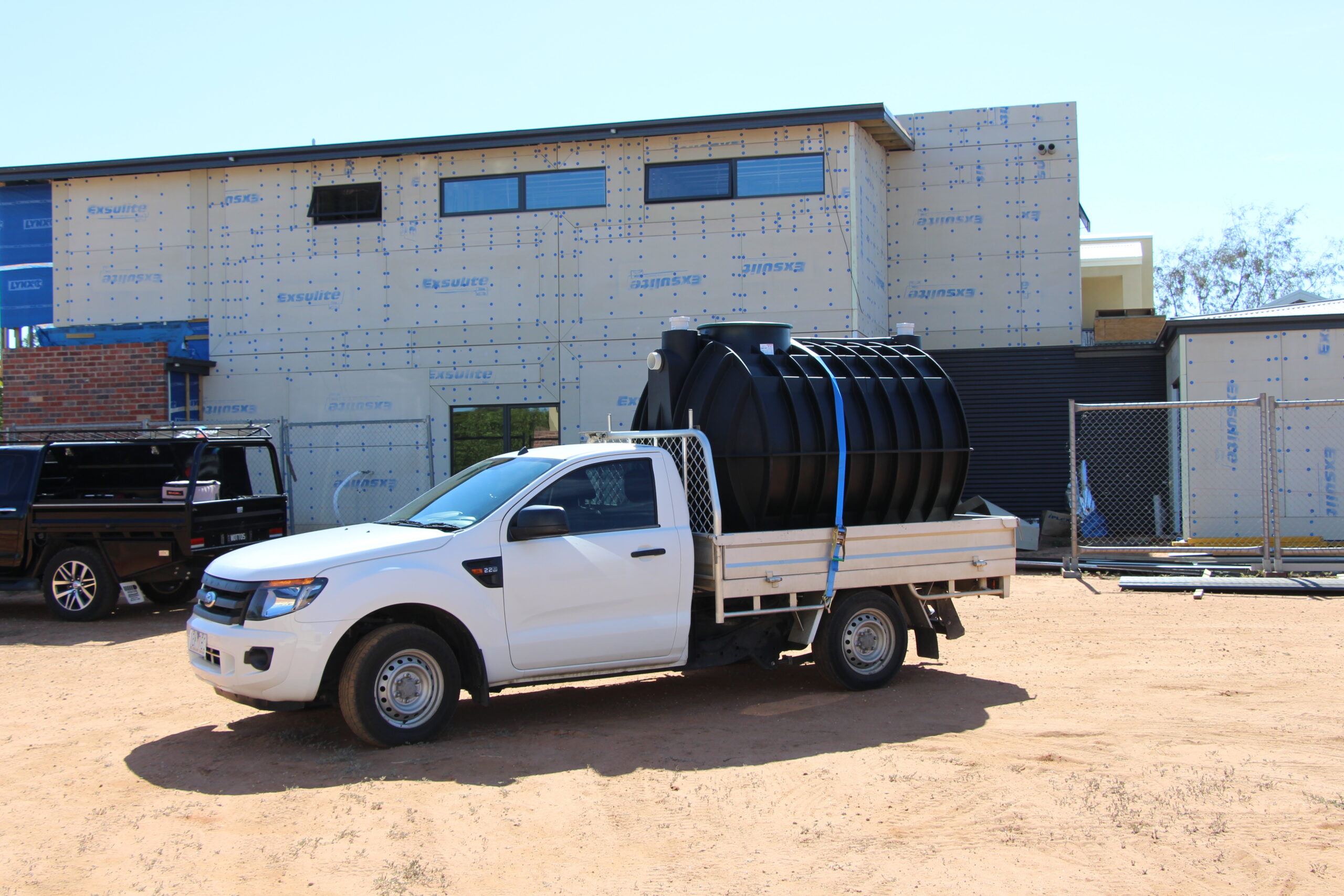
Poly tanks are significantly lighter than concrete equivalents, reducing the equipment, labour, and access requirements for delivery and installation. Lower installation cost and faster turnaround on most residential sites.
Independently Certified
Certified to AS/NZS 4766:2006. Polymaster holds licence numbers BMP657671 and BMP650824, independently verified, not self-certified.
POLY vs CONCRETE SEPTIC TANKS
Poly or Concrete? Here Is the Honest Answer.
For most Australian residential and rural installations, poly is the better choice. Here is why.
Weight and Installation
Concrete septic tanks can weigh several tonnes, requiring heavy machinery for transport and installation. A poly tank of equivalent capacity is a fraction of the weight, easier to transport to the site, easier to manoeuvre into position, and faster to install. On most residential lots, this translates directly to lower installation costs and less site disruption.
Structural Integrity Over Time
Concrete is prone to cracking as soil settles and shifts over time. Once cracked, a concrete tank can leak effluent into the surrounding soil, an environmental and compliance problem. Tree root intrusion into concrete joints is also a well-documented failure point. Polymaster’s one-piece poly construction has no joins or seams, and is not susceptible to cracking or root intrusion under normal burial conditions.
Watertightness
A watertight tank is critical for an on-site wastewater system both to prevent leakage of effluent outward and to prevent groundwater infiltration inward (which can overwhelm the system and cause surfacing). Poly tanks are inherently watertight by construction. Concrete tanks can develop permeability issues as they age, particularly if cracking has occurred.
Where Concrete Still Has a Role
Concrete tanks remain common on sites where extreme vehicle loads are unavoidable directly over the tank, or in regions where local council standards or drainage designers specify concrete. If you are unsure which is required for your site, check with your licensed wastewater designer or local council before ordering.
“We chose a Polymaster septic tank for our property and couldn’t be happier with the quality. It’s solid and well made."
“Our Polymaster septic tank was straightforward to install and made the whole process easy. A quality, well-designed solution for our property.”
How to Install a Poly Septic Tank
Polymaster’s range is designed to simplify the installation process. The following overview covers the key stages of a typical below-ground septic tank setup. For full specifications, download the Polymaster Septic Tank Installation Guide.
Step 1 — Site Assessment and Council Approval
Before any excavation, obtain the required council or regulatory approval for your on-site wastewater management system. A licensed wastewater designer will assess your block size, soil type, water table depth, and setback distances to determine the correct system configuration and tank size.
Step 2 — Excavation and Base Preparation
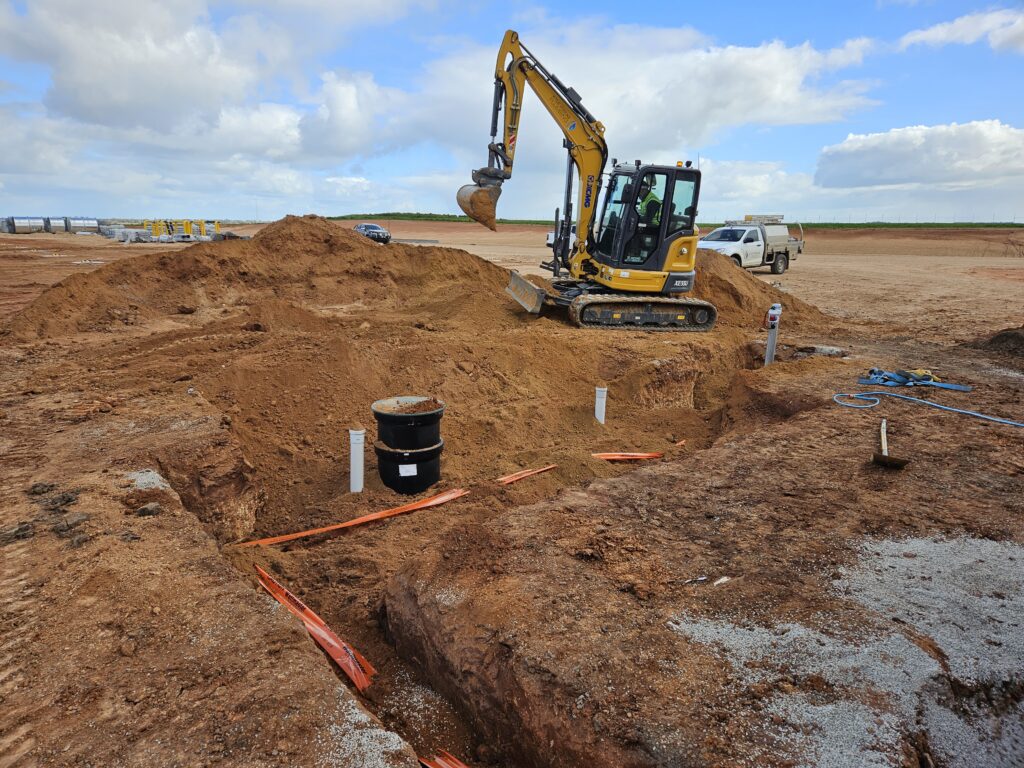
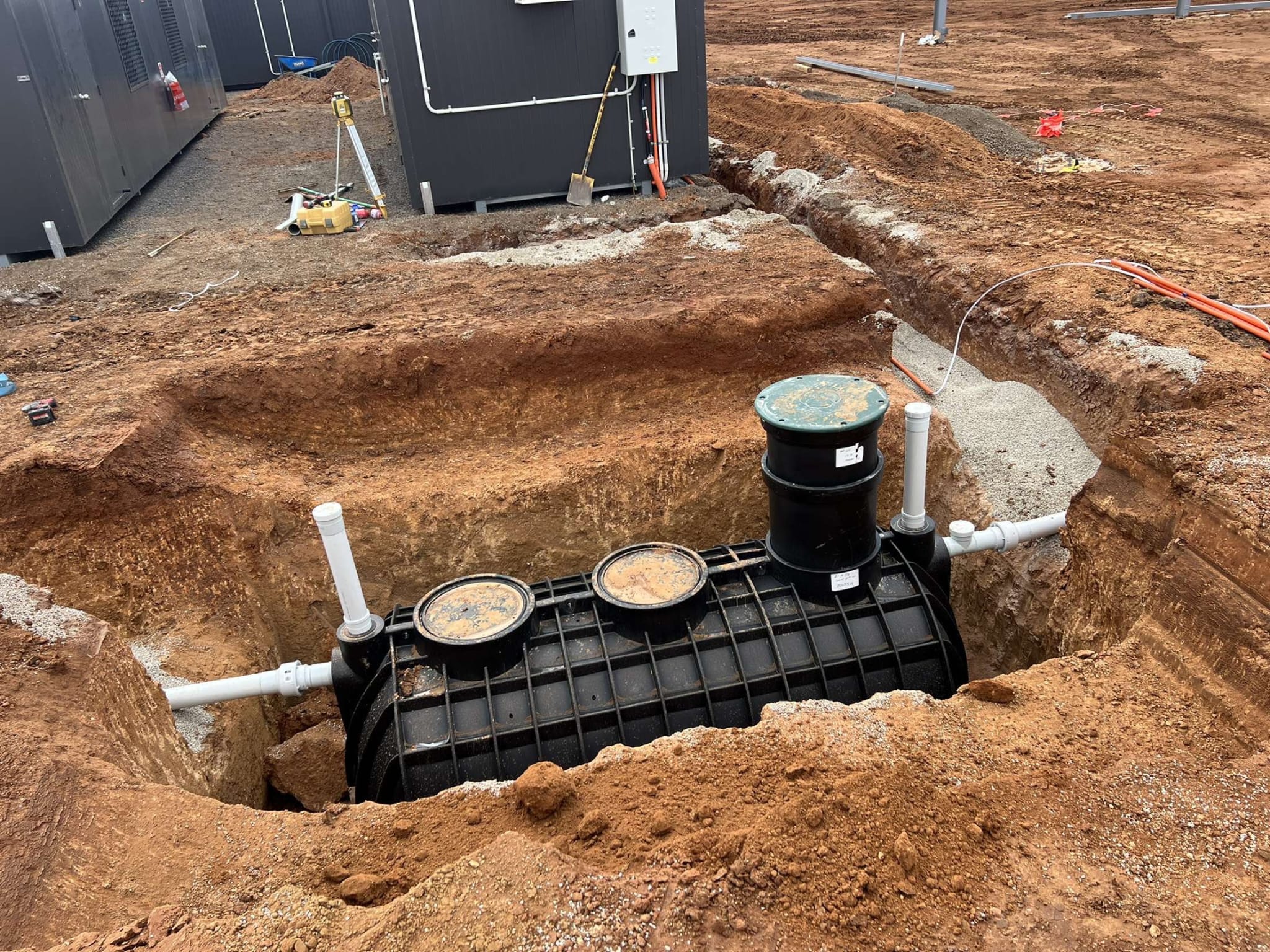
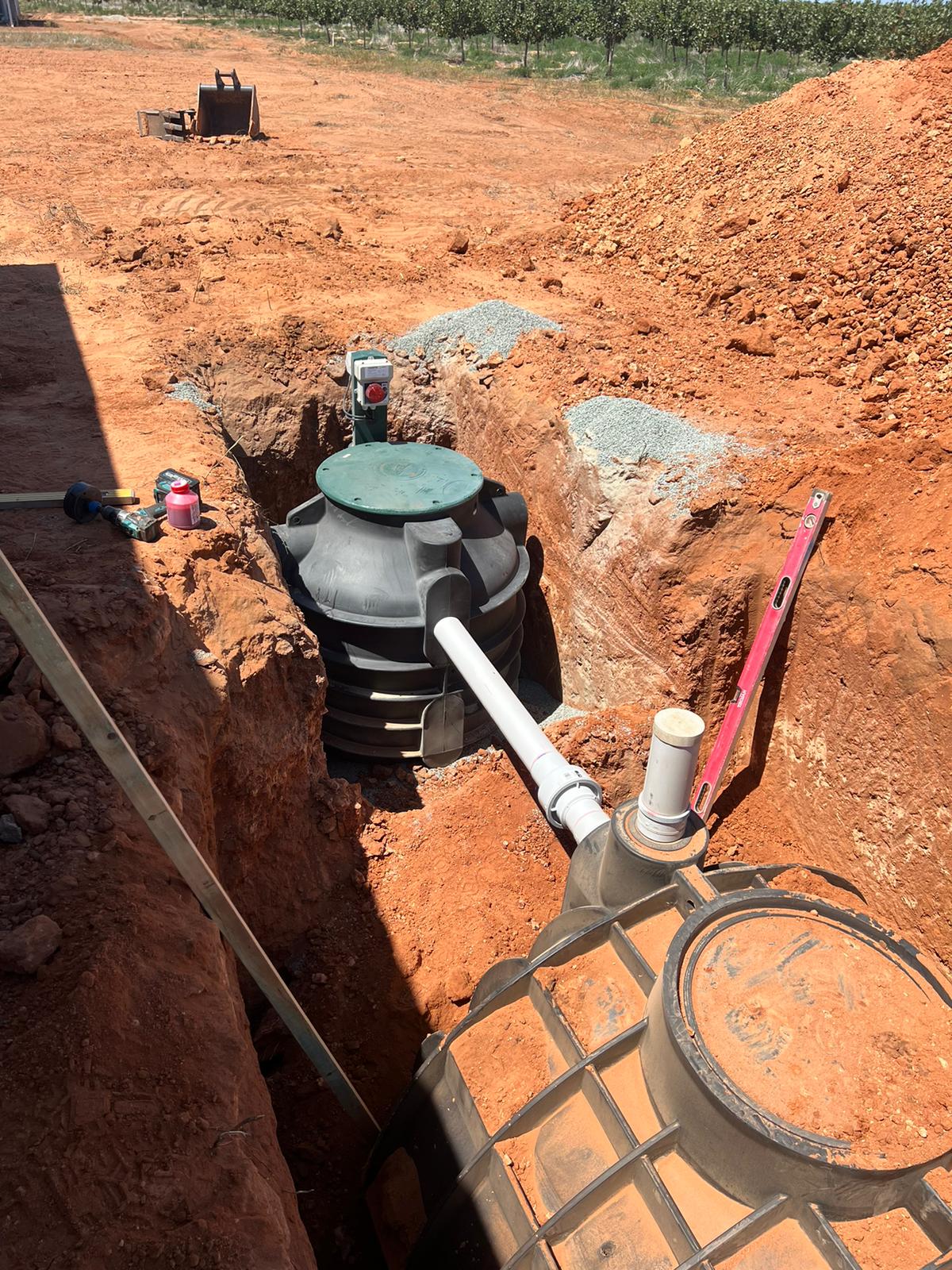
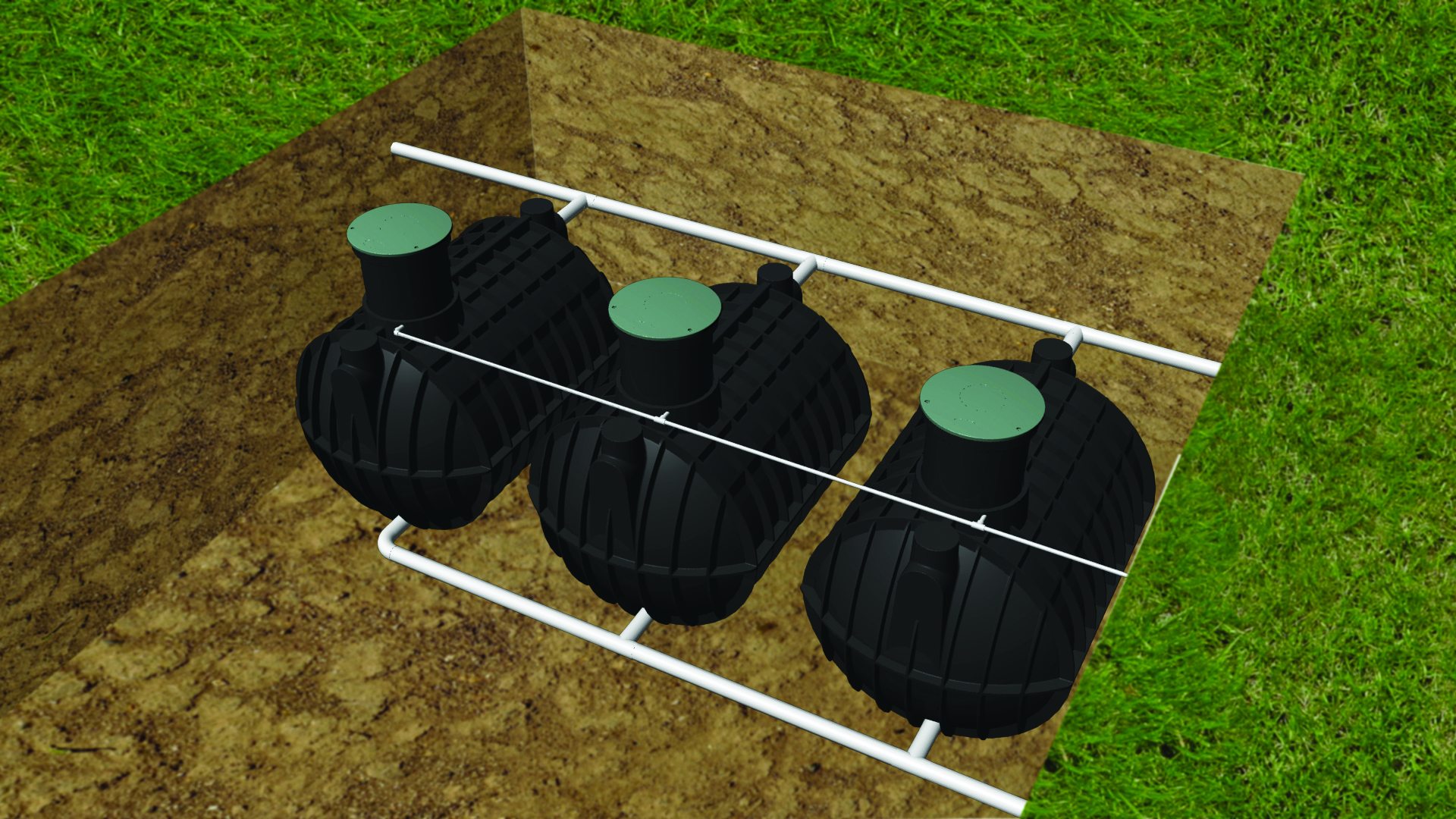
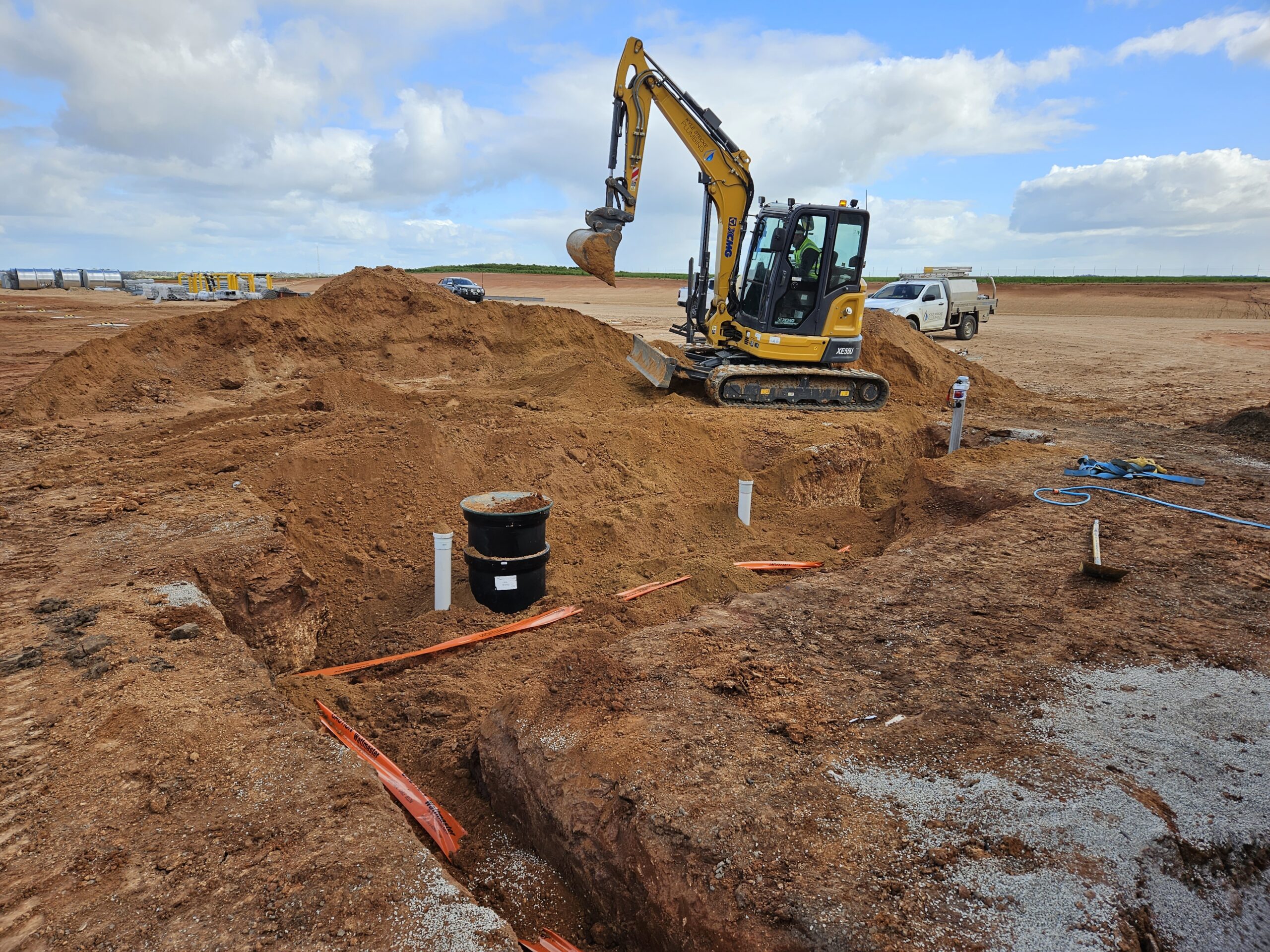
Excavate to specification with adequate working clearance on all sides. Ensure safe battering of trench walls. Prepare a firm, level, and compacted base, typically sand or compacted crushed rock, for the tank to sit on. The base must be solid to prevent settlement that could stress the tank or plumbing connections.
Step 3 — Tank Placement
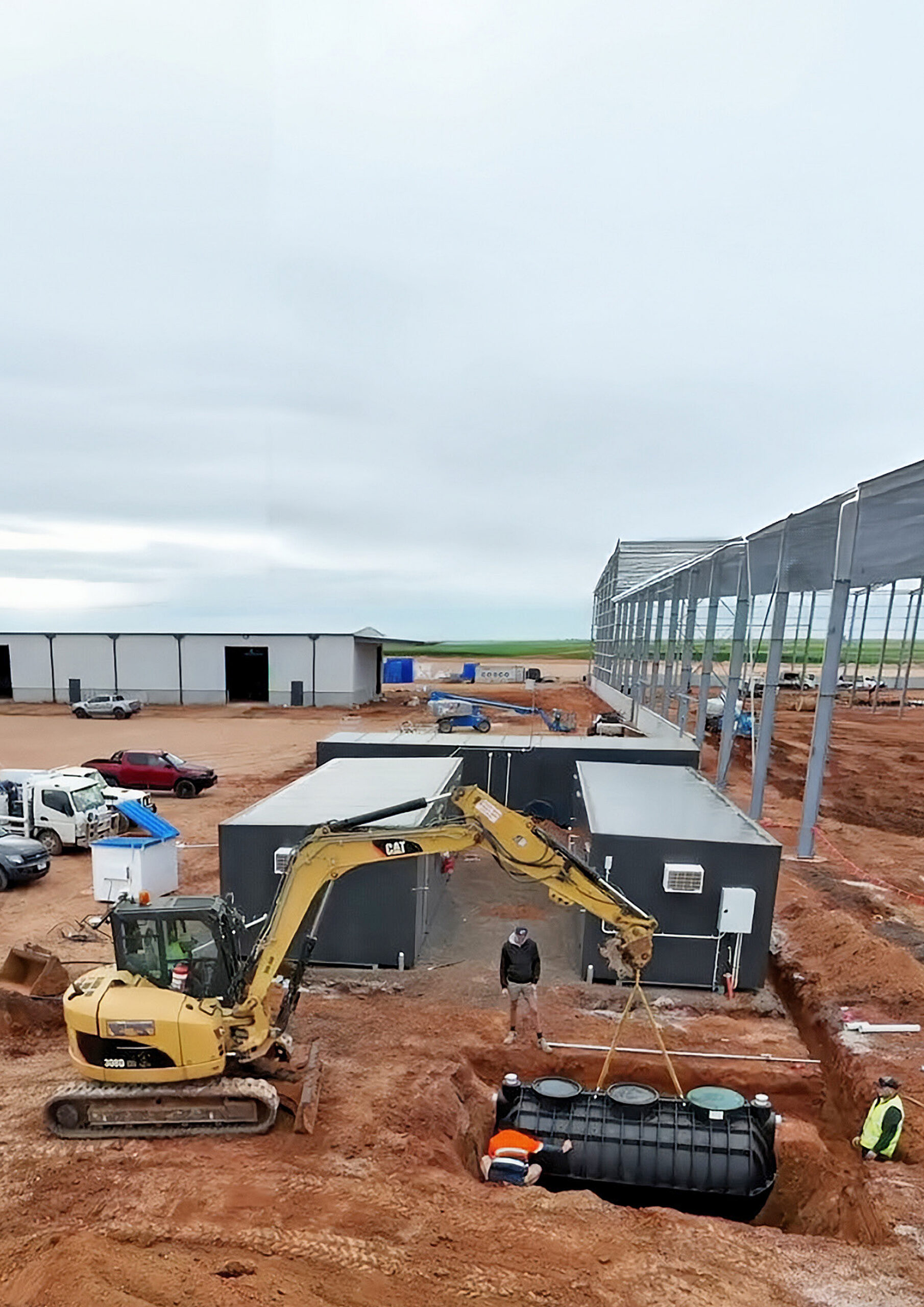
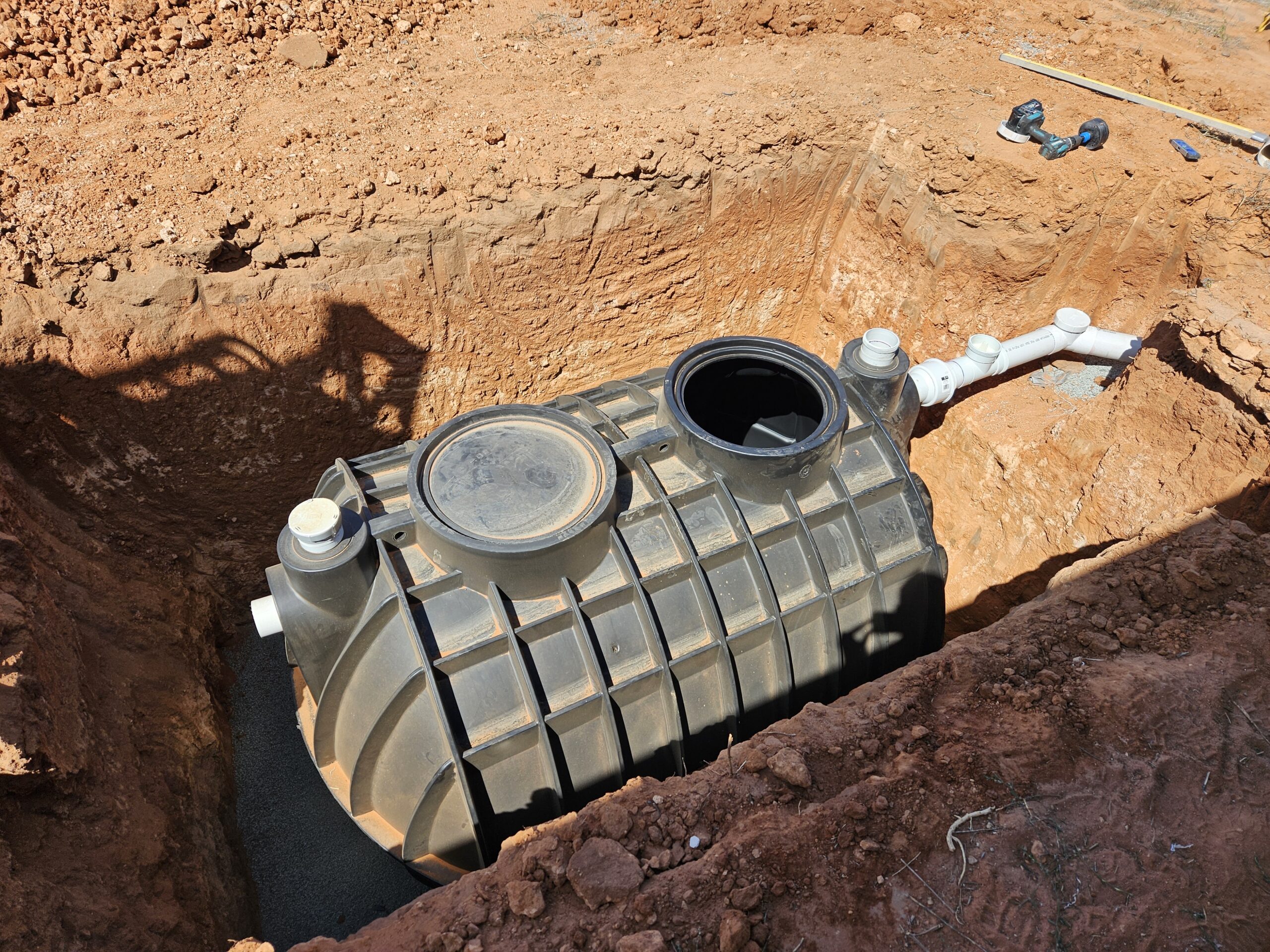
Lower the tank into position using appropriate lifting equipment. Set it on the prepared base and check whether the level is correct in both directions before proceeding. The inlet should be on the higher end of the natural site fall, wherever possible.
Step 4 — Riser Installation (If Required)
If your installation depth requires the access lid to be at or above finished ground level, fit the riser extension (STRISER01) before backfilling. The riser brings the access point to the surface for inspection and maintenance without requiring excavation.
Step 5 — Plumbing Inlet and Outlet Connections
Connect the inlet pipe from the house drain and the outlet pipe to the effluent disposal system (absorption trench, sand filter, or approved alternative) per the approved design. Install per minimum fall requirements and local plumbing code. All connections must be made by a licensed plumber.
Step 6 — Pre-Filling
Pre-fill with water to the specified level before backfilling begins. This stabilises the tank, counteracts any buoyancy from groundwater, and ensures the tank holds its shape under backfill pressure.
Step 7 — Backfilling
Backfill evenly in compacted layers, using clean fill free of large rocks or debris that could stress the tank walls. Follow the manufacturer’s installation guide for layer depth and compaction requirements. Do not use the excavator bucket directly against the tank wall.
Step 8 — Inspection, Testing, and Commission
Inspect all connections for leaks before covering. A licensed plumber must certify that the installation is compliant with the approved design. Notify the council or the relevant authority to arrange any required inspections before the system is commissioned.
Polymaster septic tanks must be installed by a qualified plumber or licensed contractor in accordance with the approved wastewater management design and all relevant state and local government requirements. Installation by an unlicensed person will void the warranty and may breach council approval conditions. Contact your local council or a licensed wastewater designer if you are unsure about the requirements for your property.
DELIVERY AND DISTRIBUTION
Delivery Across Victoria, South Australia, New South Wales, and Queensland
Preparing Your Site
Truck and trailer clearance required is 19 metres long, 5 metres high, and 3.5 metres wide. Check for low branches or powerlines on your access route and ensure your gate and entrance can accommodate a 19m truck and trailer. A flat, clear area of at least 5 metres by 5 metres is required for unloading. Our logistics team will contact you approximately seven days before delivery to confirm your address and access requirements.
SEPTIC TANKS IN THE FIELD
Not Sure Which Septic Tank Is Right for Your Property?
Talk to our team. We will help you work out the right size, configuration, and accessories for your site and council requirements — whether it is a straightforward residential installation or a more complex rural application.


MORE SEPTIC TANK SOLUTIONS FROM POLYMASTER
Explore Our Full Wastewater and Water Management Range
Septic tanks are one part of Polymaster’s wastewater and water management offering. If you need a pump well, a sewage pumping station, or a rainwater harvesting solution, we have you covered.
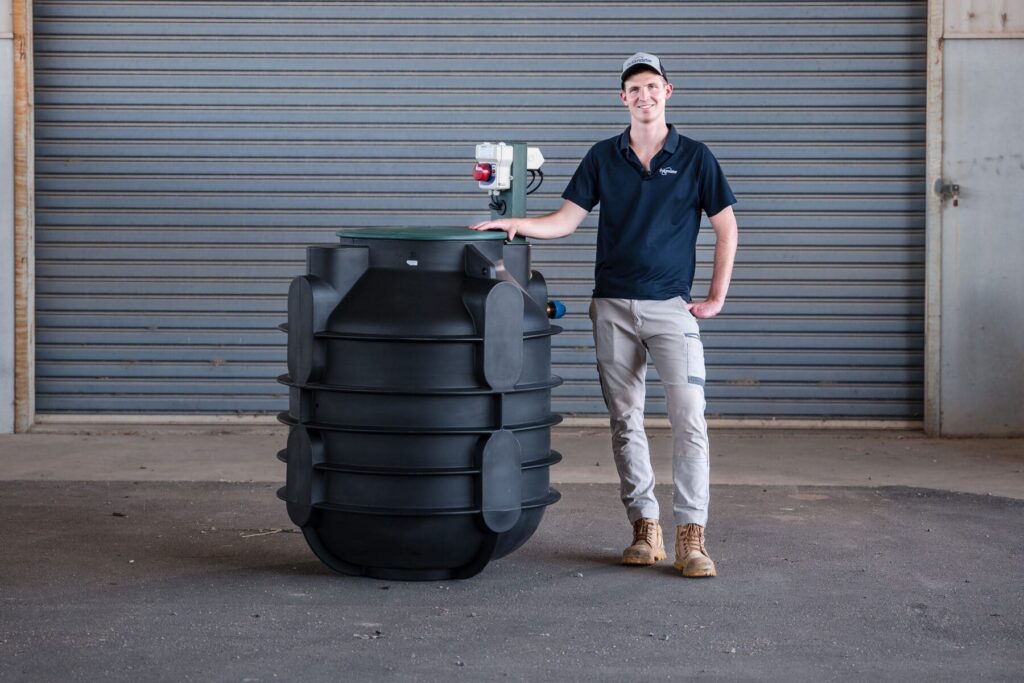
Pump Wells
Polymaster poly pump wells are designed for the collection and pumping of wastewater and stormwater where gravity drainage is not possible. Available in a range of sizes to suit residential and light commercial applications.
View Range
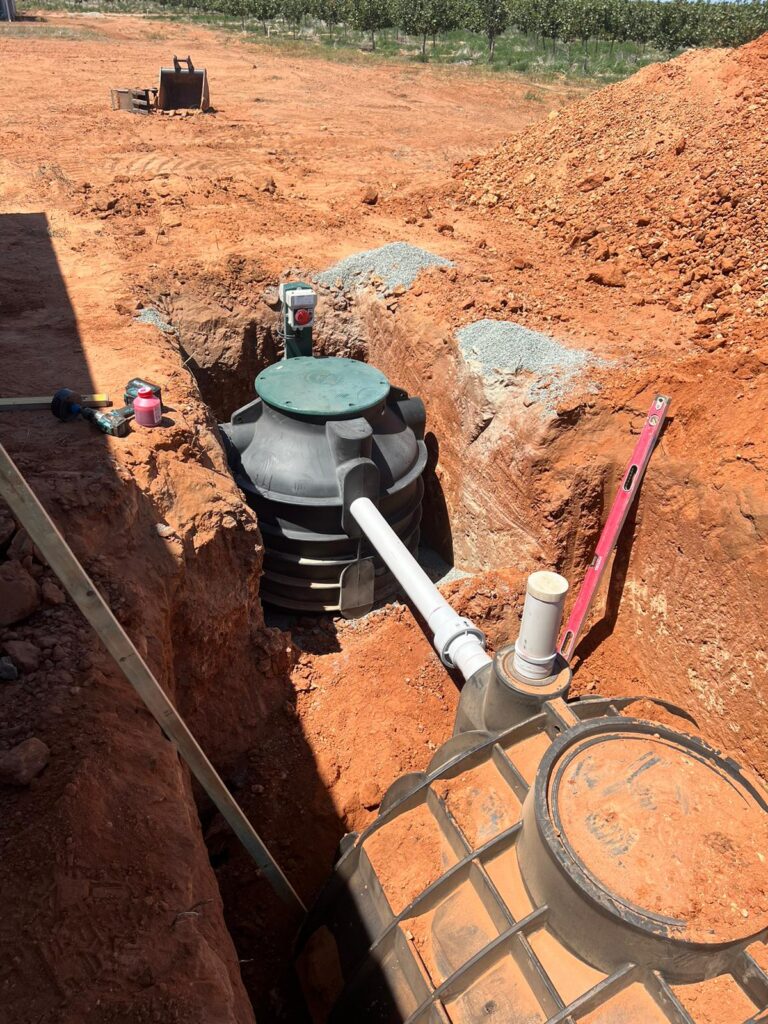
Sewage Pumping Stations
For black water and grey water applications requiring a complete pump station system, Polymaster’s range covers both domestic and light commercial requirements. Available in stormwater/grey water and sewer/black water configurations.
View Range
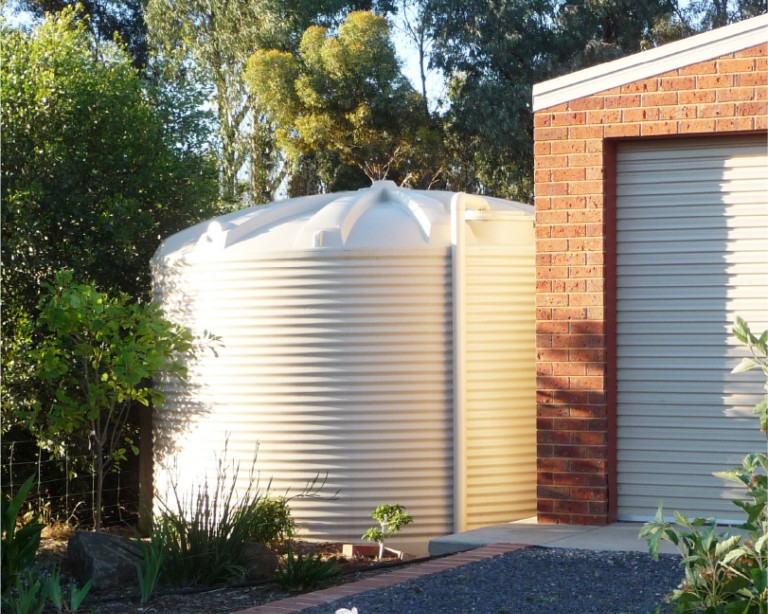
Water Tanks
Polymaster’s water tank range, from slimline residential tanks to underground rainwater harvesting systems, is the natural complement to any wastewater solution on your property. Store the water you collect, manage the water you discharge.
View Range
FAQs
Frequently Asked Questions
Everything you need to know about Polymaster’s septic tank range, from sizing and installation through to maintenance and compliance.
Can I install a septic tank myself?
No. In all Australian states and territories, the installation of a septic tank and associated on-site wastewater management system must be carried out by a licensed plumber and approved by your local council or relevant authority. The system must be designed by a licensed wastewater designer and installed in accordance with the approved design. Installation by an unlicensed person is illegal, will void the product warranty, and may result in significant fines and remediation costs.
Does Polymaster offer septic tank solutions?
Yes. Polymaster’s poly septic tank range is available in 3,100L and 4,550L capacities, with an optional access lid and riser for deeper installation. Tanks are available through 1,600+ agricultural and plumbing stores across Victoria, South Australia, New South Wales, and South East Queensland. Contact our team to discuss your requirements or to find your nearest stockist.
Does shower water go into the septic tank?
Yes, in most conventional septic systems, shower water (grey water) flows through the household drain network and into the septic tank along with toilet waste (black water). The tank provides primary treatment — separating solids, liquids, and scum — before the clarified effluent passes to the secondary treatment and disposal system (typically an absorption trench or sand filter). Some modern systems separate grey and black water into different treatment streams; your wastewater designer can advise on what is appropriate for your block and council requirements.
How often do I have to empty a septic tank?
As a general guide, a residential septic tank should be inspected and assessed every 1 to 3 years, and pumped out every 3 to 5 years — but the actual interval depends on tank size, household occupancy, what goes into the system, and local conditions. A licensed septic tank technician can assess your sludge and scum levels during an inspection and advise on whether a pump-out is required. Never wait until the system shows signs of failure before arranging a pump-out.
How often should you clean your septic tank?
Septic tanks should be inspected every 1 to 3 years and pumped out approximately every 3 to 5 years under normal residential usage. The access lid and inlet baffle should be checked at each inspection. If you notice slow drains, odours near the disposal field, or wet patches over the absorption trench, arrange an inspection immediately — these can be early signs of a system that needs attention. Regular maintenance is significantly less expensive than system failure or remediation.
Should I choose a plastic or concrete septic tank?
For most Australian residential and rural installations, a poly (plastic) tank is the better choice. Poly tanks are lighter, easier to install, corrosion-resistant, and watertight by construction — with no joins or seams that can fail over time. Concrete tanks are heavier and costlier to install, and can crack or develop permeability issues as they age. That said, concrete may be specified in certain circumstances — for example, under very heavy vehicle loads or where local council standards require it. Check with your wastewater designer or local council if you are unsure. See the full comparison in the section above.
What are the signs of a full septic tank? What happens if you never pump out your tank?
Signs that your septic tank needs attention include: slow-draining sinks, showers, or toilets; gurgling sounds in drains; sewage odours inside the house or near the tank or disposal field; wet or unusually green patches of grass over the absorption trench; and sewage surfacing above ground. If a tank is never pumped out, accumulated sludge and scum eventually reduce the working capacity of the tank to the point where untreated effluent passes directly into the disposal field. This causes the field to fail, can result in sewage surfacing, and can contaminate groundwater. Remediation is expensive and in some cases requires full system replacement.
What should you never put in a septic tank?
Avoid flushing or draining any of the following into a septic system: wet wipes, paper towels, tissues, nappies, sanitary products, condoms, cotton buds, or any non-biodegradable items. Chemical drain cleaners, bleach, disinfectants, and antibacterial products in large quantities can kill the bacteria in the tank that break down waste, causing the system to underperform. Cooking fats and oils, coffee grounds, and food waste from a garbage disposal will accelerate sludge build-up. Medications and chemicals should never be disposed of via the septic system. If in doubt, bin it — do not flush it.