
Home Chemical & Industrial Chemical Dosing Chemical Dosing Skids
Chemical Dosing Skids
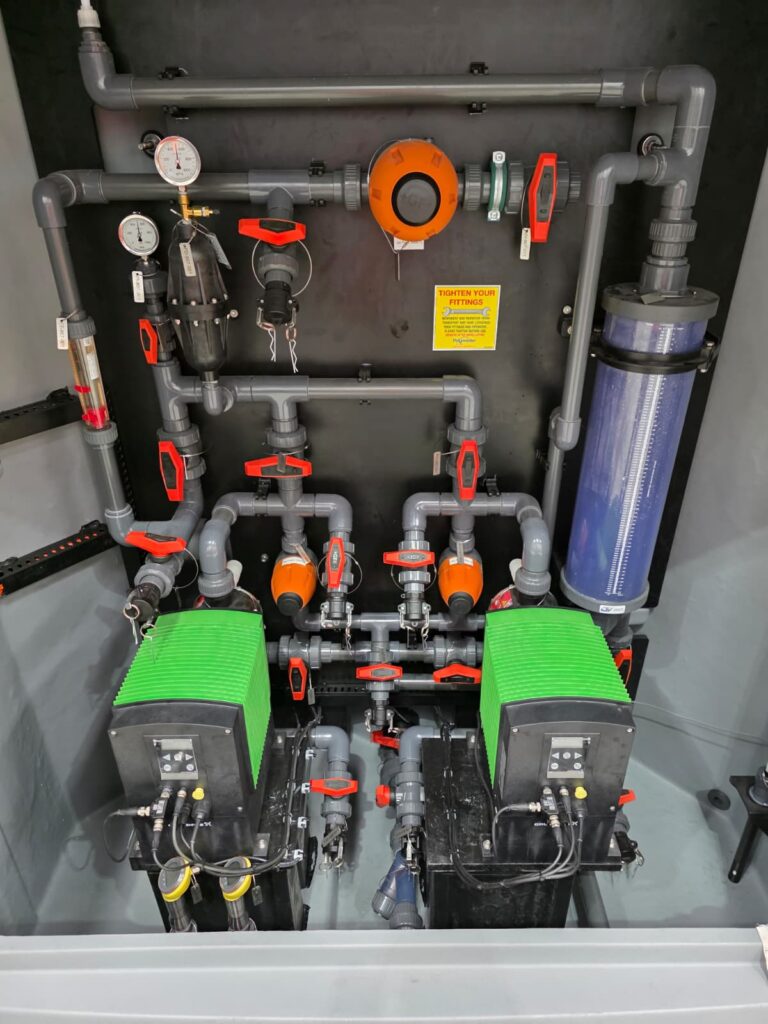
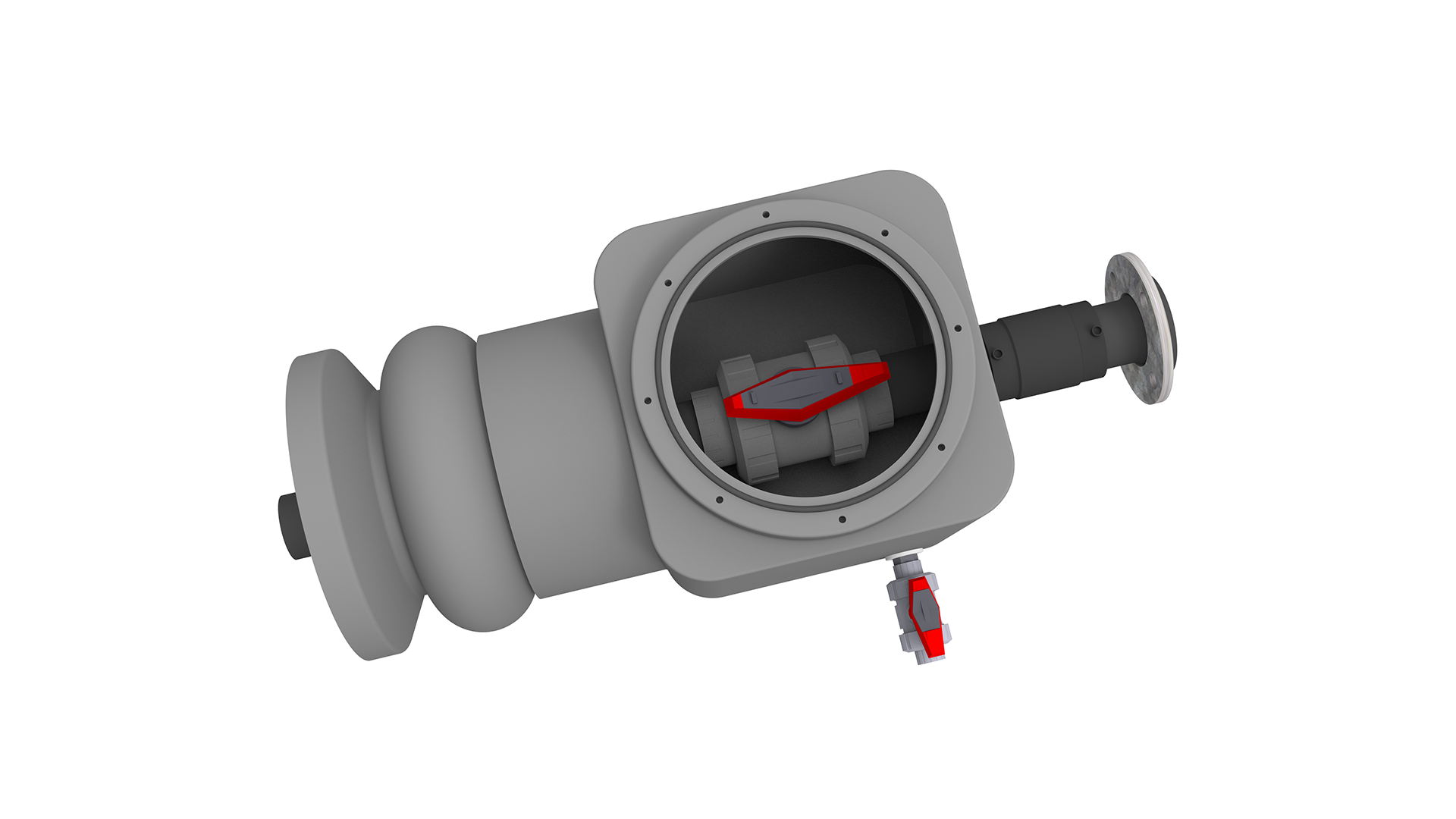
Pre-engineered dosing skids built with +GF+ (Georg Fischer) pipework and valves to suit the Grundfos DDA range, AR and FCM models.
Duty or Duty/Standby configurations from 7.5LPH at 16Bar to 200LPH at 4Bar. The 15mm piping layout gives operators clear access for adjustments, calibrations and visual inspections.
POLYMASTER PRE-ENGINEERED DOSING SKIDS
Browse the Dosing Skid Range
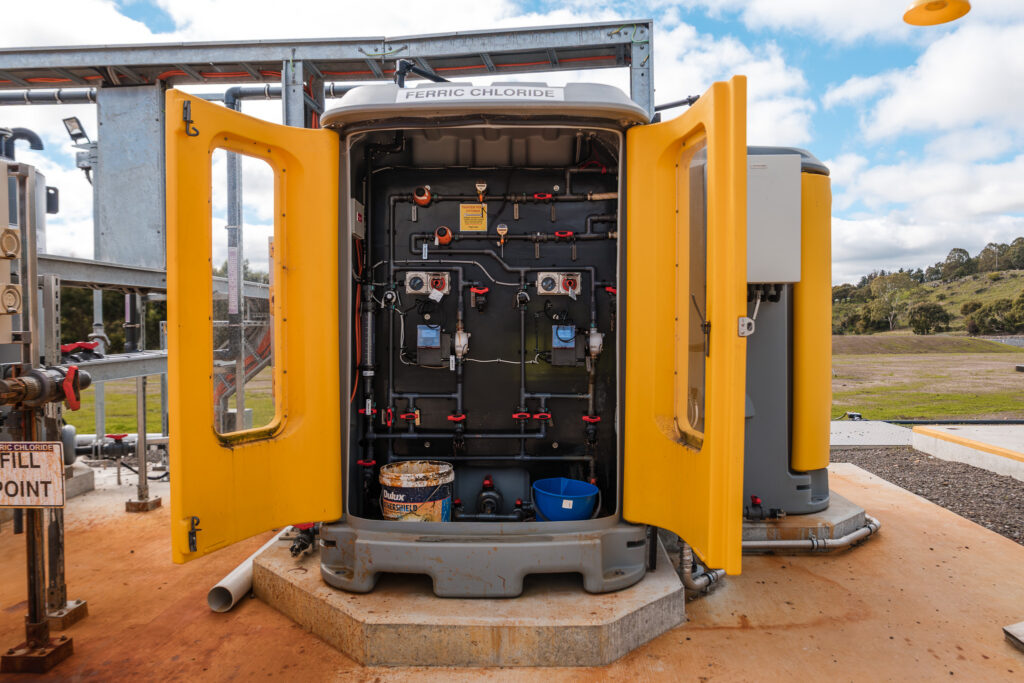
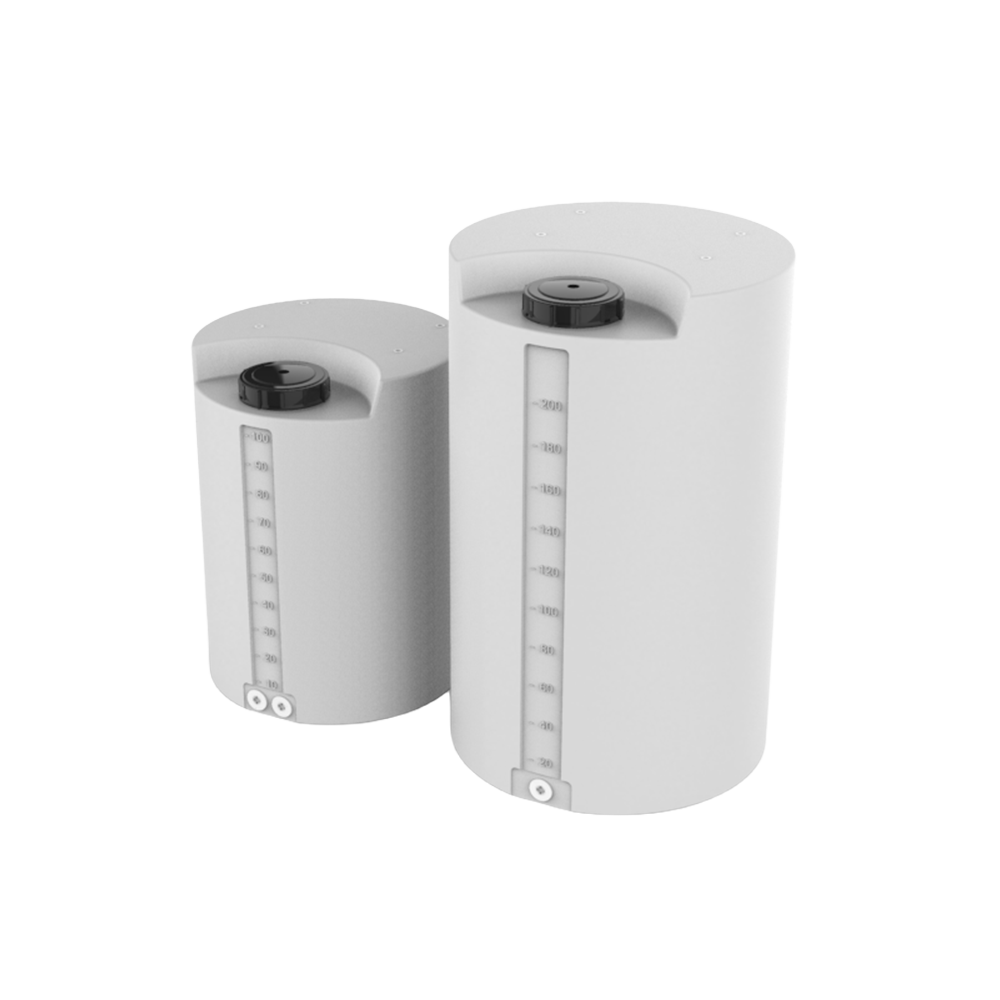
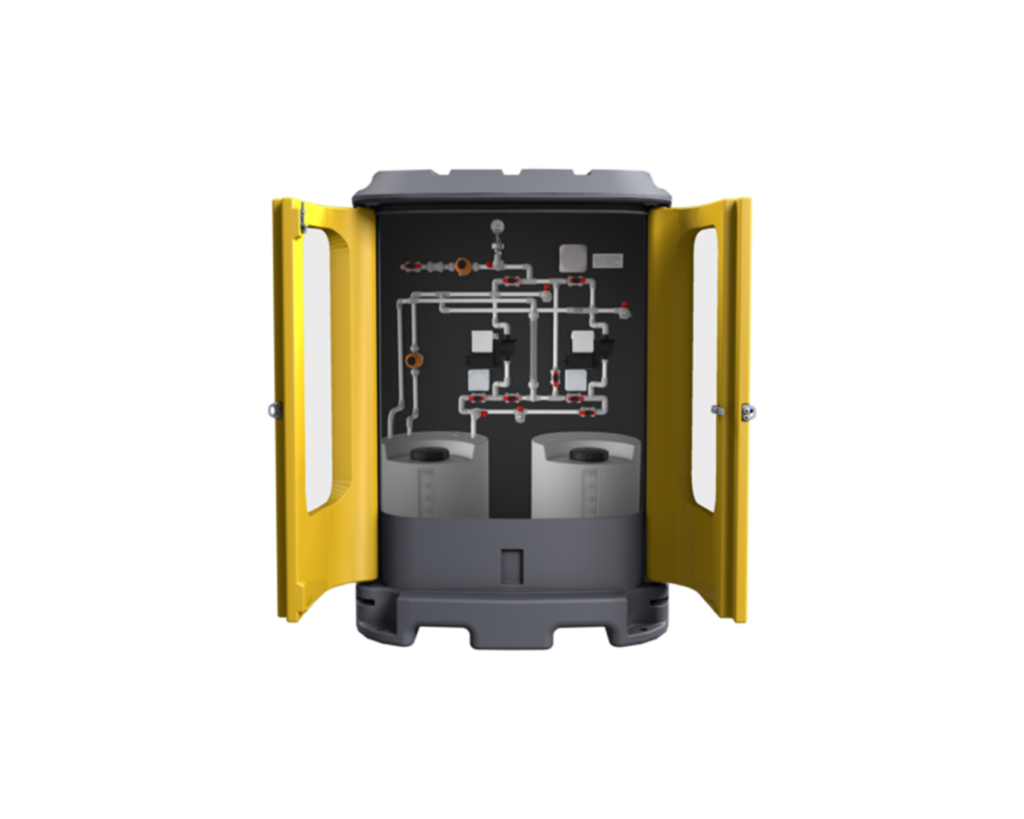
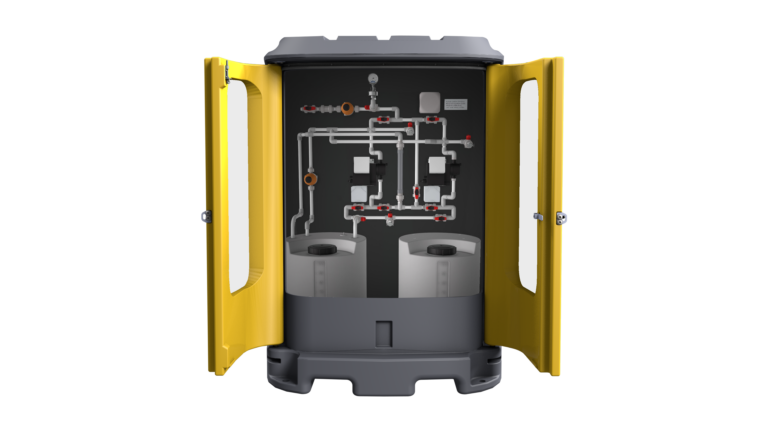
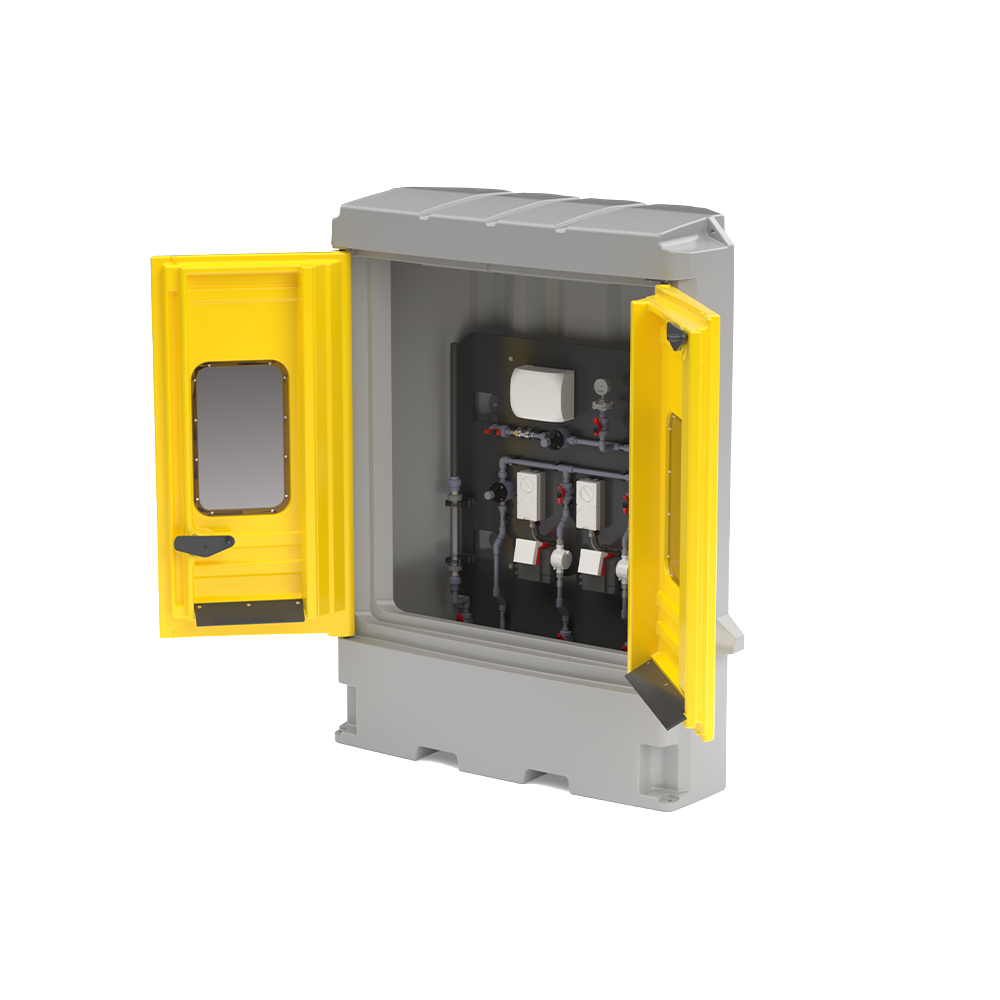
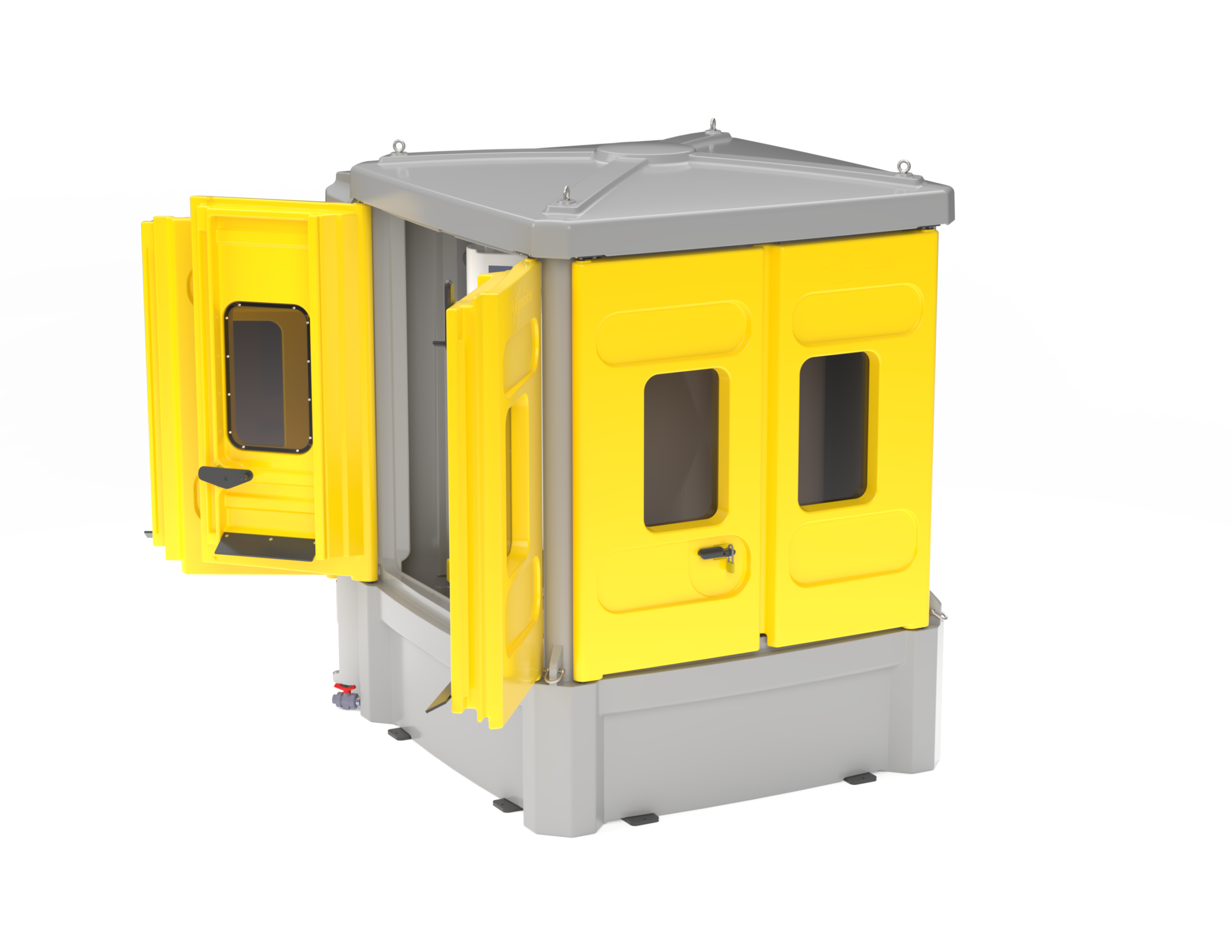
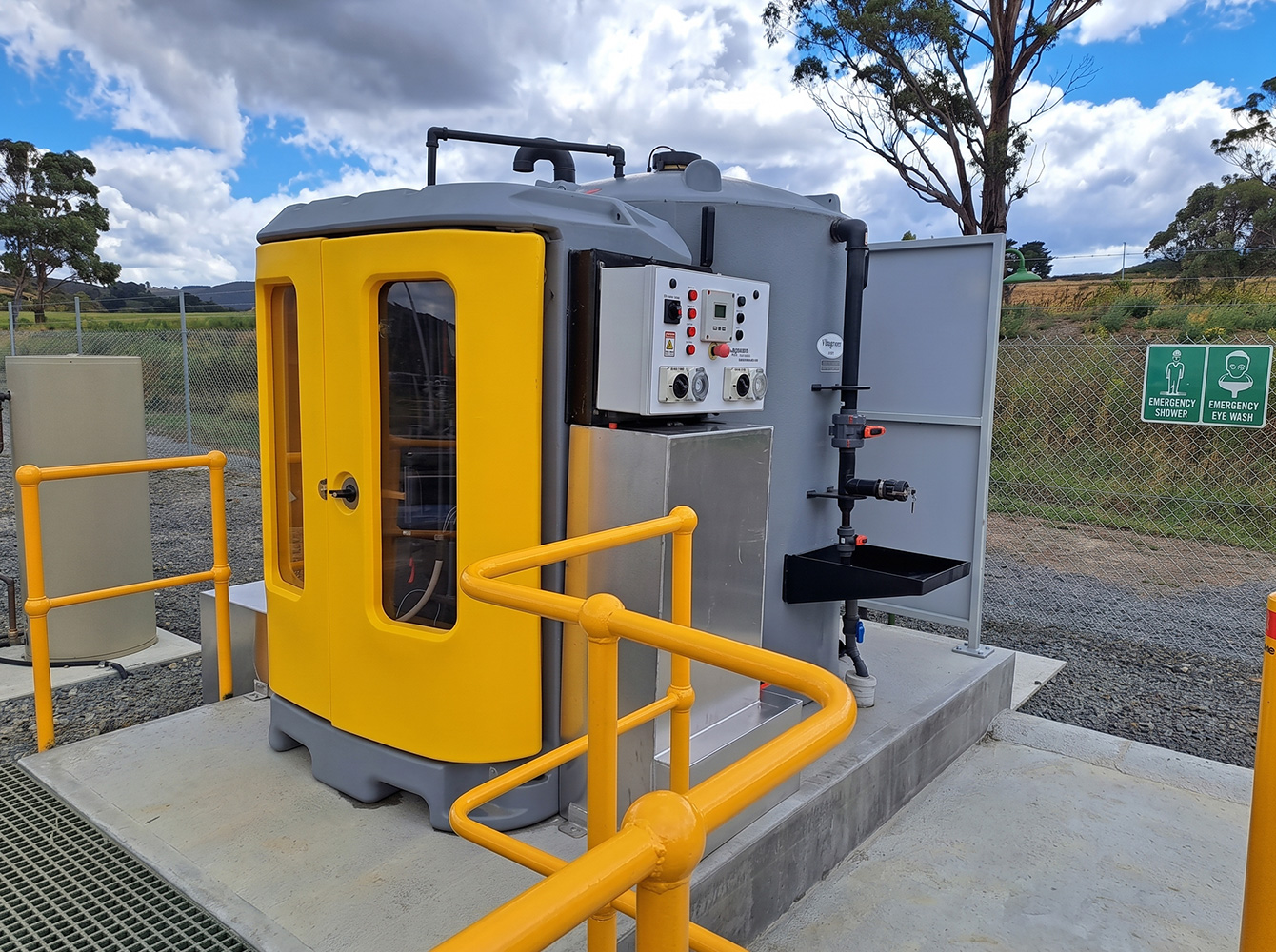
The Polymaster Dosing Skid is available in 110ltr and 220ltr day-tank sizes, each in a Duty or Duty/Standby configuration. All skids are 15mm U-PVC and are set up inside the Polymaster Double Door Dosing Cabinet.
| Code | Product | Pipe Size | Material | Pump Option | Pump Pressure | ||
|---|---|---|---|---|---|---|---|
![]() | DOSE-15MM | Dosing Pipework Kit (15mm) | 15 mm | U-PVC | DDA7.5-16 AR/FCM, DDA12-10 AR/FCM, DDA17-7 AR/FCM, DDA30-4 AR/FCM | 7.5LPH–16Bar, 2LPH–10Bar, 17LPH–7Bar, 30LPH–4 Bar | |
![]() | DOSE-20MM | Dosing Pipework Kit (20mm) | 20 mm | U-PVC | DDA60-10 AR/FCM, DDA120-7 AR/FCM, DDA200-AR/FCM200LPH–4Bar | 60LPH –10Bar, 120LPH –7Bar, 200LPH –4Bar | |
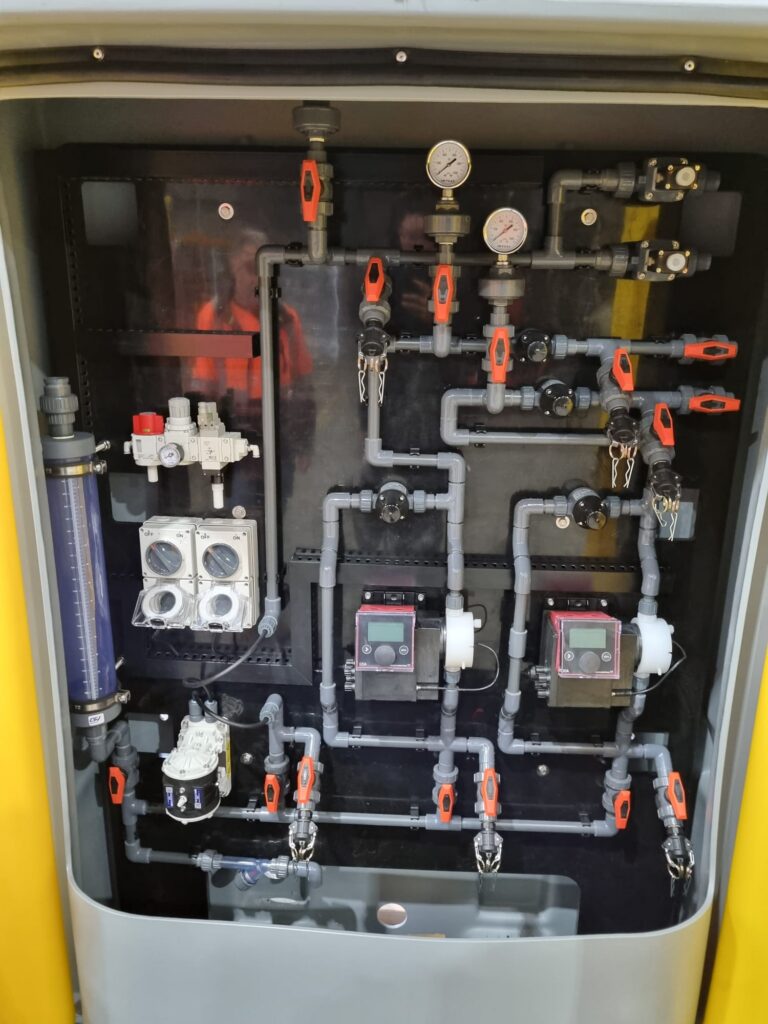
![]() | DOSE-DT-D-15MM-220LTR | 220L Dosing Skid | 15 mm | U-PVC | DDA7.5-16 AR/FCM, DDA12-10 AR/FCM, DDA17-7 AR/FCM, DDA30-4 AR/FCM | 7.5LPH–16Bar, 2LPH–10Bar, 17LPH–7Bar, 30LPH–4 Bar | |
![]() | DOSE-DT-DS-15MM-110LTR | 110L Dosing Skid | 15 mm | U-PVC | DDA7.5-16 AR/FCM, DDA12-10 AR/FCM, DDA17-7 AR/FCM, DDA30-4 AR/FCM | 7.5LPH–16Bar, 2LPH–10Bar, 17LPH–7Bar, 30LPH–4 Bar |
Dosing Pipework Kit (15mm)
DOSE-15MM
Dosing Pipework Kit (20mm)
DOSE-20MM
220L Dosing Skid
DOSE-DT-D-15MM-220LTR
110L Dosing Skid
DOSE-DT-DS-15MM-110LTR
Not sure which configuration suits your process? Call our team on 1800 062 064.
DOSING SKID APPLICATIONS
Where a Dosing Skid Fits
The Polymaster Dosing Skid is designed for small or remote treatment plants. Set up inside the Polymaster Double Door Cabinet, the unit is portable and versatile across a range of applications. It suits sites where chemical usage tends to be low, or where transporting bulk chemicals to site is difficult.
Pre-engineered skids are used across common dosing duties including:
- pH adjustment
- Disinfection
- Clean In Place (CIP)
- Coagulation
- General water treatment
Highest Quality and Standards
Every Polymaster dosing system is built and certified to give you complete confidence in a solution handling chemicals under pressure.
Quality Assurance
Polymaster is certified to ISO 9001, the international standard for quality management.
Product Certification
Certified to AS/NZS 4766:2020 for peace of mind.
Australian Made
Designed, engineered, and manufactured in Australia.
Food Grade Polyethylene
Food-grade polyethylene, certified to AS/NZS 4020, the Australian standard for products in contact with drinking water.
CHEMICAL COMPATIBILITY
Unmatched Chemical Compatibility
We understand chemicals, which is why we undertake a chemical compatibility test to ensure our specially formulated PE material will safely contain a wide range of chemicals, including sulfuric acid (98%), ferric chloride, nitric acid, alum, sodium metabisulfite, sodium hypochlorite, sodium hydroxide, hydrochloric acid, and magnesium hydroxide.
Why Choose a Polymaster Dosing Skid
Georg Fischer Pipework and Valves
Built with +GF+ (Georg Fischer) PVC-U pipework and Type 546 ball valves for reliable, chemical-resistant performance.
Grundfos DDA Pump Ready
Engineered specifically to suit the Grundfos DDA range of dosing pumps, in both AR and FCM control variants.
Pre-Engineered, Duty or Duty/Standby
A pre-engineered starting point available in Duty or Duty/Standby configuration, ready to build on with add-ons where required.
Safe On-Site Access
The piping layout gives operators free access to all components for adjustments, calibrations, and clear visual inspections in a safe, controlled manner.
PRE-ENGINEERED DOSING SYSTEM
How the Dosing Skid Works
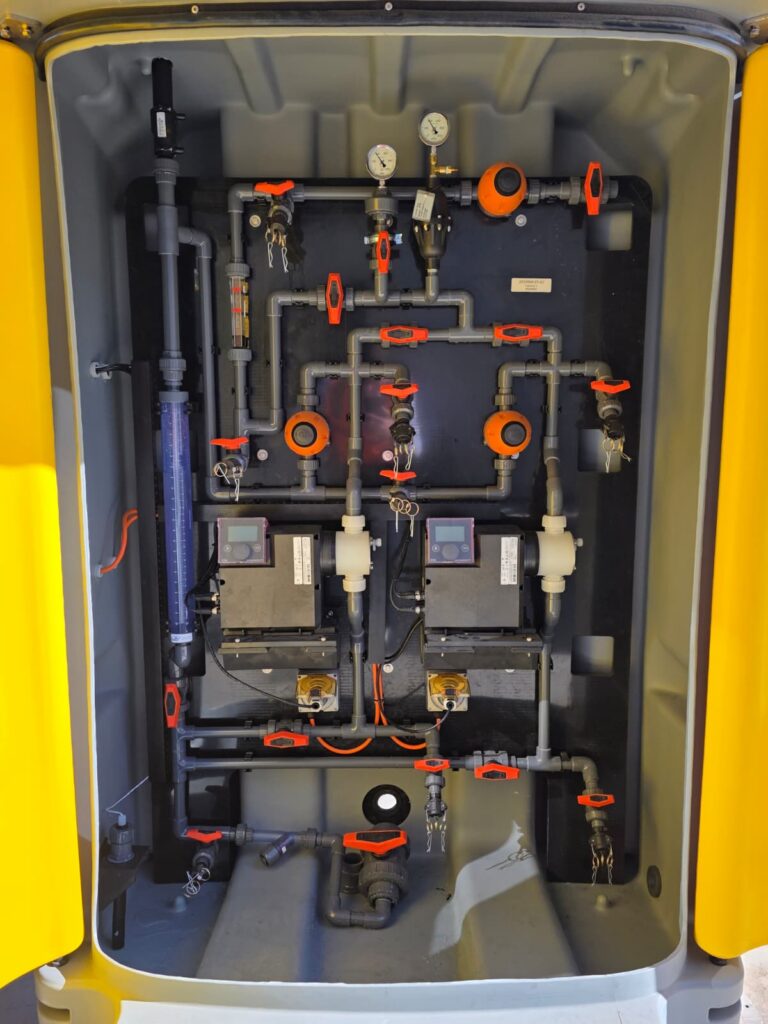
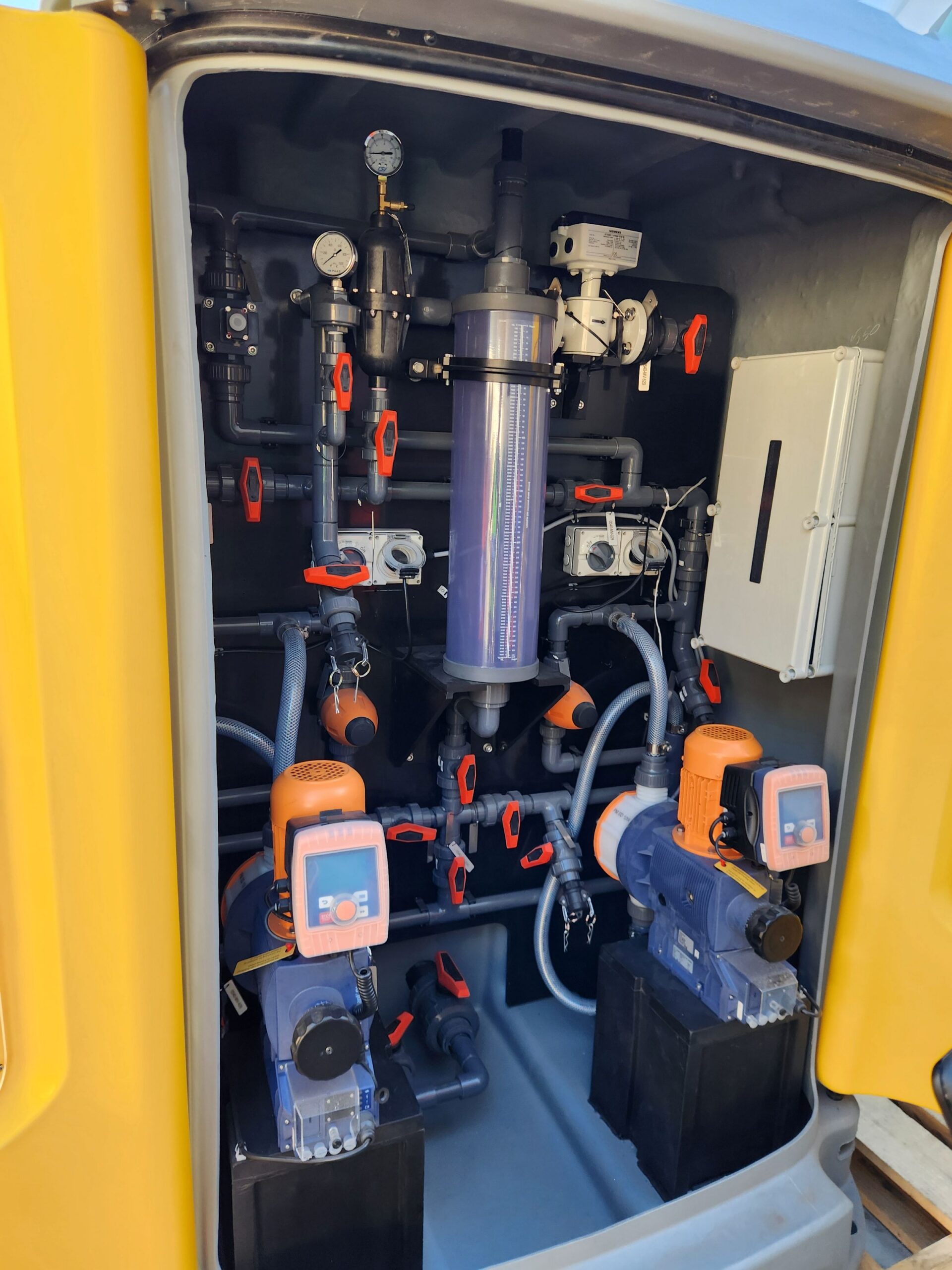
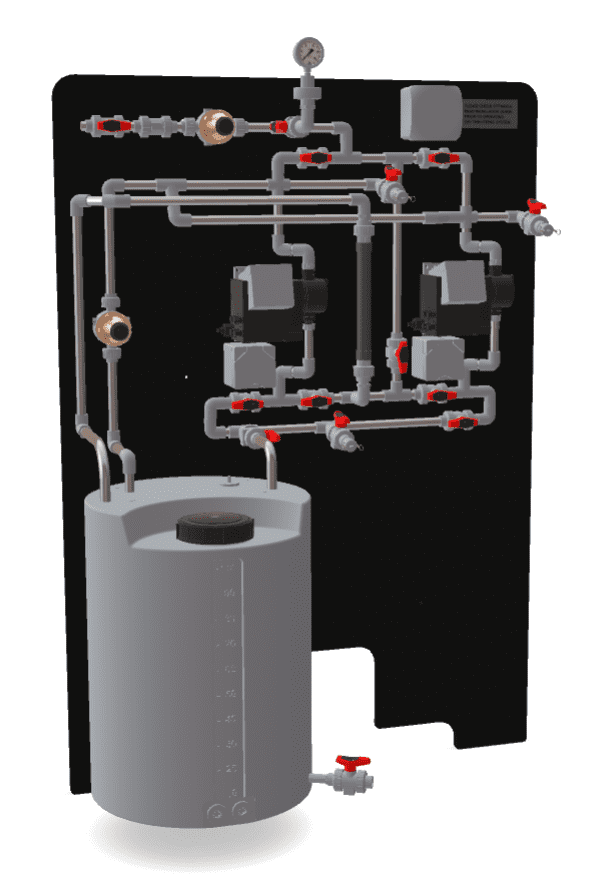
The primary function of the Polymaster standard dosing system is to provide a safe and efficient means of delivering a measured and controlled volume of fluid to a process. Every standard dosing system provides an operating environment suited to the pump and the functionality for operators to control and adjust the pump and associated equipment.
Standard System Features
- A means of calibrating the dosing pump (calibration cylinder, 0-500ml)
- A means of draining or flushing the system contents (drain valves)
- A pressure relief valve to provide an alternate path for fluid in the event of a downstream blockage
- A back pressure valve to provide the minimum backpressure the pump needs to operate correctly
- A pressure gauge to determine backpressure and pressure-relief setpoints (63mm stainless steel, 0-1000kPa)
- An outlet valve for convenient connection to the system
Duty and Duty/Standby Configurations
A Duty skid runs a single duty-cycle pump. A Duty/Standby skid adds a second standby-cycle pump with its own inlet and outlet isolator valves, so dosing can continue if the duty pump is taken offline.
Both configurations are fitted out inside the Polymaster Double Door Cabinet.
Add-On Options
These pre-engineered solutions satisfy most uses. For stricter requirements, the skid can be optioned with a carrier water system, flow meters, and/or pulsation dampeners.
For bespoke dosing including stainless pipework or multiple pump configurations, talk to us on 1800 062 064.
SETUP AND COMMISSIONING
Installation and Setup
Safety first: This product can expose operators to dangerous chemicals under high pressure. Appropriate PPE must be worn at all times when operating or maintaining this equipment, regardless of the chemical being handled. Consult the relevant SDS before handling. Installation, on-site handling, and electrical works are the responsibility of the purchaser and must be carried out by properly trained and approved personnel.
Initial Inspection
On arrival and during commissioning, check the system thoroughly to confirm it is free from damage and fit for use. Although all systems are pressure tested during manufacture, check that all fittings and connections are secure and have not loosened in transit before commissioning. If any damage is found, contact Polymaster.
Cabinet Installation
The dosing cabinet should be securely fixed to the foundation on which it is placed to ensure stability in operation. Position the cabinet to allow easy integration and connection with site pipework and processes without distorting new or existing equipment.
Initial Setup
Set the pump’s maximum pressure limit to a conservative value during commissioning to safeguard the system and operator. This is only possible with the FCM pump variant. For pumps without pressure monitoring, set the pressure relief and backpressure valves to the lowest possible value and adjust during commissioning.
Pump Calibration
Calibration can be checked or adjusted using the supplied calibration cylinder. Polymaster recommends calibrating for the chemical being dosed. For FCM control variants, calibration is not required for deviating or fluctuating backpressure provided the AutoFlowAdapt function is enabled.
Setting Back Pressure
The recommended minimum backpressure for a Grundfos DDA FCM pump is 2 bar. Use the supplied pressure gauge to adjust the backpressure valve accordingly.
Setting Pressure Relief
With the pressure relief valve fully backed off and the outlet valve almost or fully closed, adjust the pressure relief valve to open at the desired pressure. If the system becomes blocked or the relief valve does not function, the pump can generate pressure high enough to damage the system. A conservative maximum pressure should be preset on the DDA FCM pump during commissioning as a safeguard.
Junction Box Connection
If the system is supplied with a junction box, a qualified electrician is required to connect mains power. A wiring diagram is available on request.
Strainer Care
Position the Y-strainer with the basket facing up to minimise fluid loss when the basket is removed. To clean, pause the pump, isolate the strainer via the upstream and downstream valves, place a container to catch spilled liquid, then remove, clean, and reinstall the basket.
Recommended Maintenance Intervals
This schedule is a guide only. End users should develop and maintain their own maintenance and servicing schedules. Appropriate PPE must be worn during maintenance or repairs.
General system inspection (visual) | Daily |
Pump diaphragm replacement | 12-24 months |
Pressure relief valve function check | Every 6 months |
Ball valve function check | Monthly |
Y-strainer clean-out (visual inspection) | Monthly |
“Our Polymaster chemical dosing skid has made the whole setup much easier to manage. It arrived well put together, was straightforward to install and has been running reliably ever since.”
“We’ve been really happy with the Polymaster dosing skid. It’s a neat, practical setup that saves time on installation and makes day-to-day operation much simpler.”
Talk to a Chemical Dosing Specialist
Speak to our team about matching the right dosing skid configuration to your process, whether it is a Duty or Duty/Standby setup, or a bespoke solution with stainless pipework or multiple pumps.
RELATED DOSING SOLUTIONS
Related Dosing Solutions
FAQs
Dosing Skid FAQs
What is the difference between a Duty and a Duty/Standby dosing skid?
A Duty skid runs a single duty-cycle dosing pump. A Duty/Standby skid adds a second standby pump with its own inlet and outlet isolator valves, so dosing can continue if the duty pump is taken offline for service.
Which dosing pumps do the skids use?
The skids are engineered to suit the Grundfos DDA range in both AR and FCM control variants, covering DDA7.5-16, DDA12-10, DDA17-7, and DDA30-4. Pumps are supplied loose.
What pipework and valves are fitted?
Standard skids use Georg Fischer (+GF+) PVC-U pipework and Georg Fischer Type 546 ball valves, with EPDM or VITON seals.
What is included as standard, and what is optional?
Included as standard: Y-strainer, pressure relief valve, back pressure valve, check valve, 63mm stainless steel pressure gauge (0-1000kPa) with PVC/PTFE guard, 0-500ml calibration cylinder, drain valves, pipe pressure test, and construction drawings. Optional extras include pulsation dampeners, flow meters, carrier water systems, valve tags, GPO and signal cable kits, cabinet drain, and pipework painting.
Does the pump need calibrating?
Calibration can be checked or adjusted using the supplied calibration cylinder, and Polymaster recommends calibrating for the chemical being dosed. For FCM variants with AutoFlowAdapt enabled, recalibration is not required for deviating or fluctuating backpressure.
How often should the skid be maintained?
As a guide: a daily visual inspection, monthly ball valve and Y-strainer checks, a pressure relief valve check every 6 months, and pump diaphragm replacement at 12-24 months. End users should maintain their own servicing schedule.