


Home Chemical & Industrial Chemical Storage Tanks Application Industrial Acid Storage
Industrial Acid Storage Solutions
Safe, compliant acid storage is one of the most critical requirements in industrial chemical management. Acids are highly corrosive, often fuming, and classified as Class 8 Dangerous Goods under Australian dangerous goods legislation.
Bulk acid storage at industrial plants, water treatment facilities and mining operations calls for purpose-built containment that meets AS 3780:2023 and is matched to the specific properties of the acid being stored. Concentration, specific gravity and fuming behaviour all change what the tank has to do.
What is Industrial Acid Storage?
Industrial acid storage refers to the bulk containment of corrosive acidic chemicals used in manufacturing, processing and treatment operations, including sulphuric acid, hydrochloric acid, nitric acid, citric acid and phosphoric acid.
These chemicals are classified as Class 8 Corrosive Substances under the Australian Dangerous Goods Code, and their storage is governed by AS 3780:2023, The Storage and Handling of Corrosive Substances, which sets out requirements for tank materials, secondary containment, ventilation, segregation and labelling.
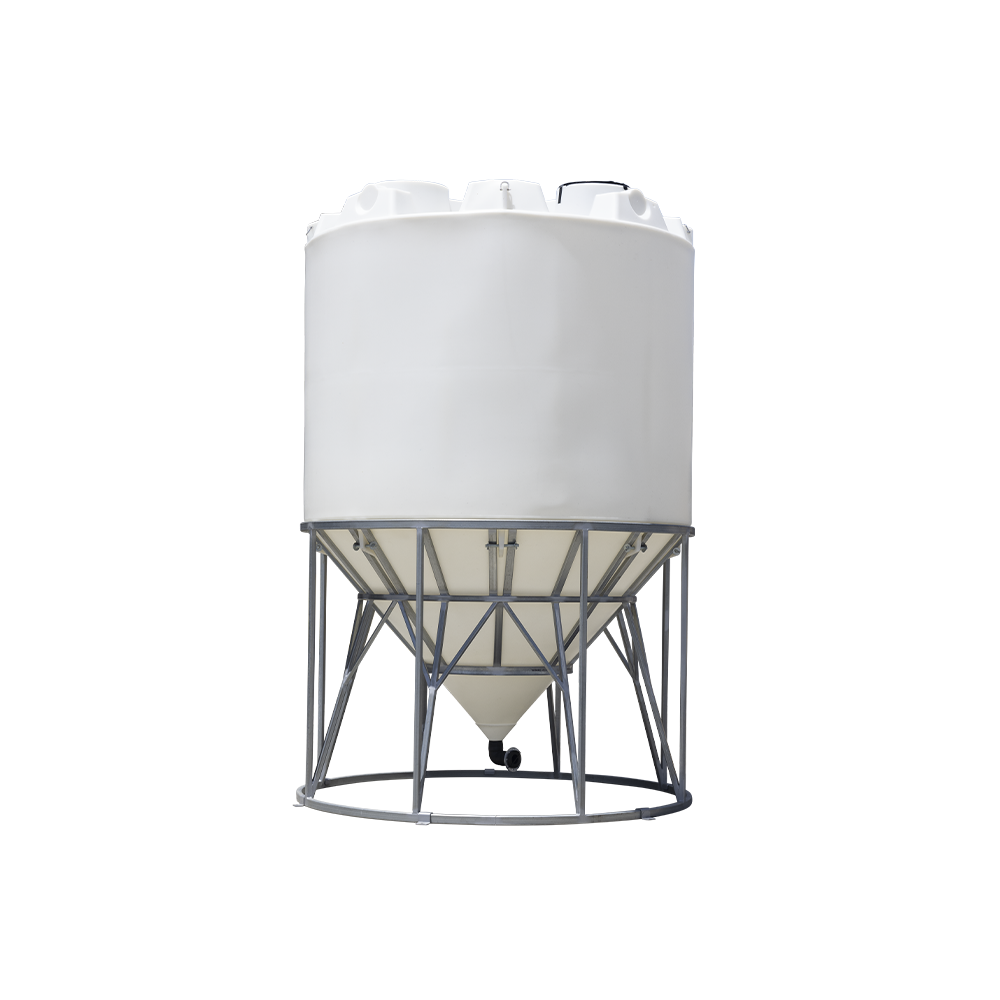
Bulk poly tanks manufactured from chemical grade polyethylene are the most widely used storage solution for industrial acids in Australia, offering proven chemical compatibility, light weight, corrosion resistance and a long service life compared with steel and fibreglass alternatives.
- Acids must be stored in tanks manufactured from materials chemically compatible with the specific acid and its concentration.
- Secondary containment is required under AS 3780:2023 to prevent spills reaching the environment or personnel.
- Many acids produce fuming vapours that require controlled venting and sealed storage conditions.
- Acids must be stored separately from incompatible substances including alkalis, oxidisers and organic materials.
Industries That Require Bulk Acid Storage
Water and Wastewater Treatment
Sulphuric acid and hydrochloric acid are used for pH correction, scale control and dosing system support at water treatment plants across Australia.
Mining and Resources
Hydrochloric acid and sulphuric acid are used in mineral processing, ore leaching, equipment cleaning and site water management, where safe bulk storage is a compliance requirement.
Food and Beverage Processing
Nitric acid and phosphoric acid remove mineral scale from processing equipment and pipelines in clean-in-place systems across food, dairy and beverage manufacturing.
Agriculture and Fertiliser Production
Sulphuric acid and nitric acid are key inputs in fertiliser manufacturing and blending, stored in bulk at production and agricultural chemical facilities.
Industrial Manufacturing and Chemical Processing
Acids are used across chemical manufacturing, metal refining, battery production and industrial cleaning, each requiring storage engineered to the concentration and operating conditions.
Municipal Infrastructure
Acids are used for pH adjustment in municipal water supply and wastewater treatment, where safe bulk storage is a regulatory requirement.
AS 3780:2023 Compliance for Bulk Acid Storage
Compatible Tank Material
AS 3780:2023 requires acids to be stored in containers manufactured from materials chemically compatible with the substance.
For bulk liquid acids, chemical grade polyethylene is the most widely used compatible material in Australian industry.
Standard poly rainwater tanks must never be used, since they are not manufactured to the required chemical grade.
Secondary Containment
AS 3780:2023 requires secondary containment for outdoor acid storage, capable of holding the full volume of the largest container in the system.
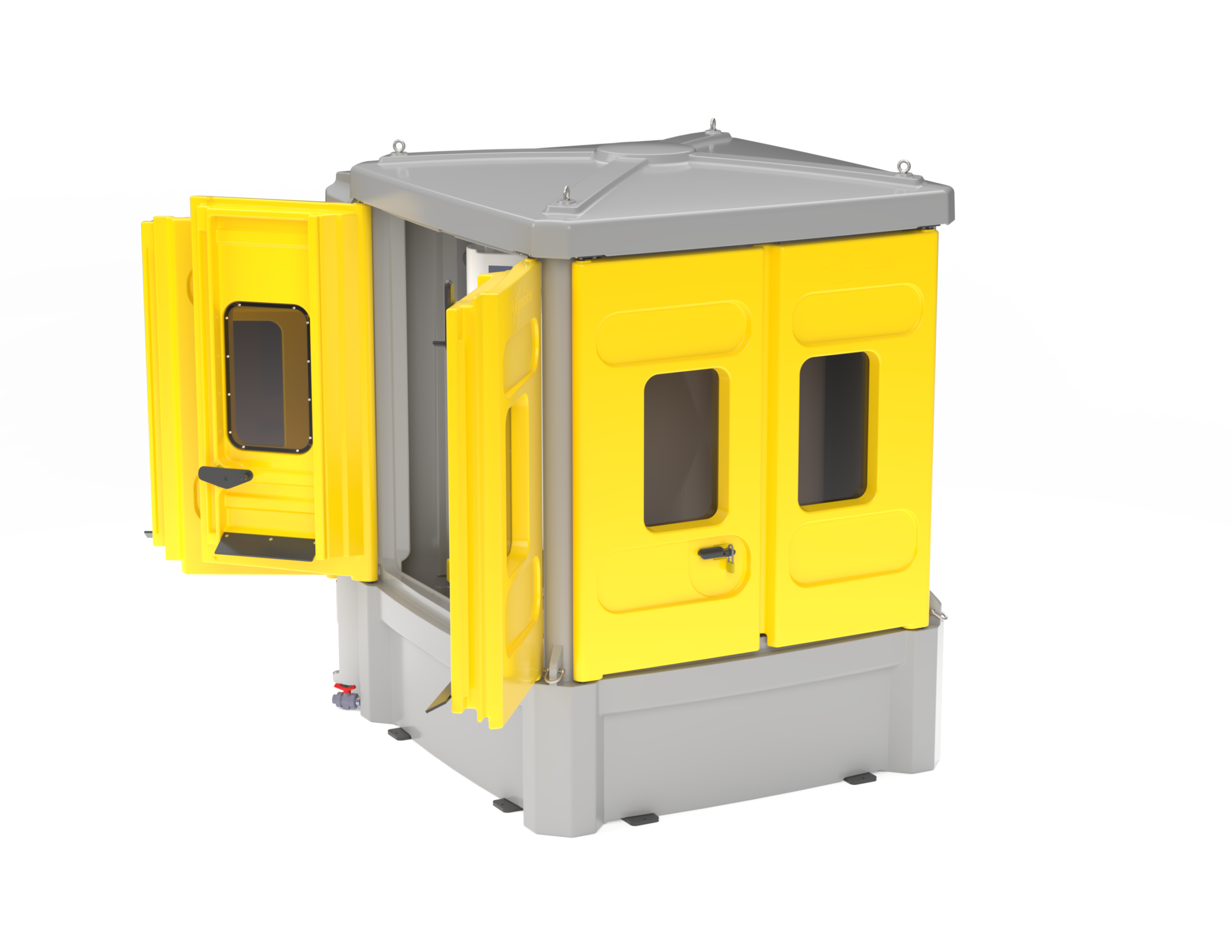
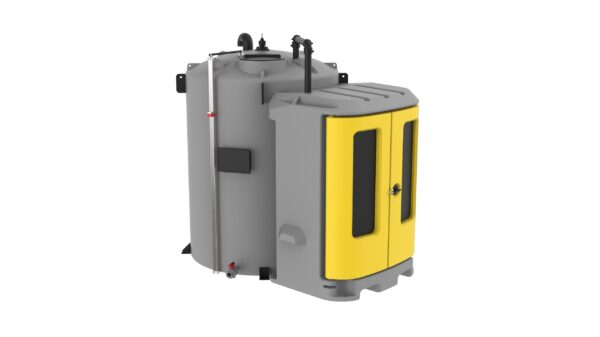
Integrated self-bunded designs deliver that containment without a separate bund structure being built on site, cutting installation cost and footprint substantially.
Ventilation and Fume Control
Many acids produce fuming vapours that must be managed to protect operators and meet AS 3780:2023.
Tanks require appropriate venting to prevent pressure build-up and fume accumulation.
Fuming acids including hydrochloric acid need sealed storage with scrubbed or vented exhaust.
Segregation and Labelling
AS 3780:2023 requires acids to be stored away from incompatible substances including alkalis, oxidisers and flammable materials.
Every container must be clearly labelled with its contents, hazard class and relevant safety information.
Polymaster Solutions for Industrial Acid Storage
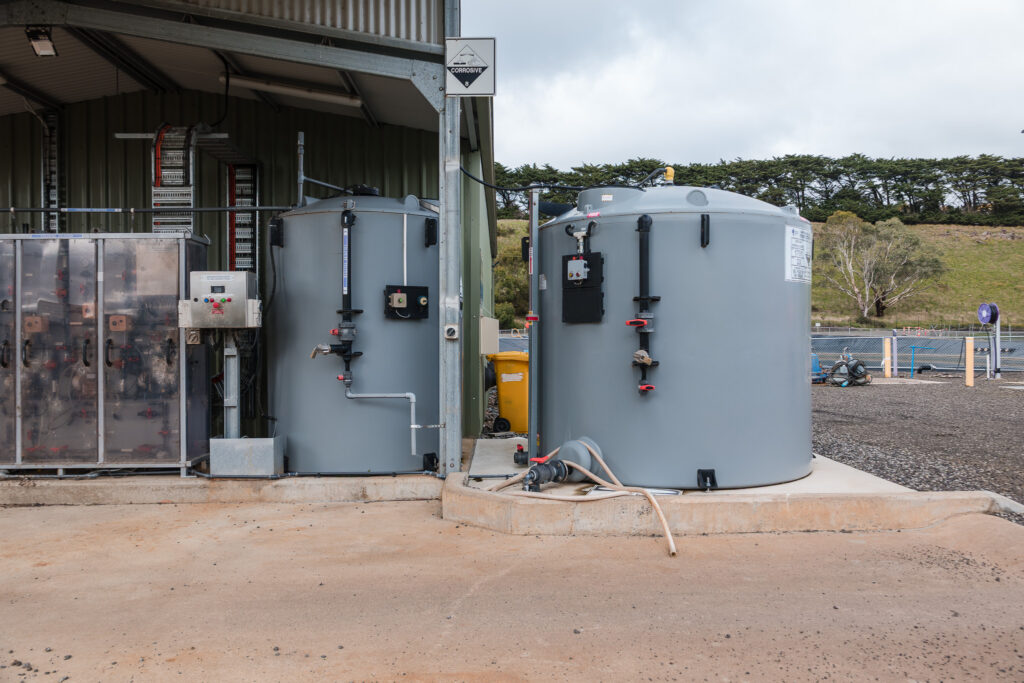
Sulphuric Acid Storage
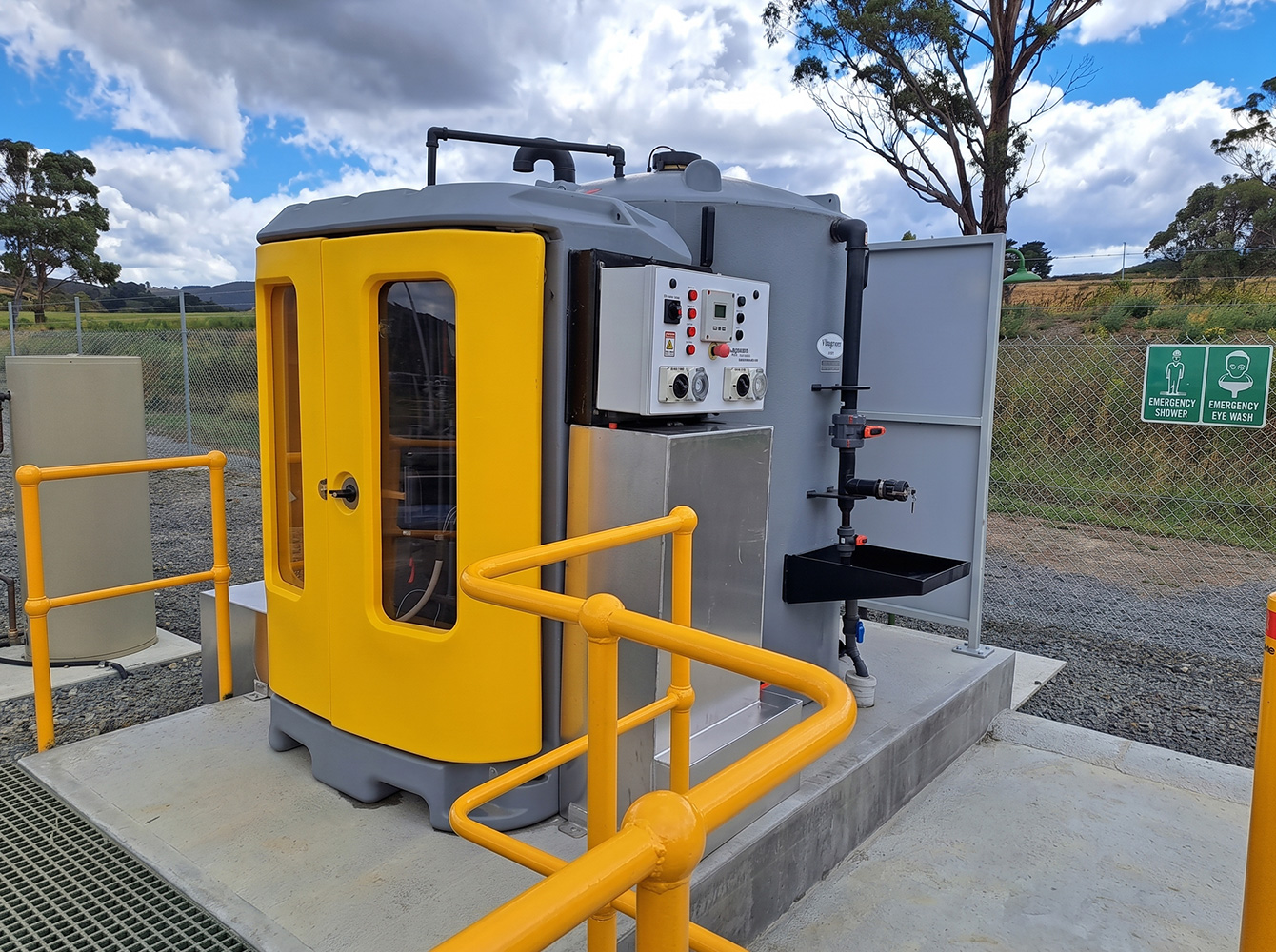
Purpose-built self-bunded poly tanks for sulphuric acid, engineered up to 2SG to suit the high specific gravity and corrosive nature of this acid.
View Product
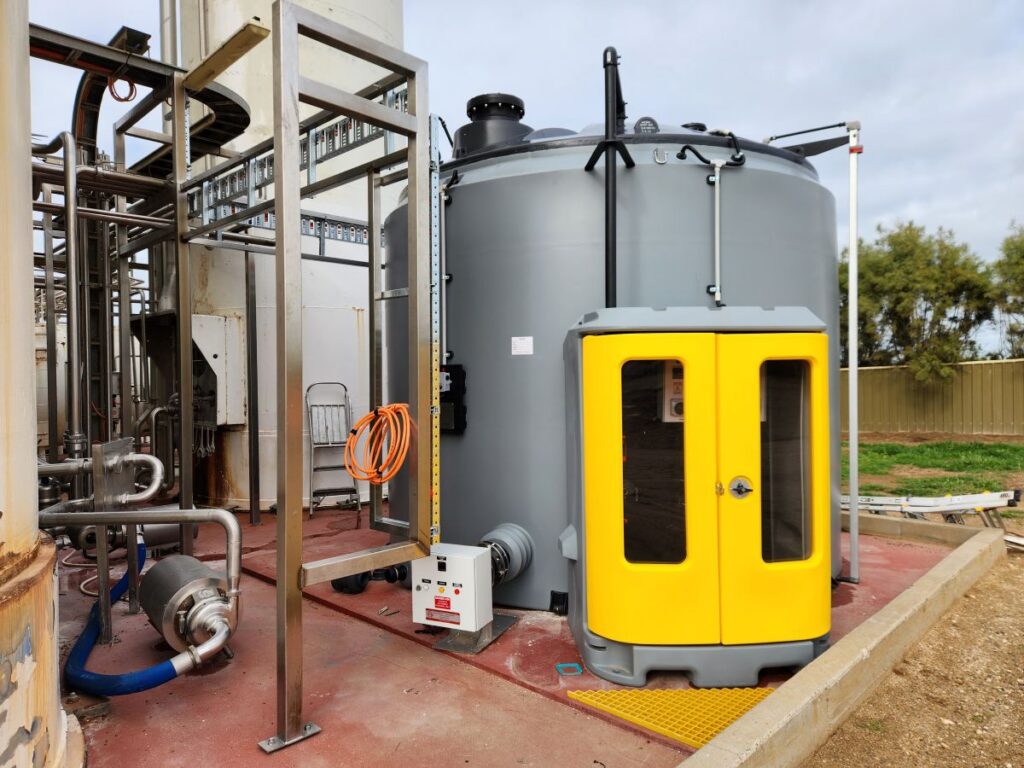
Hydrochloric Acid Storage
Self-bunded poly tanks for hydrochloric acid, with sealed containment and venting configured for fuming acid applications.
View Product
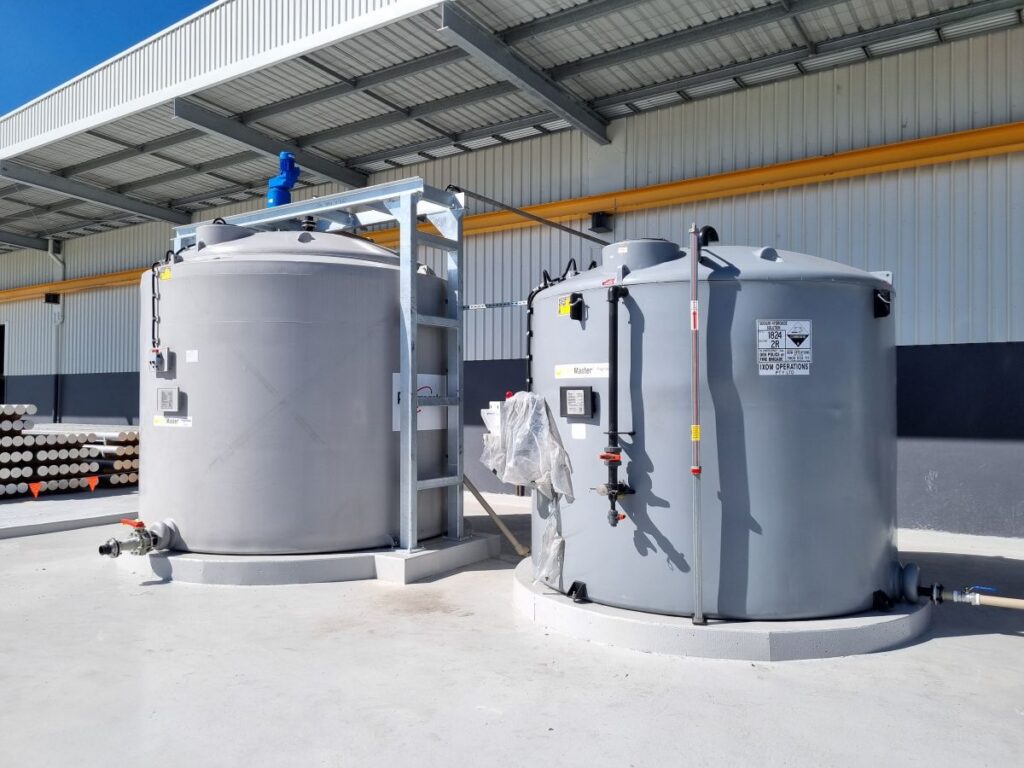
Nitric Acid Storage
Chemical grade poly tanks for nitric acid used in fertiliser production, clean-in-place systems and metal refining.
View Product
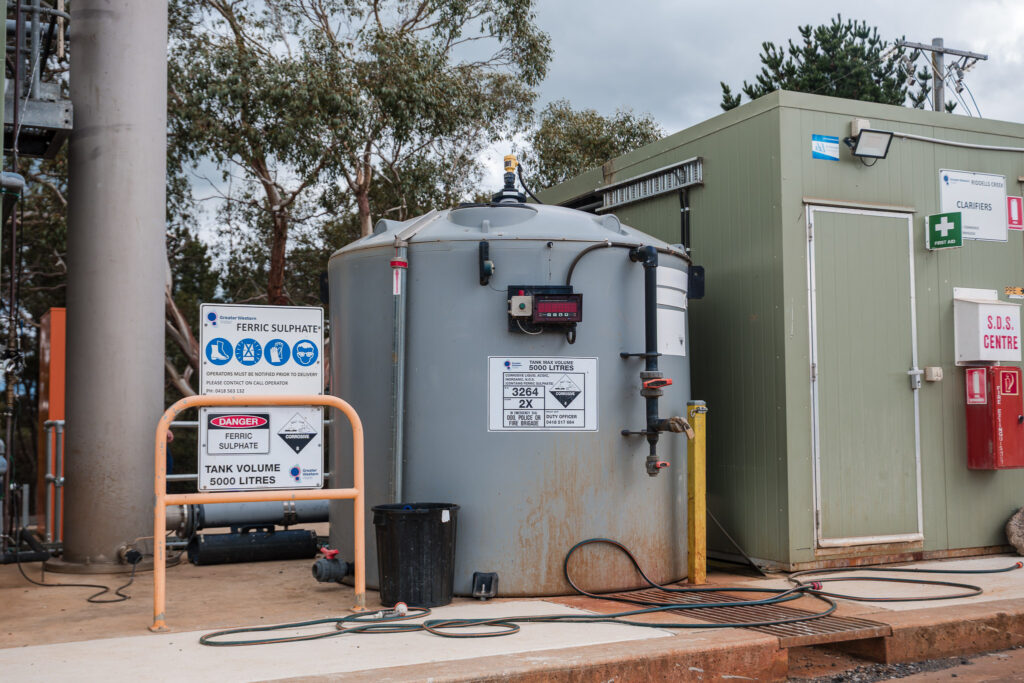
Self-Bunded Chemical Tanks
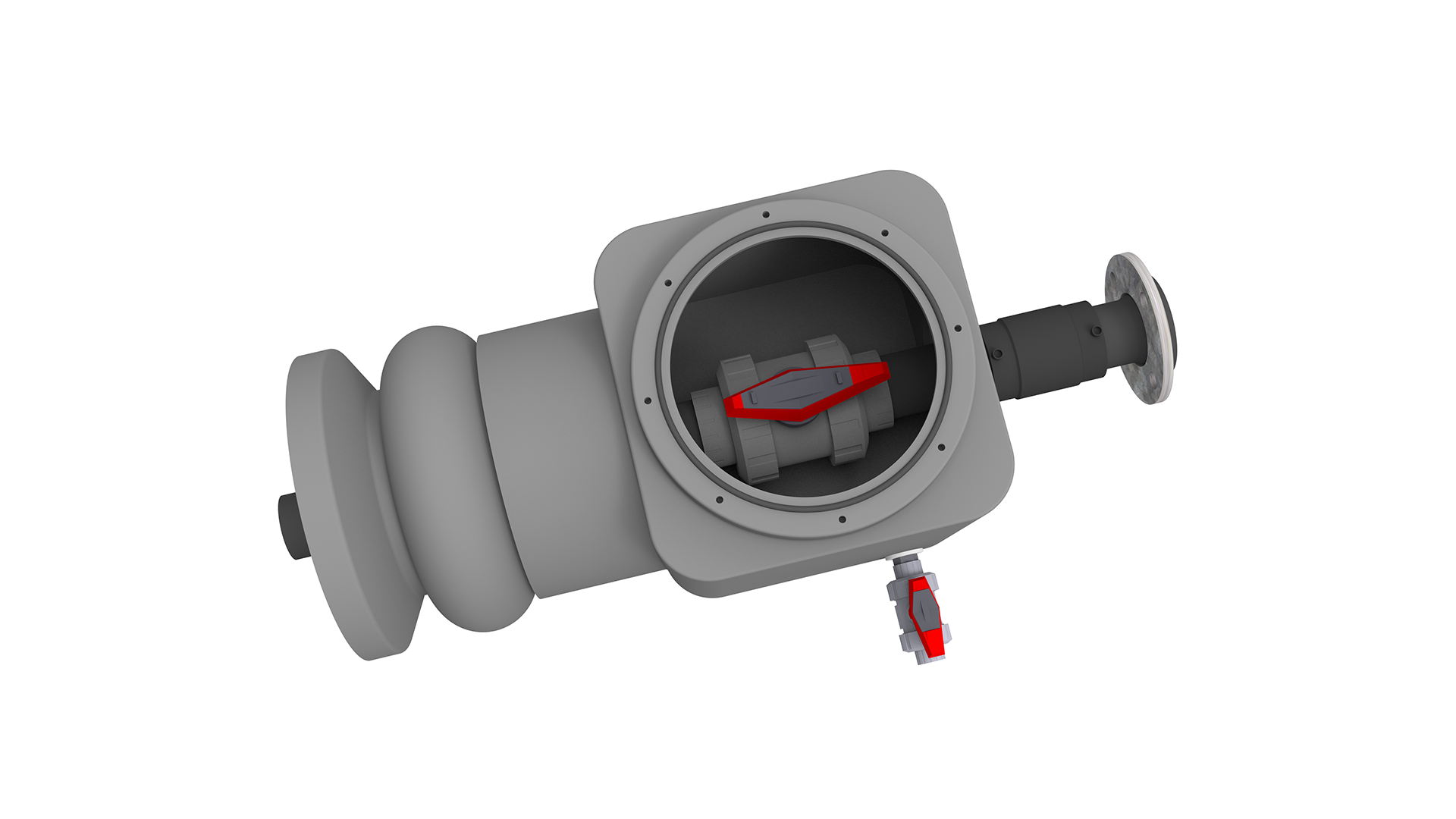
Integrated 110% secondary containment for bulk acid storage from 110L to 30,000L. No separate bund structure required.
View Product
How Polymaster Supports Industrial Acid Storage
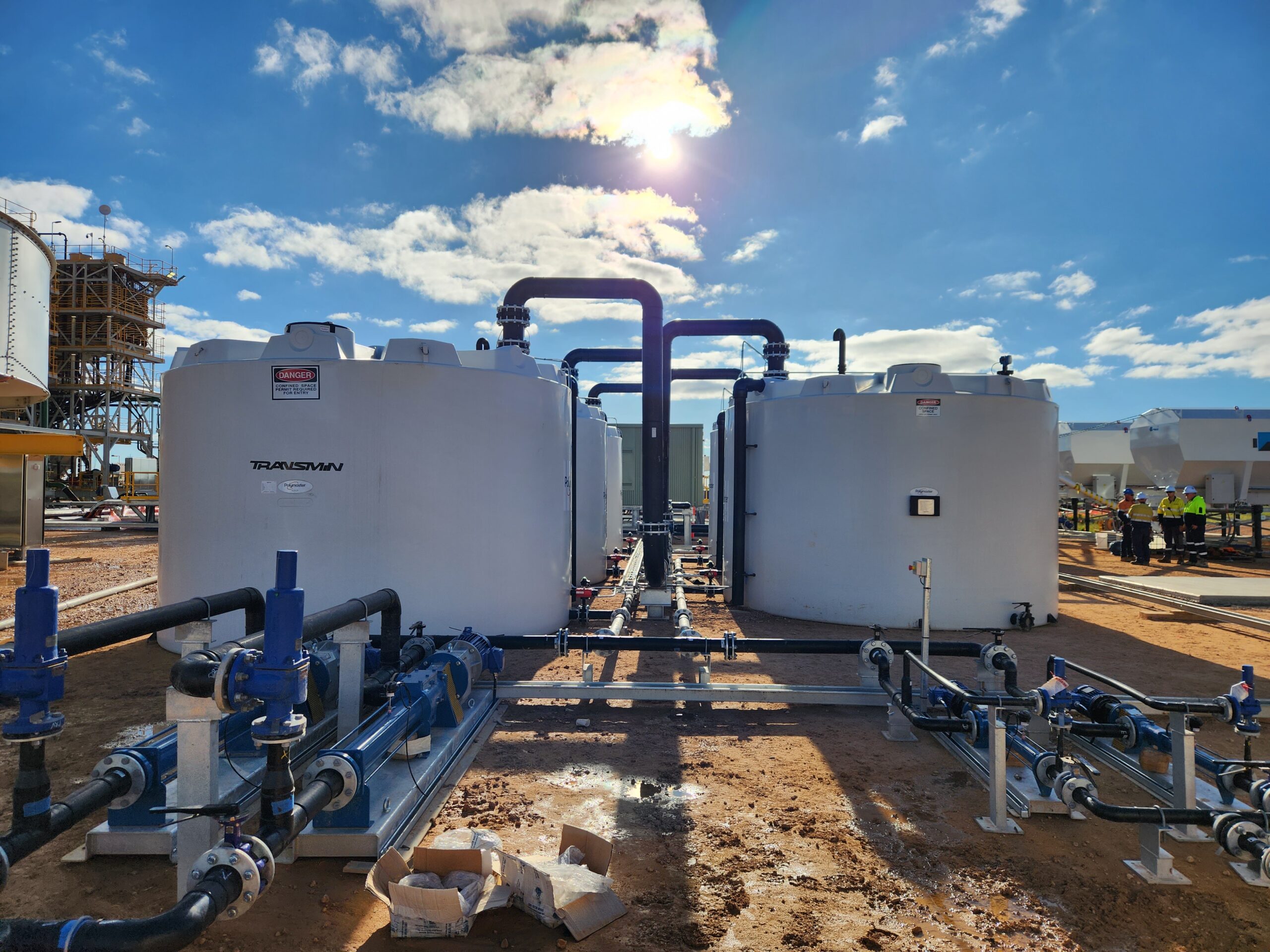
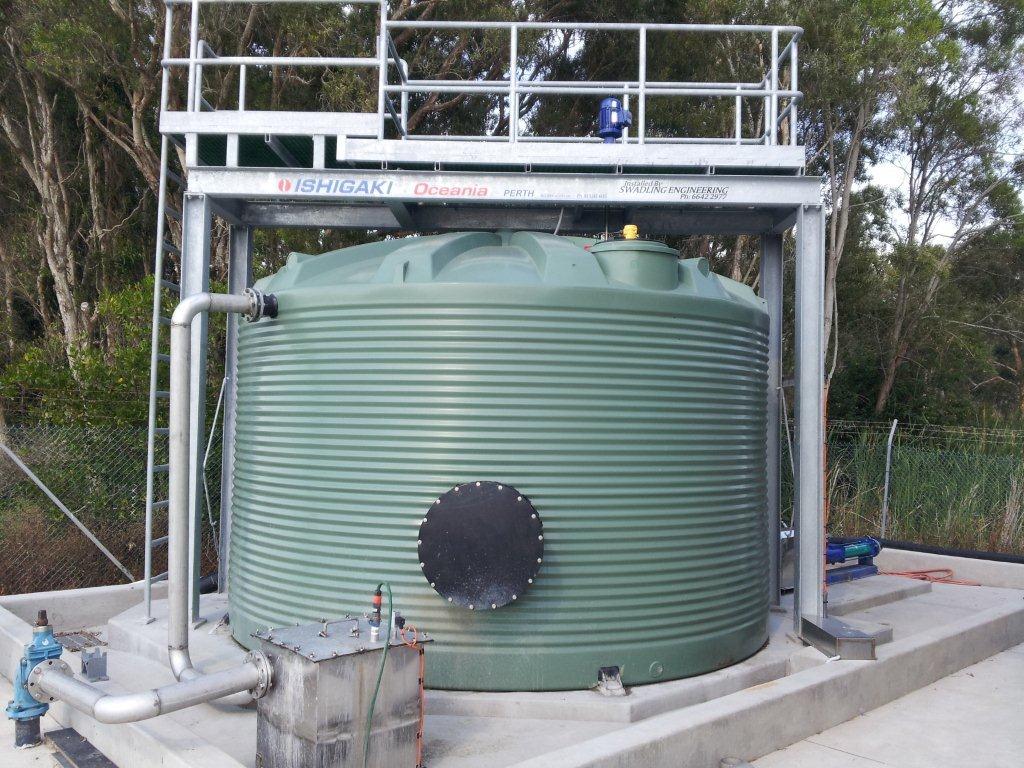
Polymaster manufactures purpose-built poly containment for industrial acid storage across water treatment, mining, food and beverage and agricultural applications throughout Australia. Tanks can hold more than 1,965 chemicals, including sulphuric acid, hydrochloric acid and nitric acid, with specially formulated PE material options available for the most aggressive duties.
Our engineers match each tank to the specific gravity, concentration and operating conditions of the acid being stored, with construction engineered up to 2SG for heavy liquids and more than five PE grades to choose from. Every tank is hydrostatically tested and covered by a full QA process before it leaves the factory.
GA drawings, step files, datasheets and the Chemical Compatibility Chart are all available to download.
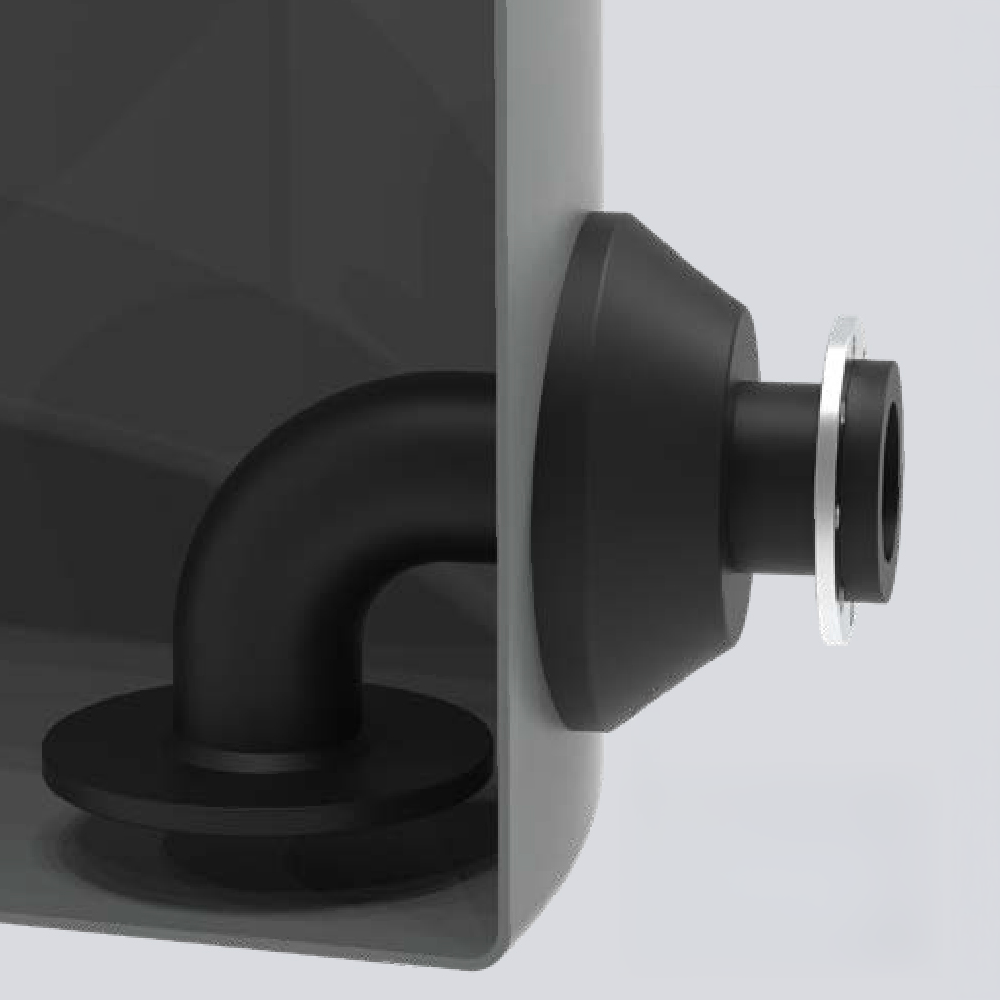
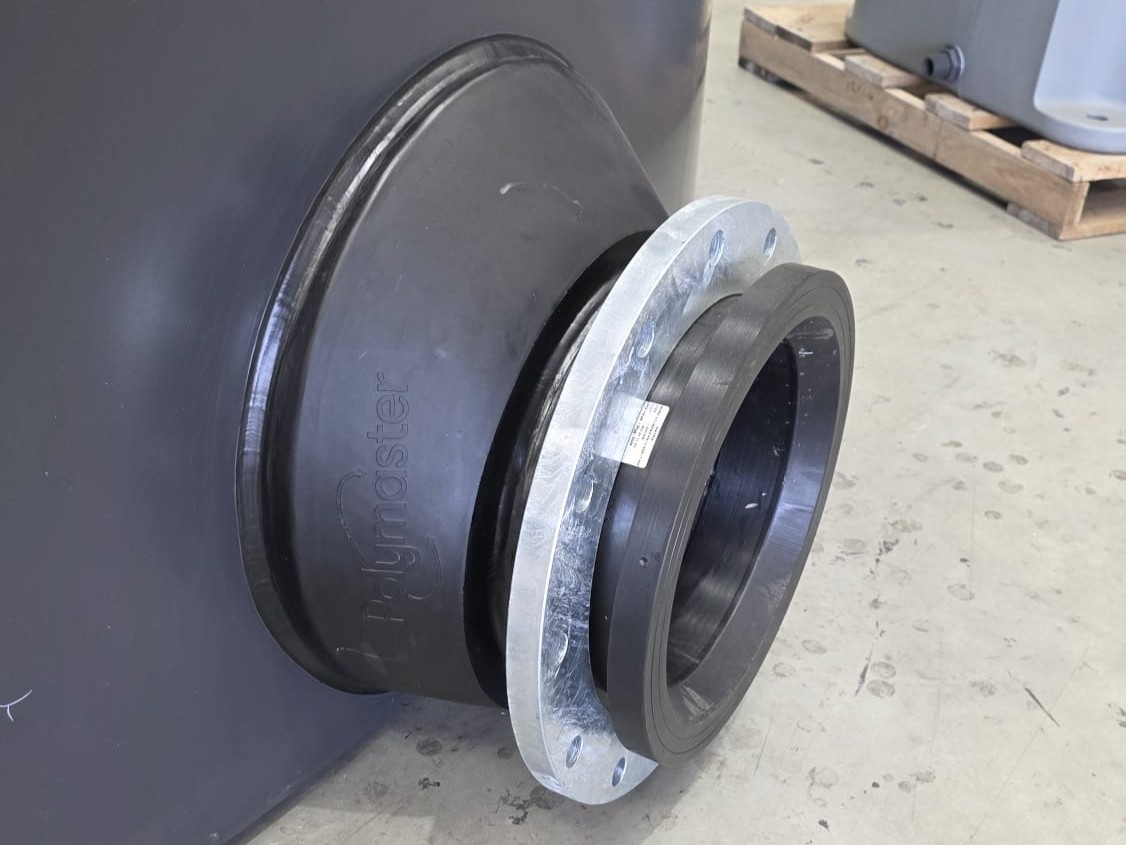
Polymaster poly tanks are chemically compatible with the most common odour control chemicals, including magnesium hydroxide, iron salts and calcium nitrate. Every product is Australian made, independently certified, and backed by more than 30 years of experience in chemical storage and liquid management.

Providing Australian Industries with Chemical Storage Solutions for Over 30 Years
Polymaster chemical storage tanks are Australian made, independently certified to AS/NZS 4766:2020 and AS/NZS 4020, and trusted by water utilities, industrial operators and civil contractors across Australia.
Need a Compliant Acid Storage Solution?
Our team can help you specify a compliant acid storage solution for your application, chemical and site. Tell us the acid, the concentration and the volume, and we will work through the rest with you.


FAQs
Frequently Asked Questions about Industrial Acid Storage
What is AS 3780:2023 and how does it apply to industrial acid storage?
AS 3780:2023 is the Australian standard for the storage and handling of corrosive substances. It sets requirements for tank materials, secondary containment, ventilation, segregation and labelling. Because acids are Class 8 Corrosive Substances under the Australian Dangerous Goods Code, bulk acid storage falls under it.
What secondary containment is required for bulk acid storage in Australia?
AS 3780:2023 requires containment capable of holding the full volume of the largest container in the system. Polymaster self-bunded tanks provide 110% bund capacity built into the unit, so the containment arrives with the tank rather than being constructed separately on site.
What tank material is compatible with sulphuric acid?
Chemical grade polyethylene is widely used for sulphuric acid storage in Australian industry. Because sulphuric acid is dense, the tank also needs to be engineered for the specific gravity, not just the chemistry. Polymaster tanks are engineered up to 2SG for heavy liquids, with specially formulated PE material options available for aggressive duties including sulphuric acid.
Can I store hydrochloric acid in a standard poly tank?
Not a standard rainwater tank. Rainwater tanks are made from potable water grade polyethylene and are not manufactured to the chemical grade that a corrosive acid requires. Hydrochloric acid also fumes, so the installation needs sealed storage with appropriate venting and secondary containment.
What venting is required for fuming acid storage?
Venting has to prevent pressure building inside the tank while managing the vapour that fuming acids release. Hydrochloric acid in particular requires sealed storage with scrubbed or vented exhaust. The right configuration depends on the acid, the concentration and whether the tank is indoors or out.
What chemicals must not be stored with acids?
Alkalis, oxidisers, flammable materials and organic materials. Acids and alkalis react violently, and some acid and oxidiser combinations produce toxic gas. AS 3780:2023 requires segregated storage, with each container clearly labelled with its contents and hazard class.
What is the difference between a self-bunded tank and a standard tank for acid storage?
A standard tank holds the chemical and nothing else, so the site has to build a separate bund around it. A self-bunded tank is a tank within a tank, with the bund built in and rated to 110% of the inner capacity. It arrives tested and fitted out, removes the need for a concrete bund, takes up less ground, and can be relocated if the installation moves.
What is specific gravity and why does it matter for acid storage?
Specific gravity is the density of a liquid relative to water. Water is 1.0, and many acids are considerably heavier. A tank rated for water will be under-engineered for a dense acid, because the wall has to carry more load for the same volume. Polymaster tanks are engineered up to 2SG, and the rating is matched to the chemical before the tank is specified.
How do I choose the right poly tank for my acid storage application?
Start with the acid and its concentration, then the specific gravity, then the volume and turnover. From there, work out whether containment is integrated or separate, what venting the chemical requires, and what fittings, level monitoring and access the installation needs. Our engineers work through all of it and confirm compatibility against the Chemical Compatibility Chart before anything is specified.
Does Polymaster supply tanks for 98% sulphuric acid storage?
Yes. Polymaster supplied self-bunded tanks and a dosing system for 98% sulphuric acid at a Queensland alumina refinery, replacing the site’s existing storage arrangement. Concentrated sulphuric acid is a demanding duty, so the material grade and specific gravity rating are matched to the application in every case.