


Home Chemical & Industrial Chemical Storage Tanks Application CIP Process
Chemical Storage for Clean in Place Systems
Clean in place systems only work if the caustic and acid cleaning chemicals behind them are stored safely and reliably. The cleaning cycle is only as dependable as the chemical supply feeding it.
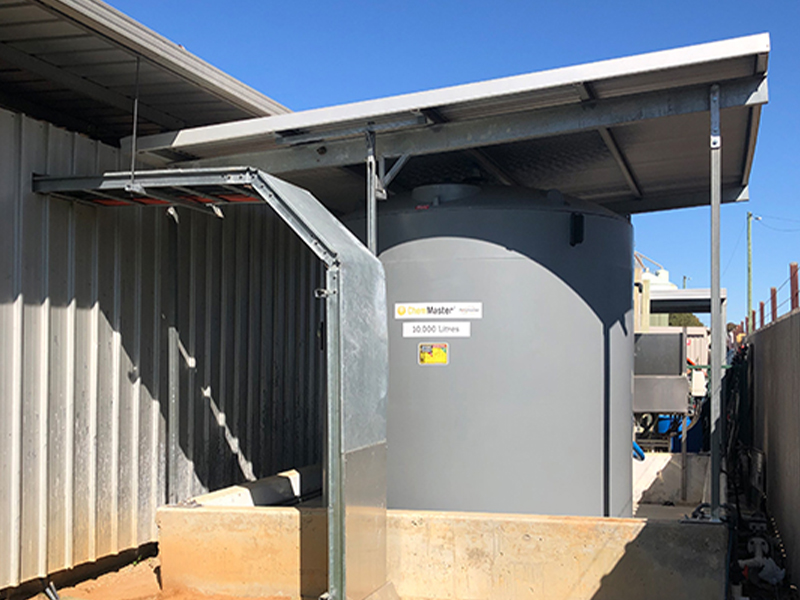
Polymaster supplies the chemical storage tanks and self-bunded containment systems used in CIP installations across food and beverage, dairy, pharmaceutical and brewing facilities. Australian-made, certified, and formulated to hold the chemicals these systems run on.
What is Clean in Place?
CIP stands for clean in place, a method of cleaning the interior surfaces of equipment, tanks and pipelines without taking any of it apart. Specialised cleaning chemicals are circulated through the closed pipework and equipment under controlled flow, temperature and contact time. Doing it this way removes the need for manual cleaning, cuts the downtime that disassembly and reassembly demand, and keeps operators away from the chemicals. A typical cycle runs through four stages.
- Pre-rinse. Removes loose dirt and debris before any chemical is introduced, so the wash stage is not working through gross soiling.
- Detergent wash. Removes the remaining soils. This is where the caustic does its work on fats, proteins and organic residue.
- Acid rinse. Removes mineral deposits and the scale that builds up from repeated caustic washes.
- Final rinse. Clears residual chemical from the system before production restarts.
Industries That Use Clean in Place Systems
Food and Beverage
CIP systems clean the equipment and pipelines that contact food products, maintaining hygiene and product safety between runs.
Dairy
CIP systems clean the equipment used to produce milk, cheese and other dairy products, where cleaning frequency is among the highest of any industry.
Pharmaceutical and Biotechnology
CIP systems clean the manufacturing equipment and piping used in drug and biologics production, where cleaning has to be documented as well as effective.
Brewing and Distilling
CIP systems clean fermenters, bright beer tanks, maturation vessels and bottling lines, and manage the scale that repeated caustic washing leaves behind.
General Food Processing
CIP systems prevent contamination, maintain product quality and meet hygiene regulations across processing facilities of every size.
Chemicals Used in CIP Systems and Their Storage Requirements
Caustic Chemicals
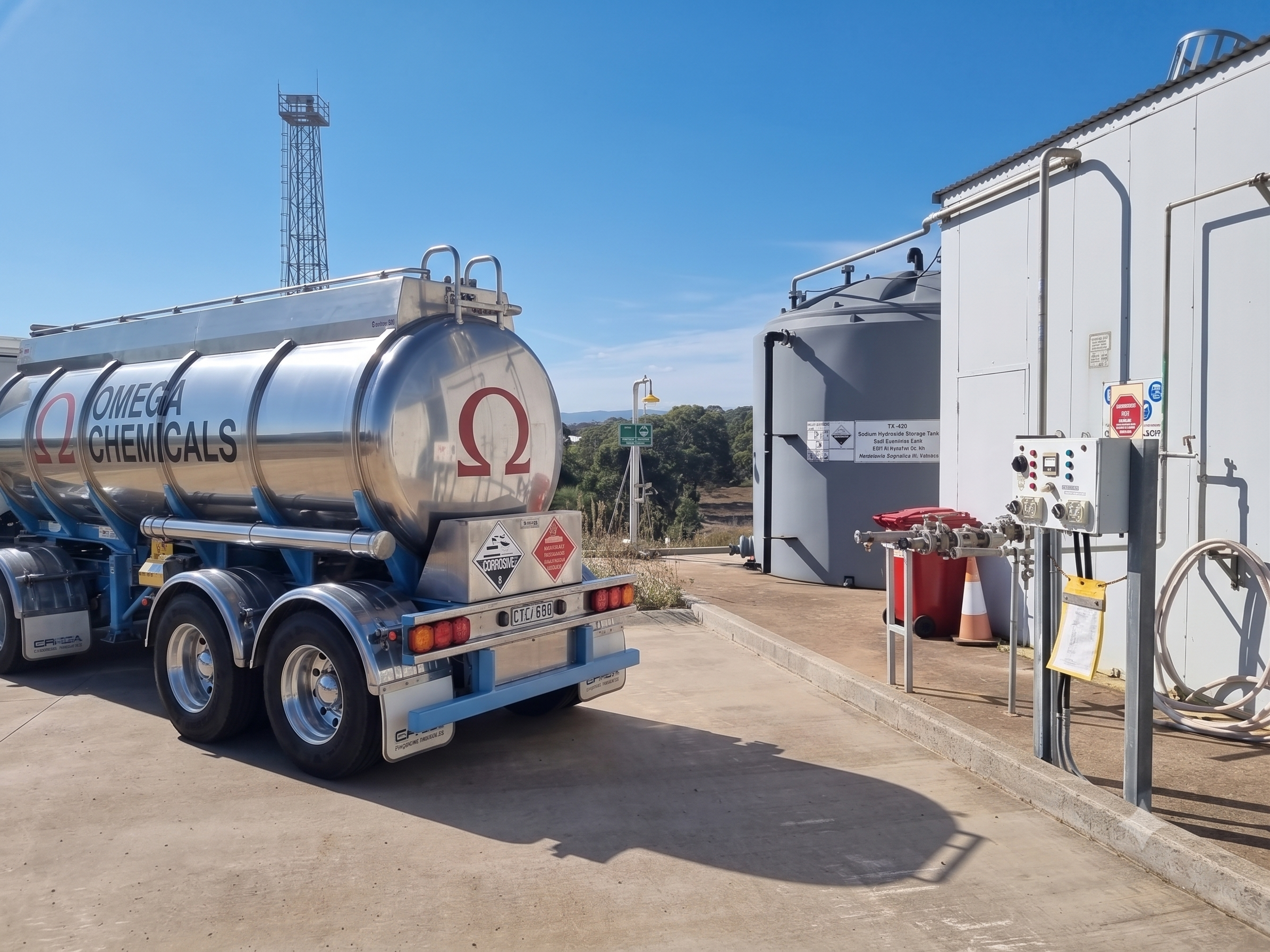
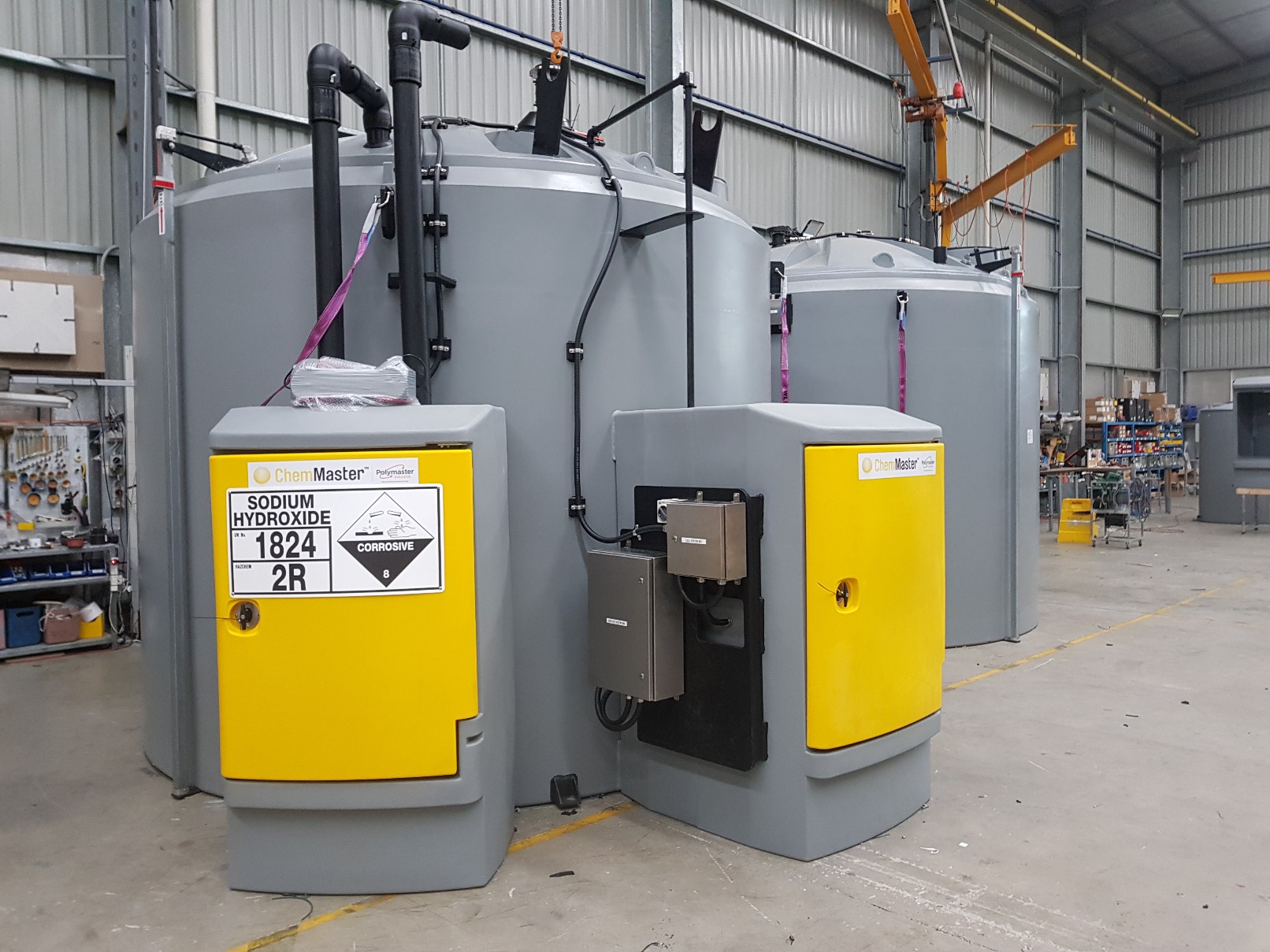
Sodium hydroxide and potassium hydroxide dissolve organic matter and lift stubborn soils. Both require storage tanks built from compatible materials, with venting and overflow protection specified to suit.
Acidic Chemicals
Phosphoric acid and nitric acid remove mineral deposits and scale. Storage has to resist corrosion from these chemicals over years of service, not just on day one.
Surfactants
Surfactants reduce surface tension so cleaning chemicals penetrate and lift soils. Lower risk than caustics or acids, but still requiring dedicated, compatible storage.
Anti-Scaling Chemicals
Phosphonates, polyacrylates and sulfonates prevent mineral scale from forming. These need compatible poly storage tanks with proper containment.
Polymaster Products for CIP Chemical Storage
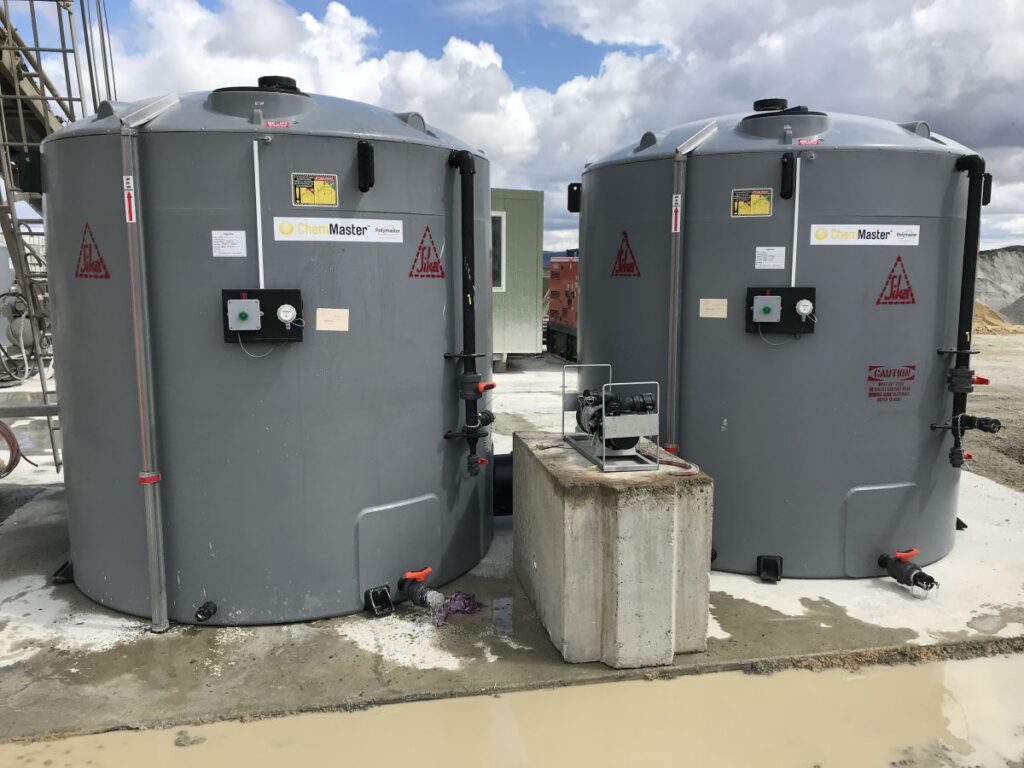
Chemical Storage Tanks
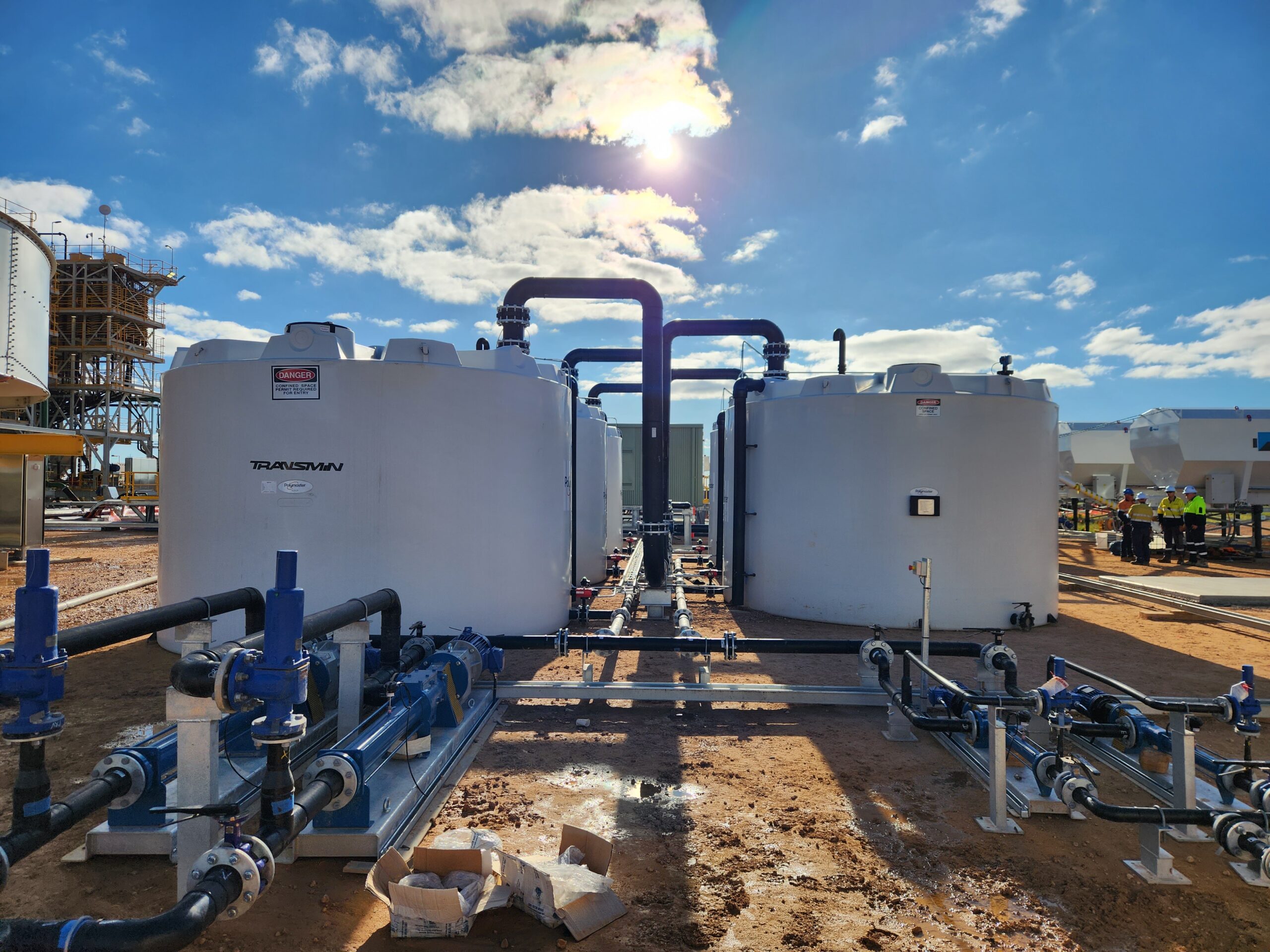
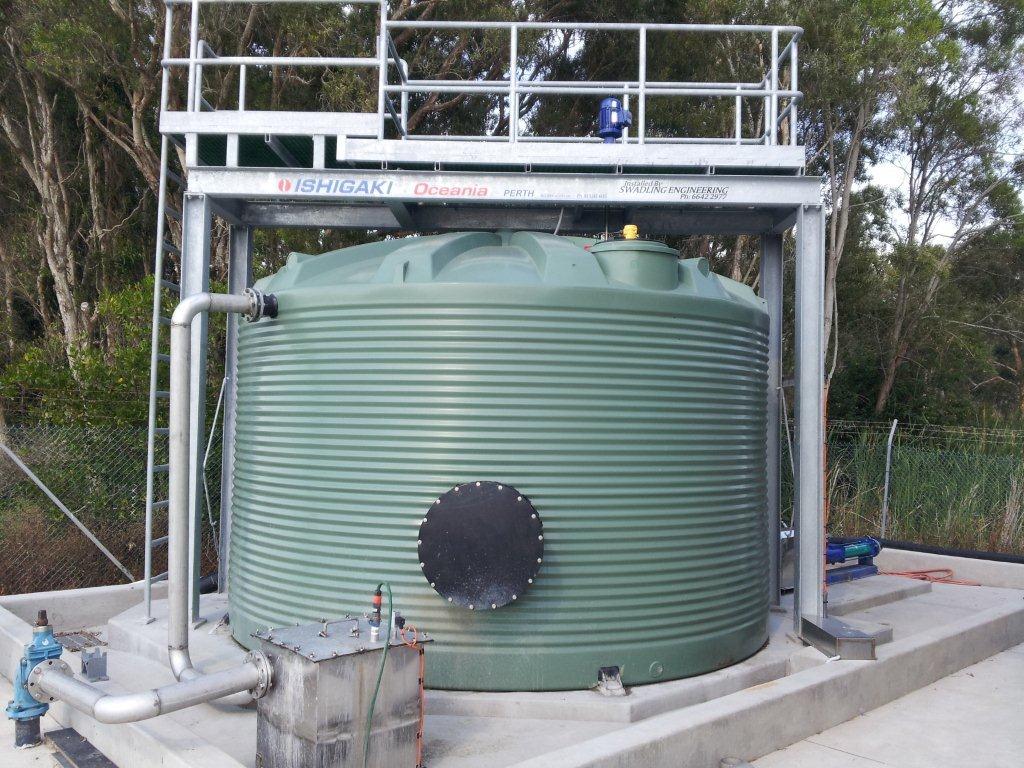
Chemical grade poly tanks for storing caustic and acidic CIP chemicals including sodium hydroxide, nitric acid and anti-scaling chemicals.
View Product
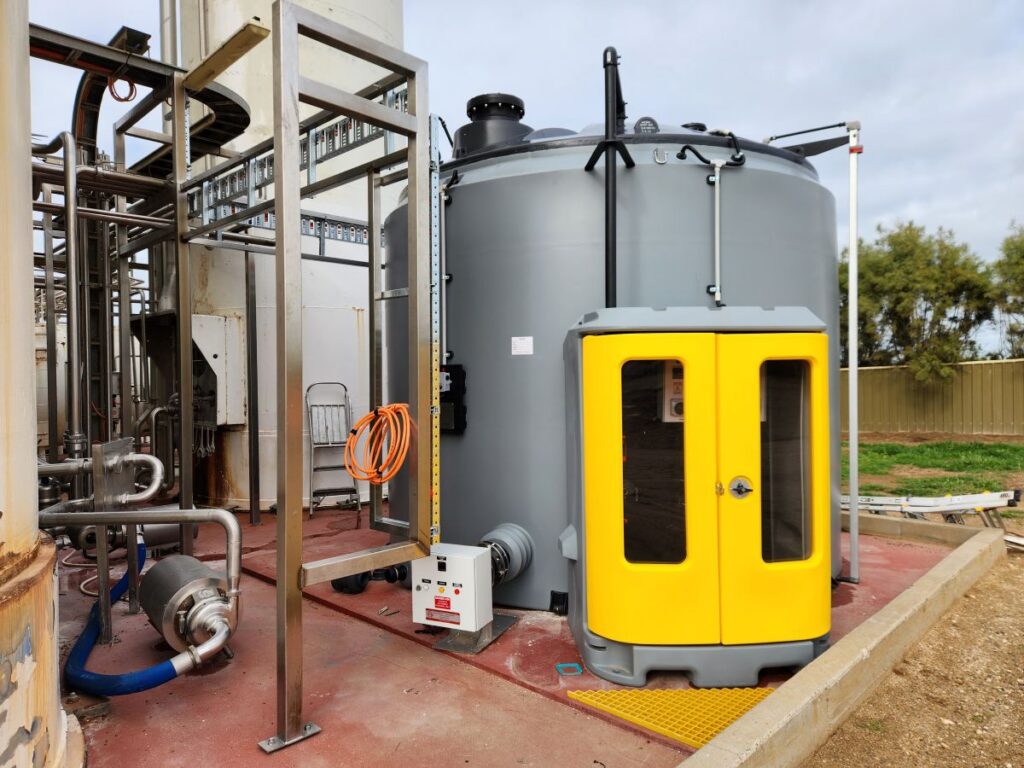
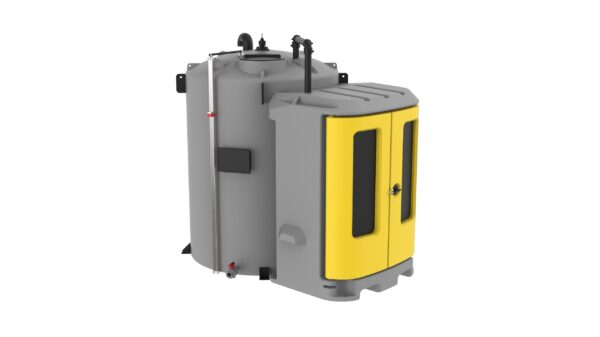
Self-Bunded Poly Tanks
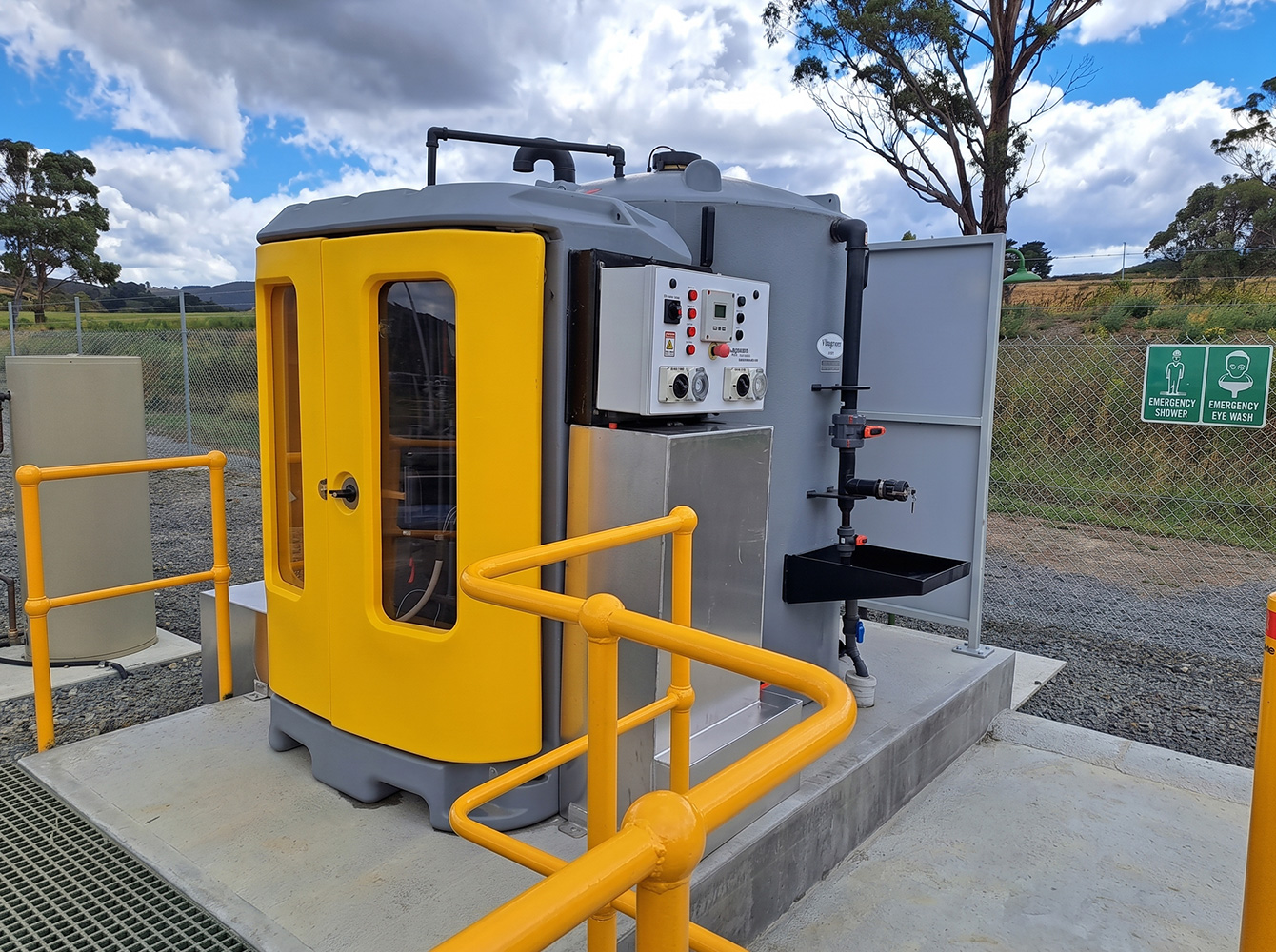
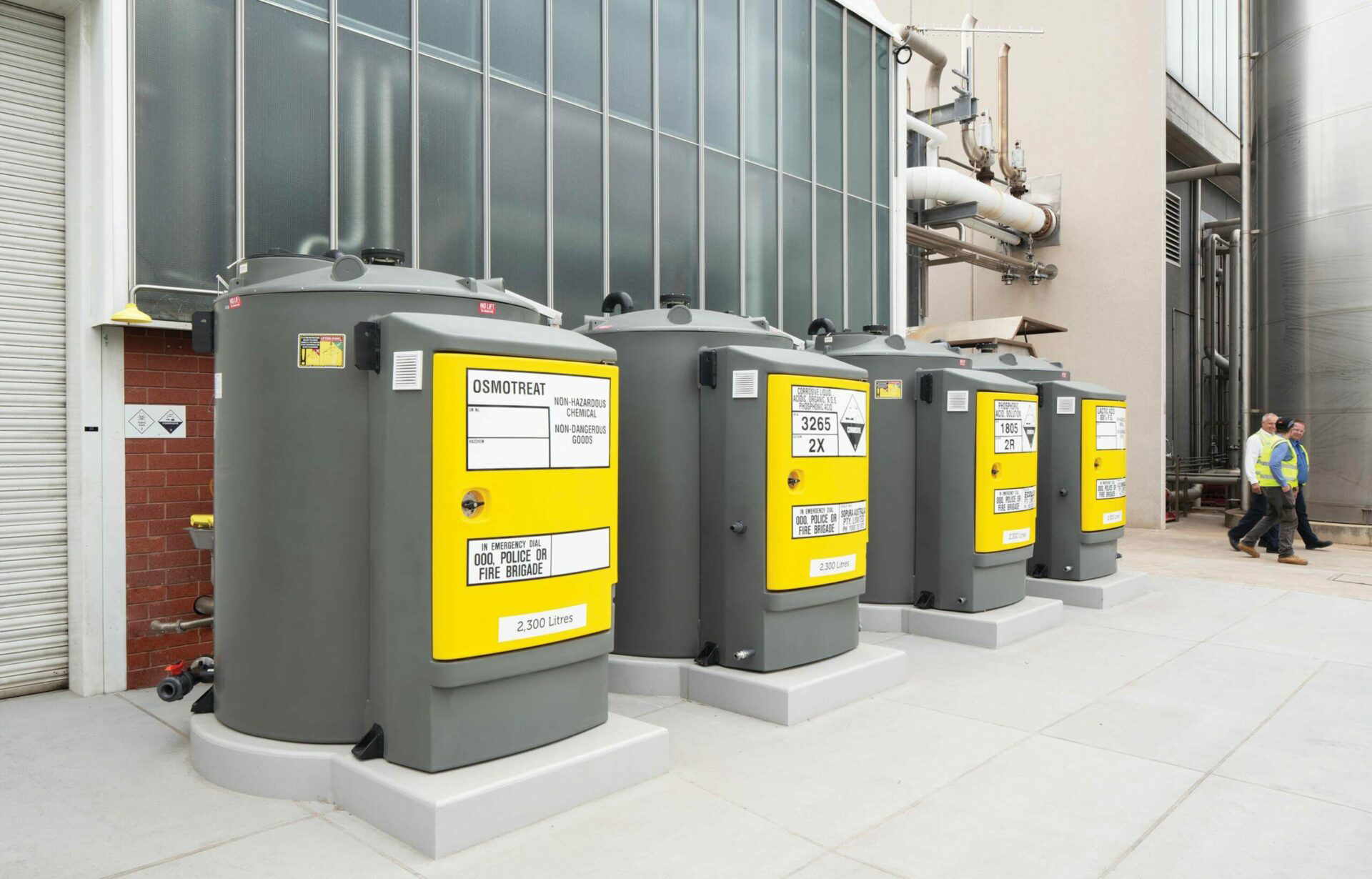
Integrated secondary containment in a single unit, with 110% bund capacity to comply with AS 3780:2023.
View Product
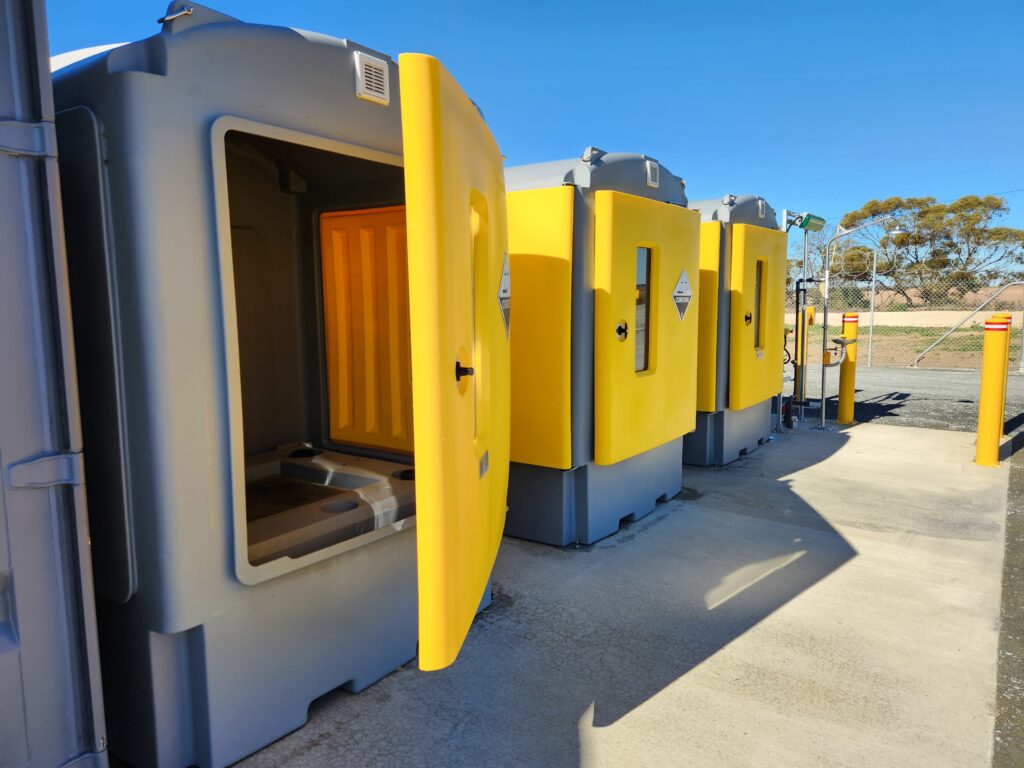
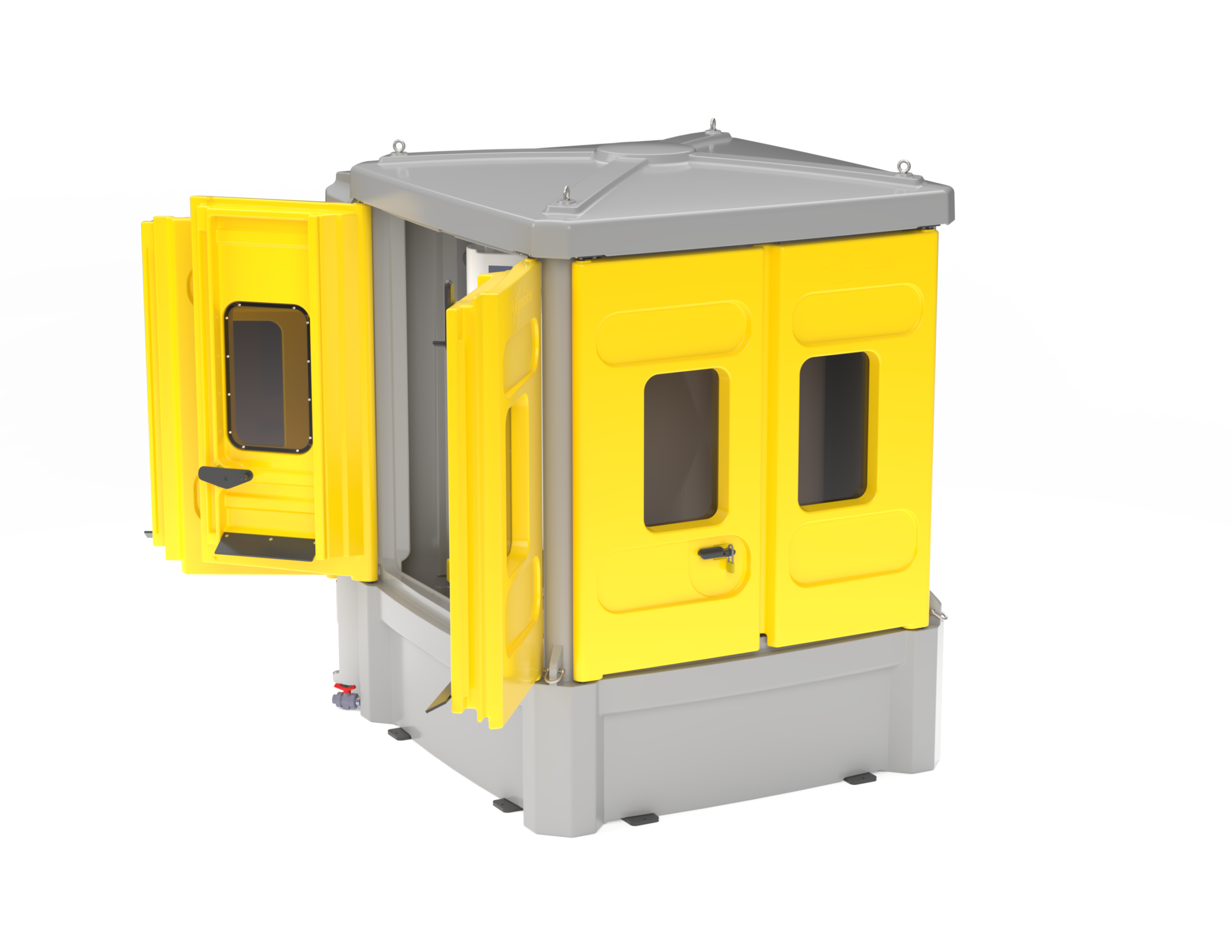
Enclosed IBC Bunds
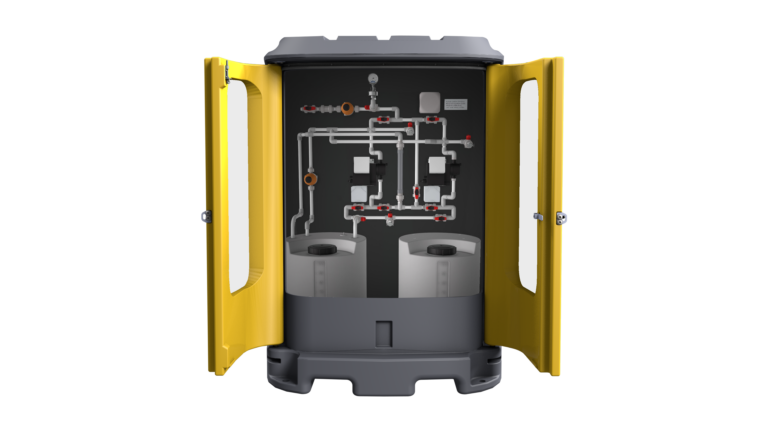
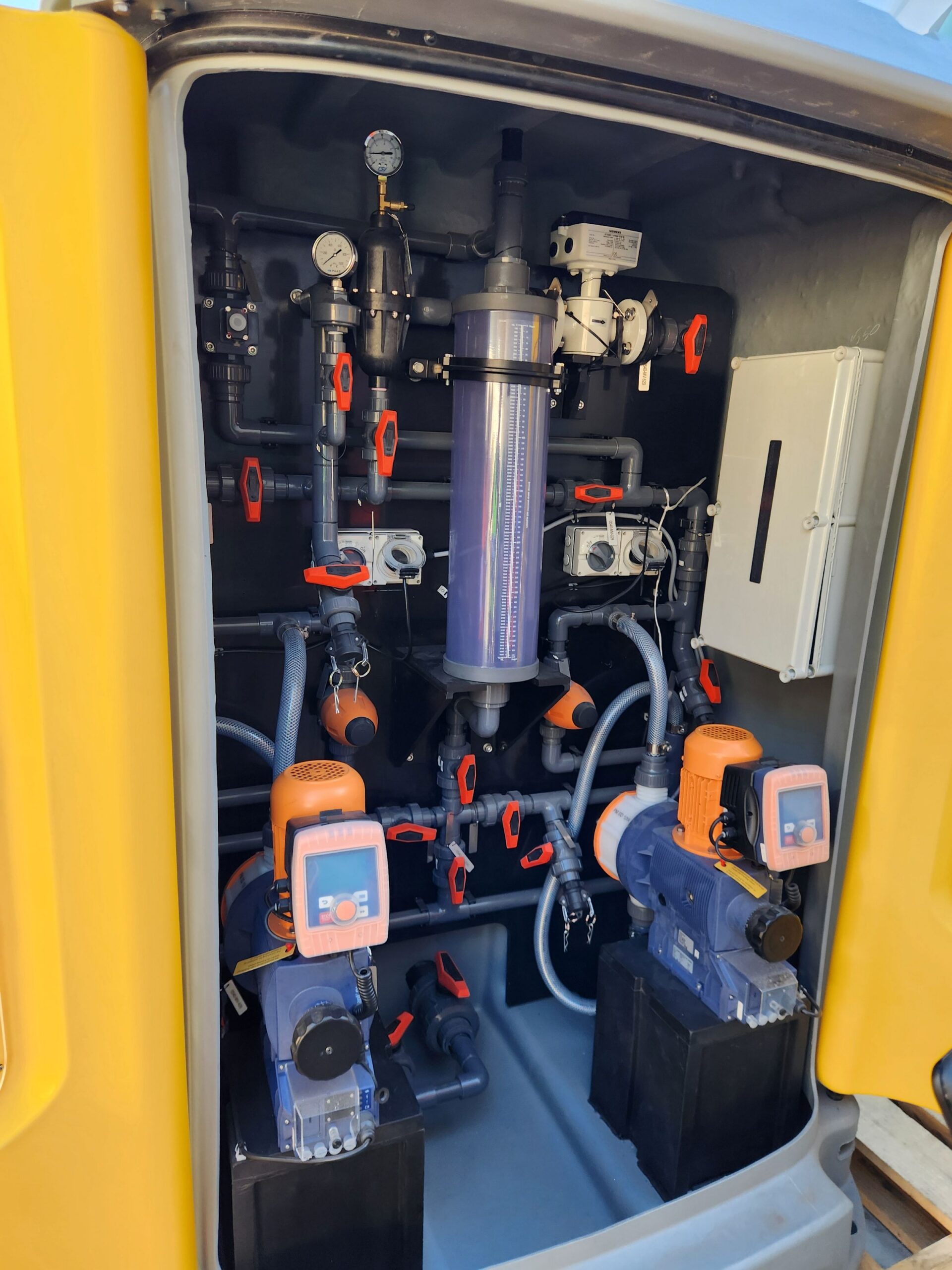
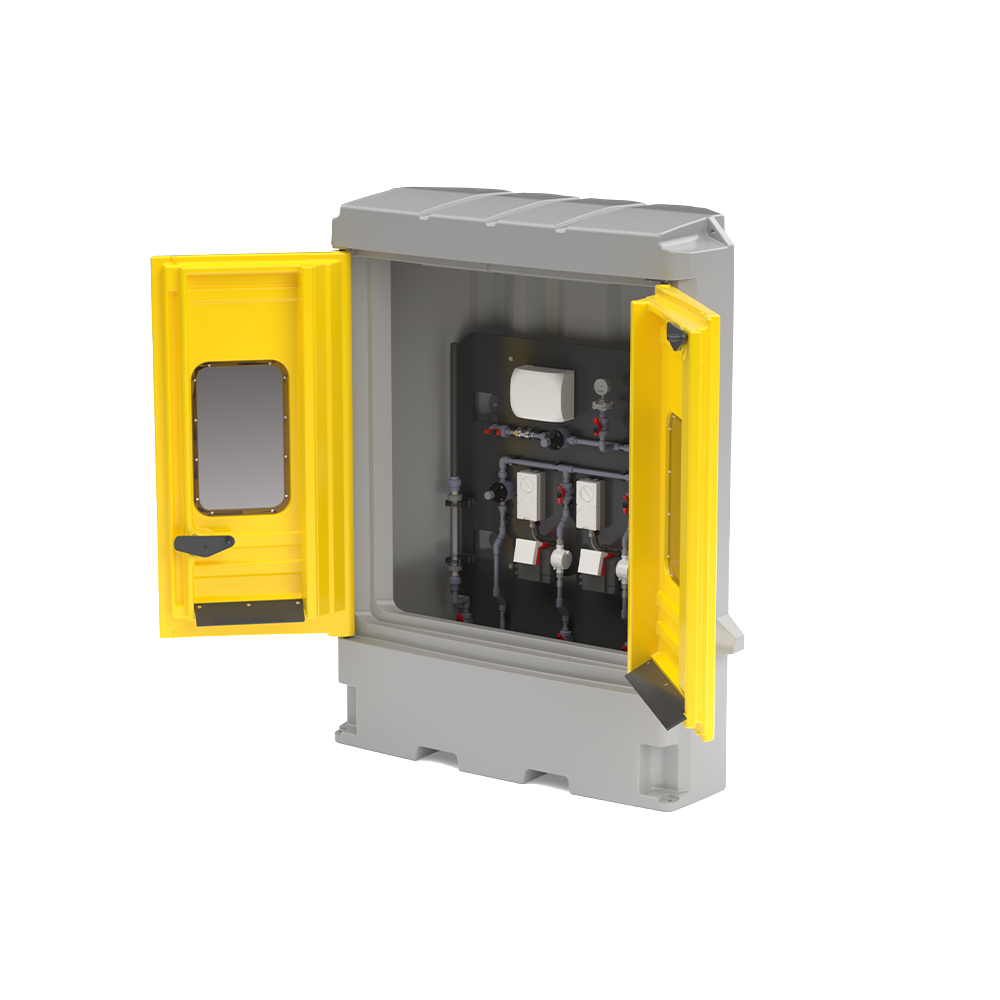
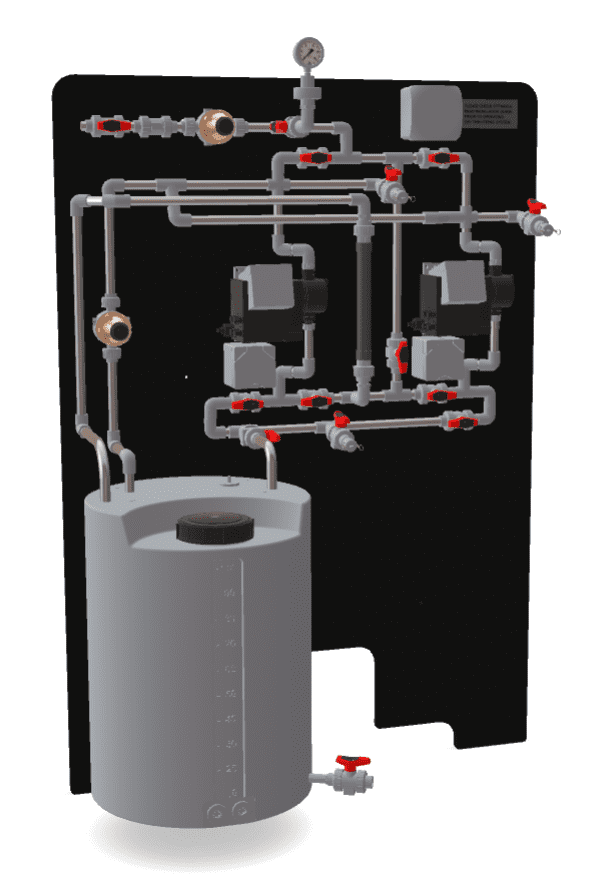
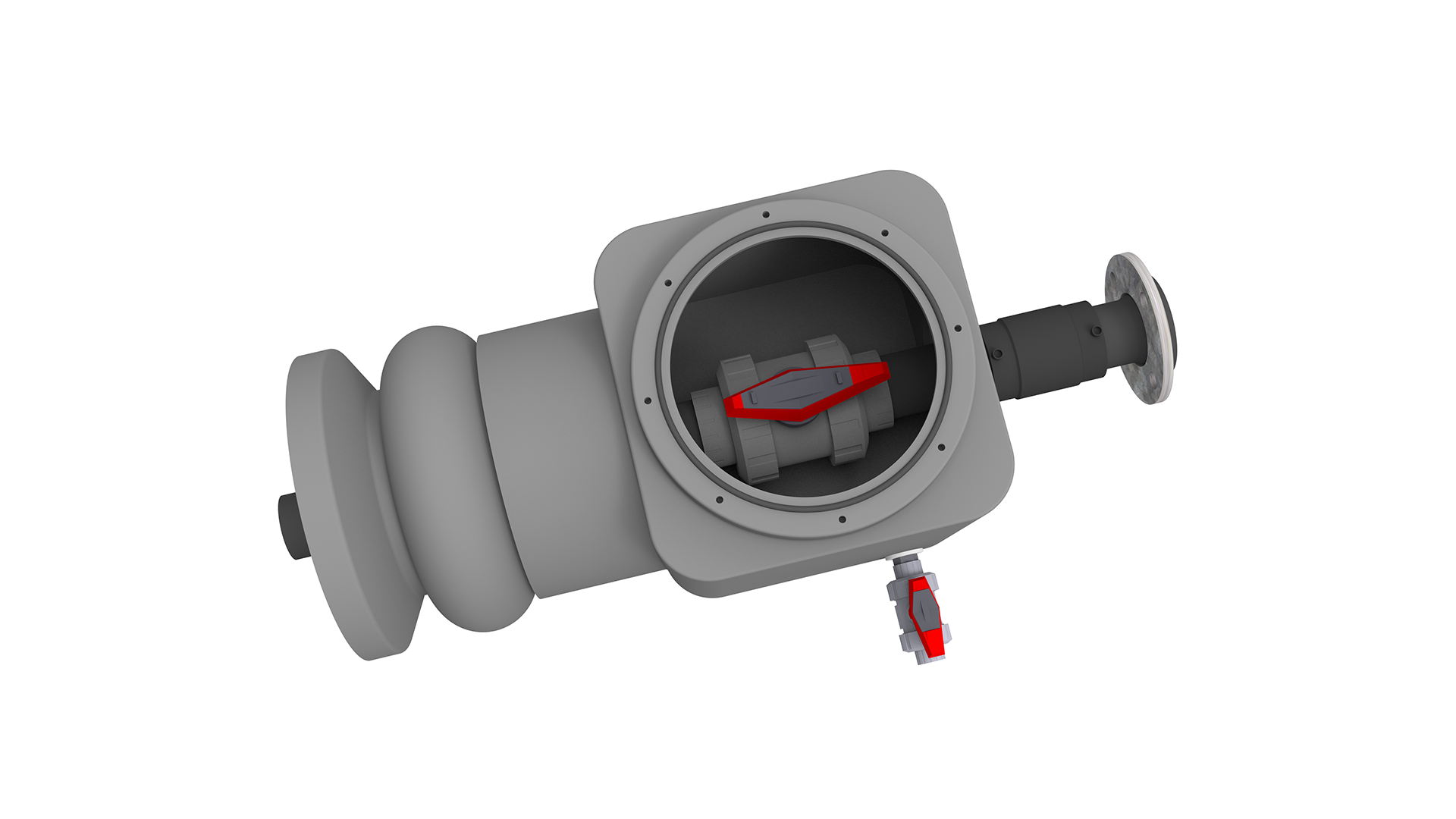
Secondary containment for operations dosing CIP chemicals from IBC containers, with the option of an integrated dosing system in the lockable cabinet.
View Product
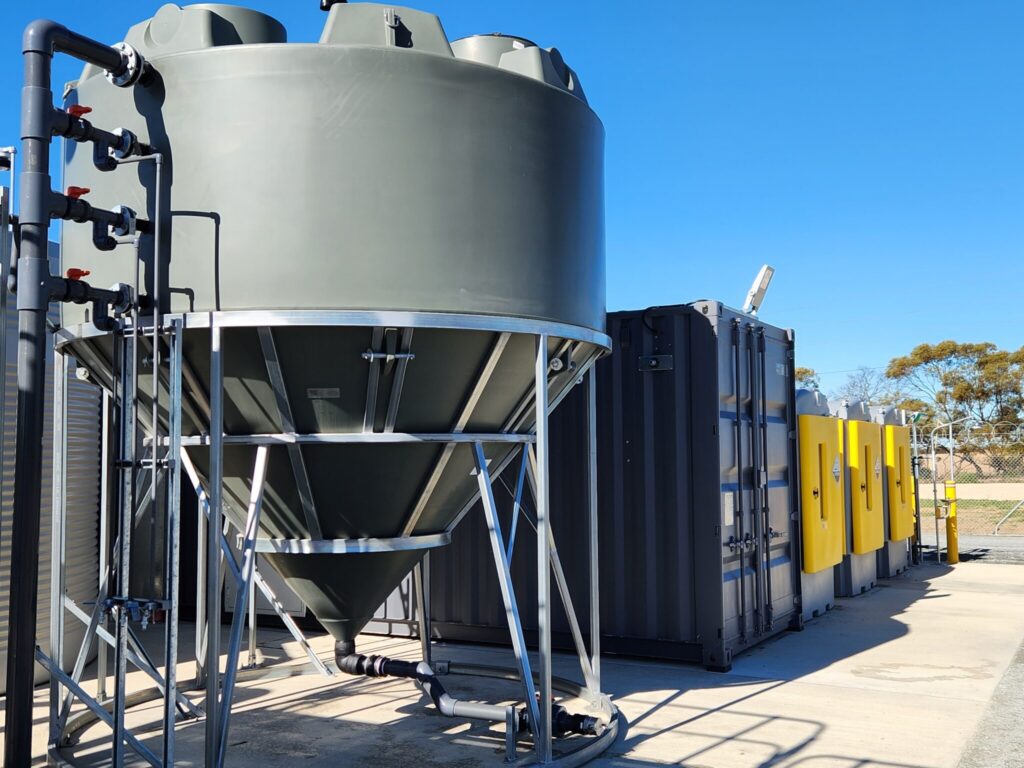
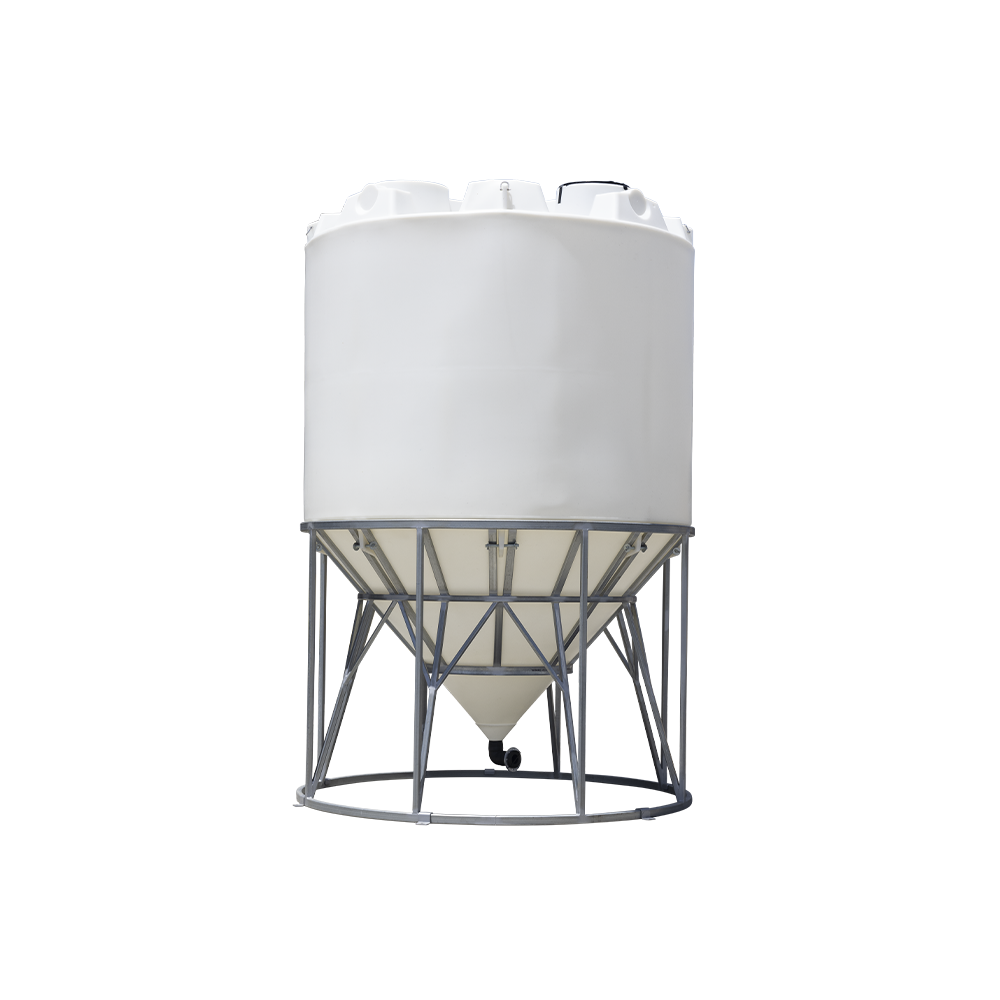
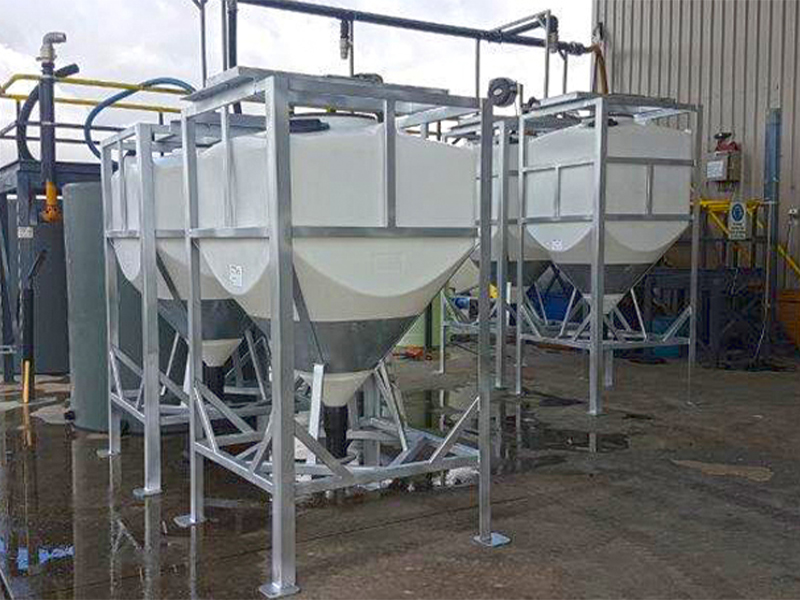
Cone Bottom Tanks
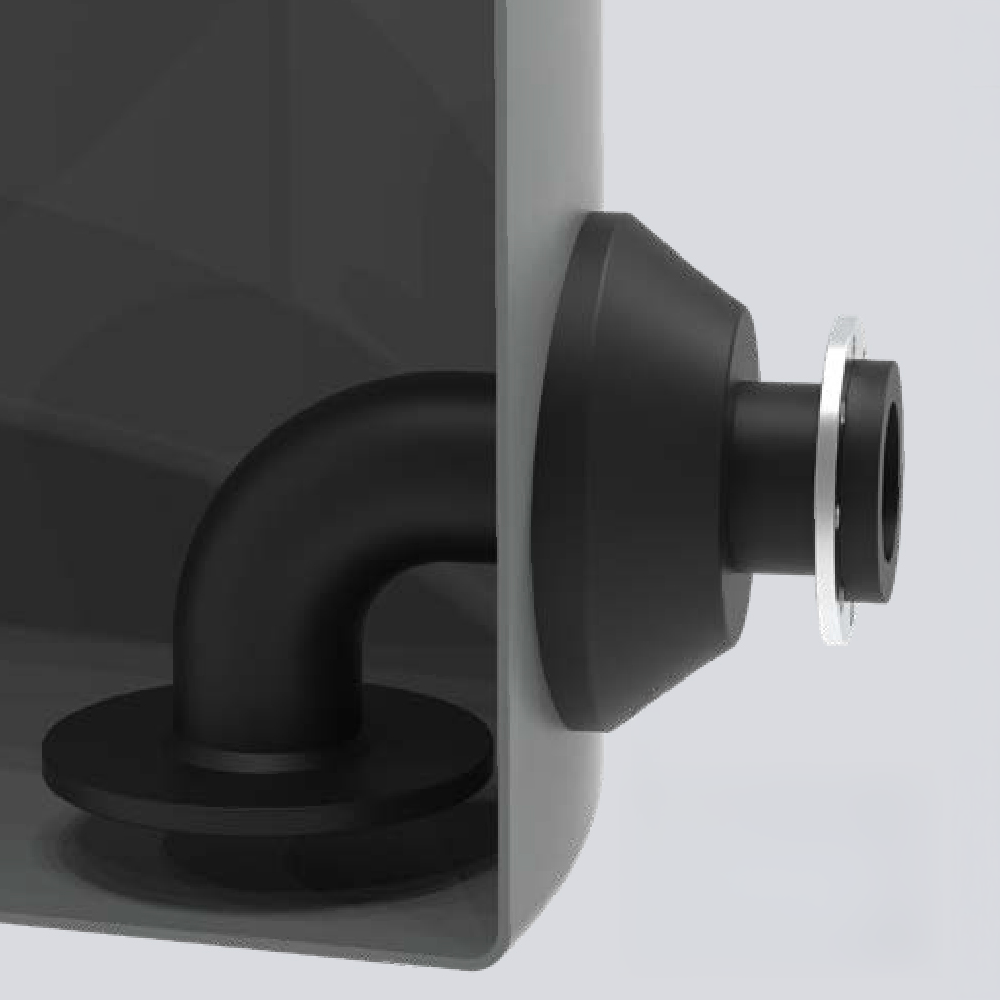
Full drain capability for CIP chemical storage where the tank has to empty between cycles.
View Product
How Polymaster Supports CIP Chemical Storage
Food and beverage, dairy and pharmaceutical manufacturers engage Polymaster to supply the chemical storage and containment infrastructure behind their CIP systems. Our role is storage and containment, working alongside the process engineers and system suppliers who design and commission the CIP installation itself.
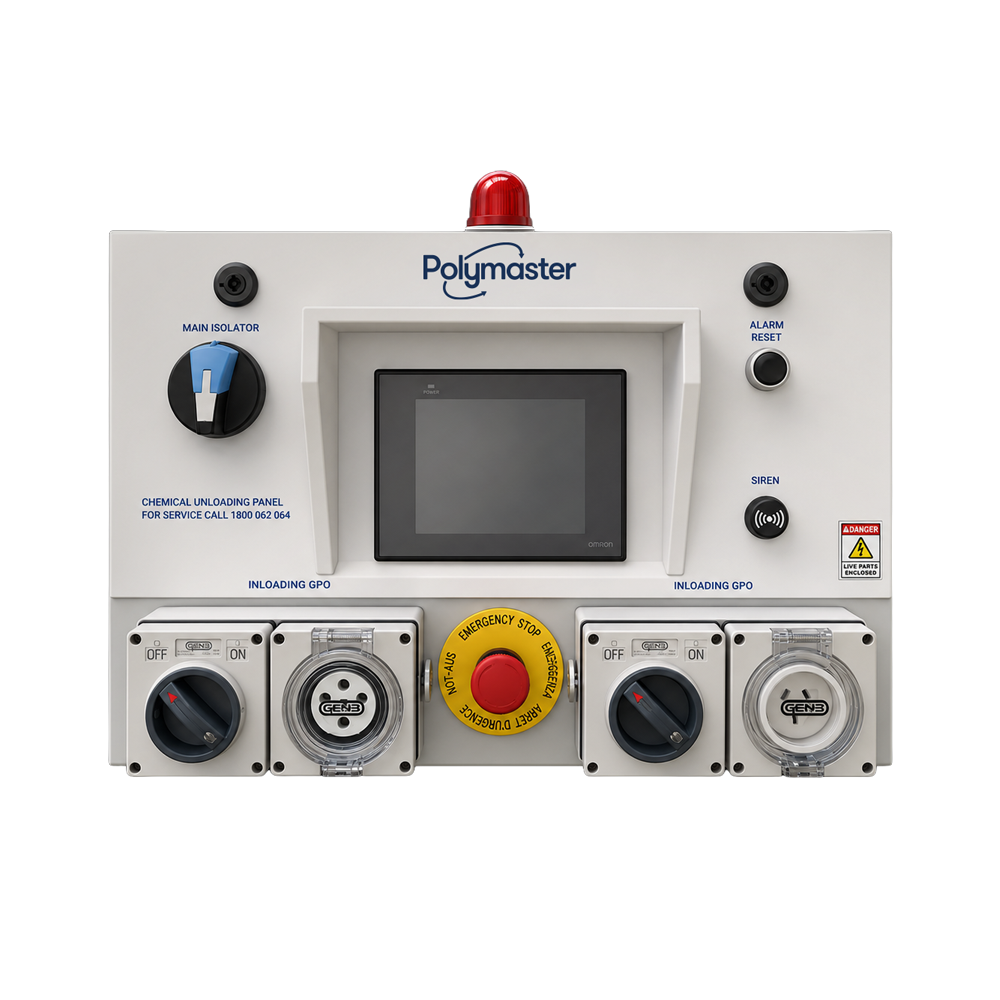
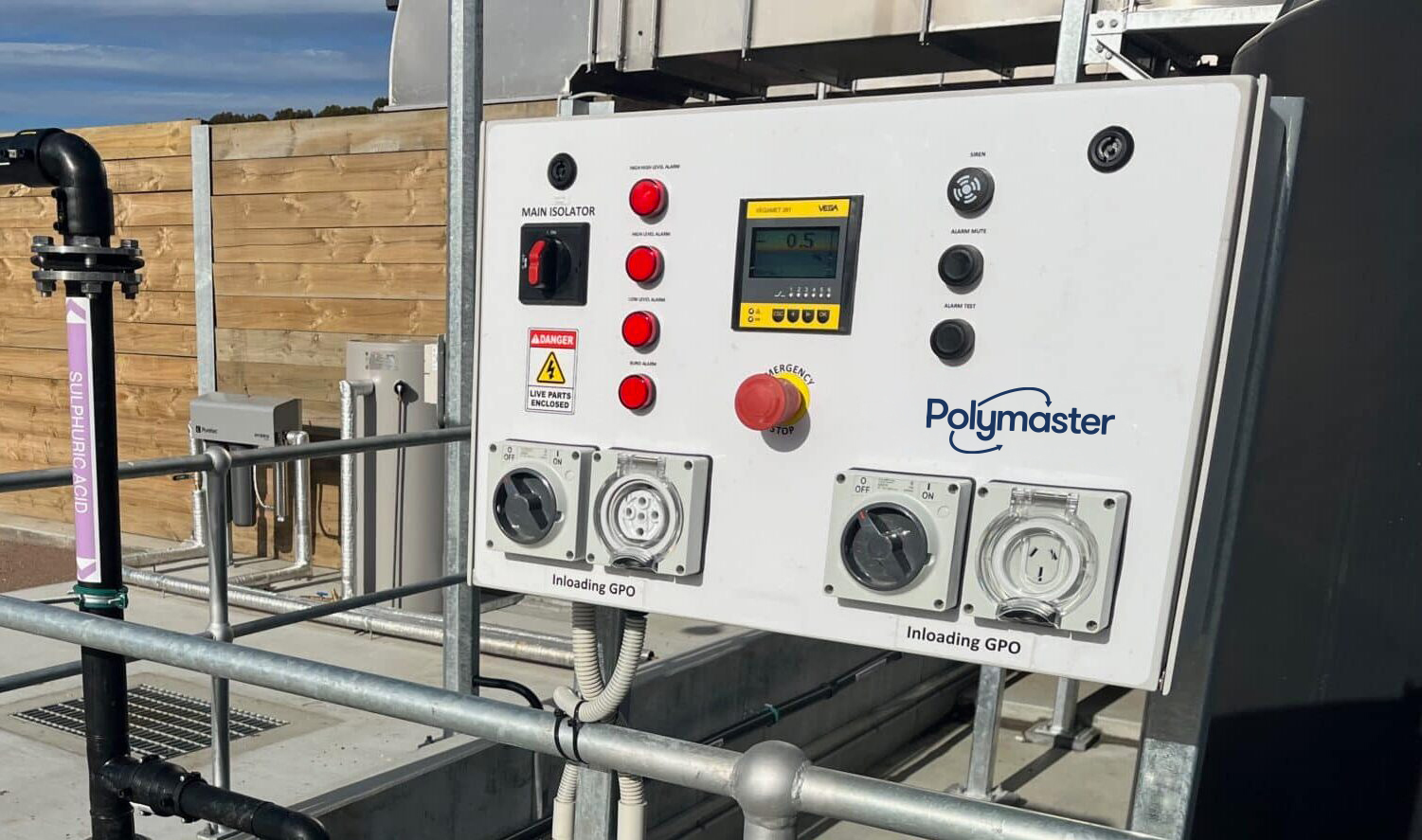
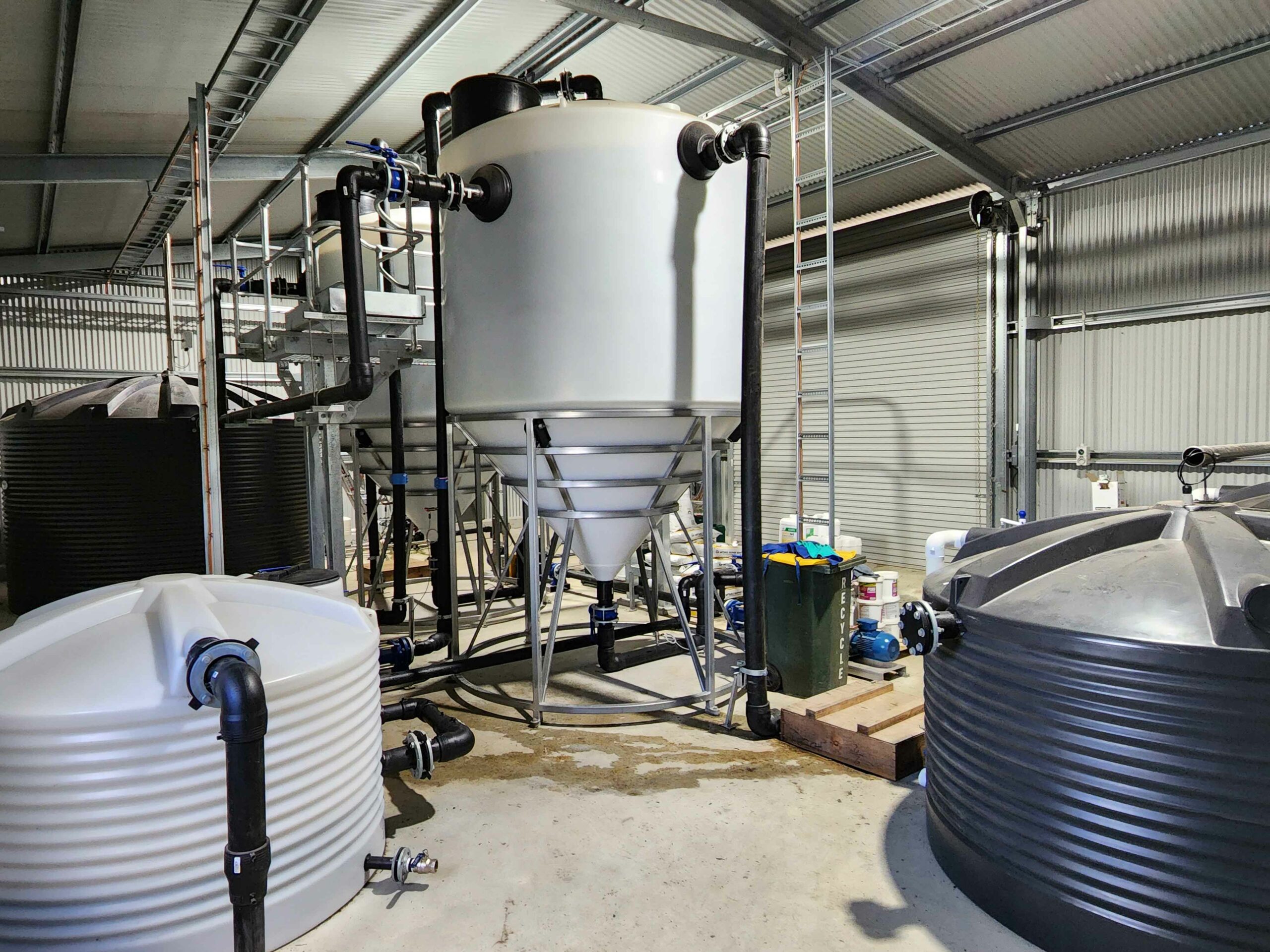
Polymaster tanks can hold more than 1,965 chemicals, including sodium hydroxide, nitric acid, phosphoric acid and anti-scaling chemicals, with multiple grades of polyethylene available and compatibility confirmed against our chemical compatibility chart before anything is specified. Self-bunded options provide 110% secondary containment without a concrete bund, accessories cover venting and overflow protection, and GA drawings, step files and datasheets are available for download so specifiers can design around the tank rather than wait for it.
Providing Australian Industries with Chemical Storage Solutions for Over 30 Years
Polymaster chemical storage tanks are Australian made, independently certified to AS/NZS 4766:2020 and AS/NZS 4020, and trusted by water utilities, industrial operators and civil contractors across Australia.
Trusted by Australian Businesses to Deliver Chemical Storage Projects
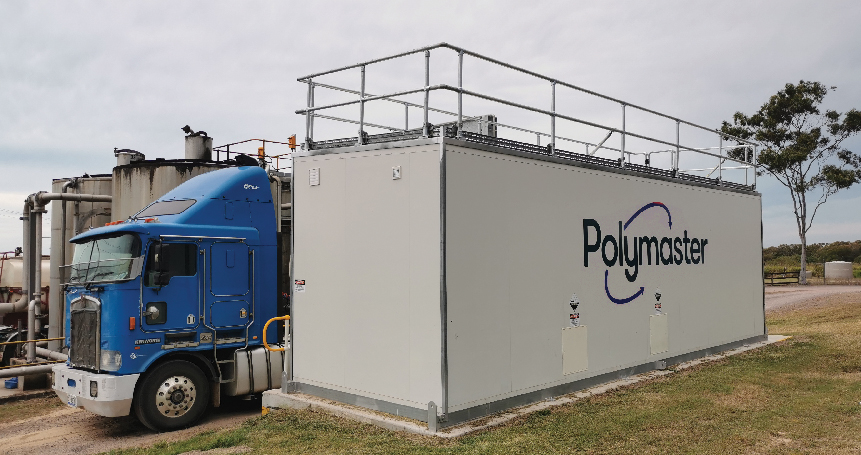
Polymaster chemical storage and containment is specified on food and beverage, dairy, water treatment and industrial projects across the country.
Need Chemical Storage for a CIP System?
Our team can help you specify the right chemical storage and containment for your CIP installation. Tell us the chemical, the volume and the site, and we will work through the rest with you.

FAQs
Frequently Asked Questions about Clean in Place Chemical Storage
What is clean in place (CIP) and how does it work?
CIP is a method of cleaning the interior of tanks, pipework and equipment without disassembling any of it. Cleaning chemicals are circulated through the closed system under controlled flow, temperature and contact time, typically through a pre-rinse, a detergent wash, an acid rinse and a final rinse. The equipment goes back into production without ever being taken apart.
What chemicals are used in CIP systems?
H3: What chemicals are used in CIP systems?
Three groups do most of the work. Caustics such as sodium hydroxide break down organic soils. Acids such as nitric and phosphoric acid remove mineral deposits and scale. Sanitisers handle the microbial kill step. Surfactants and anti-scaling chemicals including phosphonates and polyacrylates support the cycle.
What is caustic and what does it do in a CIP system?
Caustic is a high pH solution, usually sodium hydroxide, and it is the heavy lifter of the cycle. It breaks down fats, proteins, starches and oils, which is why it handles anything sticky, greasy or baked on. It is normally run hot, since heat increases the cleaning action.
What is the role of acid in a CIP cleaning cycle?
Acid does two jobs. It removes the mineral scale that builds up from repeated caustic washing and from minerals in the water and product, and it handles mineral-based residues that caustic cannot shift.
Why is caustic run before acid in a CIP cycle?
Caustic has a very high pH and leaves calcium carbonate and mineral scale on pipe walls over time. Running acid afterwards removes that scale as well as cleaning the equipment, so the sequence does double duty. The two must not mix, which is why an intermediate rinse sits between them.
What type of storage tank is best for CIP chemicals?
Polyethylene is well suited to CIP chemicals because it does not corrode on contact and needs no internal lining or coating to maintain. Beyond the material, the decision comes down to whether secondary containment is integrated or separate, whether the tank needs to drain fully between cycles, and what venting and overflow protection the chemical requires.
Are Polymaster tanks compatible with caustic chemicals used in CIP systems?
Yes. Polymaster tanks can hold more than 1,965 chemicals, including sodium hydroxide, and multiple grades of polyethylene are available for more aggressive duties. Compatibility is confirmed against the Polymaster chemical compatibility chart before a tank is specified, rather than assumed from the material alone.
Do CIP chemical storage tanks require secondary containment?
Secondary containment is required for the storage of corrosive chemicals under Australian standards, and bund capacity must meet AS 3780:2023. Polymaster self-bunded tanks and enclosed IBC bunds provide 110% bund capacity in a single unit, which removes the need for a separate concrete bund.
How do I choose the right poly storage tank for my CIP system?
Start with the chemical and its concentration, then the volume you need on site and how often the chemical is replenished. From there, consider whether the tank needs full drainage between cycles, what containment the site requires, and what venting, level monitoring and overflow protection the installation calls for. Our team works through all of it before specifying anything.
What safety precautions apply when storing CIP chemicals?
Caustics and acids are corrosive, so storage needs compatible tank material, secondary containment sized to the standard, venting appropriate to the chemical, and overflow protection. Separating caustic and acid storage matters as well, since the two must never come into contact outside the cycle. Consult the safety data sheet for the specific chemical and your site’s dangerous goods obligations.