


Home Chemical & Industrial Chemical Storage Tanks Application pH Correction Systems
pH Correction
Getting wastewater or process water into a safe pH range before discharge or reuse is a compliance requirement across most Australian industries – and getting it wrong carries real cost. pH correction is the process of raising or lowering pH to bring water within the limits set by your water authority. This page covers how pH correction works, the methods used, and the chemical storage tanks Polymaster supplies into these systems.
Polymaster supplies the chemical storage tanks, self-bunded containment systems and dosing solutions used to store and dose sodium hypochlorite and other disinfection chemicals safely across Australia.
THE BASICS
What Is pH Correction?
pH correction – also called pH neutralisation or pH adjustment – is the process of raising or lowering the pH of wastewater or process water so it sits within a safe, compliant range before it is discharged to sewer, released to the environment, or reused on site. Water sits on a scale from 0 (strongly acidic) to 14 (strongly alkaline), with 7 being neutral. pH adjustment in water treatment is about moving water that has drifted too far in either direction back towards that middle band.
Correction runs in two directions. Raising pH means treating acidic water (low pH) by dosing an alkali such as caustic soda, soda ash, or magnesium hydroxide. Lowering pH means treating alkaline water (high pH) by dosing an acid such as sulphuric acid or hydrochloric acid.
The target range depends on the discharge point. Trade waste to sewer and discharge to waterways are typically required to sit around pH 6 to 9, but the exact limit is set by your local water authority or trade waste agreement, so it varies by site and by state.
HOW IT WORKS
How a pH Correction System Works
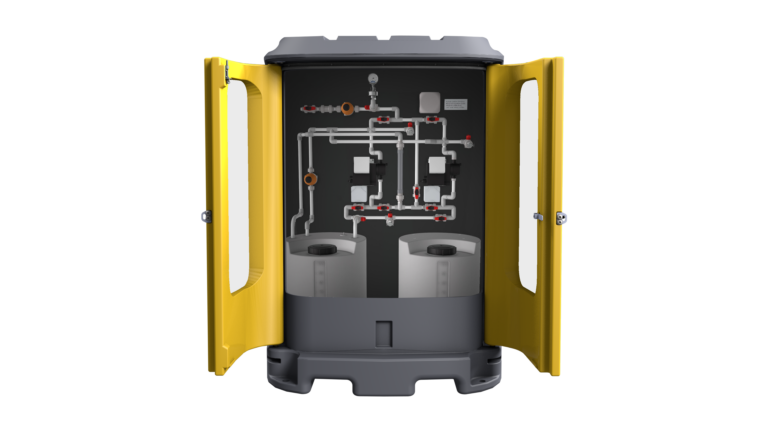
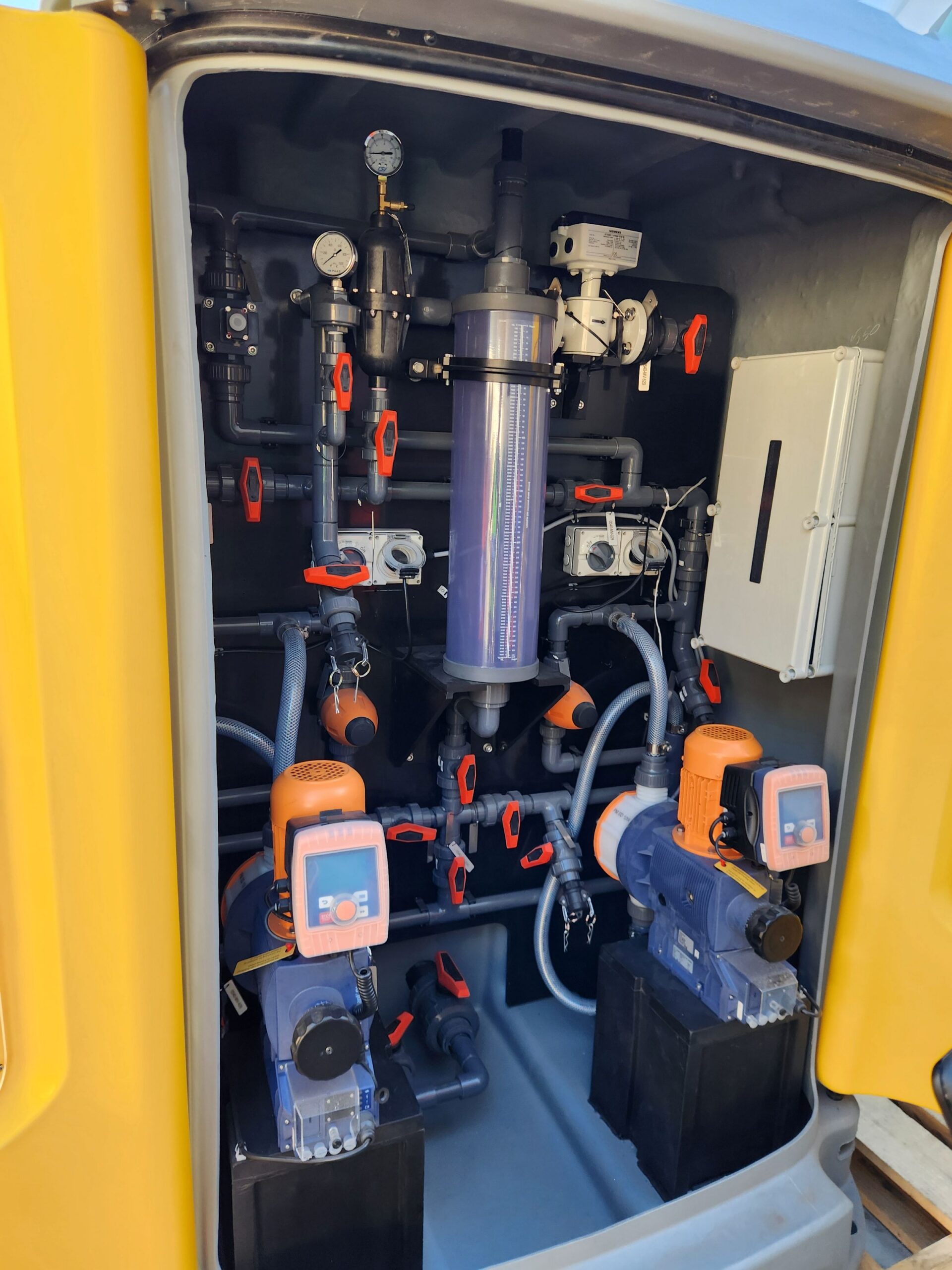
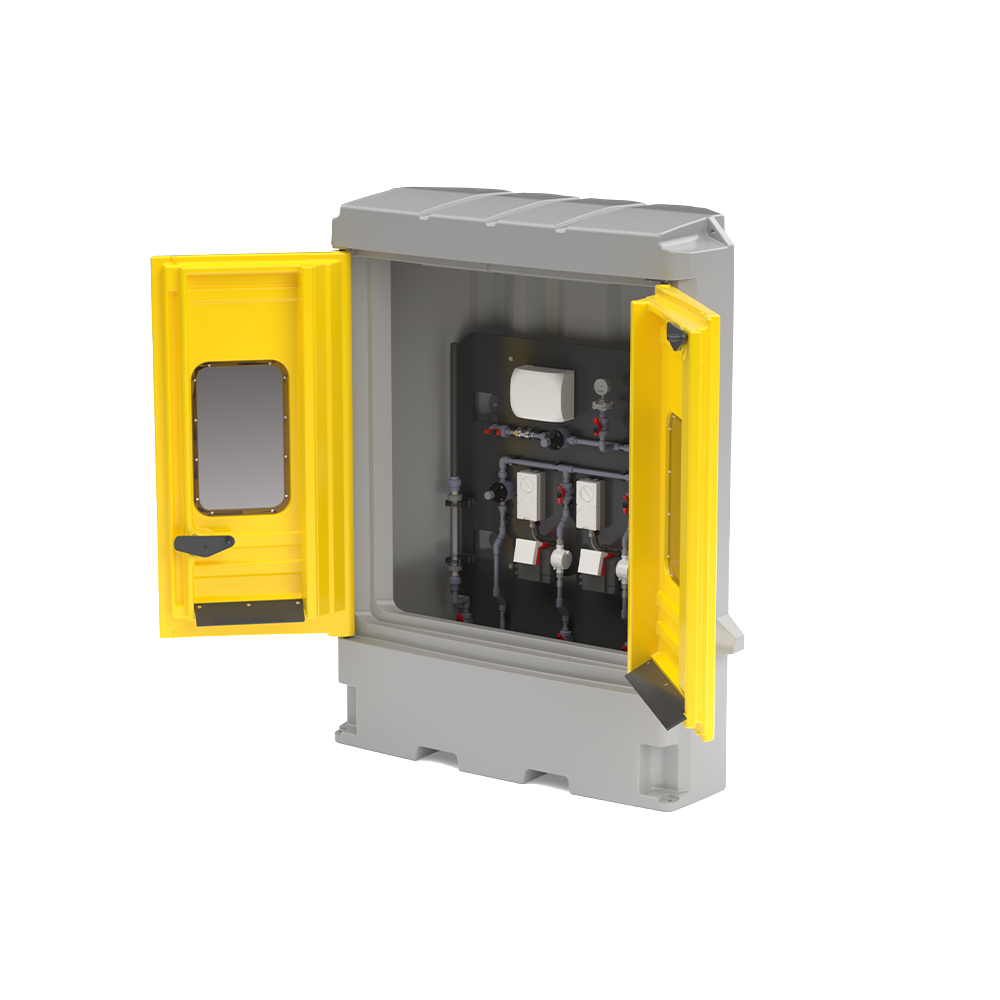
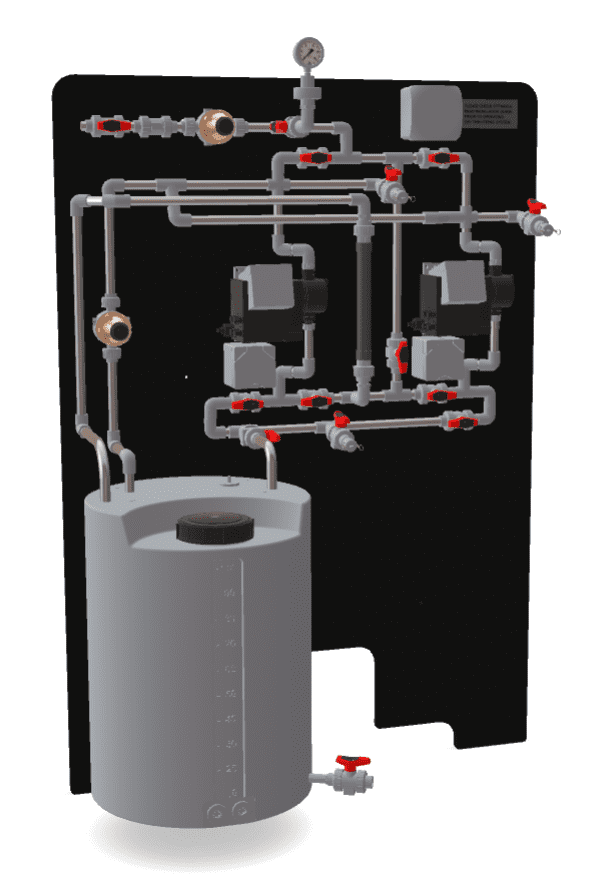
A typical pH correction system combines several components working together. A pH sensor measures the water continuously. A digital controller reads that measurement against the target range and decides when to dose. A dosing pump meters the acid or alkali into the water at the required rate. A chemical storage tank holds the dosing chemical ready for use. An agitator or mixer keeps the chemical blended and the treated water evenly corrected.
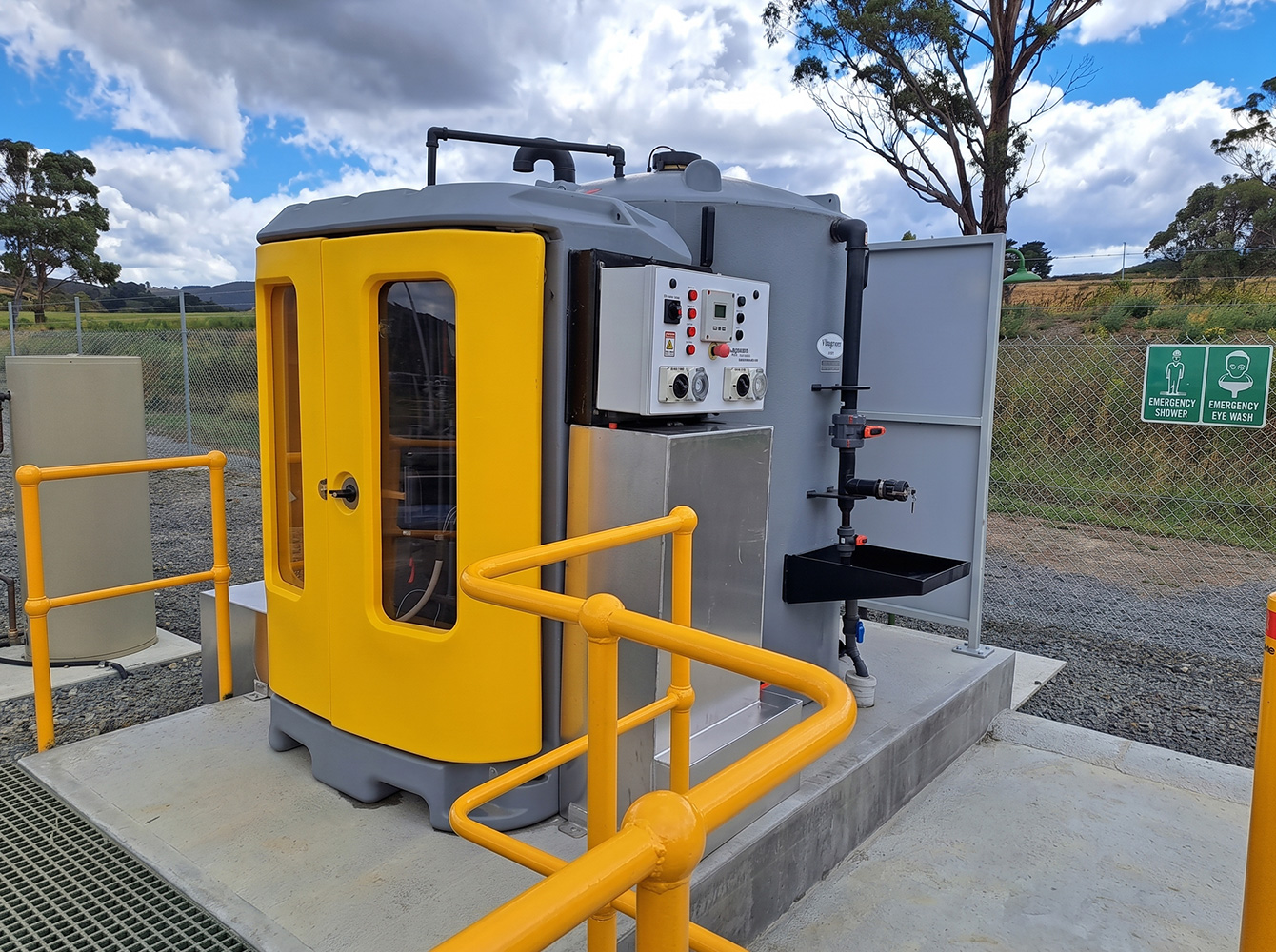
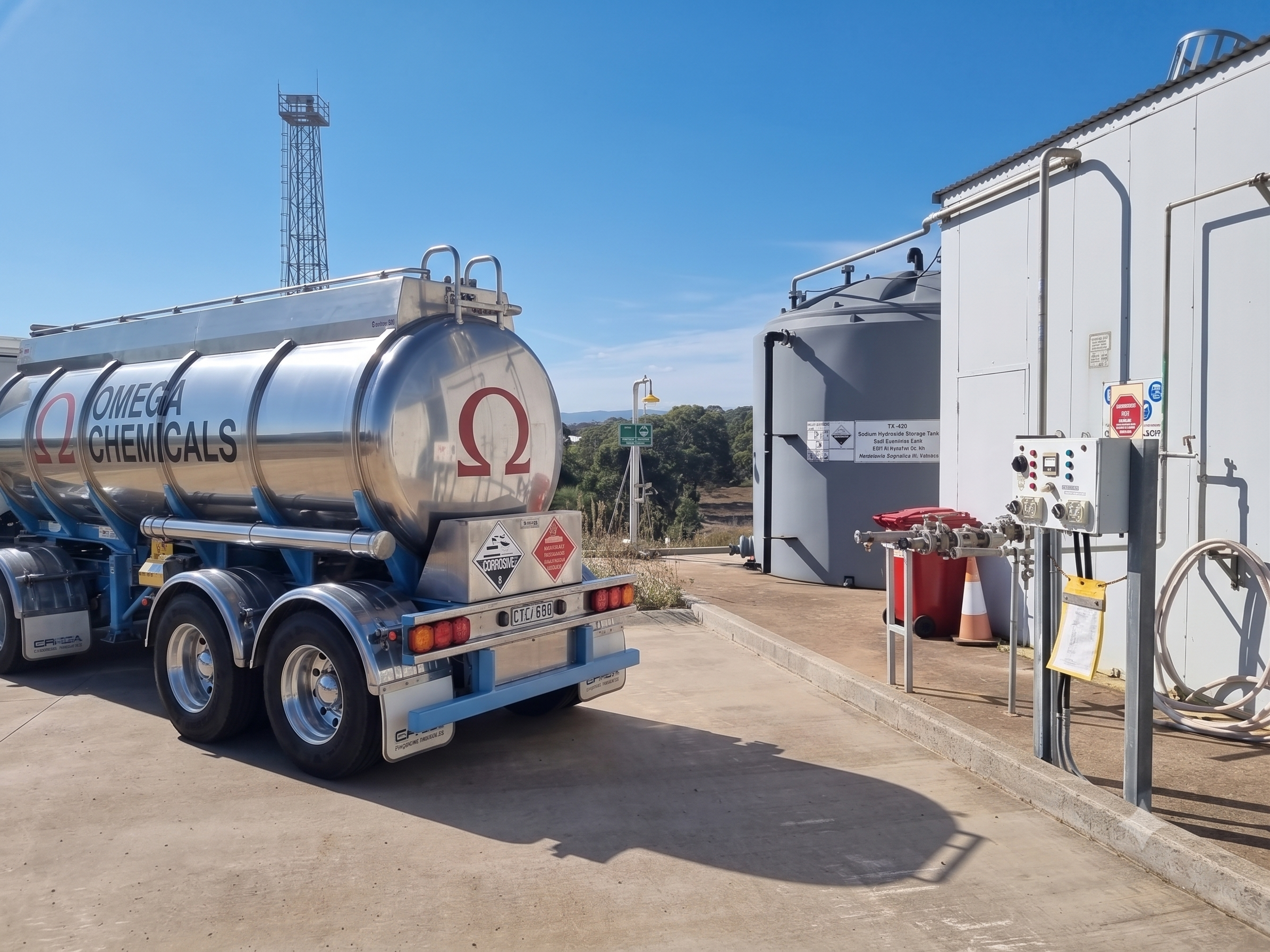
The storage tank is the part of this setup that has to safely contain an aggressive acid or alkali, day in and day out, in Australian conditions. That is where Polymaster fits. Polymaster supplies the chemical storage and dosing tanks that hold the acids and alkalis used in pH correction – engineered for the chemical, certified to Australian Standards, and built for a 25-year design life.

DOSING METHODS
Where is Chemical Disinfection Used?
The right method depends on flow rate, how much correction is needed, and whether treatment happens in stages or continuously. The method also determines the size and type of storage tank the system needs.
Recirculated
Water is held in a treatment tank and continuously circulated past the dosing point until the whole batch reaches the target pH. Suited to larger volumes and heavier correction. Recirculated systems generally pair with bulk chemical storage tanks feeding the dosing line.
Batch
Water is treated one defined volume at a time. Each batch is dosed, checked, and only released once it is within range. Reliable where discharge limits are tight and every release has to be verified. Like recirculated systems, batch treatment usually draws from bulk storage tanks.
Inline / Flow-Paced
Chemical is dosed directly into a moving stream, with the dose paced to the flow rate. There is no holding tank; correction happens as the water passes. Flow-paced setups typically run from smaller dosing tanks or an IBC bund rather than bulk storage.
THE PROCESS
The pH Correction Process
In many treatment trains, correction happens in stages rather than a single dose.
- An initial dose begins moving the pH towards the target and often triggers precipitated solids to form.
- A clarification or settling stage then lets those solids drop out of the water.
- A final dose brings the clarified water into the discharge-compliant range before it is released.
Polymaster’s role across these stages is the chemical storage and dosing tanks that hold and feed the acids and alkalis; the clarifiers, filtration, and control equipment are supplied separately.
THE PROCESS
Chemical Storage Tanks for pH Correction
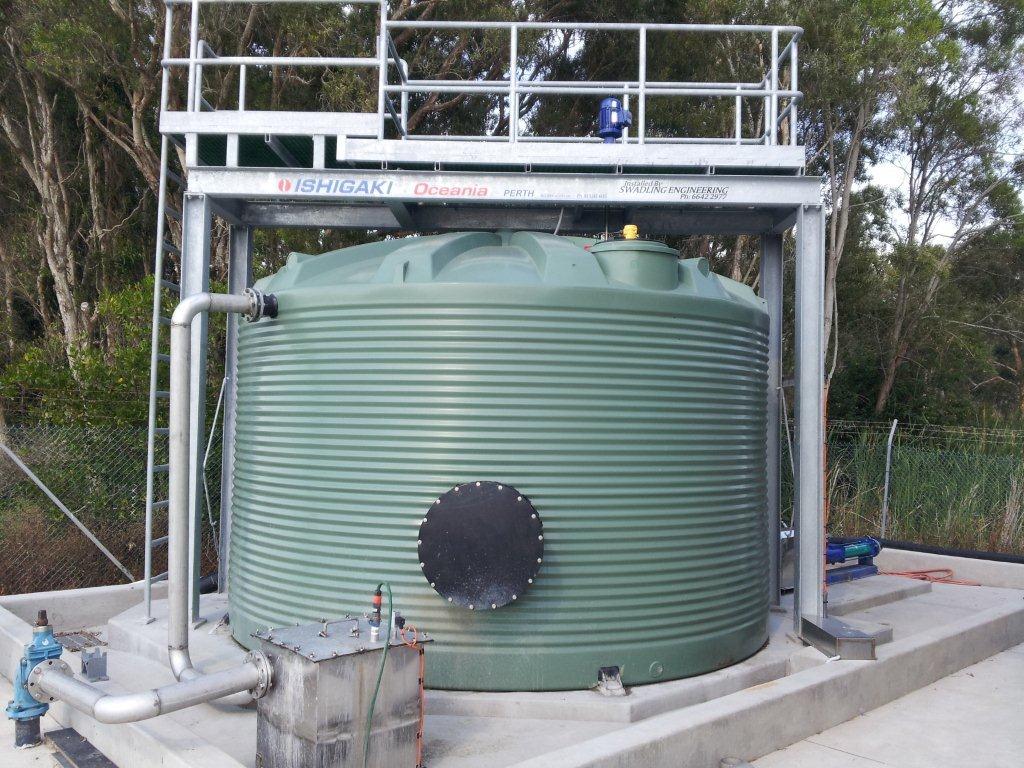
Polymaster manufactures the storage and dosing tanks that hold pH correction chemicals safely on site. All are moulded from UV-stabilised, chemical-grade polyethylene, certified to AS/NZS 4766, and rated for a 25-year design life. The right tank depends on the method and stage covered above.
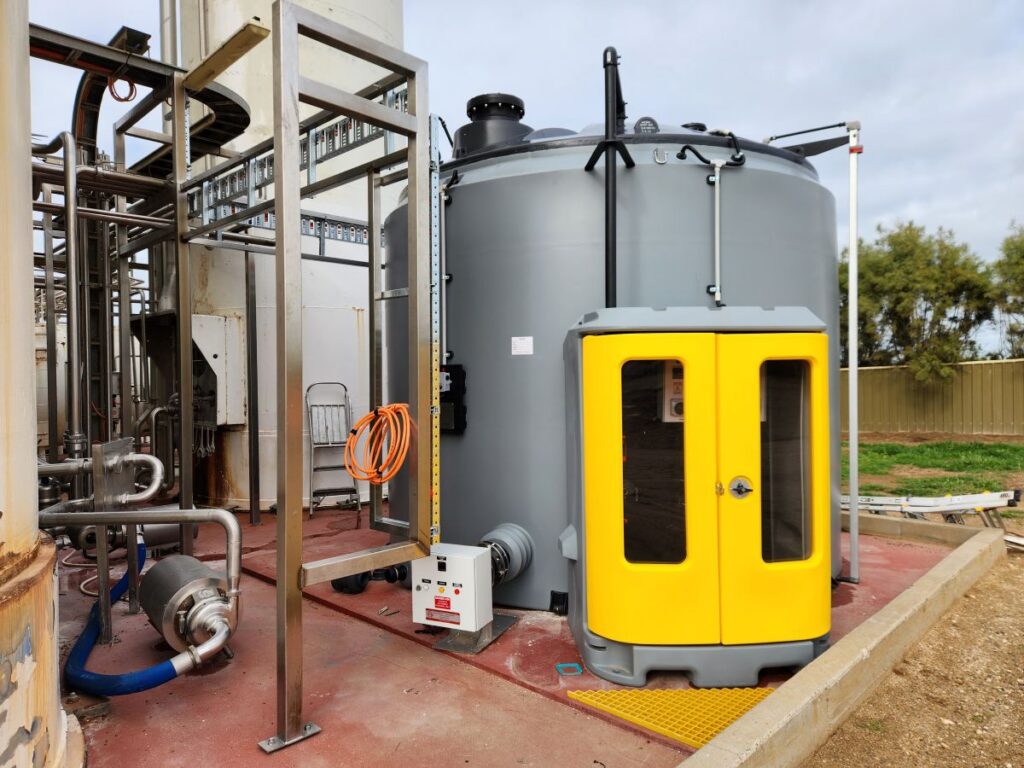
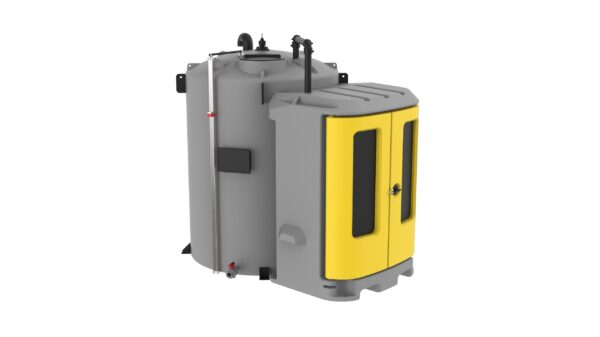
Self-Bunded Tanks
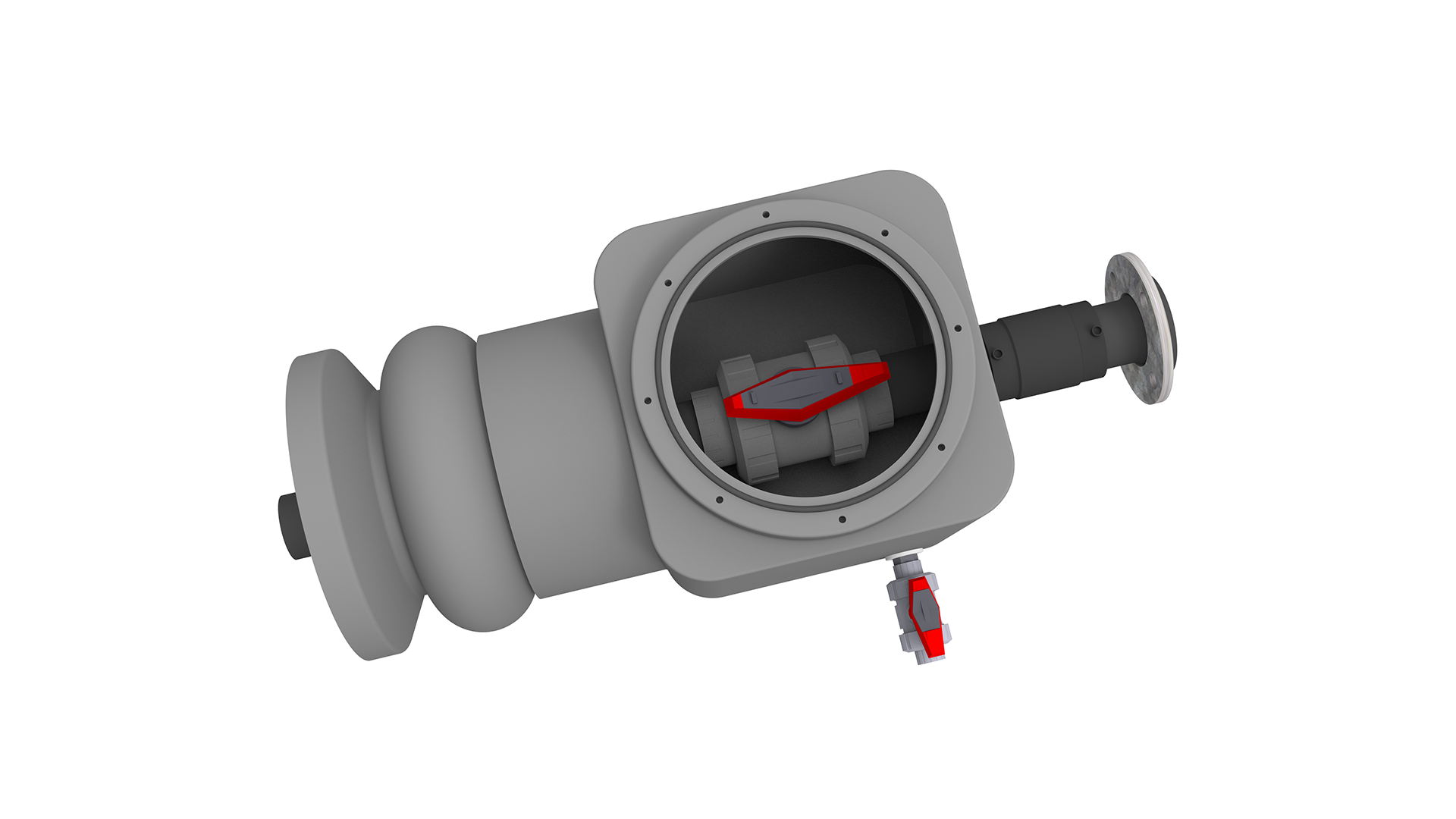
Built-in secondary containment for sites without an existing bund – ideal for storing acids and alkalis where a spill cannot be allowed to reach soil or drains. Suits recirculated and batch systems.
View Product
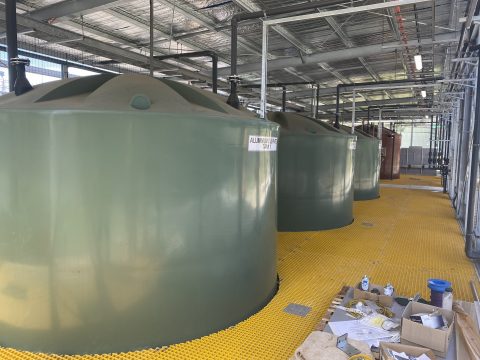
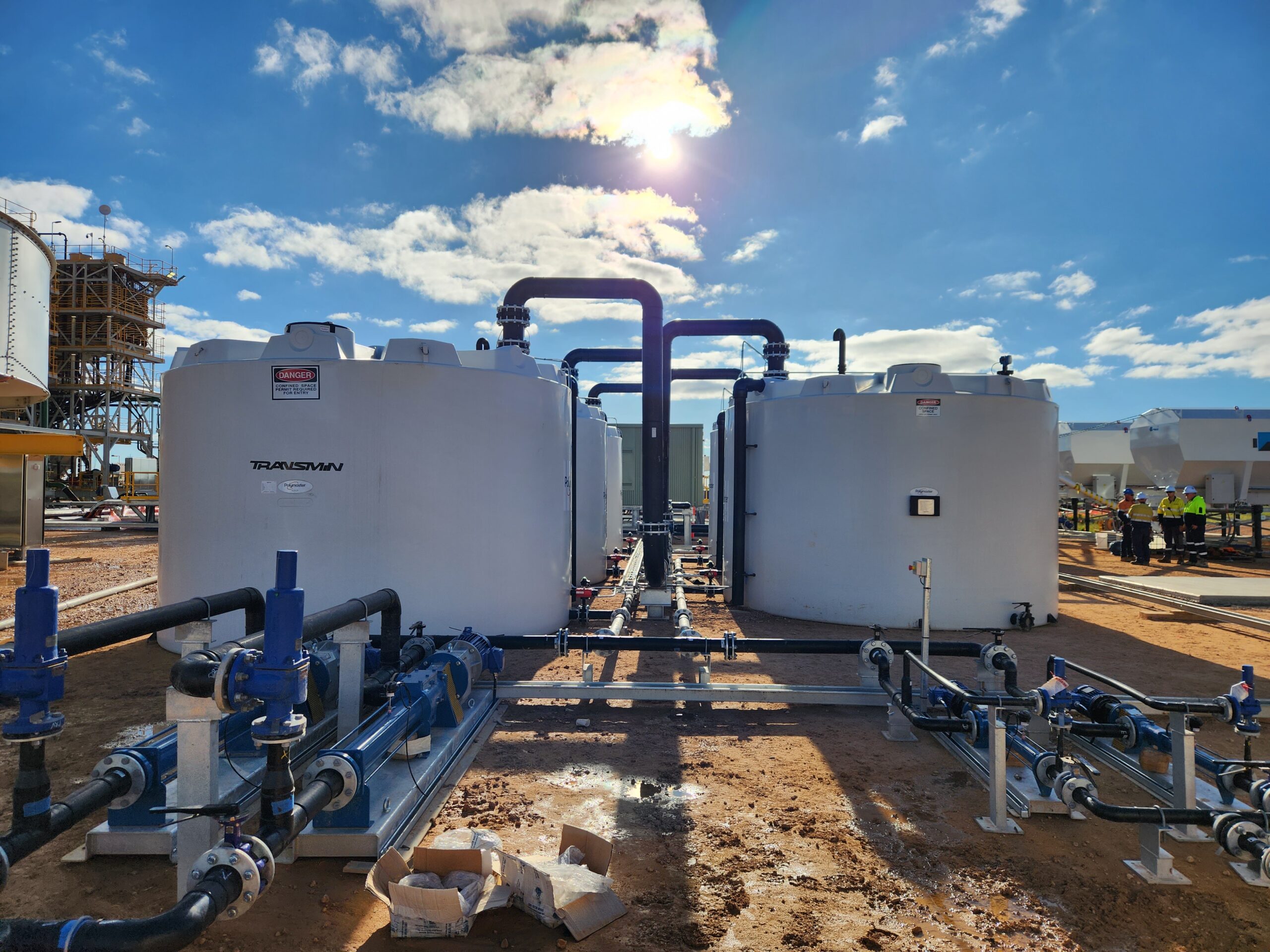
Single-Walled Chemical Process Tanks
Cost-effective bulk storage for sites that already have bund infrastructure. A common choice for recirculated and batch dosing where large chemical volumes are held.
View Product
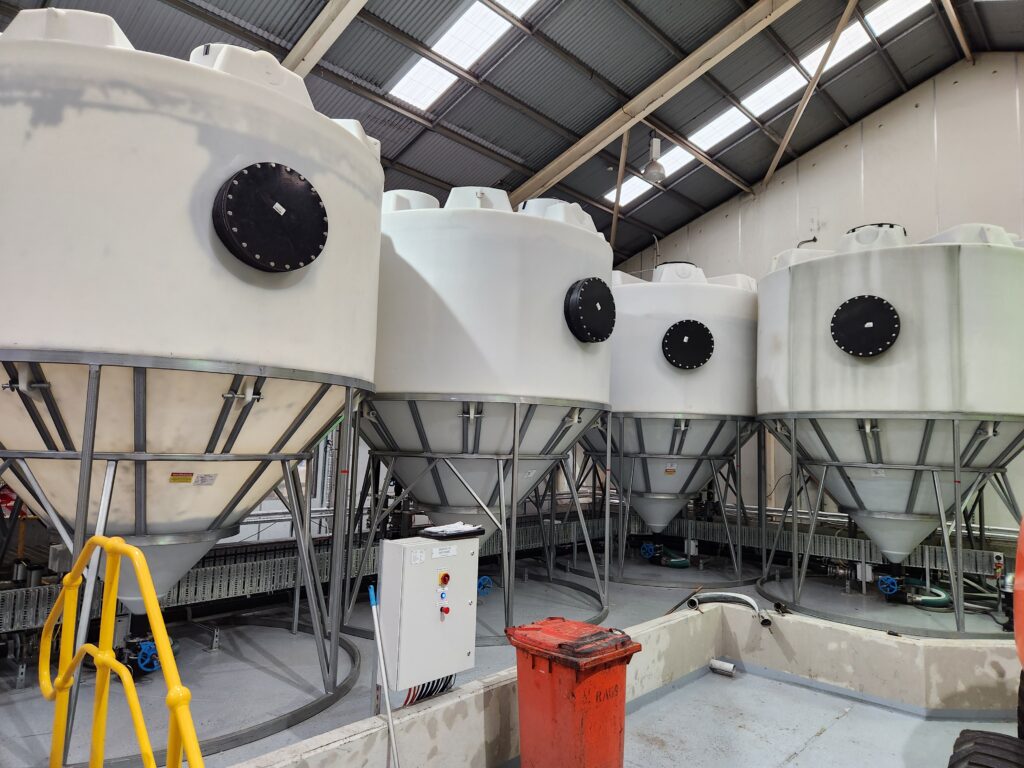
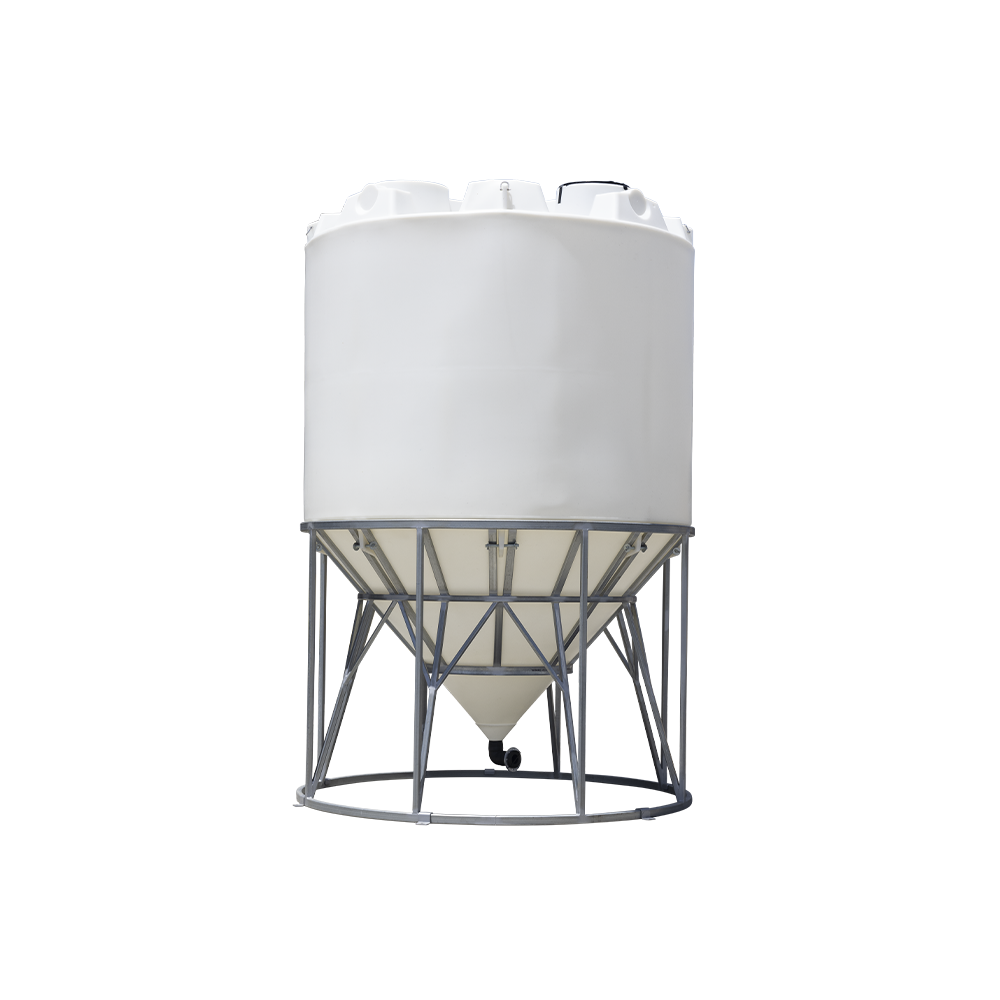
Sludge Control Cone-Bottom Tanks
Cone-bottom design keeps precipitated solids moving toward the outlet, which suits the clarification and settling stage of a staged correction process.
View Product
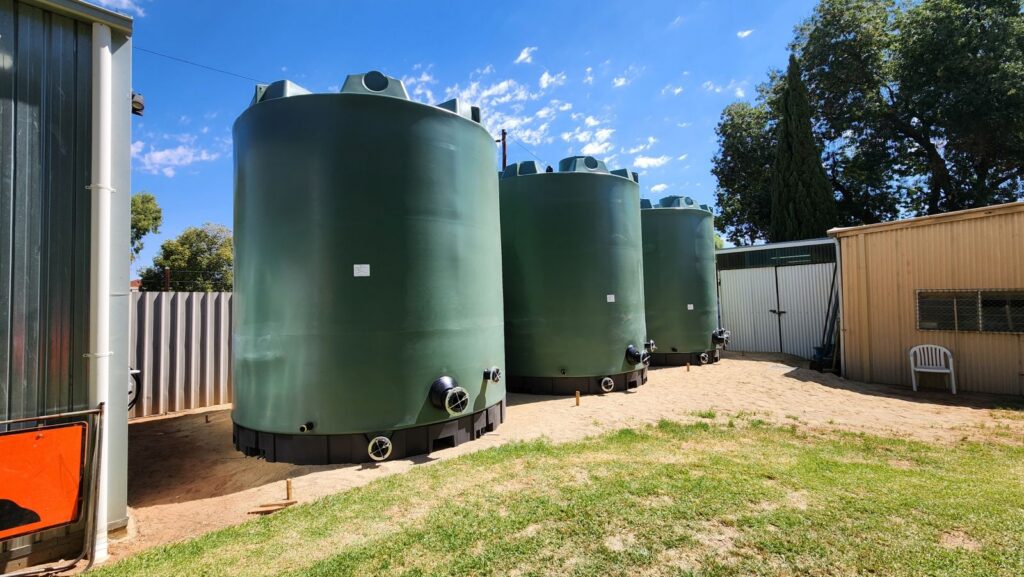
Self-Draining Tanks
Full drain-down for clean-outs and chemical changeovers, reducing residue between batches.
View Product
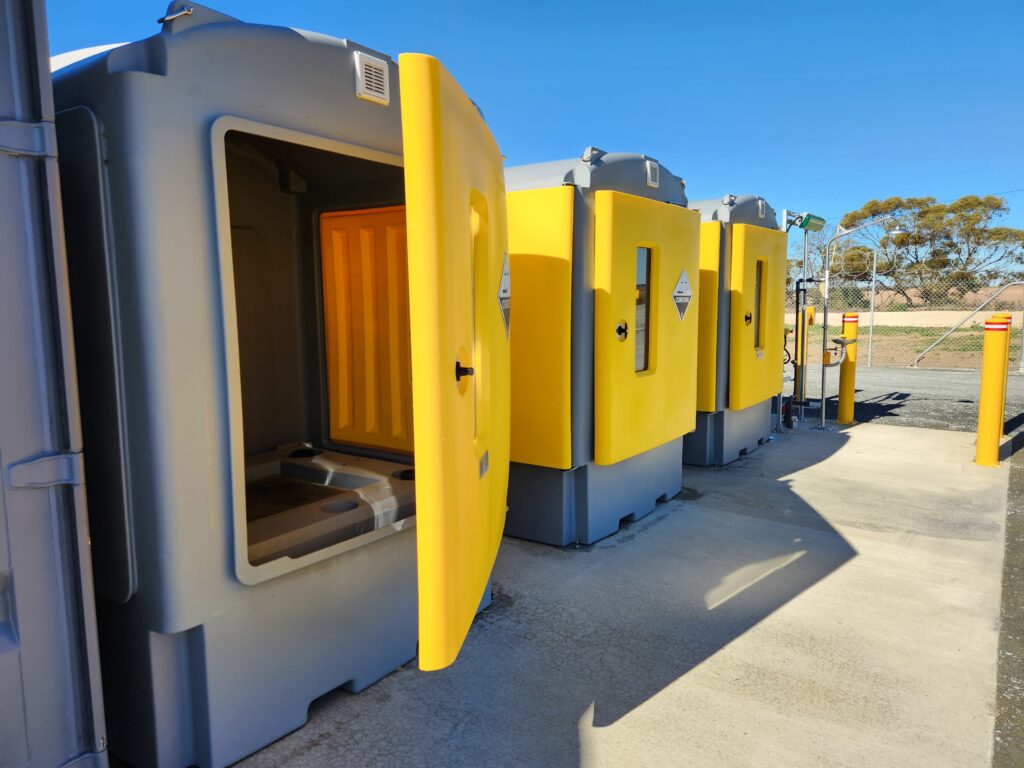
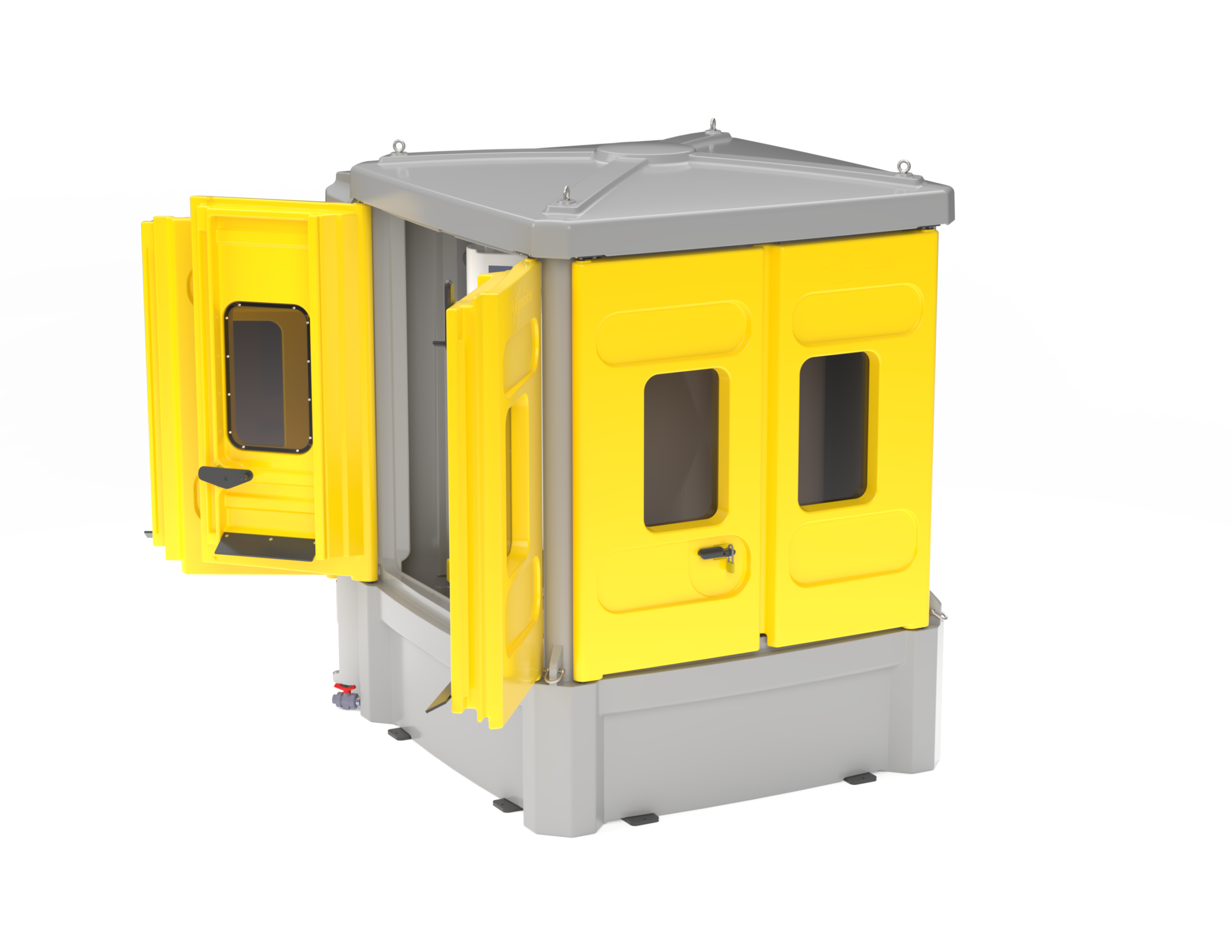
IBC Bund
Enclosed containment for IBC-based chemical storage – a practical fit for smaller inline or flow-paced dosing setups that do not need bulk storage.
View Product
DOSING METHODS
Where is Chemical Disinfection Used?
The right method depends on flow rate, how much correction is needed, and whether treatment happens in stages or continuously. The method also determines the size and type of storage tank the system needs.
CHEMICALS USED
Chemicals Used in pH Correction
The chemical depends on whether you are raising or lowering pH. Polymaster stores the liquid dosing chemicals used across these applications.
- Caustic soda (sodium hydroxide) – raises pH.
- Sulphuric acid – lowers pH.
- Hydrochloric acid (HCl) – lowers pH.
- Soda ash (sodium carbonate) – raises pH.
- Magnesium hydroxide (MHL) – raises pH.
WHO USES IT
Industries That Use pH Correction
pH correction shows up wherever water is treated before discharge or reuse. The most common sectors are:
- Water utilities and wastewater treatment – correcting effluent to discharge limits
- Food and beverage processing – neutralising acidic or caustic process water and clean-in-place effluent
- Dairy – correcting wash-down and processing wastewater before discharge
- Mining and mineral processing – neutralising acidic or alkaline process streams
- Breweries – bringing high-strength, variable-pH trade waste into range
COMPLIANCE & CERTIFICATION
Compliance and Certification
pH correction is a compliance-driven application, so the storage behind it has to hold up. A few points worth knowing:
- Discharge limits. Water authorities and the EPA set pH limits for trade waste and environmental discharge, commonly around pH 6 to 9. The exact figure is defined by your trade waste agreement or discharge licence, and penalties apply if releases fall outside it.
- Tank certification. Polymaster’s chemical storage tanks are certified to AS/NZS 4766:2020, the Australian standard for polyethylene storage tanks for water and chemicals (licence numbers BMP657671 and BMP650824).
- Chemical-grade construction. Tanks are moulded from UV-stabilised, chemical-grade polyethylene engineered for aggressive chemicals, with a 25-year design life and broad chemical compatibility – including strong acids and alkalis used in pH correction.
RELATED SOLUTIONS
Related Solutions
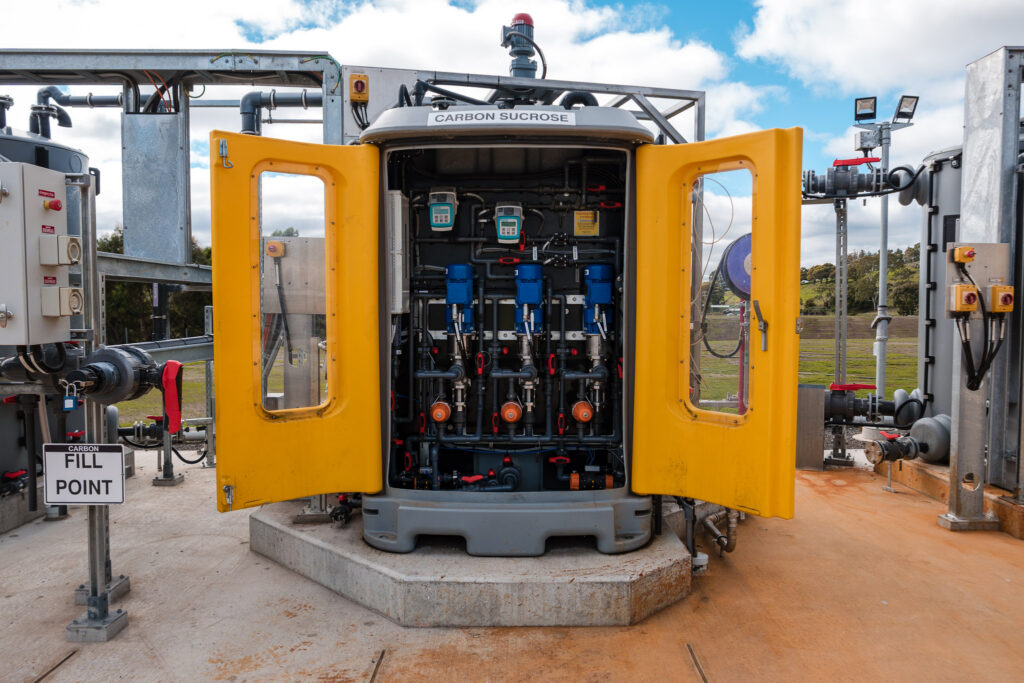
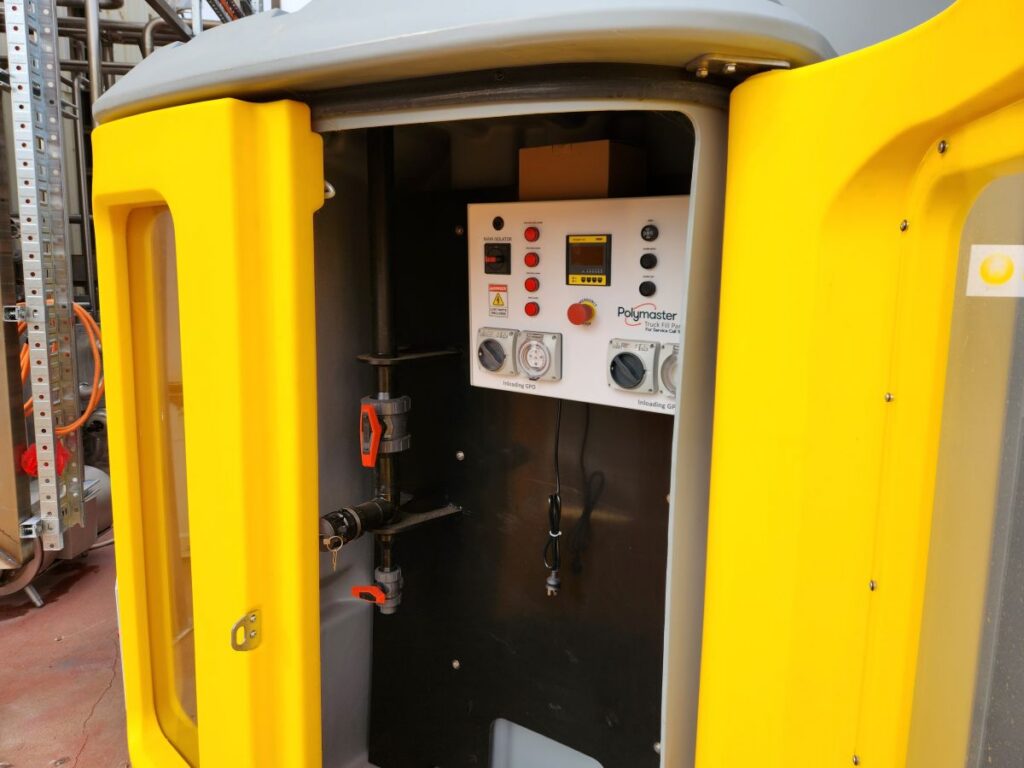
pH correction usually sits alongside other chemical handling on site. Related Polymaster ranges:
FAQs
Frequently Asked Questions about pH Correction
What is pH correction in water treatment?
pH correction is the process of raising or lowering the pH of wastewater or process water so it meets a safe, compliant range before discharge or reuse. It is also called pH neutralisation or pH adjustment. Acidic water is corrected by dosing an alkali; alkaline water is corrected by dosing an acid.
What chemicals are used for pH correction?
To raise pH (treat acidic water), the common chemicals are caustic soda (sodium hydroxide), soda ash (sodium carbonate), and magnesium hydroxide. To lower pH (treat alkaline water), sulphuric acid and hydrochloric acid are most common. The choice depends on how far the pH needs to move, cost, and how much sludge the reaction produces.
What is the difference between pH correction, pH neutralisation, and pH adjustment?
They describe the same thing – bringing water to a target pH by dosing an acid or alkali. “Neutralisation” is often used when the goal is close to neutral (pH 7); “correction” and “adjustment” are used more broadly for bringing water into a required range, which may not be exactly neutral.
What pH does water need to be before it can be discharged?
Trade waste and environmental discharge limits commonly sit around pH 6 to 9, but the exact range is set by your local water authority or trade waste agreement and varies by site and state. Check your discharge licence for the figure that applies to you.
What size tank do I need for a pH correction system?
It depends on the dosing method and flow. Batch and recirculated systems generally need bulk chemical storage tanks sized to your chemical usage and delivery cycle. Inline or flow-paced dosing often runs from a smaller dosing tank or an IBC bund. Polymaster’s team can help match tank type and size to your setup.
Can acids and alkalis be stored in polyethylene tanks?
Yes. Polymaster’s chemical-grade polyethylene tanks are certified to AS/NZS 4766 and are compatible with a wide range of chemicals, including strong acids and alkalis used in pH correction such as sulphuric acid and caustic soda. Specific chemical compatibility can be confirmed by Polymaster’s engineering team before you order.
Do I need a bunded tank for pH correction chemicals?
If your site does not already have bund infrastructure, a self-bunded tank provides built-in secondary containment so a leak or spill is captured rather than reaching soil or drains. Where an existing bund is in place, a single-walled tank may be sufficient. Containment requirements depend on the chemical and your site conditions.