

Home Chemical & Industrial Chemical Storage Tanks Chemicals Sulphuric Acid
Sulphuric Acid Storage
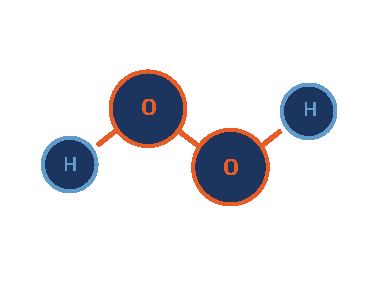
Sulphuric Acid, with the chemical formula H2SO4, is a highly corrosive acid used in fertiliser production, mineral processing and wastewater treatment. Polymaster supplies storage and dosing solutions engineered to contain its corrosive nature.
OVERVIEW
What is Sulphuric Acid?
Sulphuric Acid is a highly corrosive, dense, and oily liquid with the chemical formula H2SO4. It is one of the most widely used chemicals in the world and plays a critical role in a variety of industrial processes. Sulphuric Acid is colourless to slightly yellow in its pure form and is soluble in water with the release of heat.
As a strong acid, it is used in the production of fertilisers, in mineral processing, in wastewater treatment, and in the manufacture of chemicals. Sulphuric Acid is also used in batteries, particularly in lead-acid batteries found in vehicles. At Polymaster, we provide specialised storage and handling solutions for Sulphuric Acid to ensure safety and efficiency in industrial applications. Due to its highly corrosive nature, proper storage is essential to prevent leaks and ensu
What material is compatible with Sulphuric Acid storage?
2SG Chemical Grade (octene) PE.
Polymaster’s tanks with 2SG chemical grade (octene) PE are built for high-density chemical storage. The octene PE enhances the tanks’ chemical resistance and strength, making them suitable for storing aggressive chemicals. The 2SG rating allows for the storage of denser chemicals, ensuring reliable containment. These tanks undergo rigorous testing, including hydro testing, to meet the highest safety and performance standards. Polymaster’s 2SG octene PE tanks are ideal for industries that require strong and durable chemical storage solutions.
CHEMICAL DOSING SOLUTIONS
Chemical Dosing Solutions
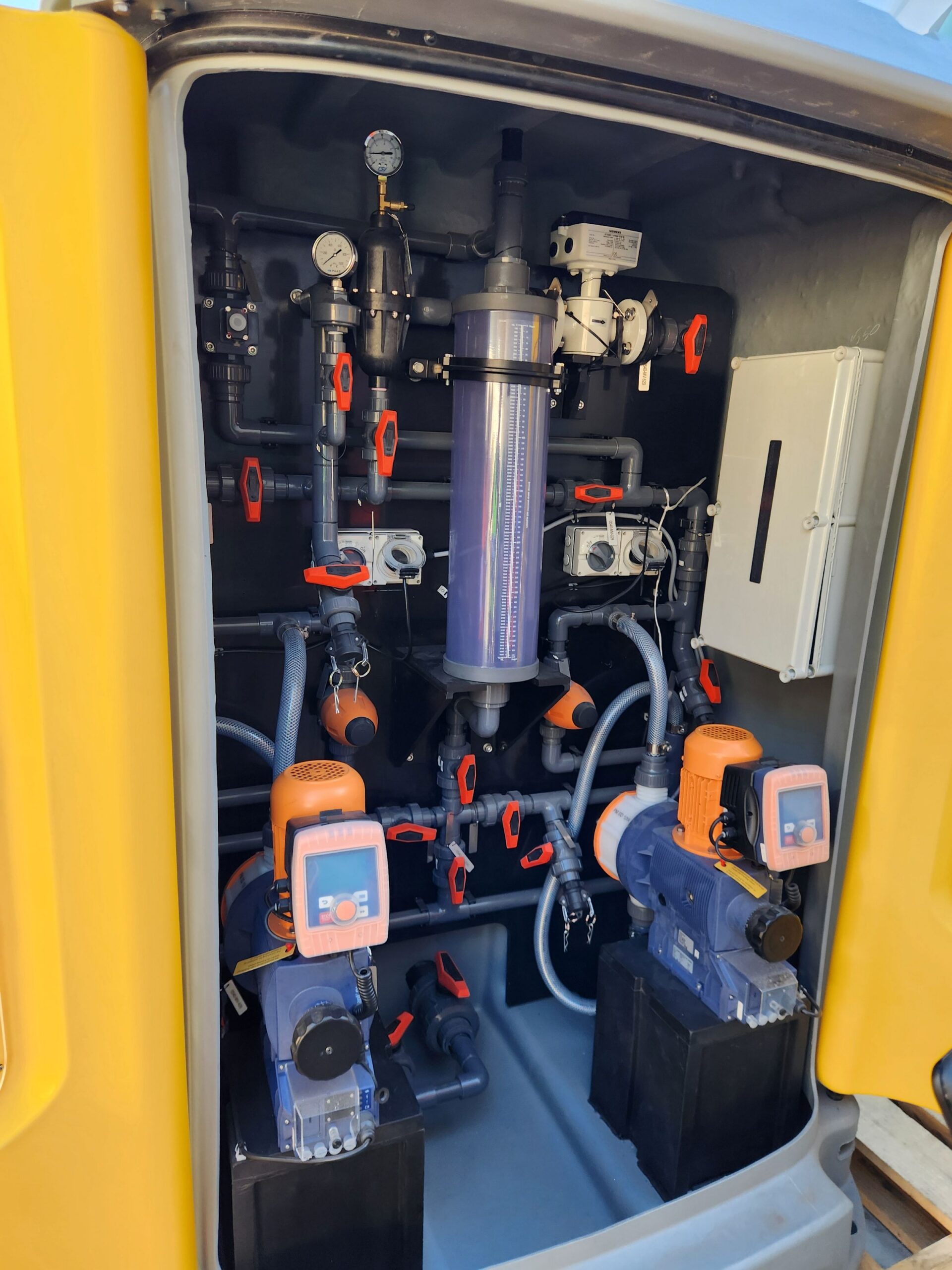
Pre-engineered Dosing Systems
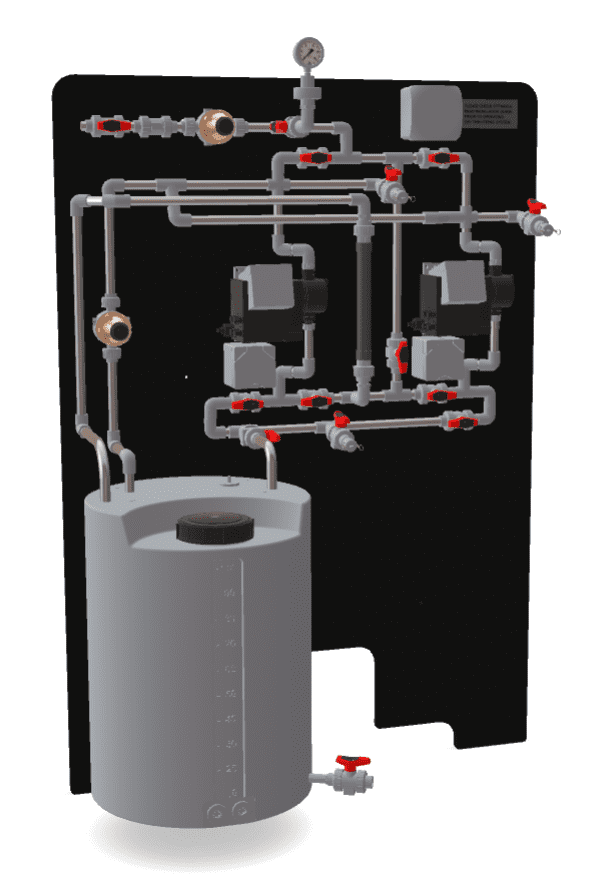
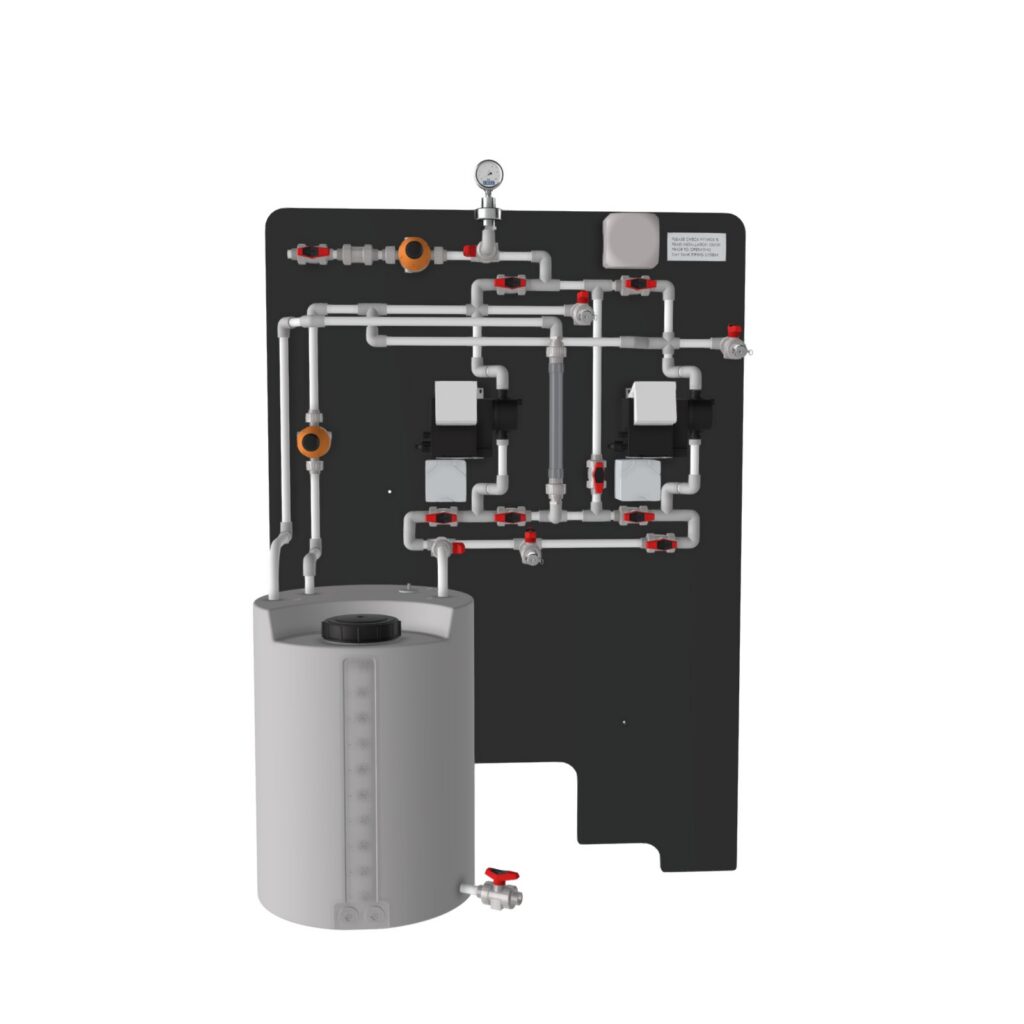
Our pre-engineered dosing systems are designed for precise and efficient dosing of Aluminium Chlorohydrate. These systems are pre-engineered to offer a dosing range which is off-the-shelf and suitable across a wide range of industries. To configure a pre-engineered dosing system suitable for your application, this range offers:
Key Features:
- Pump Arrangements: Duty or Duty/Standby pump arrangements.
- Pump Options: 7.5 LPH @ 16 bar up to 200 LPH @ 4 bar – Grundfos DDA Dosing
- Pumps.
Pipework and Valves: +GF+ sch80 pipework and valves. - Cables and Junction Box: Control Cables and Junction Box.
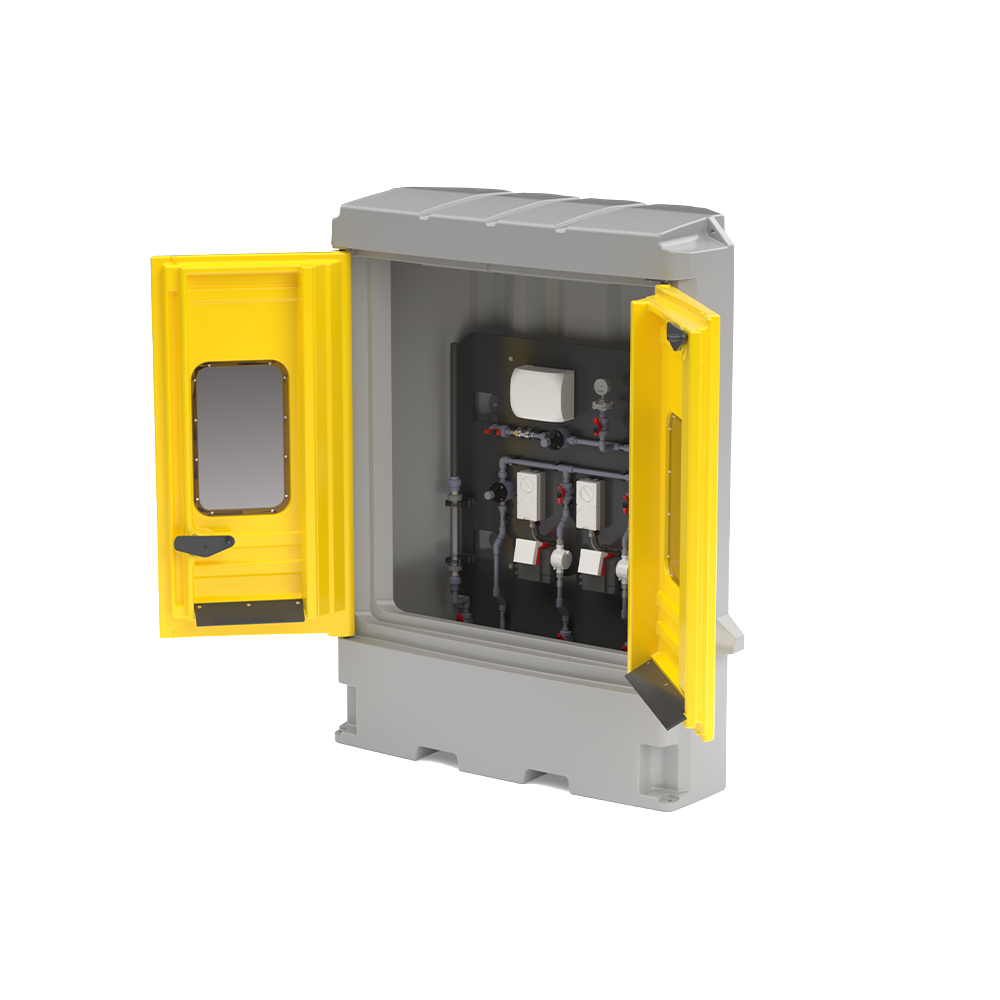
- Mounting: These dosing systems are typically mounted inside the Double Door Cabinet and can be integrated to the side of a storage tank or standalone.
- Documentation: Detailed drawings, datasheets and step files available for these systems.
View Product
Custom Dosing Systems
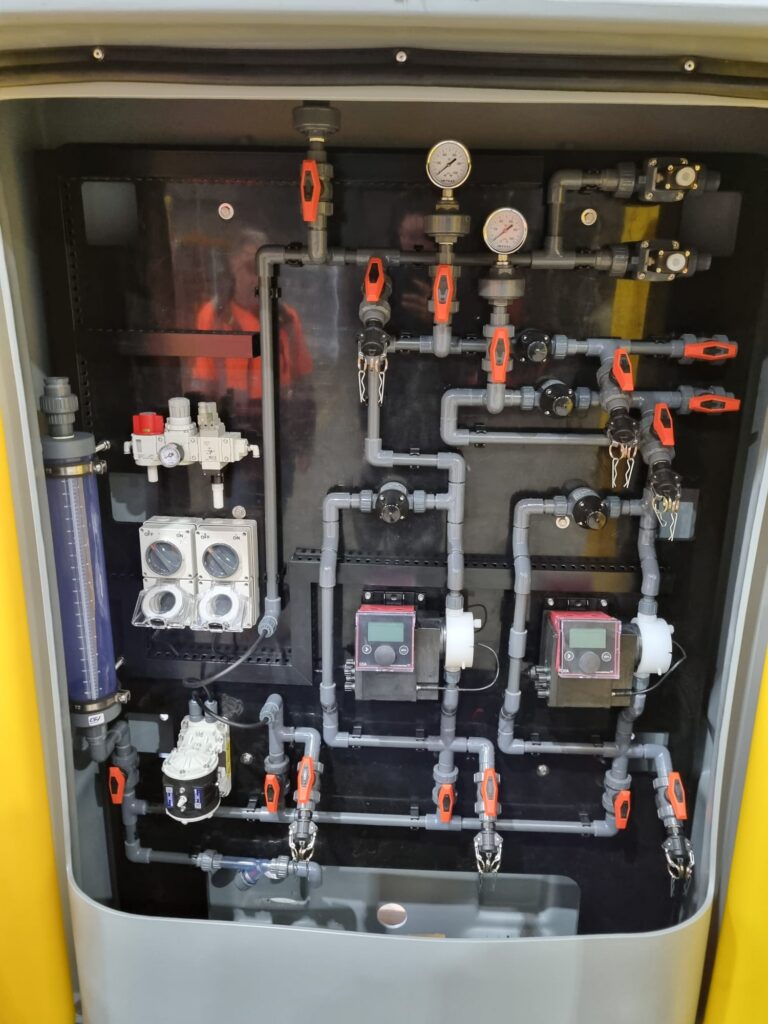
Our custom dosing systems are tailored to meet the unique requirements of your specific applications. Polymaster builds custom dosing systems to match client-supplied P&ID’s and we follow the end-users’ specifications, such as a Water Utilities technical specification.
Key Features:
- Customised Systems: Systems built to your specifications.
- Precision Dosing: Advanced pumps and controls for accurate chemical delivery.
- Integration: Seamless integration with your current processes and systems.
- Safety and Compliance: Designed to meet all relevant standards and end-user specifications.
- Large Systems: We can build large systems for large-scale applications.
View Product
CHEMICAL SOLUTIONS
Tanks for Sulphuric Acid Storage
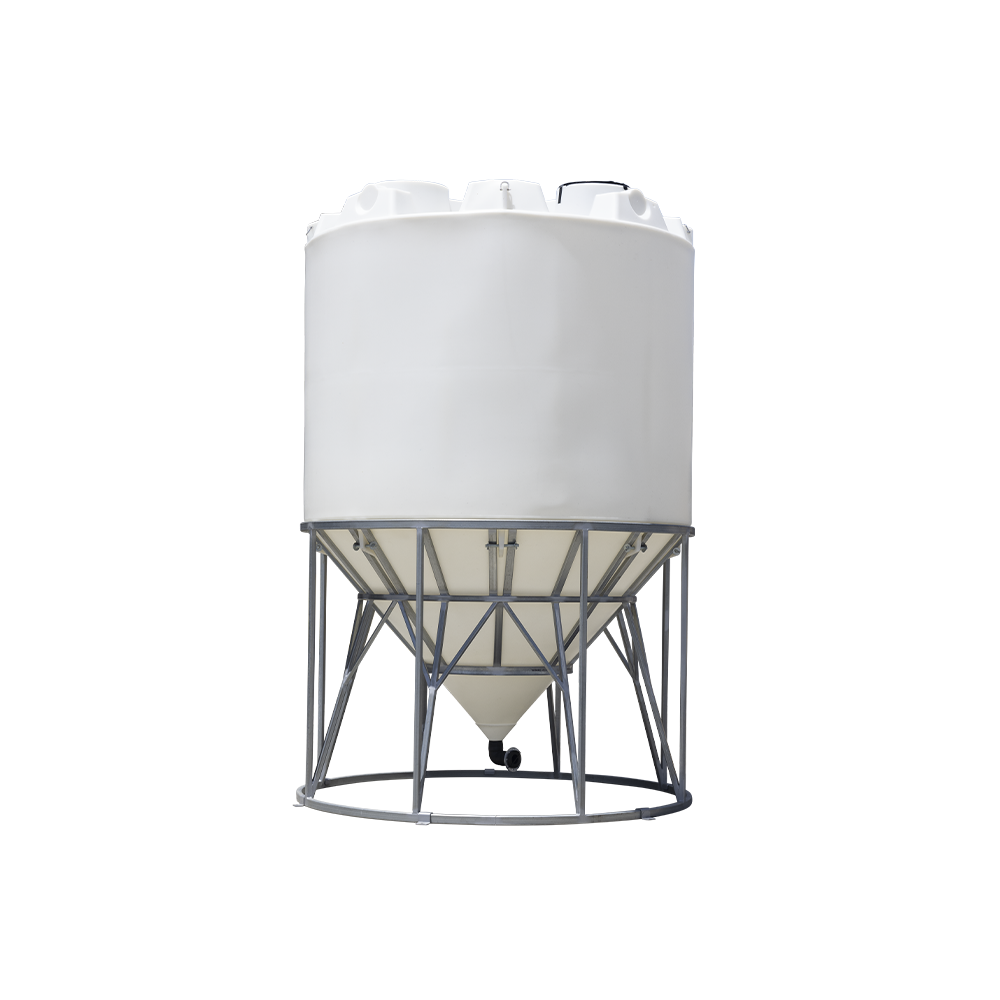
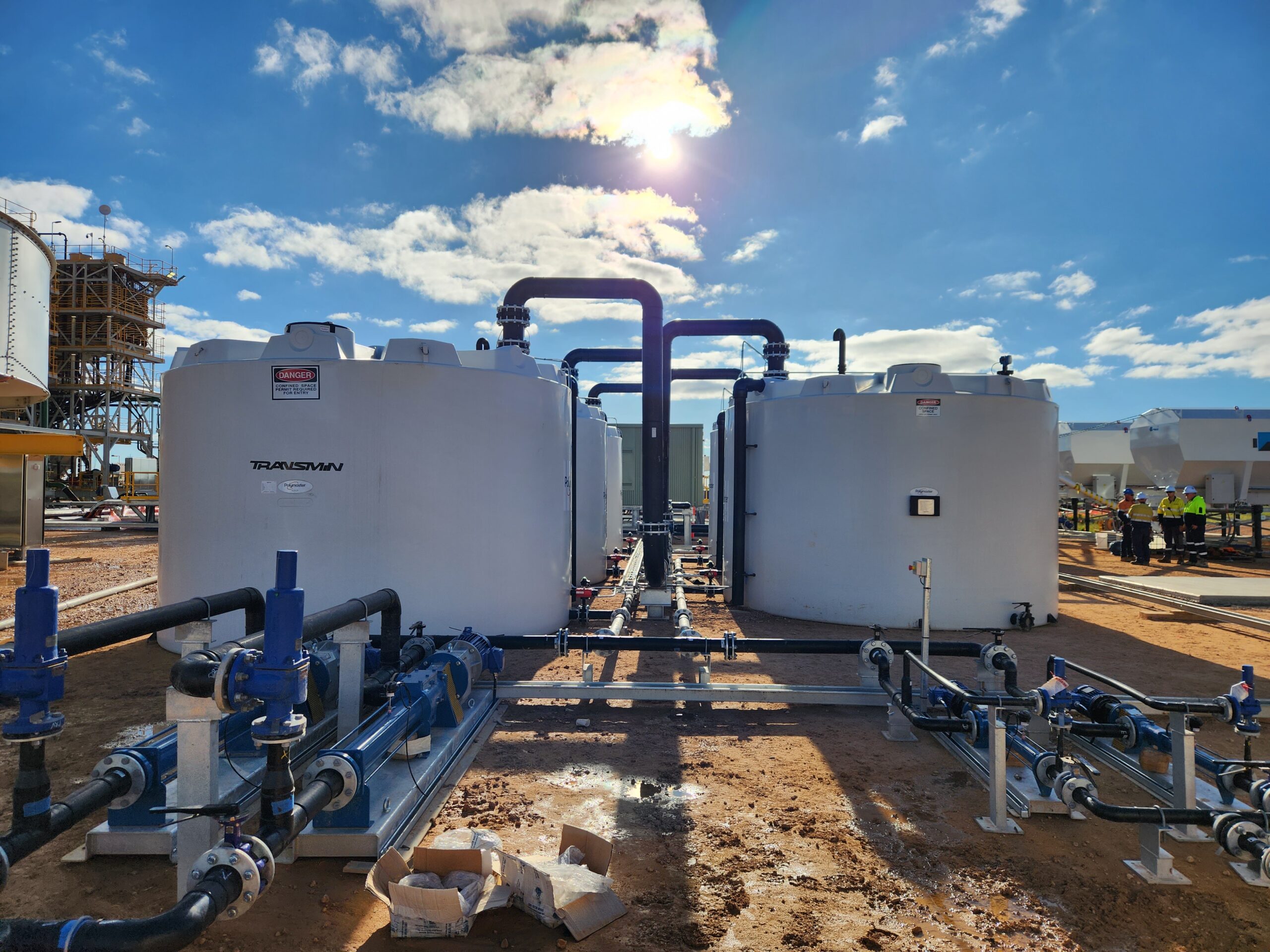
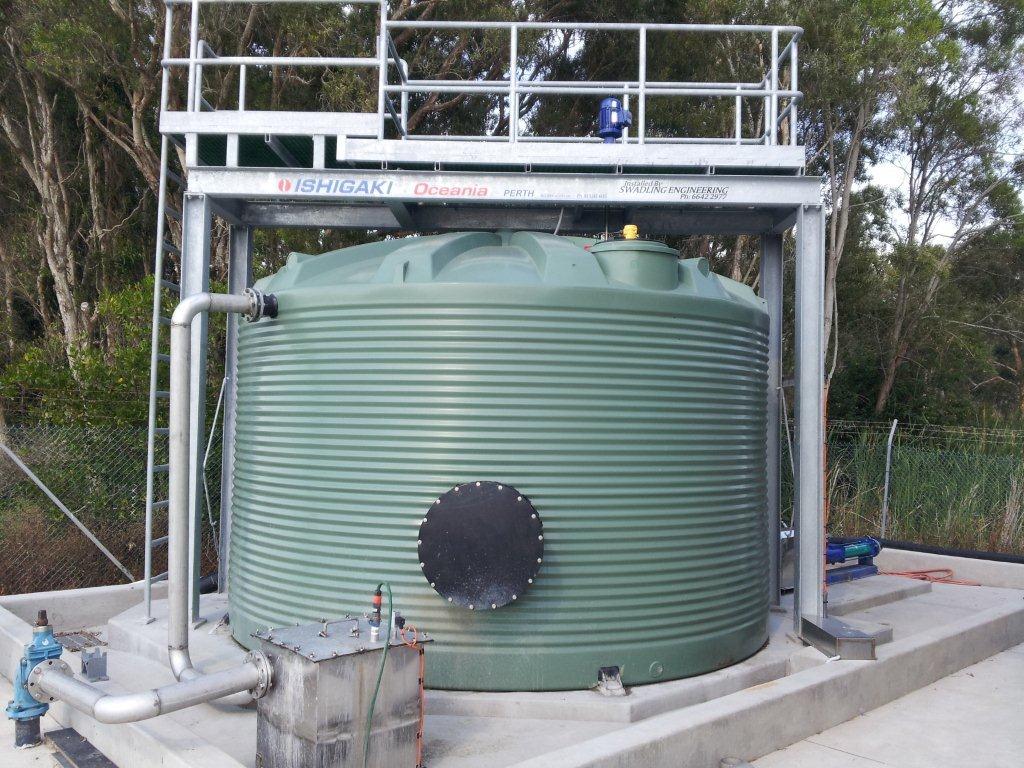
Polymaster’s Self-Bunded range is the ultimate storage solution for Sulphuric Acid. This range incorporates the bund with the storage tank, providing a bund capacity of 110% of the internal storage tank. In the unlikely event of a leak, this design prevents chemicals from coming into contact with the environment and personnel. Polymaster’s chemical tanks are not rainwater tanks and follow strict QA processes, such as hydro testing each tank to ensure they are 100% leak-proof.
110L Chemical Dosing Skid
110L Chemical Dosing Skid
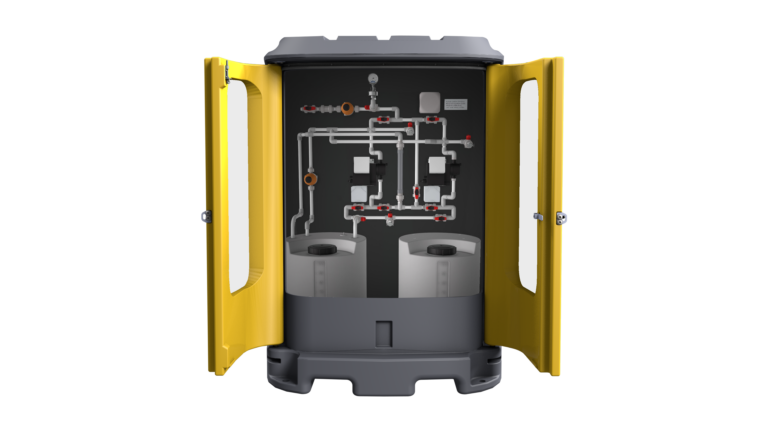
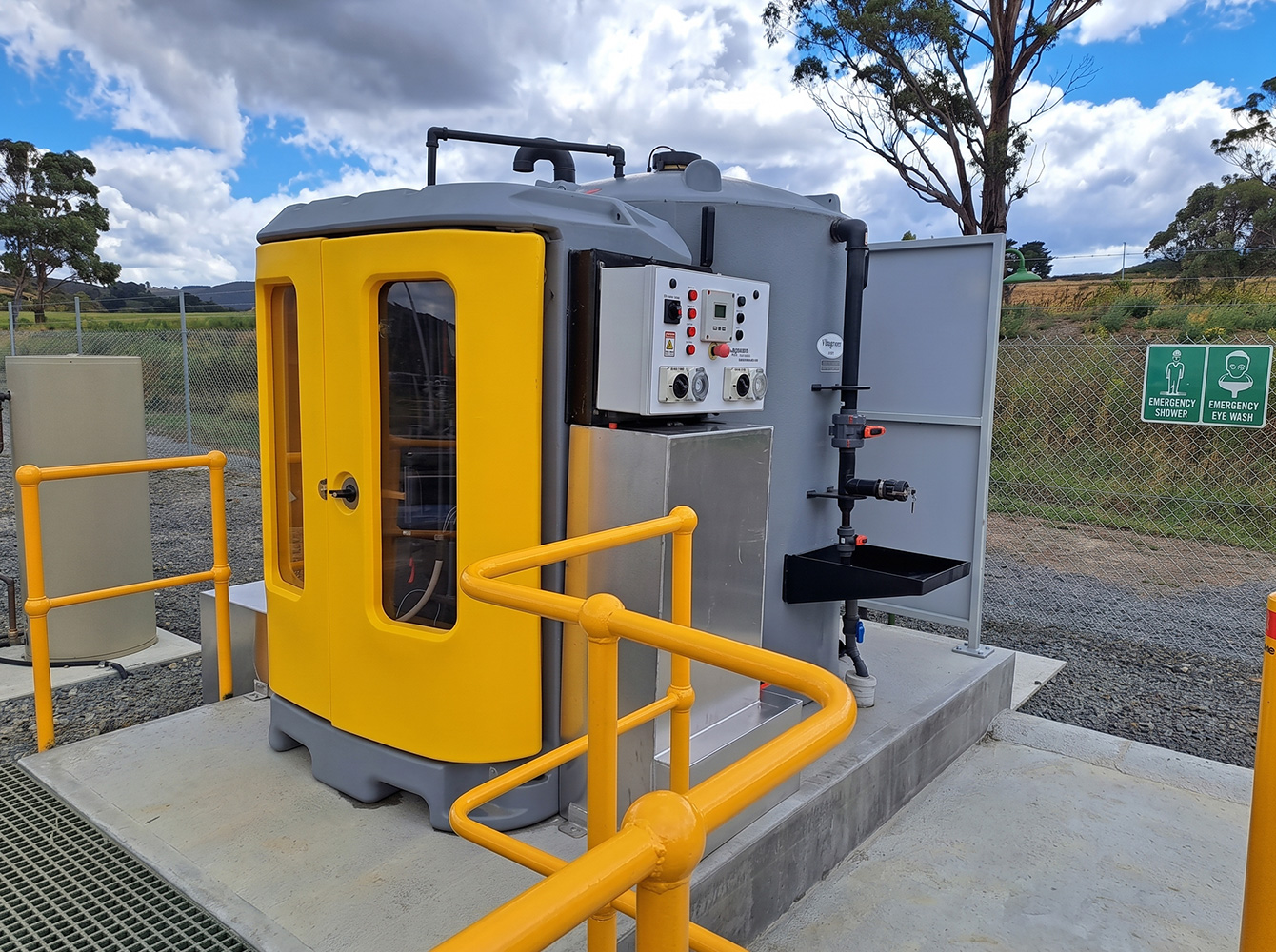
The 110ltr Dosing Skid is designed for small or remote treatment plants. This unit is setup inside the Polymaster the Double Door Cabinet, making it portable and versatile for different applications.
220L Chemical Dosing Skid
220L Chemical Dosing Skid
The 220L Dosing Skid offers extra capacity over the 110L unit while retaining the same compact, easy-to-manage footprint. It’s suited to applications with slightly higher dosing demand, without the space or handling requirements of a full-scale storage tank.
Enclosed IBC Bund
Enclosed IBC Bund
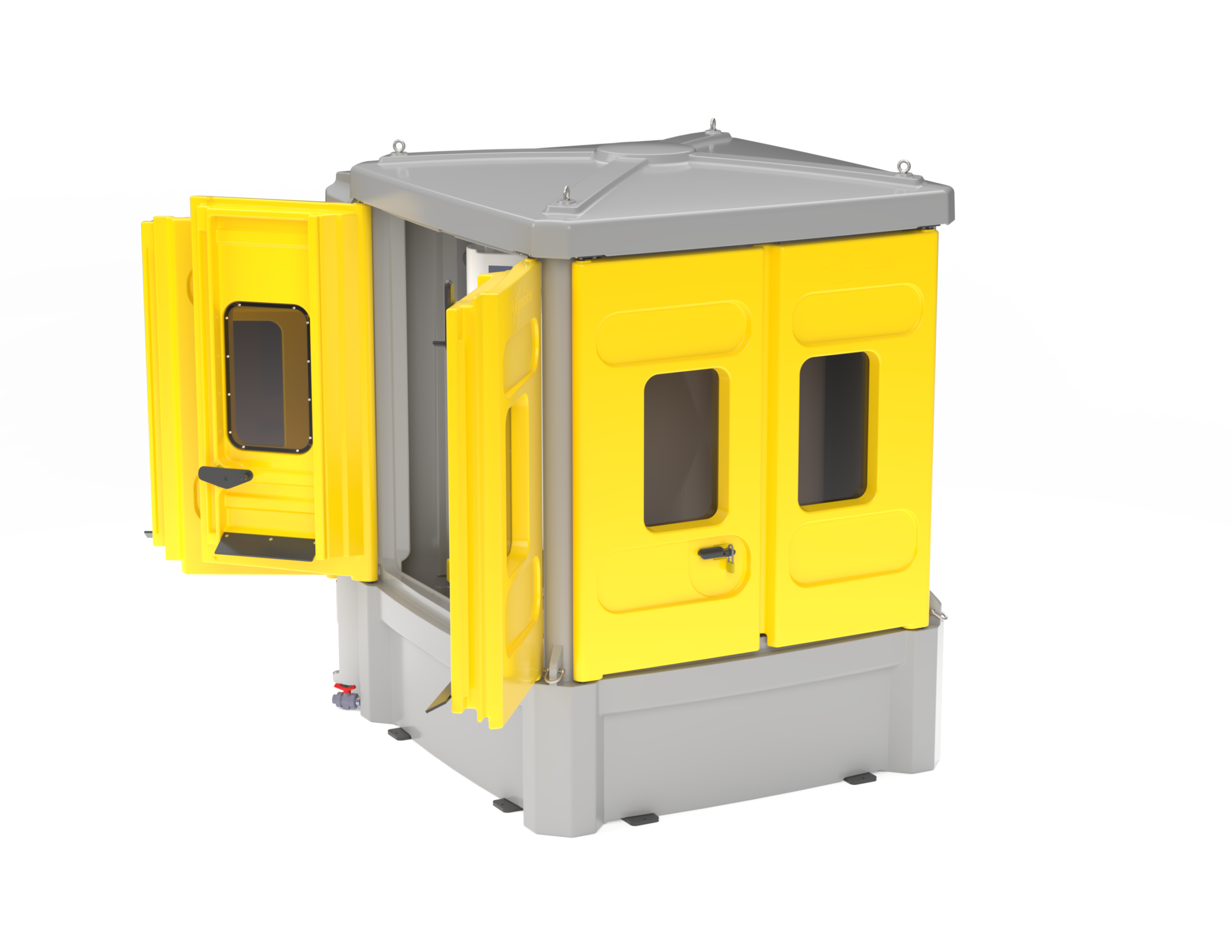
All Weather Polyethylene IBC Storage & Dispensing.
Polymaster’s unique Enclosed IBC Bund solves many of the problems associated with IBC storage and chemical/fluid decanting in a weather-resistant, purpose-built enclosure.
1,500L Bunded Chemical Tank
1,500L Bunded Chemical Tank
Polymaster’s smallest self-bunded tank, built for sites with tighter footprints or lower-volume chemical use. At 1170mm diameter it’s the most compact in the range, still delivering a fully engineered tank-within-a-tank design with 110% bund capacity, a 25-year design life, and compatibility across 1,965+ chemicals.
2,300L Bunded Chemical Tank
2,300L Bunded Chemical Tank
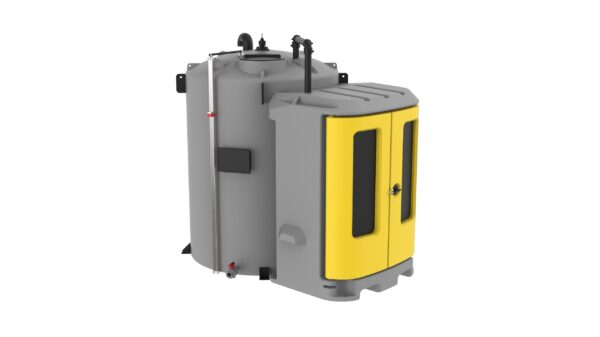
A step up from the 1,500L, the 2,300L self-bunded tank is the first size in the range offered with a double-door cabinet option, giving room to house dosing equipment alongside storage. Same 110% bund capacity and 25-year design life, sized for operations that need a bit more headroom without going bulk.
3,300L Bunded Chemical Tank
3,300L Bunded Chemical Tank
The 3,300L sits comfortably in the mid-range for self-bunded storage, still light enough to be despatched on a pallet and unloaded by forklift or crane with spreader bar. It combines the same tank-within-a-tank containment and 25-year design life as the rest of the range, in a footprint that suits growing operations.
5,000L Bunded Chemical Tank
5,000L Bunded Chemical Tank
At 2200mm diameter, the 5,000L strikes a balance between capacity and handling ease — still within the pallet/forklift-friendly size bracket, but with meaningfully more storage than the smaller tanks. Fully self-bunded to 110% capacity, it’s a common choice where moderate chemical volumes need dependable, low-fuss containment.
10,000L Bunded Chemical Tank
10,000L Bunded Chemical Tank
The 10,000L is the largest self-bunded tank still handled via pallet, forklift, or crane with spreader bar — the practical ceiling before larger units require lifting-plan-specified equipment. It offers substantially more storage while keeping site logistics simple, backed by the same 110% bund capacity and 25-year design life.
13,000L Bunded Chemical Tank
13,000L Bunded Chemical Tank
Moving into the range’s larger tanks, the 13,000L is the first size requiring a dedicated lifting plan for installation, and the first offered in a 1.75 SG rating alongside the standard 1.5 and 2 SG options — giving more flexibility for denser chemicals at higher-volume sites.
21,000L Bunded Chemical Tank
21,000L Bunded Chemical Tank
Built for high-volume chemical storage, the 21,000L offers the same 1.5, 1.75 and 2 SG options as the 13,000L in a significantly larger footprint (3570mm diameter). Installation follows the 13KL–30KL lifting plan, reflecting the scale of equipment needed to safely place a tank this size.
30,000L Bunded Chemical Tank
30,000L Bunded Chemical Tank
The largest tank in Polymaster’s self-bunded range, the 30,000L is built for sites with substantial bulk chemical storage needs. At 3880mm diameter, it carries the same engineering standards as every size below it — 110% bund capacity, 25-year design life — scaled up for maximum single-tank capacity.
HIGHEST QUALITY, CERTIFIED PRODUCTS
Our Tanks are manufactured to the highest Quality & Standards
Quality Assurance
Polymaster is certified for the international standard for quality management ISO9001
Food Grade
Food-grade polyethylene, certified to AS/NZS4020, the Australian standard for drinking water
Product Certification
Manufactured to AS/NZS 4766:2006 for guaranteed peace of mind.
Chemical Grade
Polymaster’s specially formulated PE material grades are certified to safely contain over 2,000 chemicals.
ACCESSORIES
Accessories for Sulphuric Acid Storage
Accessories give you the ability to decanter, store, mix and dispense with ease. We ensure you have a safe and effective solution for storing and dosing aggressive chemicals.
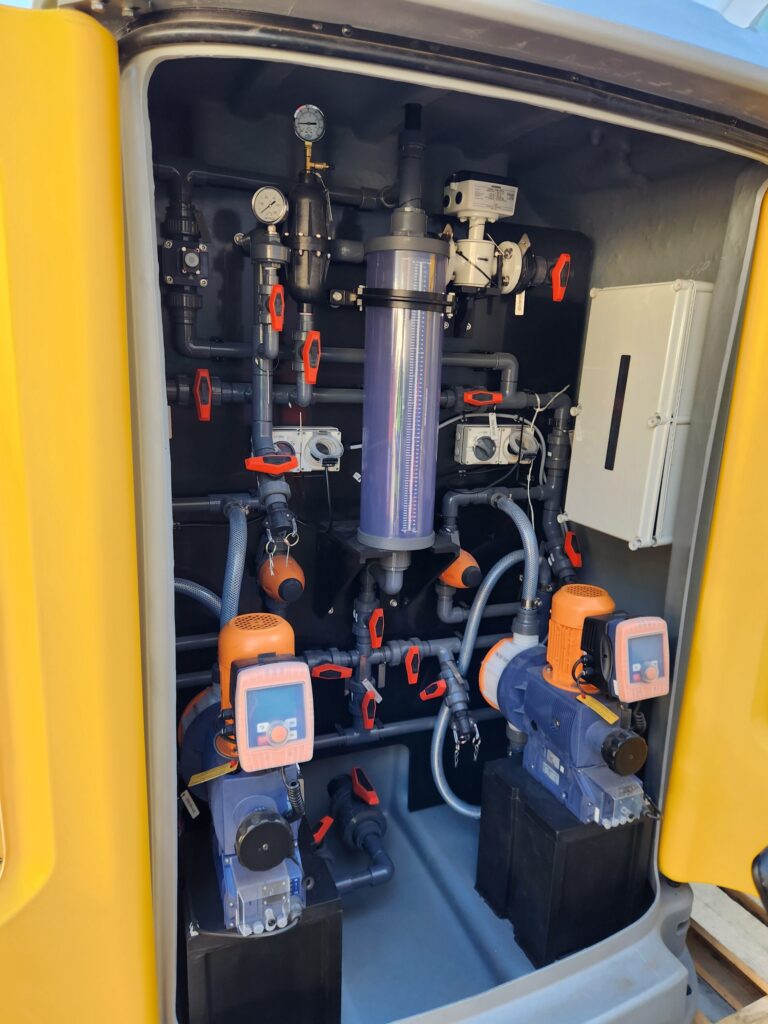
Dosing Skids
Polymaster provides dosing pipework and skids that assist in controlling the flow rate of Aluminium Chlorohydrate used in various treatment setups. These systems ensure precise and efficient chemical dosing.
View Product
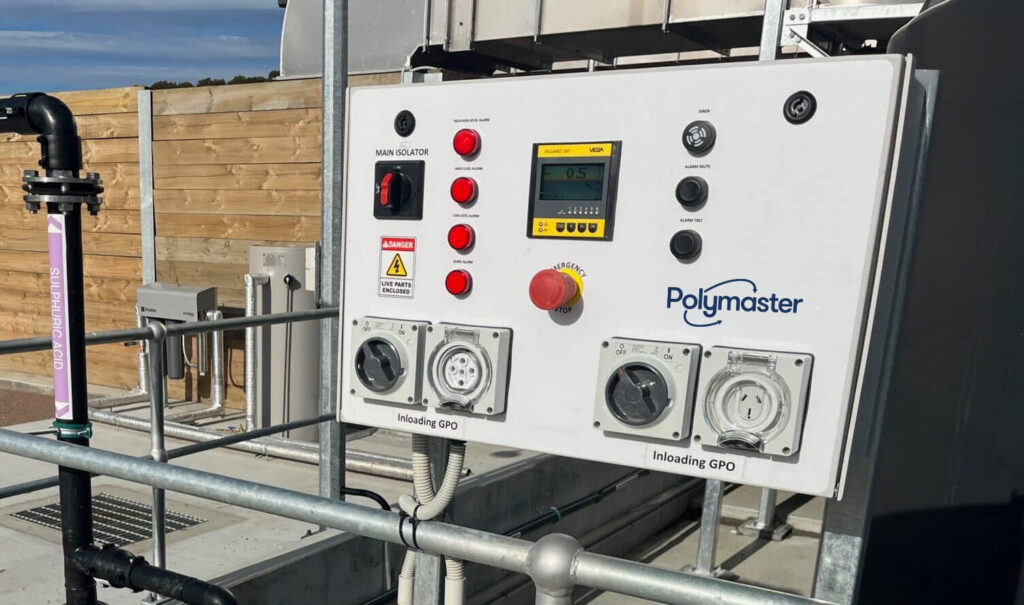
Chemical Filling Stations
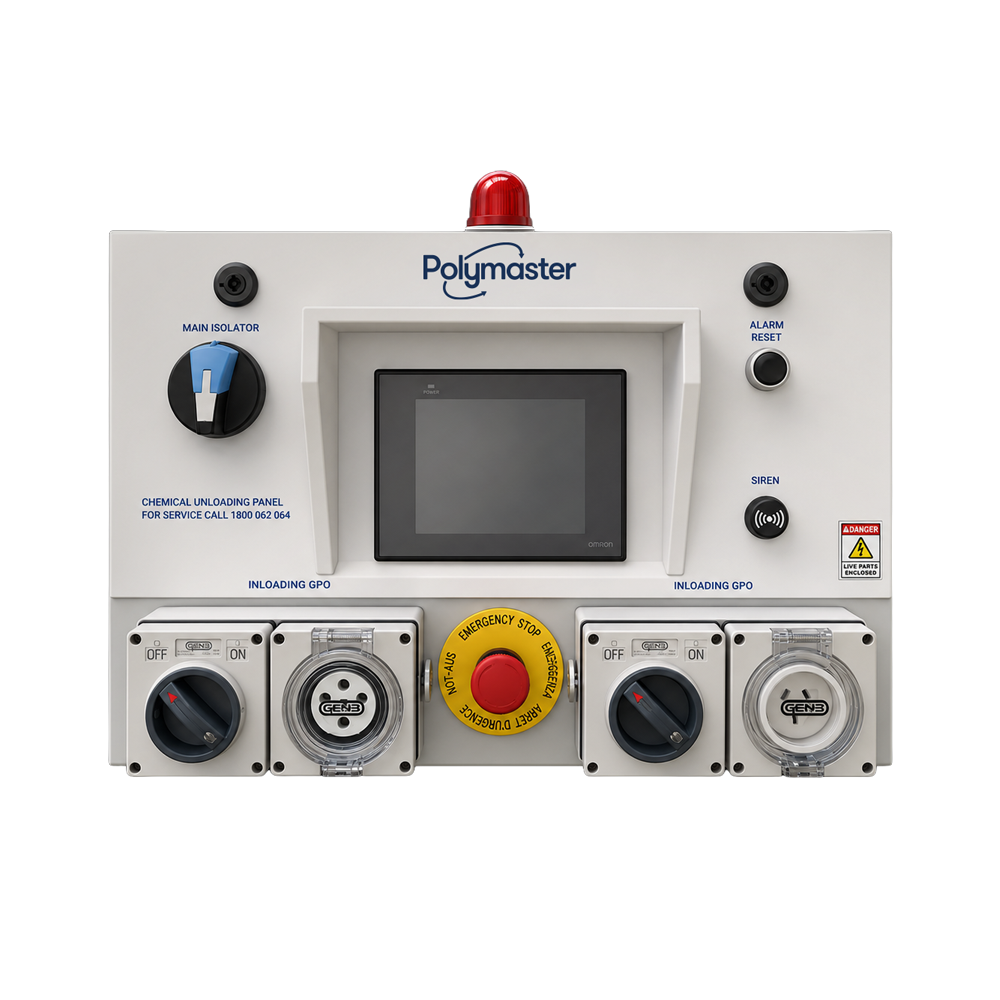
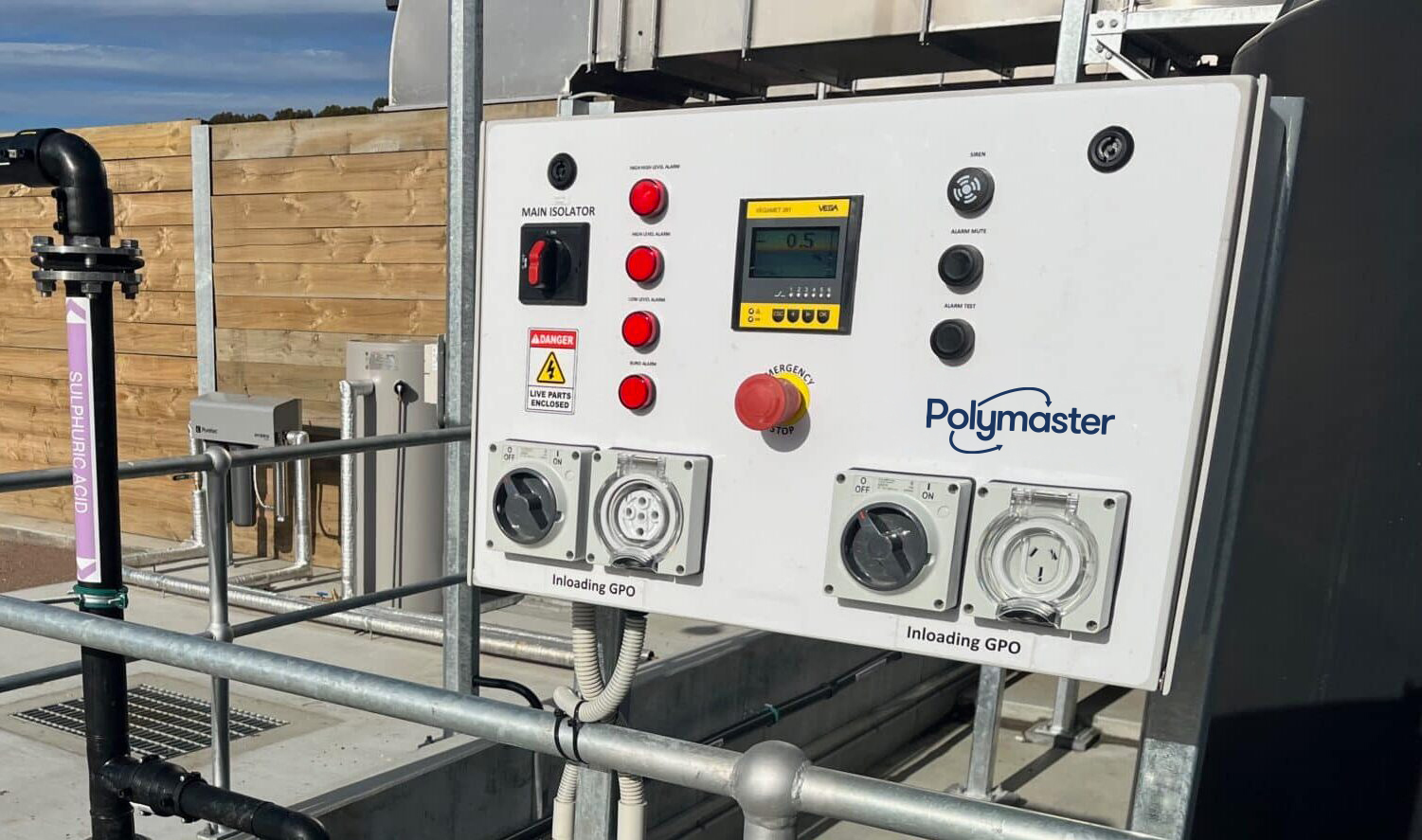
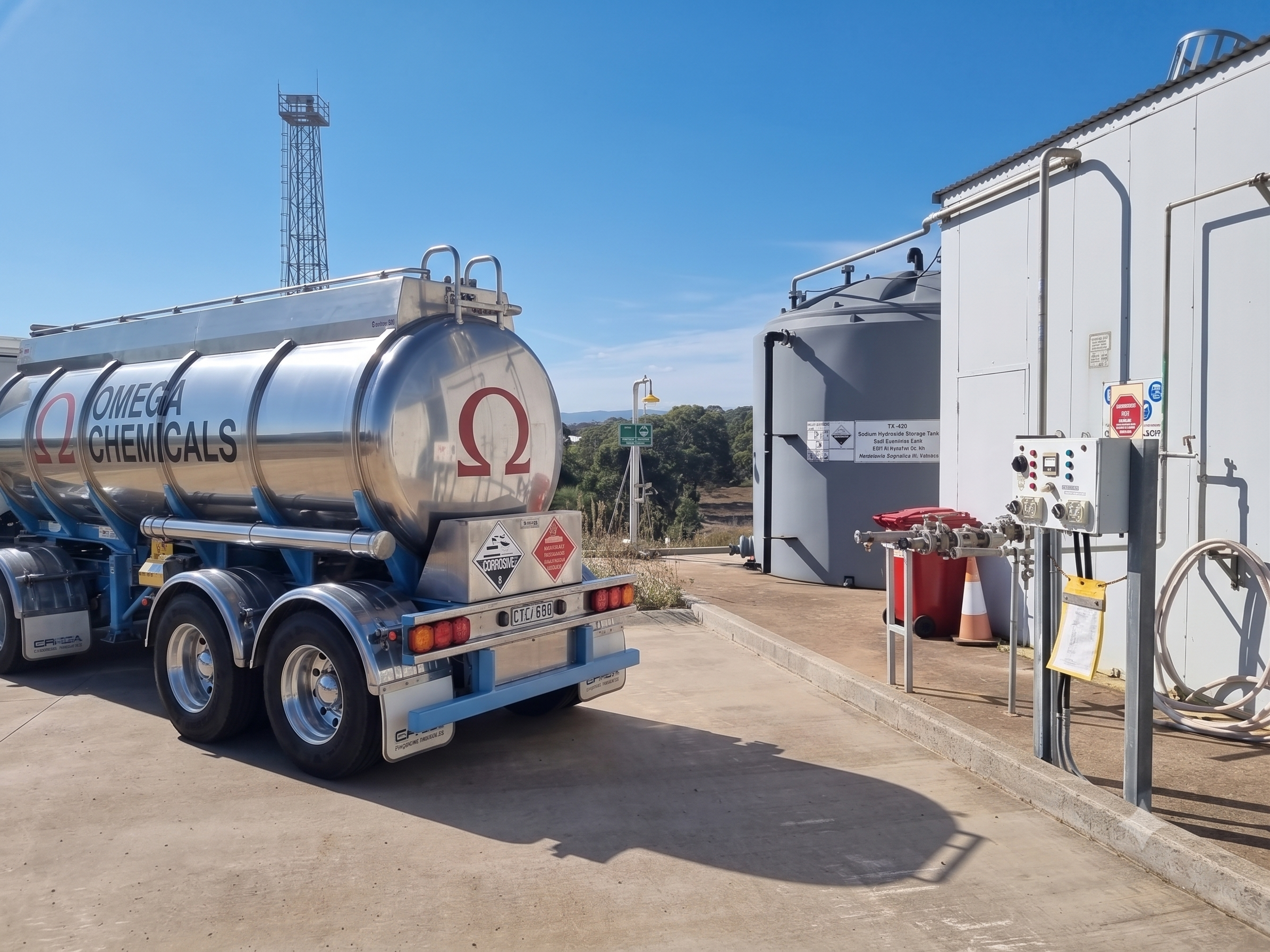
Polymaster’s chemical filling stations offer a safe and efficient solution for unloading Aluminium Chlorohydrate. Designed for ease of use, these panels ensure secure and controlled chemical transfer.
View Product
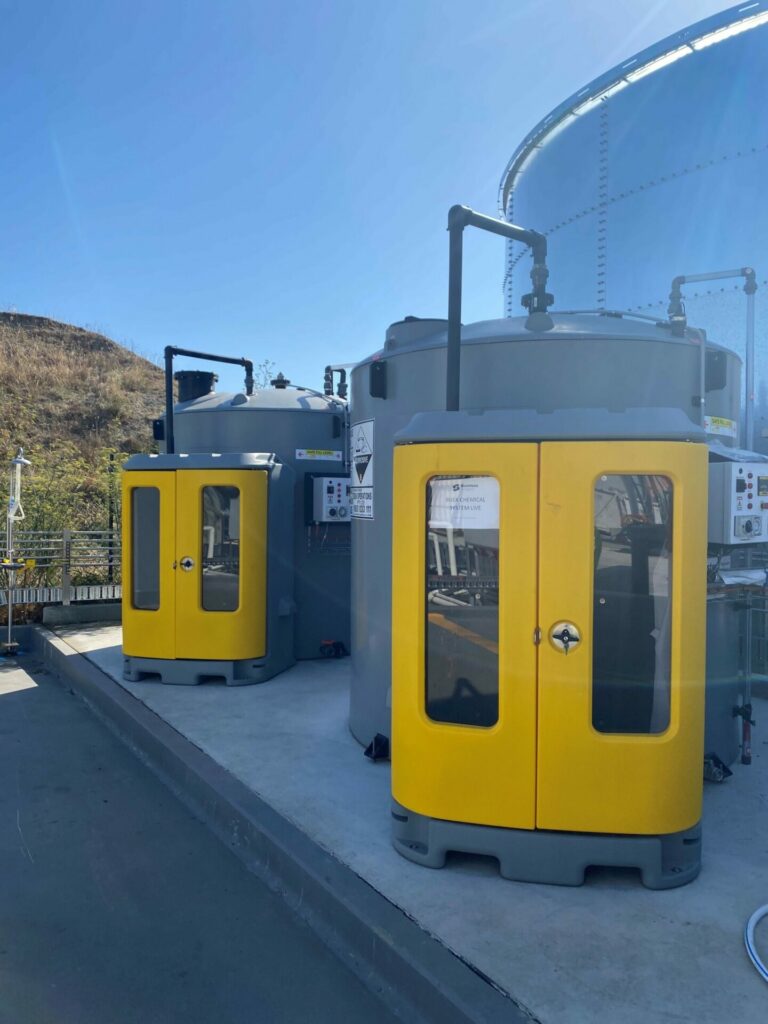
Cabinets
Chemical Dosing Systems – made easy at Polymaster for all applications, with flexible dosing options available ranging from a standalone cabinet to a complete package. These cabinets ensure safe and organised storage of Aluminium Chlorohydrate dosing equipment.
View Product
CASE STUDIES
Upgrading the Dungong Wastewater Treatment Plant
Find out how Polymaster was involved in the completion of a $28 million upgrade project to improve Dungong’s water quality.
- Industry: Waste Water Treatment
- Application: Clean In Place
- Product Used: Medium Self Bunded Chemical Tank


Applications
What are the applications for Sulphuric Acid?
Sulphuric Acid is a versatile chemical with a wide range of applications across various industries.
Here are some of its primary uses:
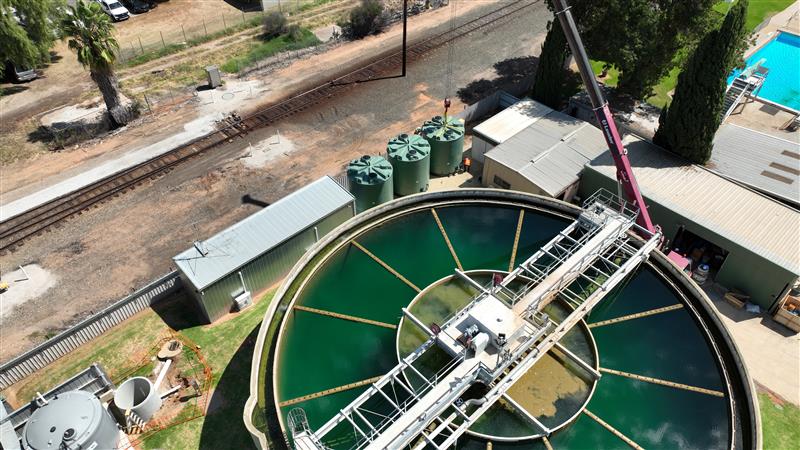
Wastewater Treatment
Sulphuric Acid is commonly used in wastewater treatment processes for pH adjustment and to precipitate heavy metals. It helps in neutralising alkaline waste streams and enables the removal of metals, ensuring the treated water meets environmental standards for discharge or reuse.
Mining
Used in Mining to dissolve metals and minerals from ores effectively. Used in metal processing, Sulfuric acid is used in a mixture for what is known as “steel pickling”, which is a surface treatment process that is used to remove any rust or carbon impurities to finish the metal and is one of the final and most important stages of metal processing.
FAQs
Frequently Asked Questions
Got a question about storing or dosing Sulphuric Acid? Here’s what our customers ask most — from best-practice storage to safe handling and what to avoid mixing it with.
What is the best way to store Sulphuric Acid?
Sulphuric Acid is a highly reactive and corrosive chemical that requires special handling and storage. It is important that it is stored within a container that is resistant to corrosive chemicals. Sulphuric Acid is also extremely heavy and will test the integrity of any tank. This means the tank or container needs to be built for the purpose of holding Sulphuric Acid. It is very important to store Sulphuric Acid in a well-ventilated environment
Best practices for storing Sulphuric Acid
Store Sulphuric Acid in a cool, dry, and well-ventilated area away from direct sunlight.
Use containers made of compatible materials, such as our 7080 grade octene 2SG to store Sulphuric Acid. Never store in metal containers. It will attack metal resulting in a spill.
Store Sulphuric Acid separately from other chemicals, particularly bases, which can react with it and cause dangerous reactions.
Secondary containment is an absolute necessity. Make sure to surround the primary storage container to collect any spillage of Sulphuric Acid.
Ensure that Sulphuric Acid containers are tightly sealed and labelled with the proper hazard warnings.
Regularly inspect and check your tank for any signs of damage or wear that may occur and get them repaired immediately.
What not to store with Sulphuric Acid
Other alkaline-based chemicals.
Water. E.g. if Sulphuric Acid contacts water, it creates a toxic Sulfuric Acid aerosol fume and creates a risk of a potential explosion.
Sulphuric Acid can create a highly flammable Hydrogen gas if it is spilled on metals.
Depending on the concentration of Sulphuric Acid it may be corrosive to stainless steel. This should be reviewed on a case-by-case basis.
Chemical Storage & Handling
When it comes to the storage and handling of Sulphuric Acid it is important that it is handled safely, and that everyone on-site is kept safe. Here are a few guidelines to follow to keep your workplace safe:
Store the chemical in its own designated area, away from other chemicals and direct sunlight. If Sulphuric Acid is heated it may produce poisonous and/or corrosive fumes.
With any type of corrosive chemical using the appropriate personal protective equipment (PPE) such as gloves, goggles and face shield is a must, Sulphuric Acid is no different.
Avoid inhaling Sulphuric Acid fumes or mist, which can cause respiratory irritation and other health problems.
Always handle Sulphuric Acid with care and avoid splashing or spilling it.
Do not mix Sulphuric Acid with any other chemicals or substances without first consulting a qualified professional.
When mixing or blending chemicals with Sulphuric Acid, an exothermic reaction may occur, and the heat of the chemical can cause damage if not properly addressed.
RESOURCES
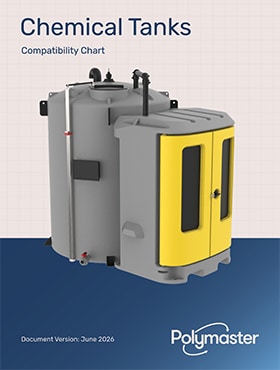
Chemical Tank Compatibility Chart
This Chemical Compatibility Chart provides a comparison of the chemical resistance of our Specialty Grades of Linear Low Density Polyethylene, High Density Polyethylene and Polypropylene Polymers in different chemical environments.